
Coupang Inbound Verification: Label & Cert Review
Coupang inbound verification is a two-step review — label check, then certification evidence — that catches problems at the desk before a shipment reaches the Rocket dock.

Insights & Guides
Expert analysis, tactical guides, and market insights for brands selling in Korea.
97–108 of 174 articles

Coupang inbound verification is a two-step review — label check, then certification evidence — that catches problems at the desk before a shipment reaches the Rocket dock.

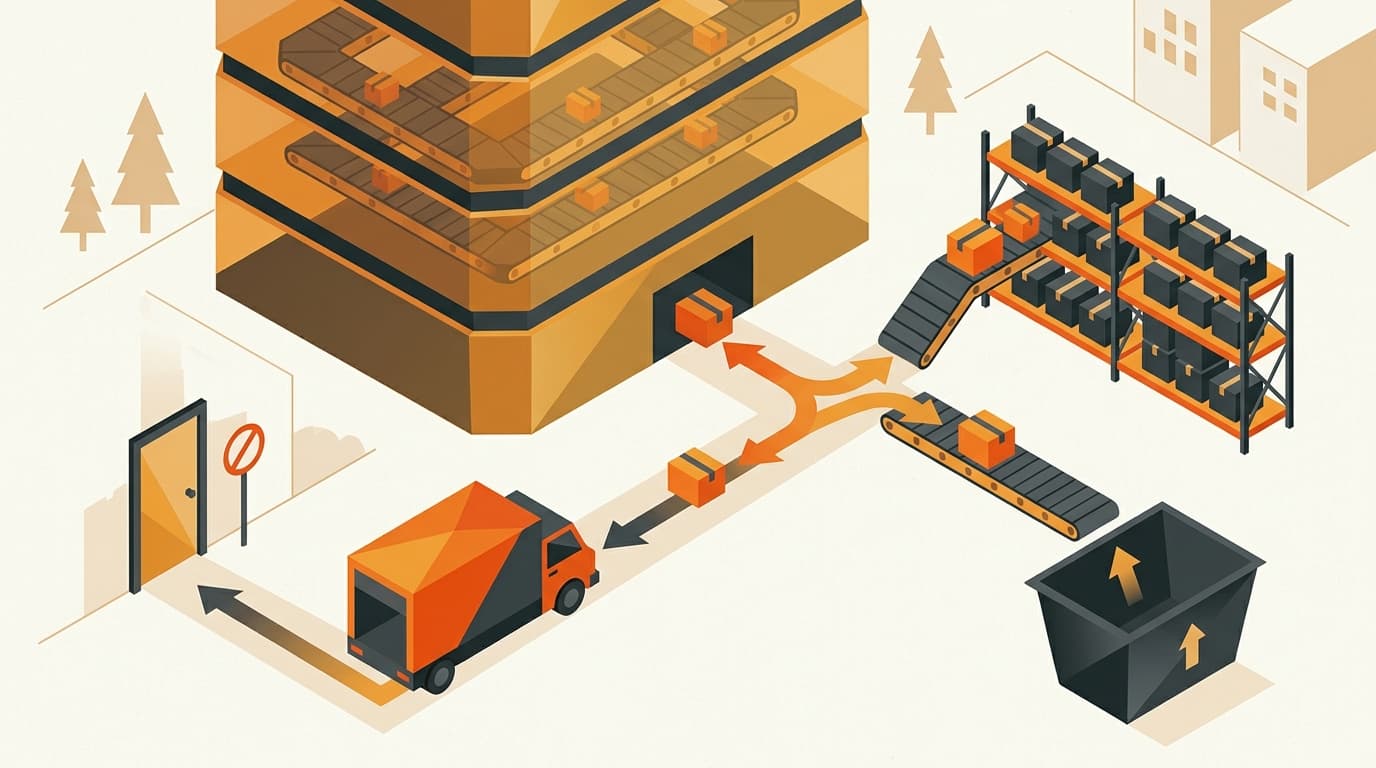
Under Coupang Rocket Growth, Coupang runs the customer-facing return, pickup, and refund — but the returned unit re-enters your inventory and you still own its disposition. Here's the boundary.

Once your Coupang listing goes live, small problems compound silently. Sales Radar watches your performance daily and surfaces weekly diagnostics so you know what to fix.

A non-resident brand generally cannot complete Korean importer registration on its own — the workflows presume a Korean business registration and a locally reachable responsible party. Here is what they actually require.

Korean customs will not clear goods addressed to a foreign brand with no local import authority. Here is who can legally import into Korea, and how Kontactic runs that Importer of Record role for you.

When you sell locally on Coupang, the Importer of Record must be a Korea-resident party accountable to the Korea Customs Service — not Coupang, and not your freight forwarder. Here is why.

Kontactic's Seller Center now diagnoses the detail-page shots you're missing and generates Korean-market Coupang PDP imagery from the assets you already submitted — no local studio required.

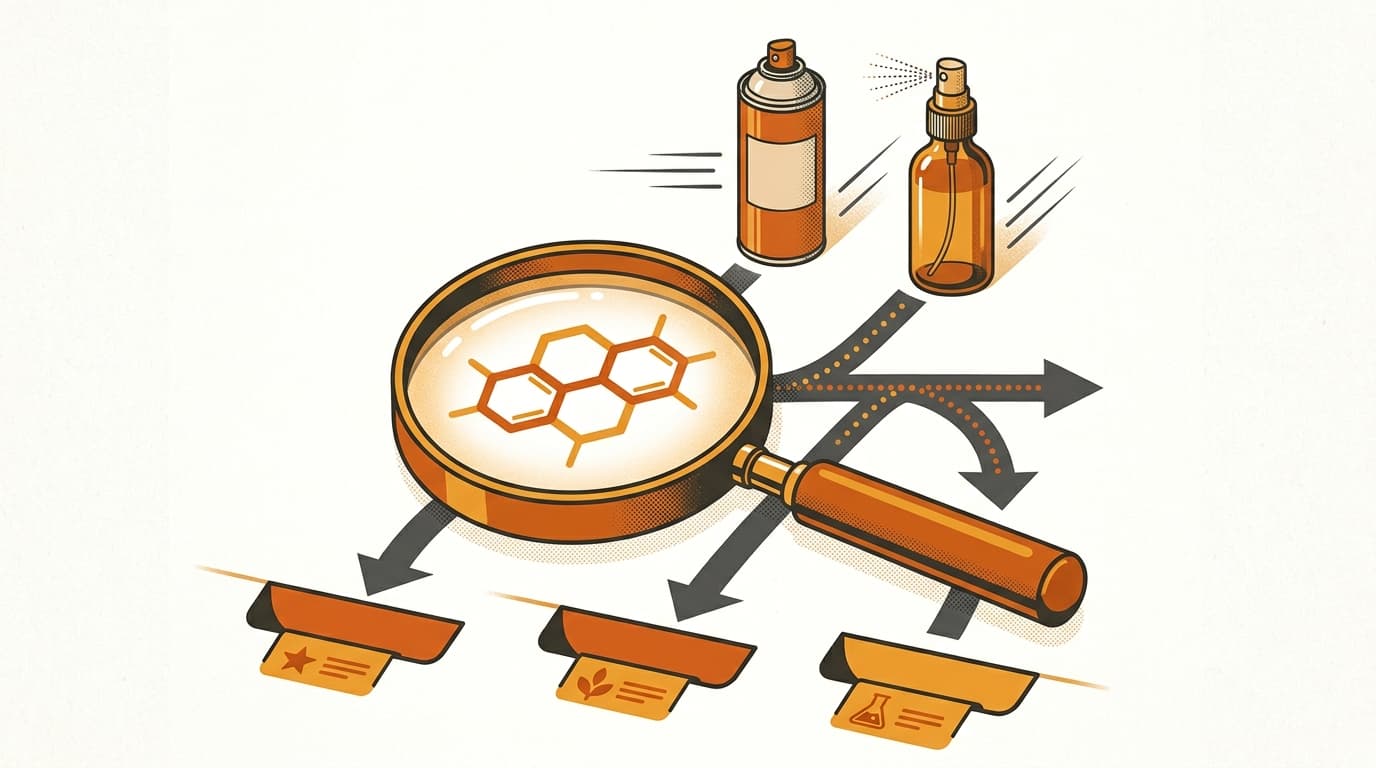
In Korea, whether your air freshener, cleaner, or repellent is a regulated biocidal product depends on its active substance and function — not its shelf category. Here is how to sort which bucket yours falls into.

Every product sold in Korea needs a compliant Korean disclosure label (표시사항). Kontactic's Hangul Label Studio generates print-ready labels and packages compliance evidence.

If a product is intended for use by children roughly age 13 and under, Korean law classifies it as a children's product (어린이제품) and pushes it onto a stricter, separate KC certification regime under KATS.

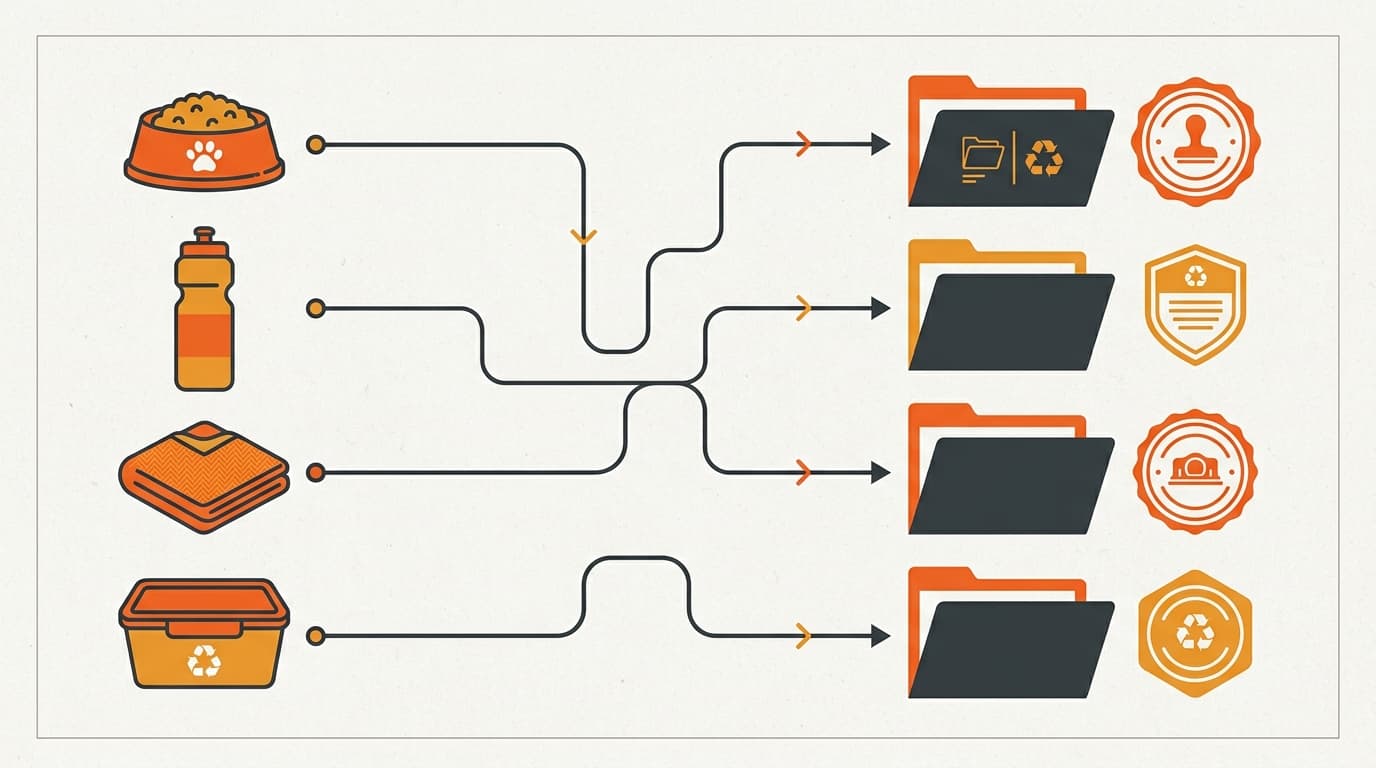
"Korean certification" is not one checkbox — a pet food, a water-contact item, and a textile each fall under a different law. Here is how we map each SKU to its exact obligation before you ship.

In Korea, a whitening, anti-wrinkle, or SPF claim reclassifies your cosmetic as a functional cosmetic (기능성화장품) requiring an MFDS review before sale. Here is which claims trigger it.

Book a discovery call with our team and get a personalized roadmap for your Korean market entry.
Or email us directly at contact@kontactic.com