Is a Children's-Product KC in Korea a One-Time Gate?
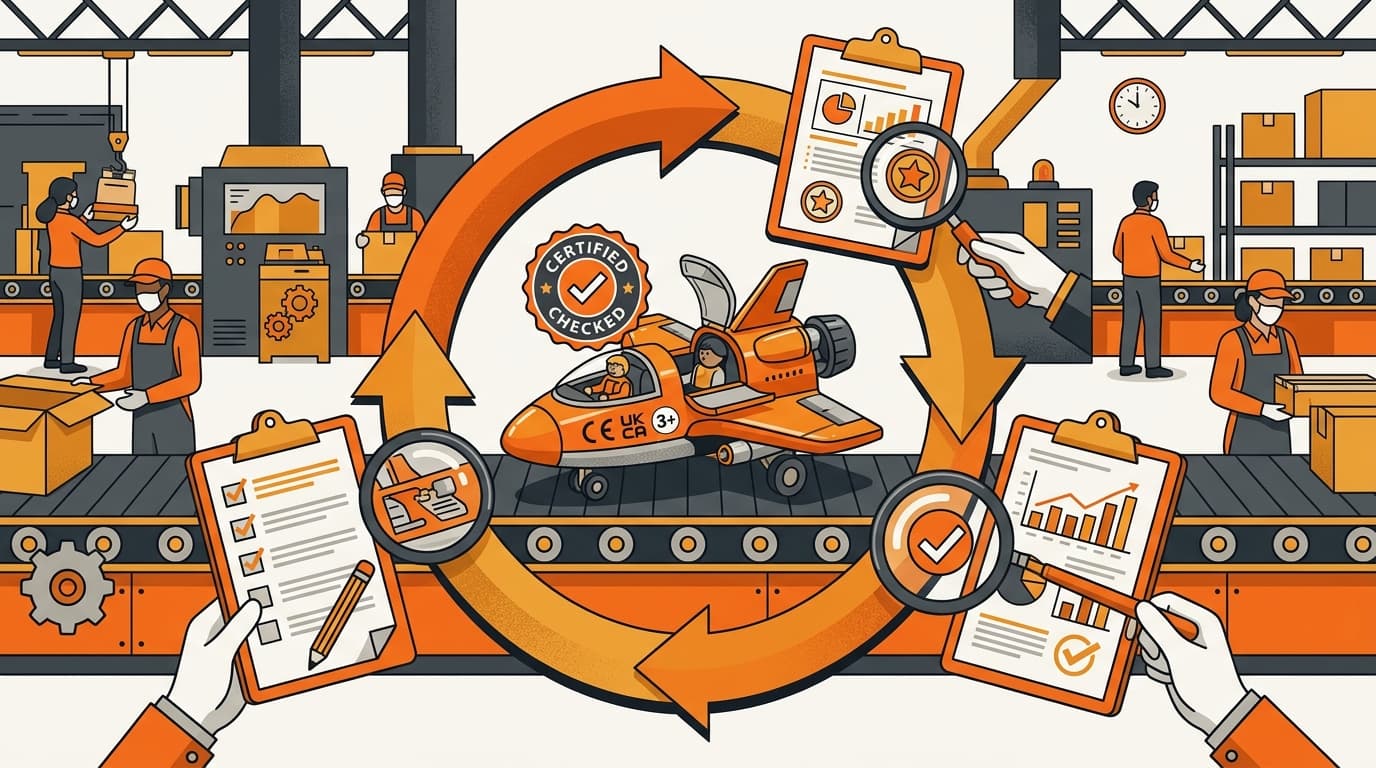
The short answer is no — for the strictest tier, a children's-product KC in Korea is not a one-time gate. Under the higher Safety Certification (안전인증) tier, the mark is a status you maintain through periodic factory audits and periodic product retesting, not an approval you earn once and keep forever. A product that was legal to sell last quarter can drift out of compliance without any change to the product itself if the surveillance cadence isn't kept current.
That distinction is easy to miss because most Western conformity marks work the other way. A US or EU certification often behaves like a one-time cost with a one-time lead time: you test, you mark, you ship, and the obligation is largely closed until you change the product. Korea's children's-product regime is different at the top tier, and budgeting for it as a single upfront fee is where brands get caught.
The regime that makes it ongoing
Children's products in Korea are governed by the Special Act on the Safety of Children's Products (어린이제품 안전 특별법), administered by the Korean Agency for Technology and Standards, or KATS (국가기술표준원). That Act sorts children's items into tiers by risk level, and the tiers do not carry the same maintenance burden.
If you have not yet worked out whether your item is even in scope, or which tier applies, that is a separate — and prior — question. It is worth settling first, because it determines everything below. We have covered whether a product counts as a children's product under Korean law and which of Korea's three children's-product KC types fits your item separately. This post picks up after that: assuming you land in the strictest tier, what does keeping the mark valid actually require over time?
The answer is that Safety Certification is designed as continuous oversight. The initial test that gets you the certificate is the opening move, not the whole game. The regime layers recurring obligations on top of it — and those obligations are what turn a "certified" product into one that stays legal to sell.
Safety Certification (안전인증) is Korea's strictest children's-product KC tier. It is a maintained status: keeping the mark valid typically requires periodic third-party surveillance — factory/production audits and retesting of the product — on a cadence set by the regime, not a single pass at launch.
What actually recurs at the top tier
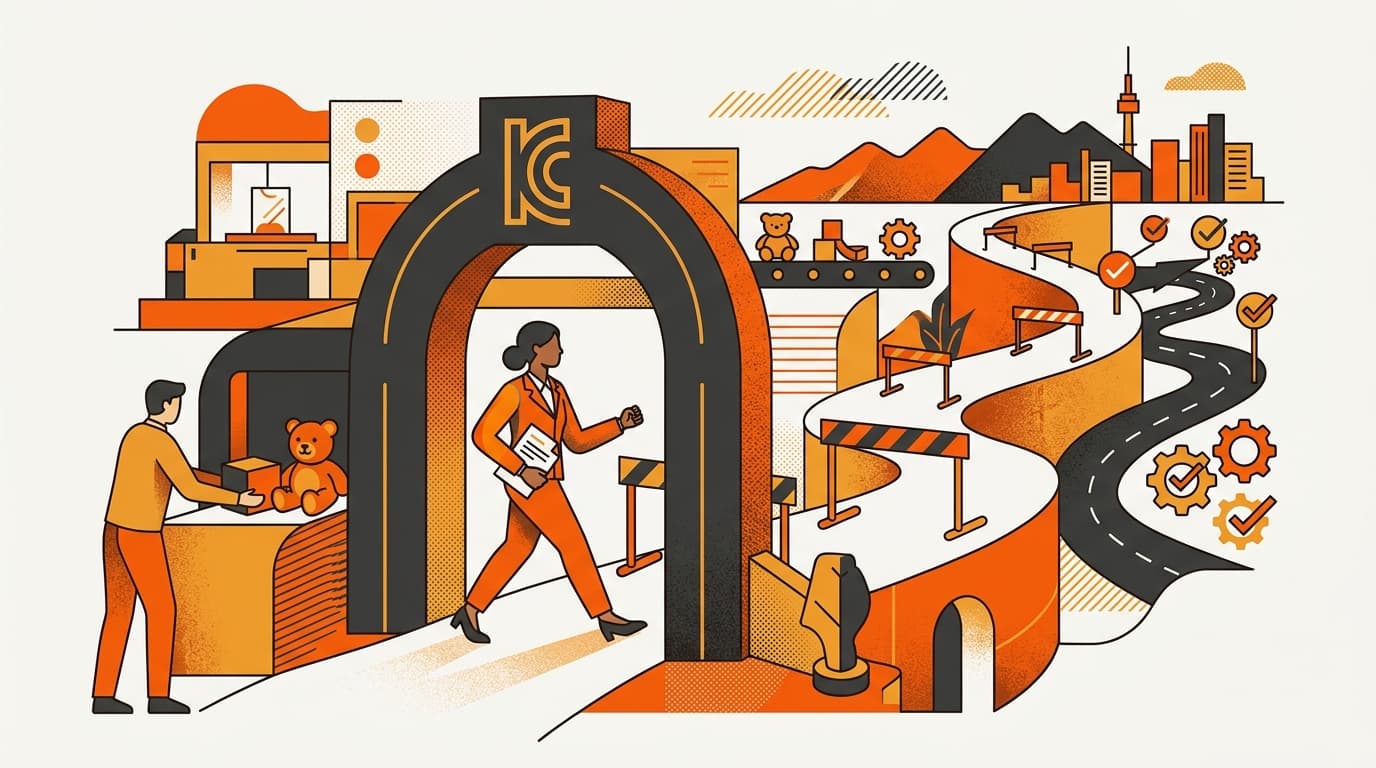
Two things recur beyond the initial test, and both are worth planning for before launch rather than discovering mid-listing.
- Periodic factory (production) audits. The certifying body doesn't just examine the product once; it periodically checks that the manufacturing site is still producing to the same conditions the certificate was granted under. This is a physical, site-level review — which means your factory has to keep cooperating long after the sale is closed.
- Periodic product retesting. The product itself is retested on a recurring cadence to confirm it still meets the standard. A retest can surface drift — in materials, in a supplier substitution, in a process change — that would otherwise go unnoticed.
The exact cadence and cost are set by the regime and the specific product standard, so treat any single figure you see quoted with caution and verify against the administering authority. The operational point is the shape of it: this is a running relationship with a certifying body and a factory, not a closed transaction.
That is a sharp contrast with the lower tier. Under Supplier's Declaration of Conformity (공급자적합성확인), the responsible party holds valid test evidence and self-declares conformity. There is no equivalent recurring third-party factory audit built into that path. So the maintenance burden differs dramatically depending on which tier your item falls into — and that is precisely why the tier decision upstream matters so much to your ongoing costs, not just your launch costs.
“Western brands budget certification as a single line item and a single lead time. For the top children's-product tier in Korea, it is a living status — the product that was compliant last quarter can lapse with no change to the product at all.”
Kontactic — Market Entry Operator, Korea
Why a certificate can silently go invalid
A Safety Certification is tied to a specific product and a specific manufacturing site. That coupling is where most of the quiet failure modes live.
- A factory change. Move production — even to a plausibly equivalent line or plant — and the certificate no longer describes what you're shipping. That typically forces re-certification, not a paperwork amendment.
- A formulation or material change. Swap a component, a colorant, a coating, or a supplier, and you may have changed the very thing the certificate attests to. The mark can cease to cover the product as actually made.
- A lapsed audit or missed retest. If the periodic surveillance isn't kept current, the status can lapse on its own — no product change required. This is the failure mode Western teams least expect, because nothing about the product "went wrong."
The consequence is concrete: a lapsed or invalidated children's-product KC means the item is no longer legal to sell in Korea, and — because customs and marketplaces check certification evidence — it can also stall inbound and get pulled from listings. The problem isn't the product; it's the status attached to it.
How to plan for it before you launch
Treat the certificate as an operating expense with a lifespan, not a one-time entry fee. Three planning moves save the most pain.
- Budget recurring retest and audit costs across the life of the listing. Model the ongoing surveillance, not just the initial test. If your unit economics only work with a single upfront certification cost, re-run them.
- Secure factory cooperation in writing for the long term. Periodic audits and retests need the manufacturing site's continued participation. Confirm the factory will accommodate site visits and sample pulls for as long as you sell the product — this is a supplier-relationship question as much as a compliance one.
- Confirm who holds and maintains the certificate — and that they are accountable in Korea. The certificate holder must be a party accountable within Korea, not simply your overseas factory. Nail down contractually who is responsible for keeping the surveillance current, who pays for retests, and who acts if the status is at risk.
Assigning the certificate to the overseas factory and assuming they'll "keep it current" is a common trap. If no accountable Korean party is watching the cadence, a lapse can go unnoticed until customs or a marketplace flags it.
Where to verify your product's current status
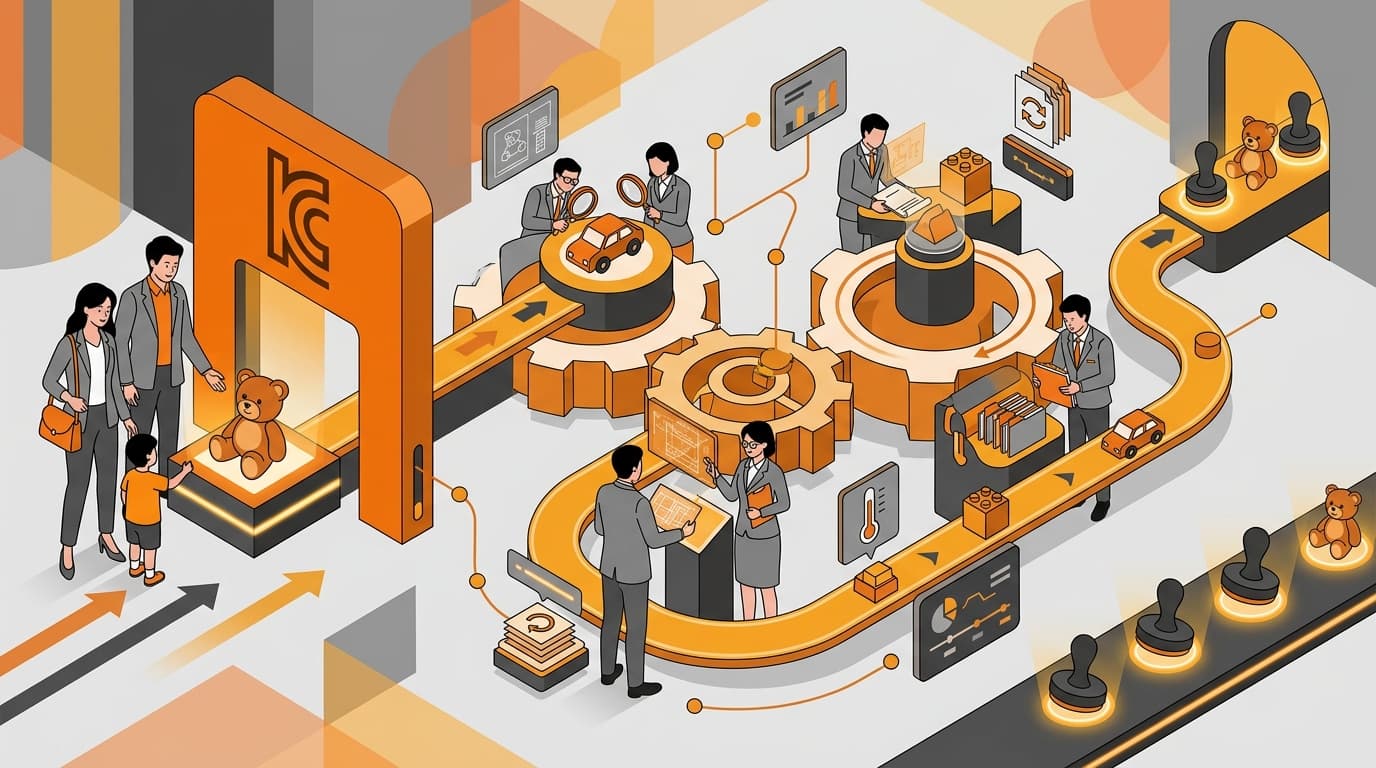
Because the specifics turn on your exact product standard, verify against the administering authority rather than a summary.
- KATS (국가기술표준원) is the agency administering the Special Act on the Safety of Children's Products and the KC conformity-assessment tiers.
- The Product Safety Information Center (safetykorea.kr) holds children's-product certification records, where you can check the current status and scope of a given certificate.
- The statute text on law.go.kr is the primary source for the obligations themselves when you need the letter of the regime rather than an interpretation.
Common questions
Is every children's-product KC an ongoing obligation? No. Only the stricter Safety Certification (안전인증) tier carries recurring third-party surveillance — periodic factory audits and product retesting. The lighter Supplier's Declaration of Conformity (공급자적합성확인) tier relies on the responsible party holding test evidence and self-declaring, without the same recurring audit.
Can a certified product become non-compliant without changing? Yes. If the periodic surveillance testing or the factory audit isn't kept current, the status can lapse even though the product itself is unchanged. That is the core difference from a one-and-done conformity mark.
Does changing my factory invalidate the certificate? Generally yes for the top tier. The certificate is tied to a specific manufacturing site, so a factory change — and often a material or formulation change — can require re-certification rather than a simple update.
Who should hold the certificate? An accountable party within Korea, not simply the overseas factory. Confirm contractually who maintains the certificate's validity, funds retests, and acts if the status is at risk.
Planning a children's-product launch in Korea?
Talk to Kontactic about scoping which KC tier applies to your item and who keeps the certificate valid over the life of your listing.
About the author
Korean and global e-commerce operators with 15+ years of cross-border experience, led by CEO Isaac Lee — KOTRA-certified consultant and official lecturer for Seoul City and the Korea Customs Service. We run Korea market entry for Western brands every day; this blog documents what we learn in the field.
More about Kontactic →Related Articles
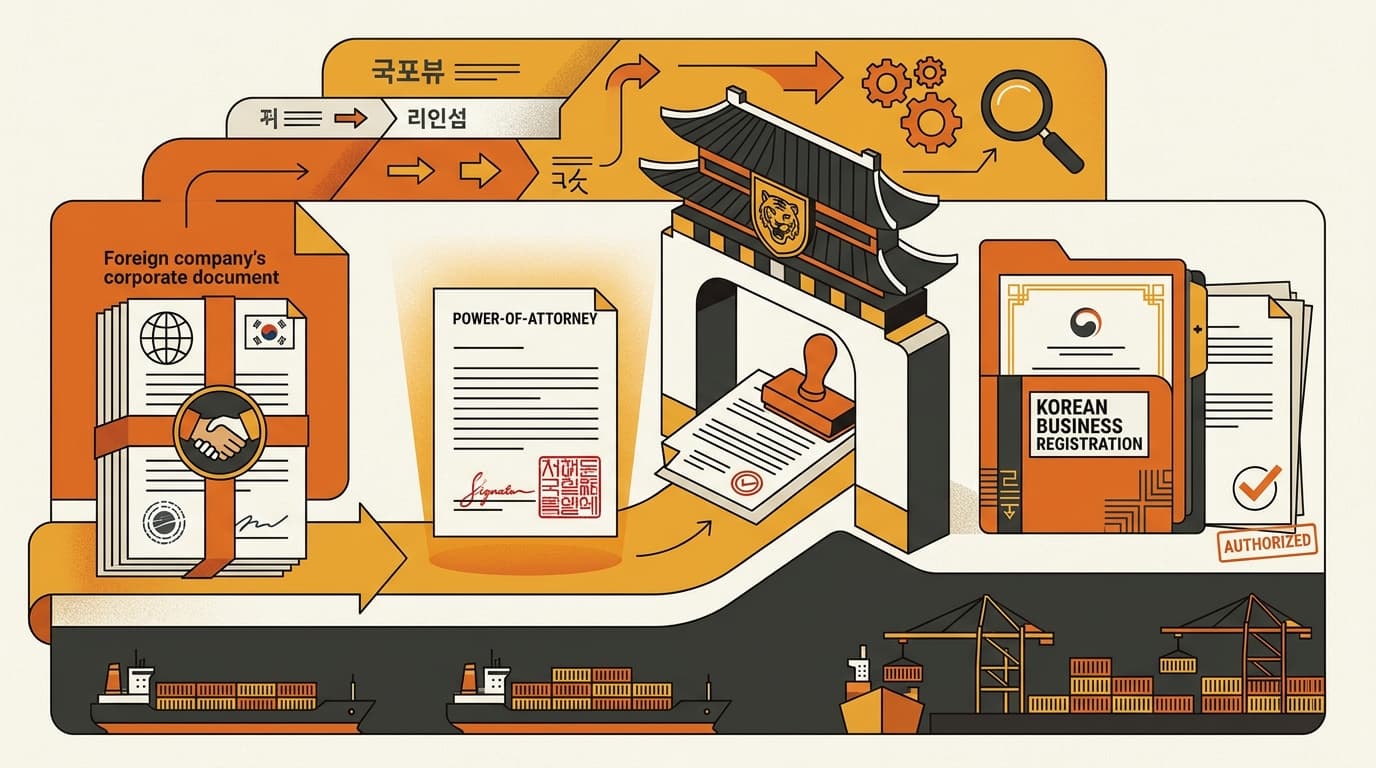
Korean Importer Registration: Why a POA Is Not Enough
A power of attorney cannot establish Korean importer registration; corporate-authority proof and Korean importer records are still required for the filing.
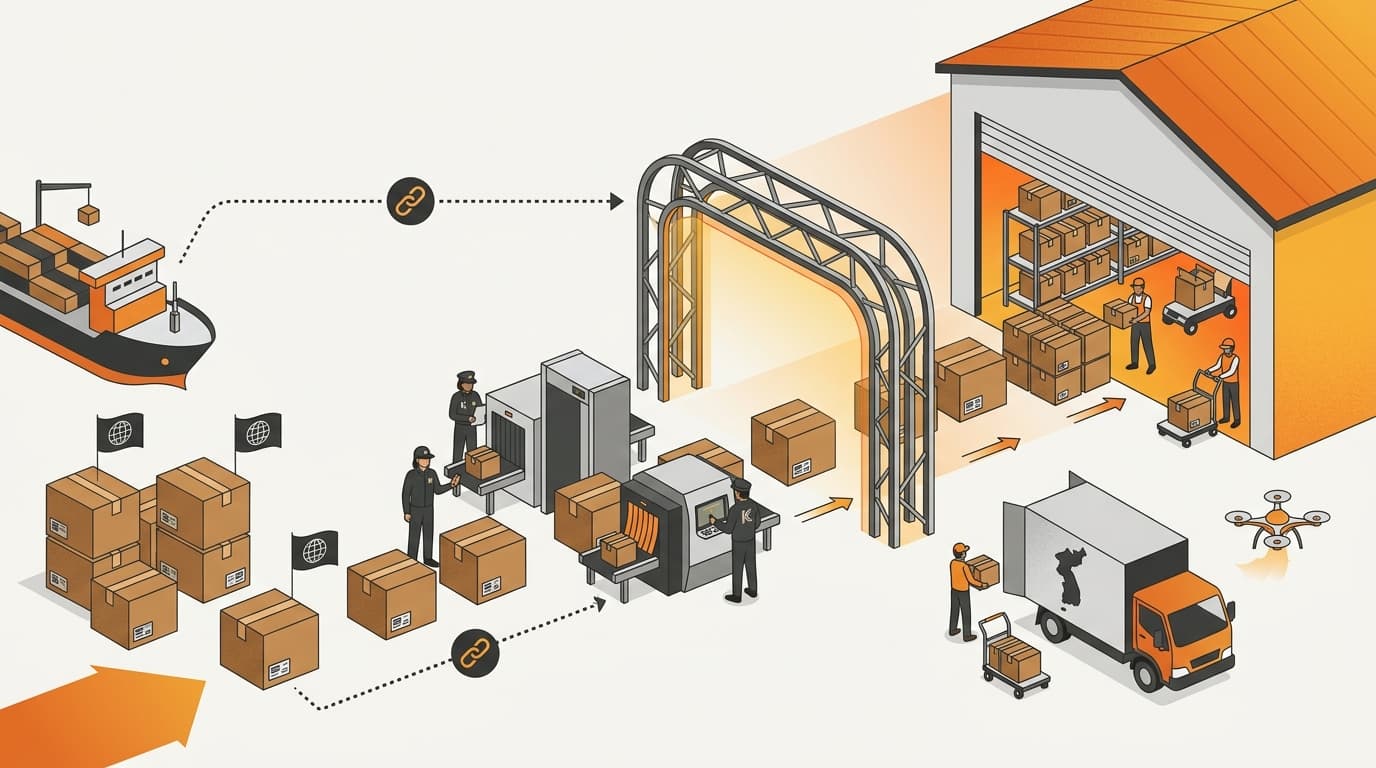
Can You Delay Korea Import Duty on Consignment Stock?
No. Korea import duty and import VAT are normally assessed when consignment stock is cleared for domestic circulation, not when a Korean customer buys one unit.
Children’s Product KC: Does “Ages 13+” Avoid the Rules?
No. In Korea, “Ages 13+” is only one factor; design, intended use, packaging, and child-directed marketing can still trigger children’s-product KC rules.