
Can a US/EU Supplement Legal at Home Be Imported Into Korea?
No. A US or EU supplement cannot be imported into Korea merely because every ingredient is legal in its home market. Korea applies its own MFDS food-ingredient, food-additive, and—where relevant—Health Functional Food rules; home-market legality is background evidence, not Korean permission.
Practical gate: Before you manufacture Korean inventory, verify each ingredient and additive for its intended Korean use. Then verify whether the product's category, function, claims, and label fit the applicable Korean route.
The answer turns on Korean eligibility, not foreign legality
Foreign legality and Korean eligibility answer different questions. US or EU documentation can help explain what an ingredient is, where it came from, how the product is made, and what testing has already been performed. It does not establish that Korea permits that ingredient, in that form, for that use.
Korea may assess an ingredient or botanical by details that a home-market approval summary does not highlight: the source, species, plant part, preparation, additive status, or applicable product specification. A formula can therefore be lawful in its home market and still lack a Korean legal basis. If that gap is discovered after production, the practical outcomes may include reformulation or a refused or returned shipment.
The primary verification point is the current material published by the Ministry of Food and Drug Safety (MFDS, 식약처), including the Food Code (식품공전), Food Additives Code (식품첨가물의 기준 및 규격), and, when relevant, Health Functional Food Code (건강기능식품의 기준 및 규격). Use MFDS's official site for agency guidance and law.go.kr for the underlying Korean statute text. The exact answer can depend on the product details, so a general foreign ingredient list is not a substitute for a Korean formula review.
How Korea reviews a supplement formula ingredient by ingredient
Ingredient review is not a quick comparison of the front label. It is a check that the exact product you plan to ship has a Korean basis at every relevant level.
-
Start with the complete formula. Review every ingredient and additive, not only the ingredient highlighted in the marketing. The file should describe the product that will actually be manufactured, rather than a simplified consumer-facing description.
-
Identify the source precisely. For a botanical or other sourced ingredient, record the relevant source, species, and plant part. A common name by itself may hide a different species or a different part of the same plant.
-
Match the preparation. The form submitted for review matters. The source material, preparation, and product specification should describe what is in the finished product, not a different raw material or a broader family of ingredients.
-
Check food-additive treatment separately. An ingredient may be discussed as an “inactive” component in a US or EU file, but Korea still requires the applicable food-additive rules to be checked. Do not assume that an acceptable active ingredient makes every other component acceptable.
-
Check the applicable specifications. Where Korean rules provide relevant specifications, compare the product and supporting documents against those specifications. A certificate of analysis can support this comparison, but only after you know which Korean requirement applies.
This is why the review should use the final formula version. Changing a botanical source, plant part, preparation, additive, or specification after the review can change the result. A brand should not approve one prototype, manufacture another version, and treat the first review as covering both.

Ordinary food and Health Functional Food are separate Korean routes
Ingredient eligibility is the first question. Product route is the second.
The English word “supplement” does not answer how Korea should treat the product. For a Korean launch, determine whether the product is being imported and presented as an ordinary food or as a Health Functional Food (건강기능식품). These are not interchangeable labels for the same compliance analysis.
- Ordinary-food route: Confirm that every ingredient and additive is independently permitted for the intended ordinary-food use. If an ingredient has no Korean legal basis for that use, removing a health claim does not automatically make the formula acceptable.
- Health Functional Food route: Separately verify that each functional ingredient and the claimed function fit the Korean Health Functional Food Code or the applicable MFDS individual-recognition pathway. A product can have an ingredient that is known and tested, yet still need a different Korean basis for the function it claims.
Claims need to be reviewed with the formula, not after it. A claim that is lawful in a home market does not automatically fit a Korean functional-food route. Conversely, taking a claim off the label is not a universal workaround: if the ingredient itself is not permitted for the intended Korean use, the underlying problem remains.
For a practical example of the classification question, see how Korea separates ordinary food from Health Functional Food. The useful sequence is the same for a capsule, powder, gummy, beverage, or another format: establish ingredient eligibility first, then establish the Korean category and permitted function or claims.
Two-pass review: First ask, “May this exact ingredient and additive be used in this Korean food context?” Then ask, “Does the intended Korean category and claim fit the applicable MFDS route?” A “yes” to the second question cannot cure a “no” to the first.

Why foreign testing and a Korean label do not fix a failed formula
Evidence and permission are different questions.
A certificate of analysis or clean foreign laboratory report can show that a tested sample meets the specifications reported by the manufacturer or laboratory. That is useful evidence about the product. It does not legalize an ingredient that Korea does not permit for the intended use, and it does not replace review against Korean specifications.
The correct order is therefore:
- Establish whether the ingredient, source, preparation, and additive use have a Korean legal basis.
- Determine the applicable Korean food or Health Functional Food route.
- Confirm conformity with the specifications and documentation required for that route.
- Make the label and claims match the reviewed formula and route.
Testing belongs in the third step, not as a substitute for the first. Sending a sample to a laboratory can answer whether that sample has certain measured characteristics. It cannot answer the prior legal question of whether the ingredient is eligible to be used in Korea.
The same distinction applies to localization. A Korean-language label is necessary when the product information must be presented to Korean consumers, but translation changes the wording, not the formula. A label can accurately describe a compliant product; it cannot make a prohibited or otherwise ineligible ingredient permitted. Removing a claim also cannot cure an ingredient failure.
“A clean foreign laboratory report can support a Korean file, but it cannot create a Korean legal basis for an ingredient.”
Kontactic — Korea import operations
Do not make testing the first gate. Confirm Korean ingredient eligibility before you manufacture Korean inventory, commission a final label, or treat a foreign report as permission to ship.
Build the Korean import file before production and the first shipment
The safest sequence is formula review, route decision, issue resolution, document alignment, and only then Korean production or dispatch. This matters because the Korean importer of record and imported-food business must file the MFDS import declaration using information that matches the product being imported.
Prepare a file that includes, at minimum:
- The complete current formula: Use the version that will be manufactured and shipped, including all ingredients and additives.
- Ingredient identity and use details: Record the relevant source, species, plant part, preparation, and other product information needed for the Korean review.
- Manufacturer and specification information: Keep the manufacturer details and applicable product specifications consistent with the formula under review.
- The intended Korean route: State whether the product is being assessed as ordinary food or as a Health Functional Food, and identify the intended function or claims where relevant.
- Label and claims information: Make the Korean-language product information consistent with the formula, route, and supported claims.
- Supporting evidence: Include useful foreign documentation and laboratory reports as evidence, while recognizing that they do not replace Korean eligibility.
If the review identifies a problem, the lawful path depends on what failed. The options may include reformulation; using an ordinary-food route only when the ingredient is independently permitted for that use; or pursuing the relevant MFDS recognition process for a functional ingredient or function. If the ingredient itself is not permitted, simply deleting the claim is not enough.
The local importer of record/imported-food business handles the MFDS import declaration and carries the local compliance responsibility for that filing. The foreign brand still has to provide complete and consistent product-level information. A local importer cannot reliably assess or declare a formula when the source, preparation, manufacturer specification, or label supplied by the brand is incomplete or inconsistent.
The importer role is distinct from the question of who owns the product. For background on that role, see what an Importer of Record does in Korea. Once the formula is eligible, the import process still has its own filing and inspection requirements; the separate guides on whether a Korean food import is registered once or on every shipment and why Korea inspects every food shipment cover those operational questions.
The timing principle is simple: complete the Korean formula review before manufacturing Korean inventory or dispatching the first shipment. If the shipped formula changes after review, treat it as a new review question rather than assuming the prior answer carries over.

Common questions about importing supplements into Korea
Does US or EU legality automatically transfer to Korea?
No. Home-market legality can provide useful background documentation, but Korea applies its own ingredient, additive, product-category, function, and claim rules.
Can I import the product as ordinary food if I remove all health claims?
Only if every ingredient and additive is independently permitted for the intended ordinary-food use and the remaining product information is compliant. Removing a claim does not cure an ingredient that Korea does not permit for that use.
Will a certificate of analysis or foreign laboratory report make an ingredient acceptable?
No. Testing can help show conformity with an applicable Korean specification for the tested product, but it cannot create legal eligibility for an ingredient that lacks a Korean basis.
Who files the Korean import declaration?
The Korean importer of record and imported-food business files the MFDS import declaration and carries the local filing responsibility. The foreign brand must provide the complete and consistent formula, manufacturer, specification, and labeling information needed for that filing.
Can a Korean translation or sticker fix the problem?
No. A Korean label can present a formula and claims that are already supportable under the relevant Korean route; it cannot change an ineligible ingredient into an eligible one.
Check the formula before you manufacture Korean inventory
Review your supplement formula before shipping
If you are evaluating a US or EU supplement for Korea, contact Kontactic to discuss the ingredient file, Korean product route, and pre-shipment review.
About the author
Korean and global e-commerce operators with 15+ years of cross-border experience, led by CEO Isaac Lee — KOTRA-certified consultant and official lecturer for Seoul City and the Korea Customs Service. We run Korea market entry for Western brands every day; this blog documents what we learn in the field.
More about Kontactic →Related Articles

Can You Reject a Coupang Exchange? Only Two Reasons
Coupang exchange rejection is limited to SOLDOUT or WITHDRAW. Learn when each code applies—and what to do when a seller simply prefers a refund instead.
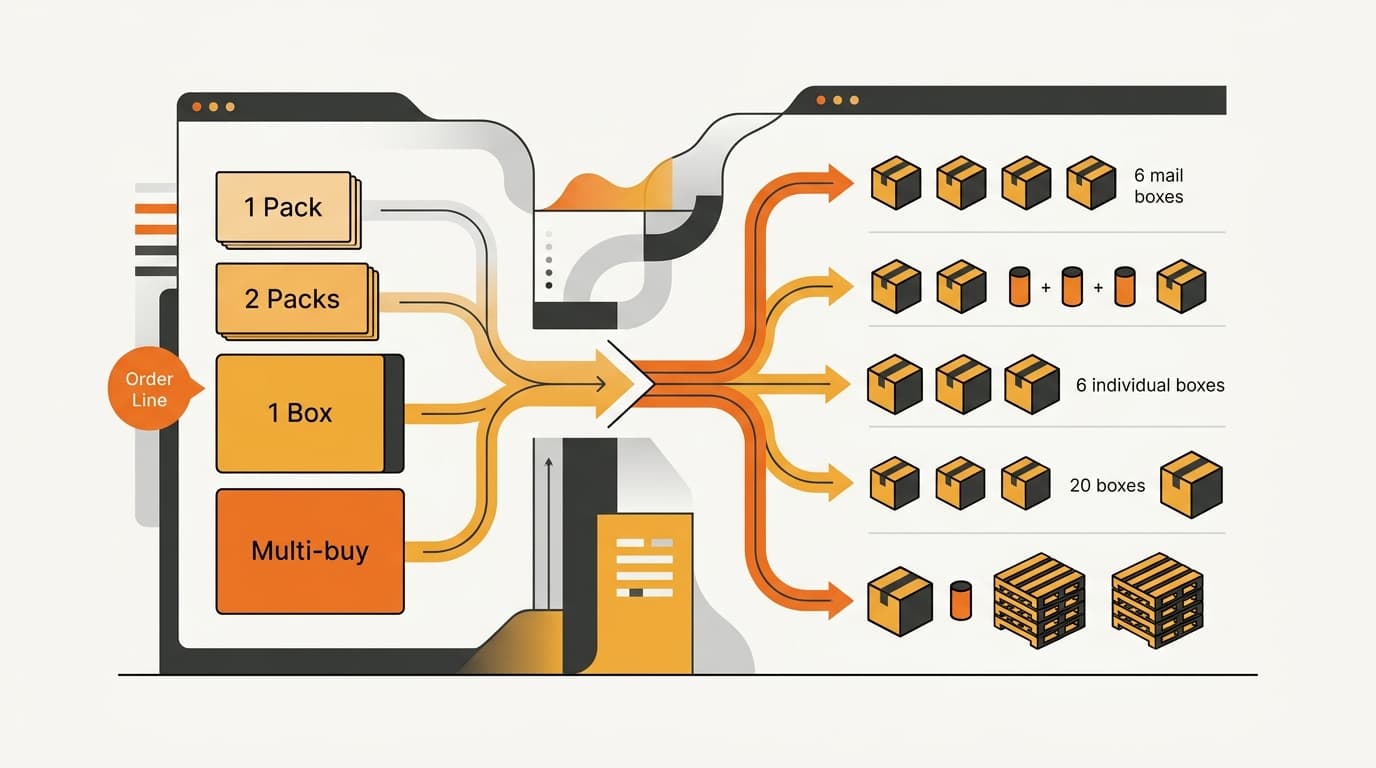
Coupang Order Lines: One Line Is Not One Unit
A Coupang order line can represent a generated quantity option, so your connector must map it to a base SKU and physical quantity before stock movement.
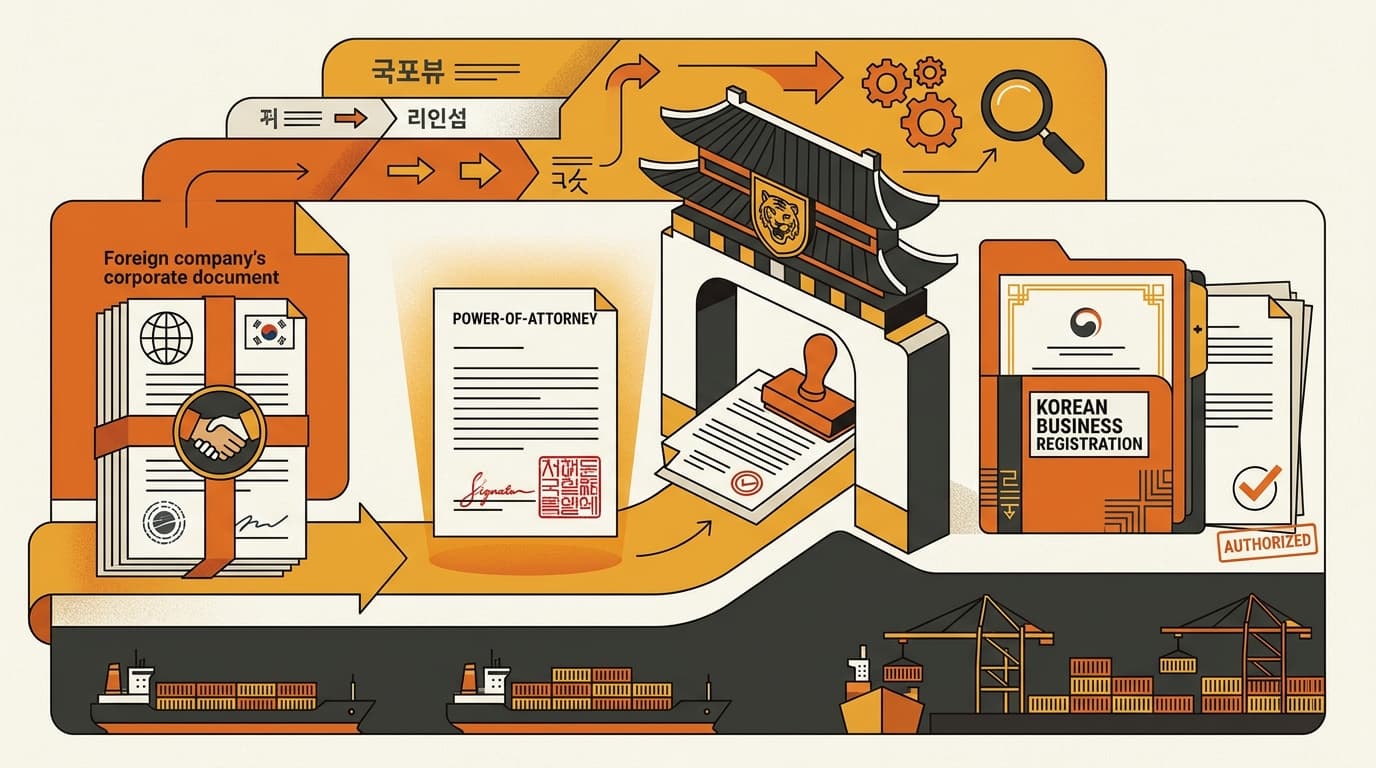
Korean Importer Registration: Why a POA Is Not Enough
A power of attorney cannot establish Korean importer registration; corporate-authority proof and Korean importer records are still required for the filing.