Commerce Trends
DDP vs DAP When Selling to Korean Consumers
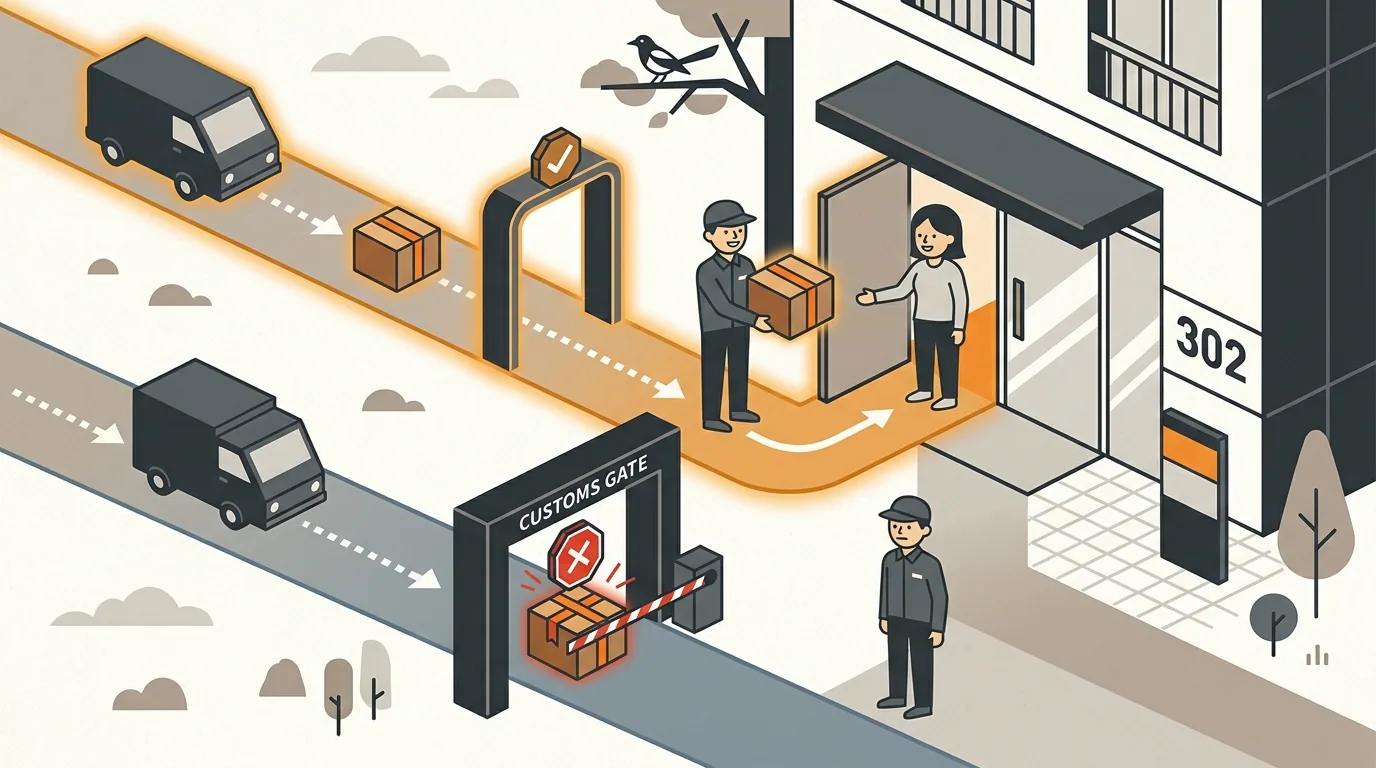
For Korean B2C ecommerce, DDP almost always converts better than DAP — but the real decision is whether either cross-border incoterm still makes sense.
Kontactic Team9 min read

Insights & Guides
Expert analysis, tactical guides, and market insights for brands selling in Korea.
85–96 of 121 articles
For Korean B2C ecommerce, DDP almost always converts better than DAP — but the real decision is whether either cross-border incoterm still makes sense.
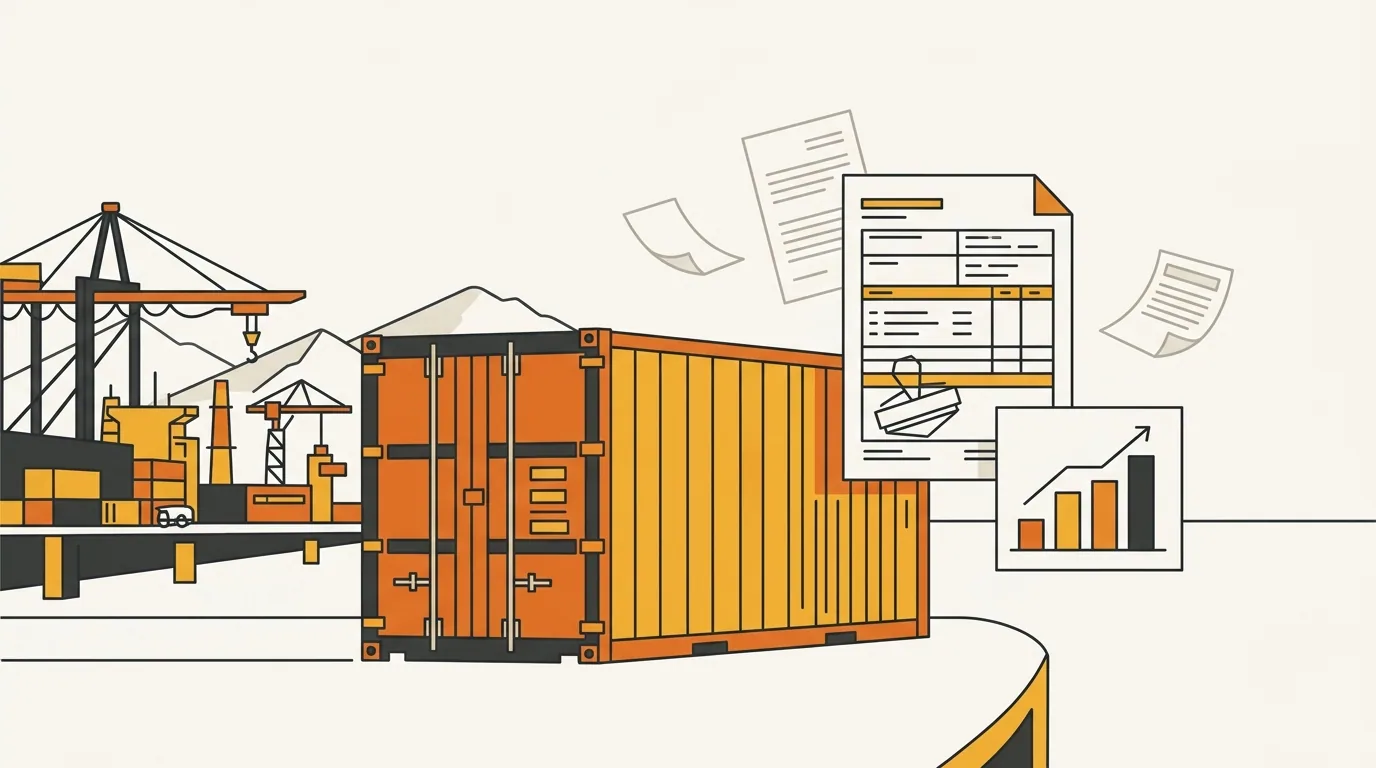
South Korea applies a flat 10% VAT and roughly 8% customs duty on imports — but the key decision is which entity files VAT and holds the Coupang account.
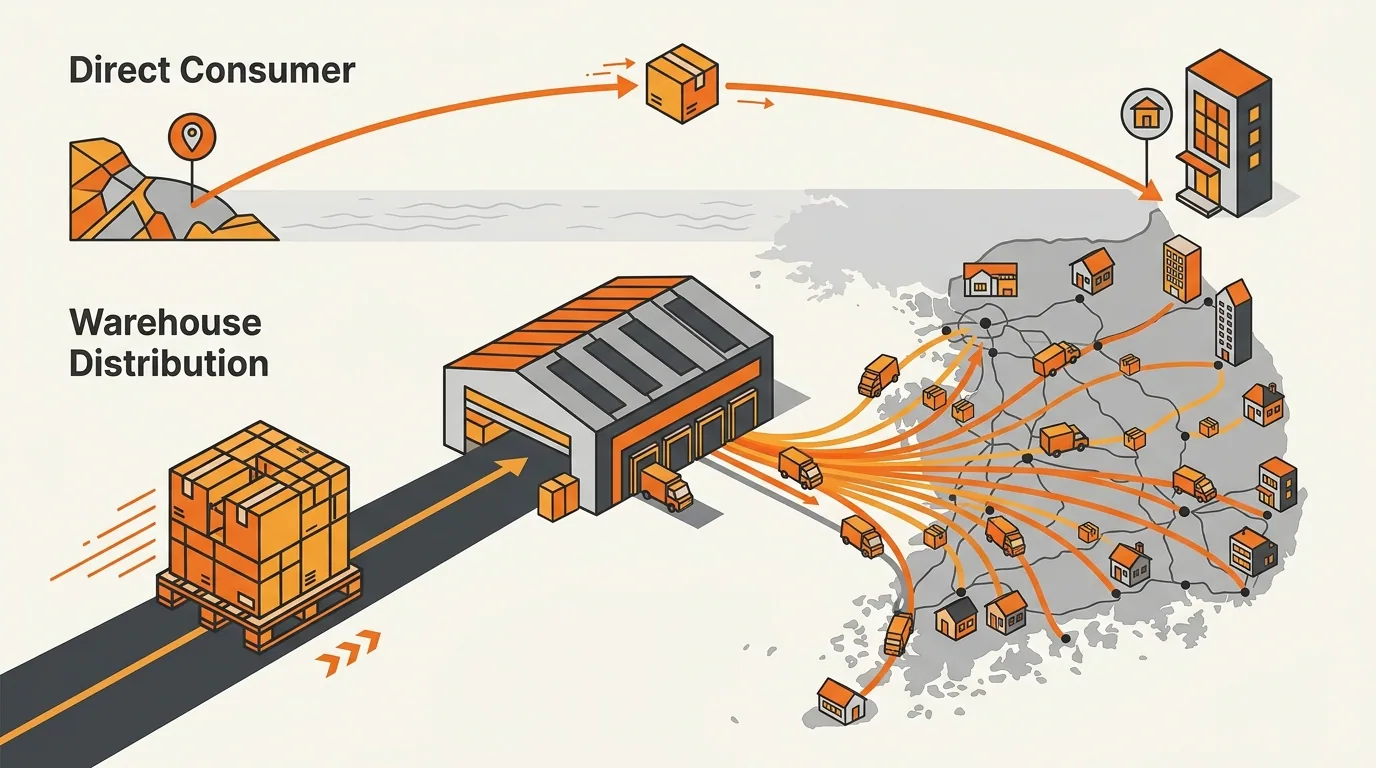
Once you cross roughly 100 monthly cross-border orders to Korea, local fulfillment is usually cheaper per unit — but only after IoR, KC, Coupang, and returns.
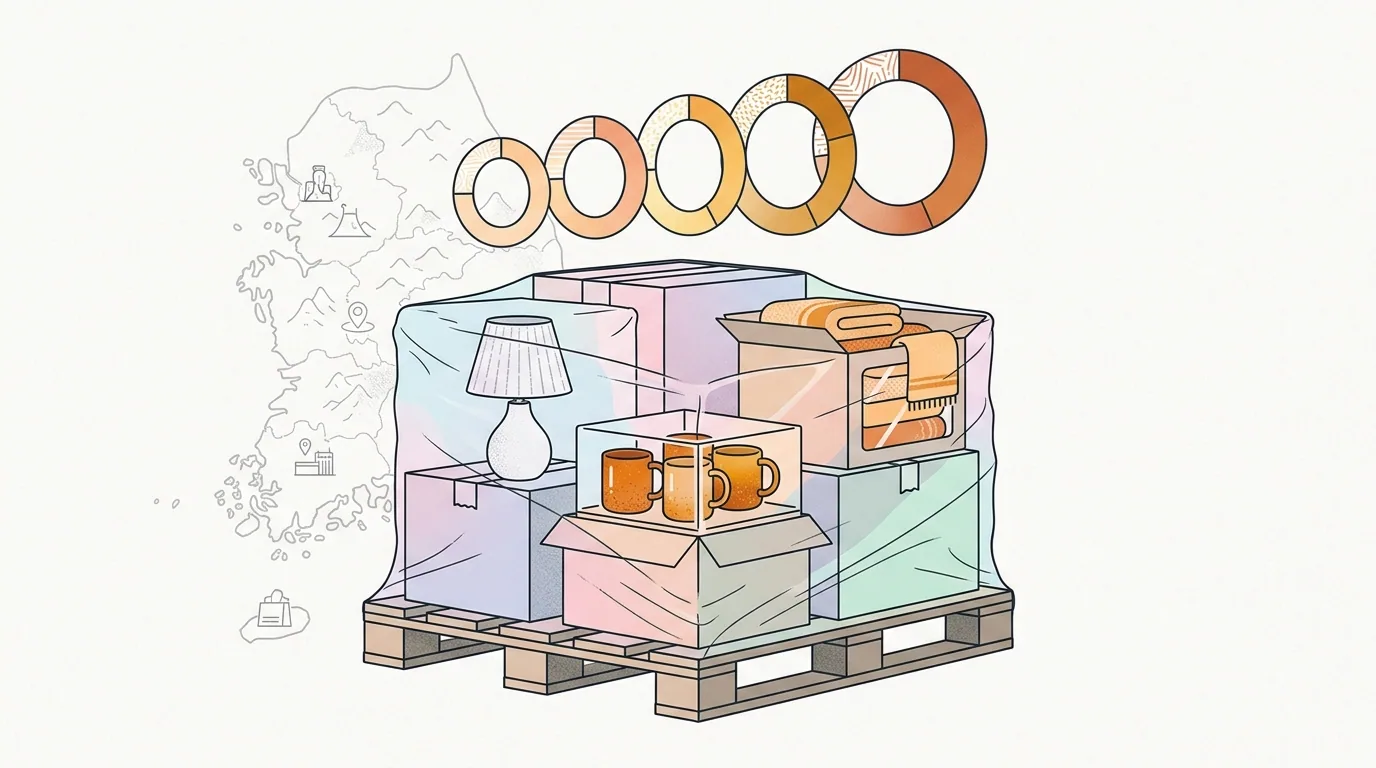
A 500kg DDP shipment of home goods from Europe to Korea is only the first line of your landed cost. Customs, 10% VAT, KC certification, Coupang fees, and Rocket Growth all stack on top.

Korean tax offices are now rejecting limited company registrations with a non-resident CEO, virtual office, and 1M KRW capital. A May 2026 shift in entity setup.

US pet food to Korea typically stacks customs duty, 10% VAT, freight, APQA inspection, and Coupang fees. Here is the realistic breakdown.

A Korea 3PL decision for foreign consumer electronics brands is not just about warehousing — it stacks KC certification, Importer of Record, Coupang Rocket Growth, and Korean-language PDPs into one operating model.

For European skincare brands entering Korea, the best 3PL isn't about pick rates — it's Coupang Rocket Growth fit, MFDS-aware inbound, and a Korean PDP.
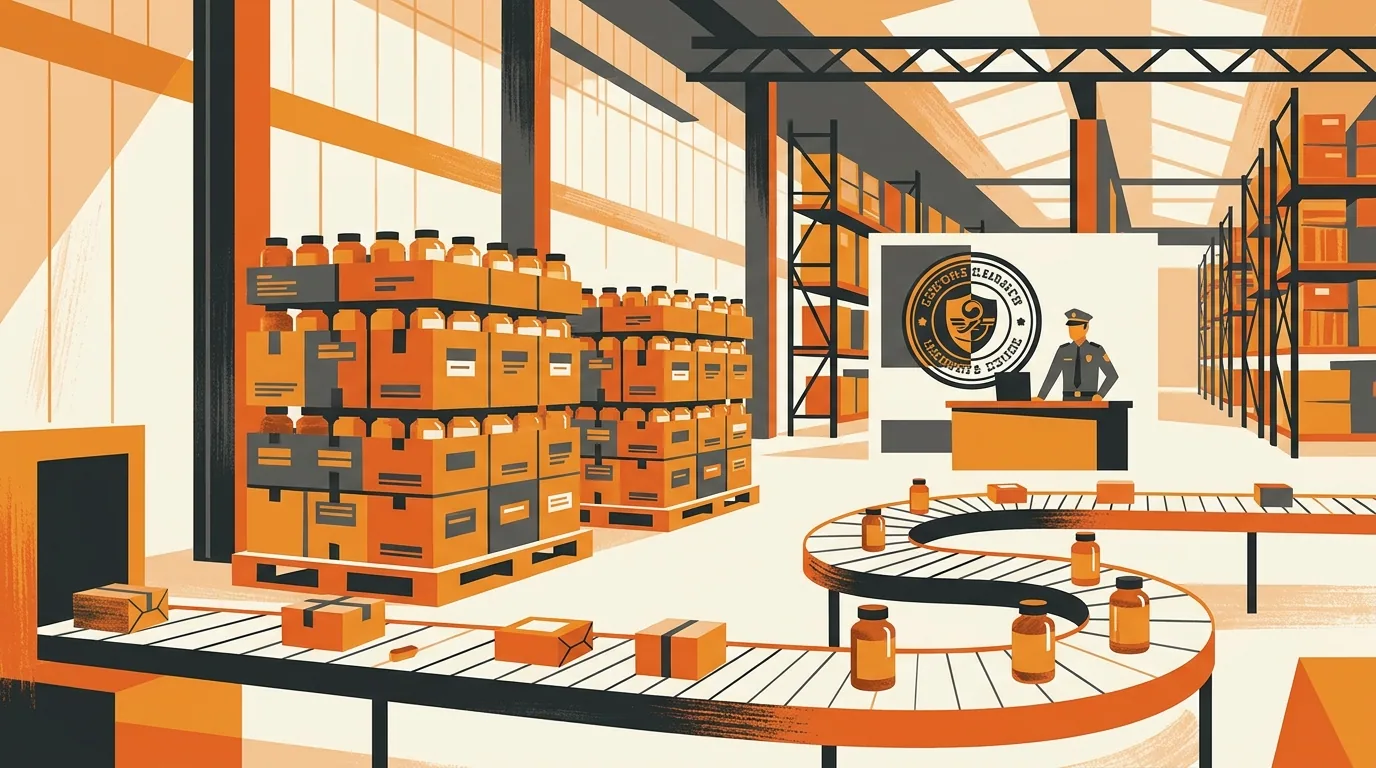
A 3PL for health supplements must handle HFF registration, import VAT, Coupang returns, and settlement—not just warehousing. These decide whether it pays back.
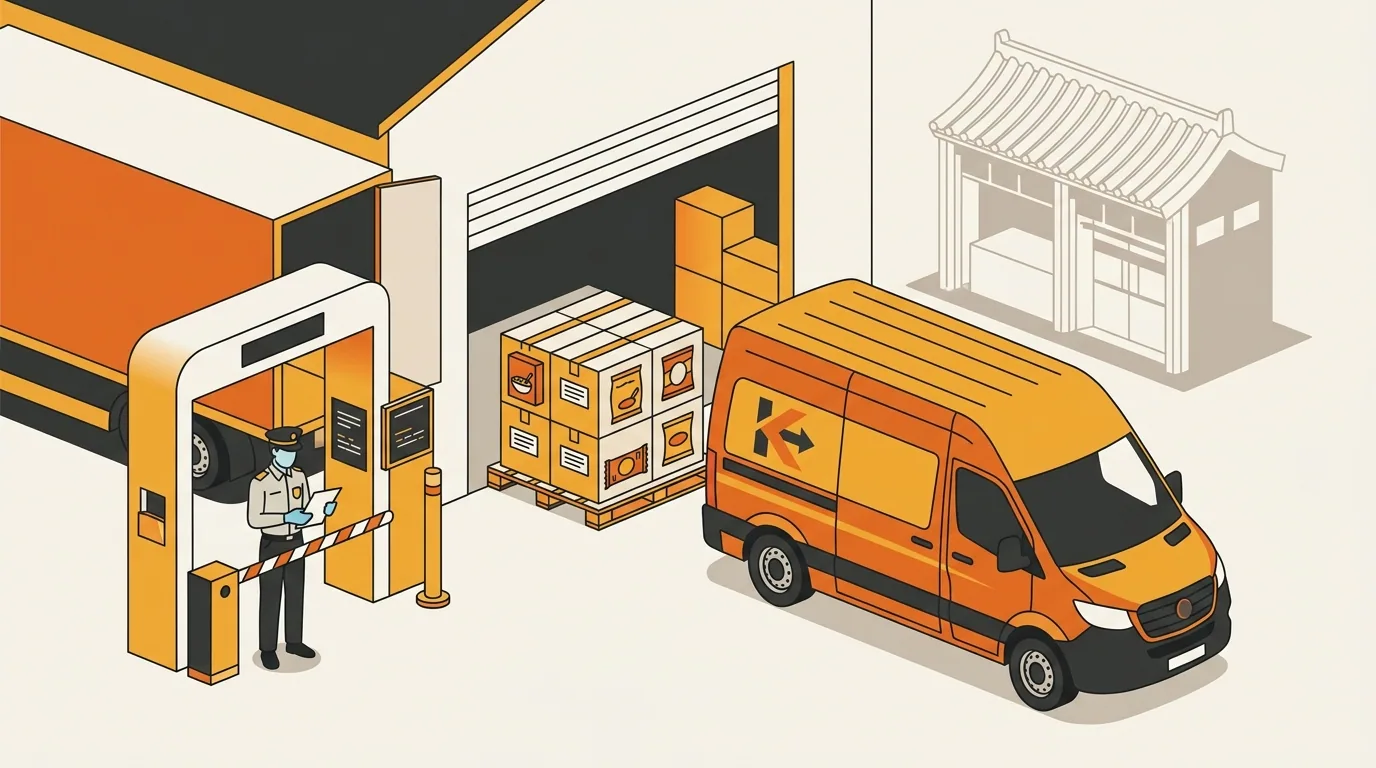
A US food brand searching for a 3PL in South Korea usually needs more than a warehouse. The hard parts are MFDS clearance, Coupang readiness, and a Korean PDP.
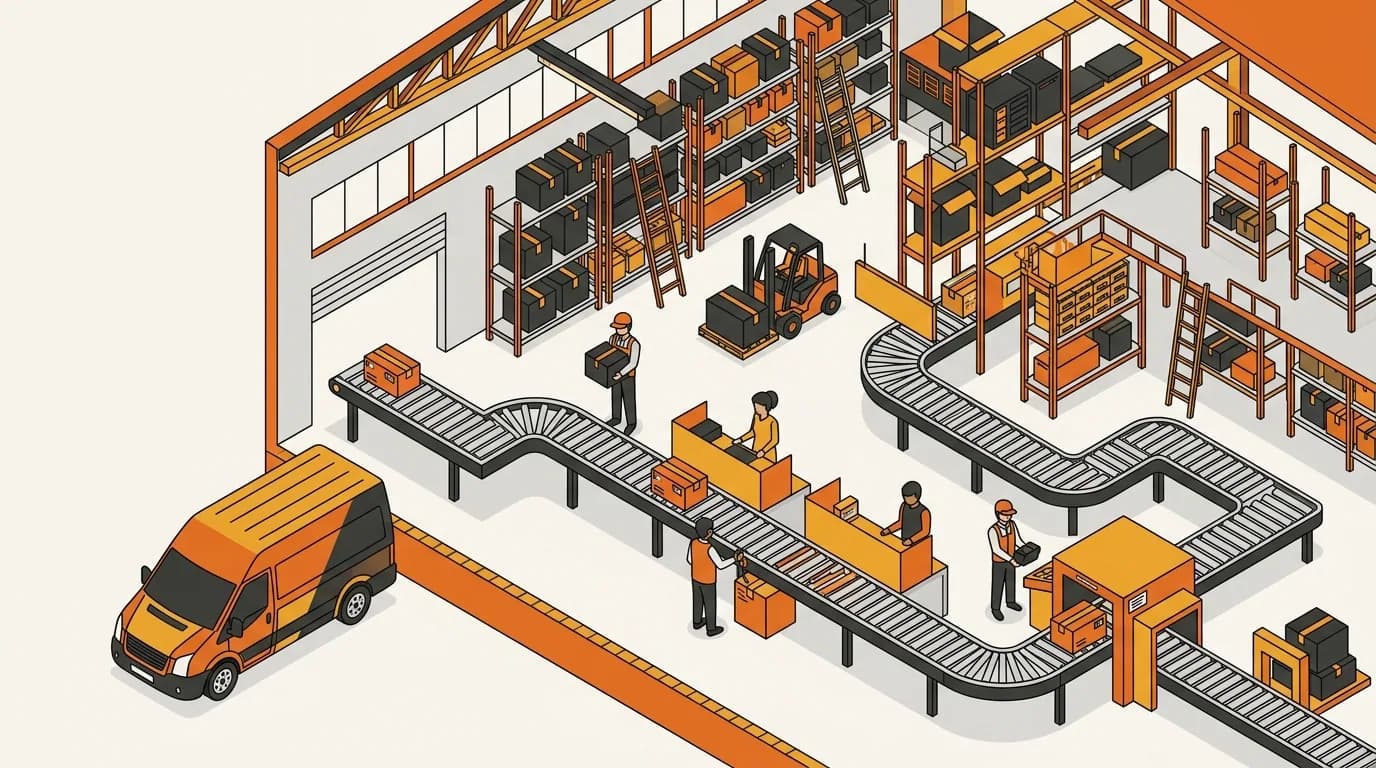
A small European brand needs a 3PL that handles more than warehousing. Coupang onboarding, KC compliance, and a Korean PDP are what actually drive sales.
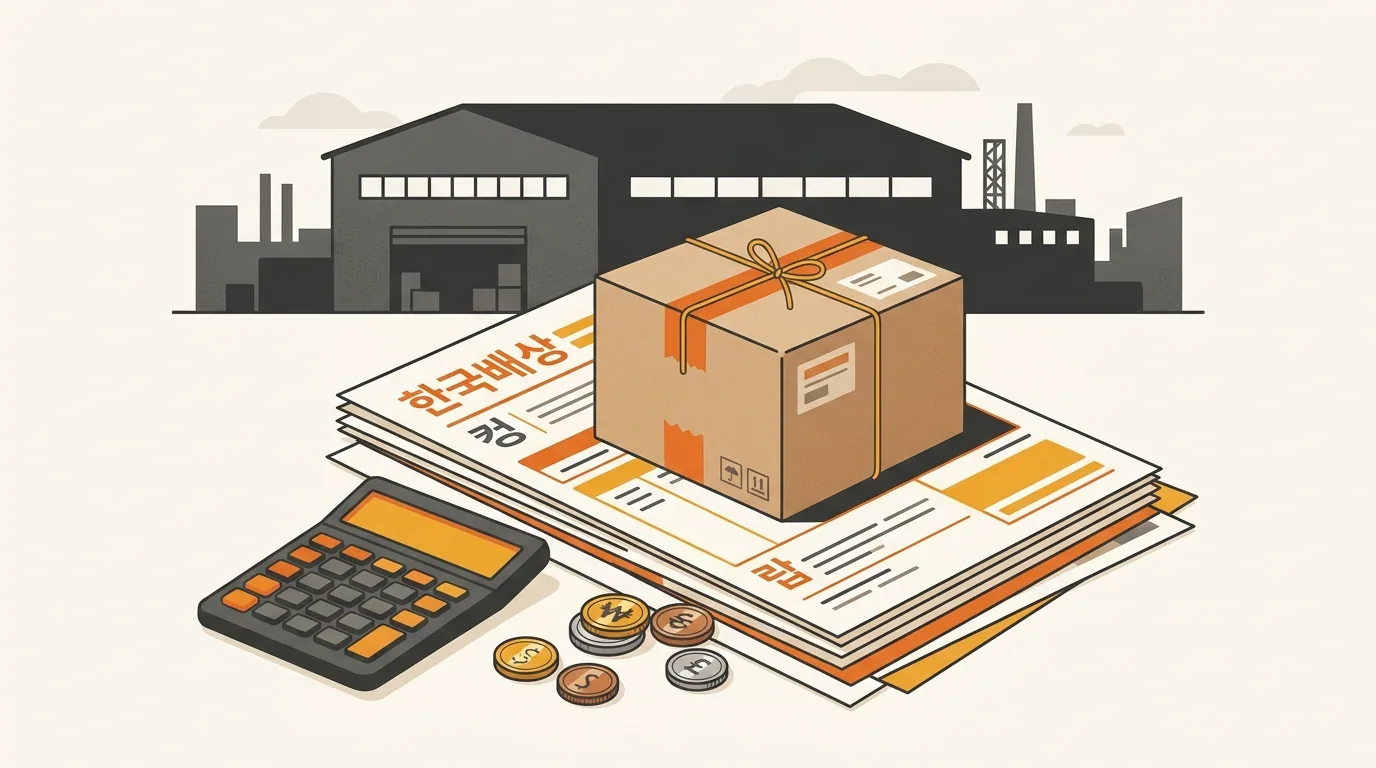
3PL setup in South Korea for a small brand is a stack: IoR, customs, Coupang onboarding, and Rocket Growth fees. Here's the real line-item breakdown.
Book a discovery call with our team and get a personalized roadmap for your Korean market entry.
Or email us directly at contact@kontactic.com