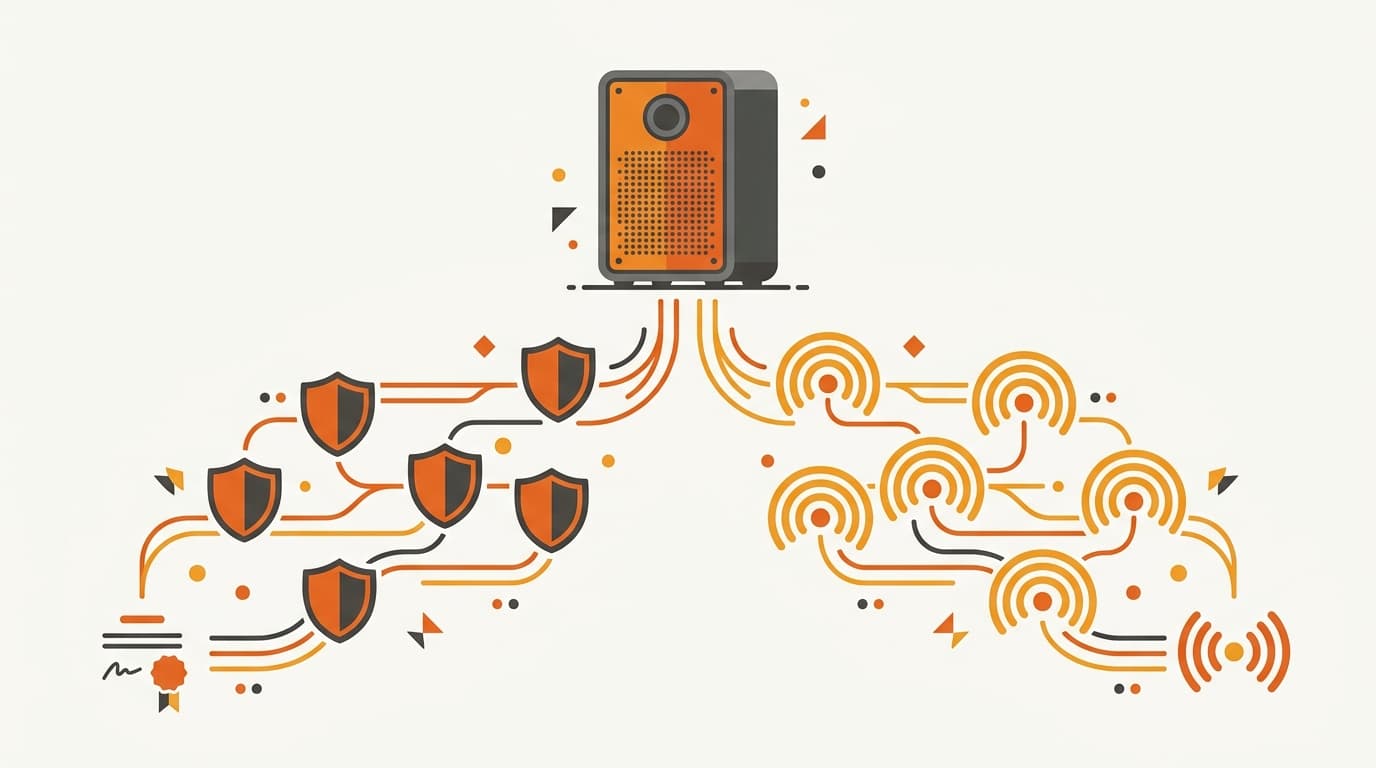
Does a Wireless Device Need Both KC Safety and EMC?
Yes — a wireless consumer device sold in Korea almost always needs both KC safety certification and KC EMC/RF conformity, because Korea's "KC" is not a single certificate but an umbrella mark covering two separate regimes run by two different authorities under two different laws. Product safety sits under one track; radio and electromagnetic conformity sit under another. A Bluetooth speaker, a smart plug, or a USB-charged gadget can trigger both — and missing either one gets the shipment stopped at customs.
That split is the single most expensive misunderstanding Western electronics brands carry into Korea. "We got the KC mark" usually means one process finished, not both. Below is how the two tracks divide, which one your product falls into, and why so many wireless products hit both checkpoints.
KC is one mark, two regimes
The short answer is that "KC" (Korea Certification) is a shared conformity mark, not a single approval. Two distinct legal frameworks decide whether your device is allowed on the Korean market, and they are administered by separate bodies.
The KC mark is an umbrella label covering two independent conformity regimes: product safety (electrical and consumer safety) and radio/EMC conformity (electromagnetic compatibility and radio frequency). The same physical mark can represent one, the other, or both — so seeing "KC" on a competitor's product tells you nothing about which tracks it actually cleared.
The safety track is governed by the Electrical Appliances and Consumer Products Safety Act and administered by KATS (Korean Agency for Technology and Standards, 국가기술표준원). It sorts products into risk-based tiers — from full mandatory certification for higher-hazard items down to lighter self-declaration for lower-risk ones — based on how much harm the product could cause a consumer.
The radio/EMC track is governed by the Radio Waves Act and administered by the RRA (Radio Research Agency / 국립전파연구원, with enforcement through the 중앙전파관리소). Nearly every powered electronic device has to show EMC conformity, so it doesn't interfere with other equipment. And any device that transmits radio — Wi-Fi, Bluetooth, cellular, RFID — needs RF conformity on top of that.
You can verify the underlying statutes yourself on Korea's official law portal, law.go.kr, and the scope of each regime on the KATS and RRA (국립전파연구원) sites. The point to internalize is structural: these are separate laws, separate agencies, separate applications, and often separate test timelines. Clearing one does nothing for the other.
The decision logic in plain English
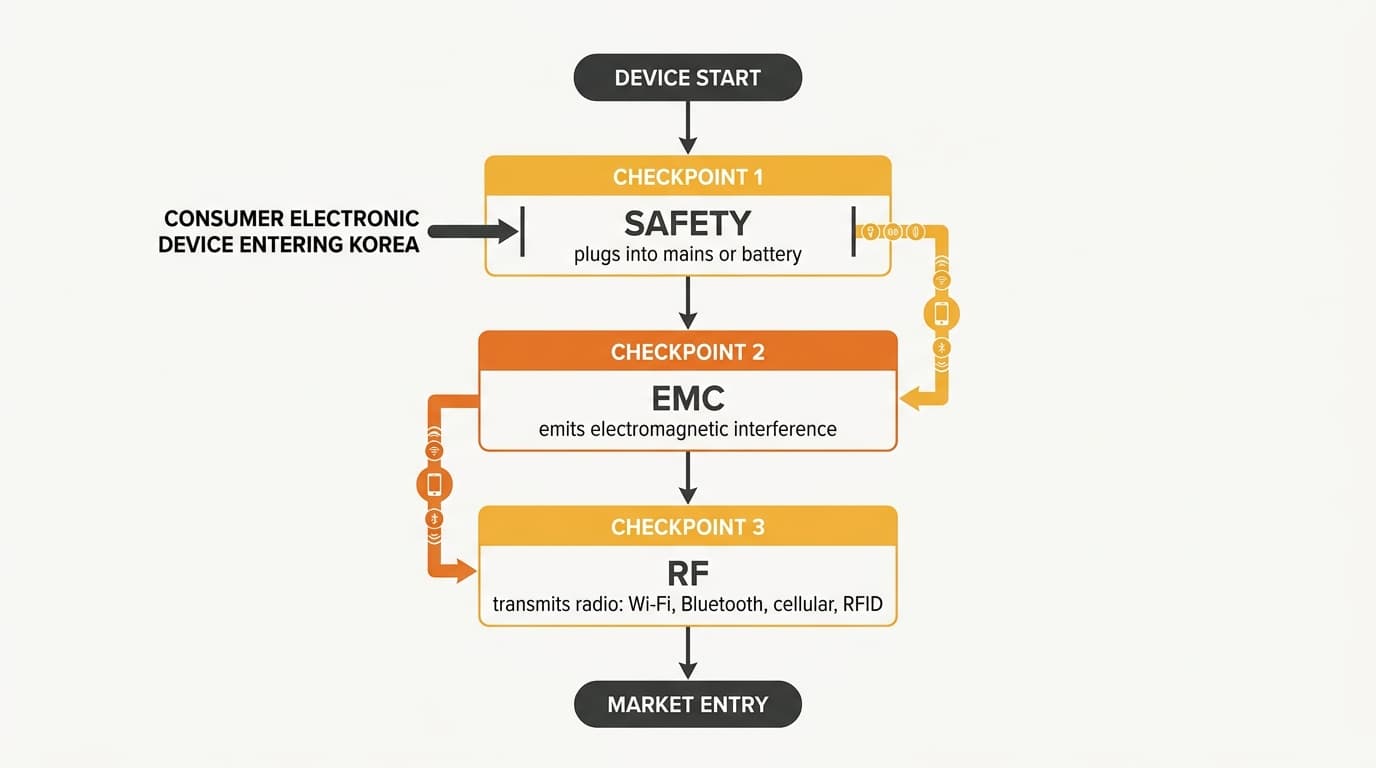
Work through three questions in order. Each one you answer "yes" to adds a checkpoint your device has to clear before it can lawfully be imported and sold.
- Does it plug into mains power or run on a battery? If so, it likely triggers the safety track — at whatever tier KATS assigns to its category and hazard level.
- Does it emit electromagnetic interference? Essentially every powered electronic does, which pulls it into the EMC portion of the radio track.
- Does it transmit radio? If it has Wi-Fi, Bluetooth, cellular, or RFID, it needs RF conformity on top of EMC.
A passive accessory with no electronics — a silicone case, a cable clip, a non-powered stand — often sits outside all three. But the moment there is a chip, a battery, or an antenna, you should assume you are dealing with two regimes, not one.
This is why so many wireless consumer products hit all three checkpoints at once. A single device passes through the safety gate, the EMC gate, and the RF gate — and the two regimes behind those gates don't talk to each other. You file, test, and track each independently.
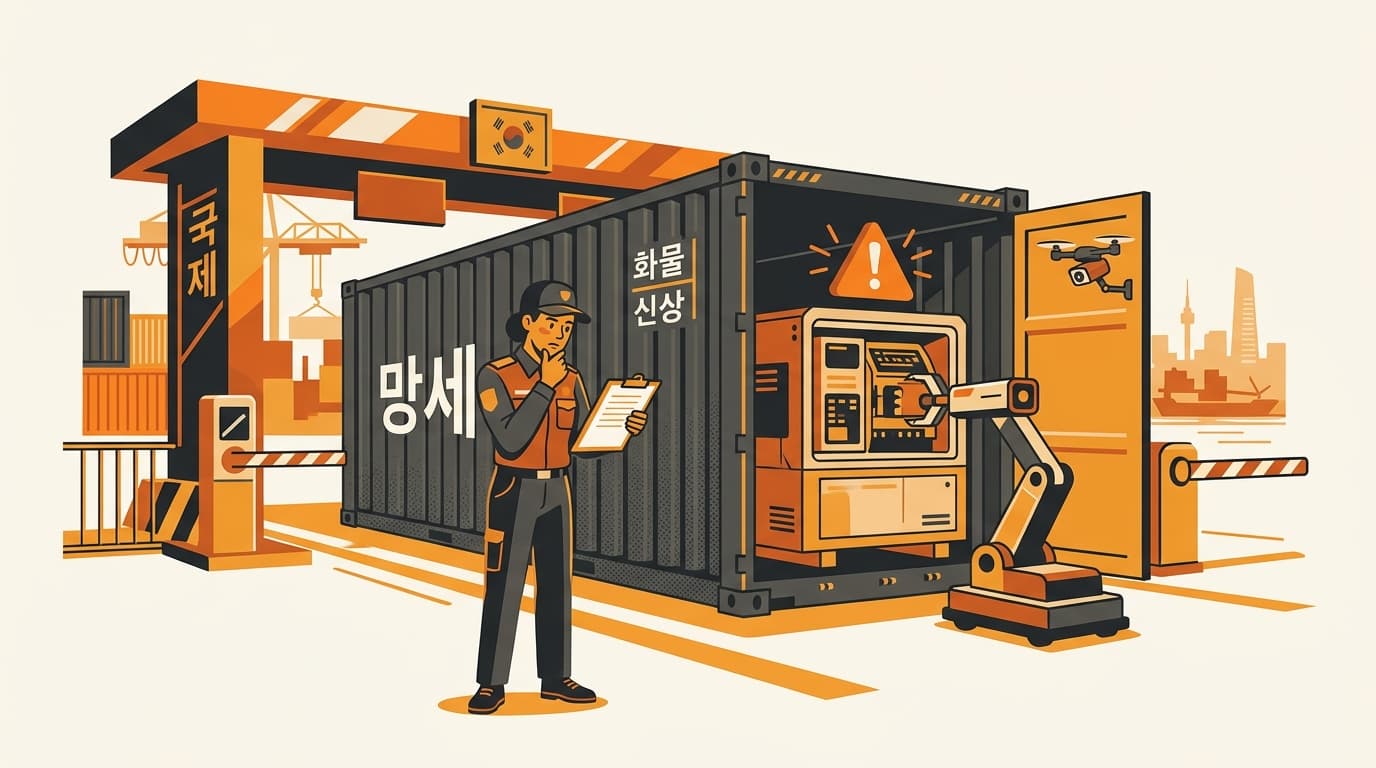
Worked examples of the two-track split
The abstract rule becomes obvious once you apply it to real products:
- A wired kitchen appliance (say, an electric kettle): safety-heavy, because it plugs into mains and can cause burns or electrical faults, plus EMC. No radio, so no RF.
- A Bluetooth speaker: safety tier (it has a battery and charging circuit) plus EMC plus RF (the Bluetooth radio). All three.
- A plug-in smart-home device (a smart plug or Wi-Fi sensor): safety (it connects to mains) plus EMC plus RF (the Wi-Fi radio). All three.
- A passive accessory with no electronics: typically out of scope for all three.
The pattern is clear: wireless connectivity tips a product from one-track into a full safety-plus-EMC-plus-RF scope. Brands that scope only the safety track — because that's the "KC certification" they've heard about — discover the radio track late, when fixes are costliest.
What the process actually looks like
At a high level, both tracks follow the same shape, but you run them in parallel through different authorities:
- Identify the applicable tiers for your product under each regime — which safety tier KATS assigns, and whether you need EMC-only or EMC-plus-RF on the radio side.
- Appoint a Korea-based certificate holder where the regime requires a local applicant, since foreign entities generally cannot hold the certification directly.
- Submit product samples to a designated Korean test lab for each applicable test.
- Obtain the certification or registration numbers for each track.
- Mark the numbers on the product and Korean-language labeling so they're present at import and at point of sale.
Why timeline matters so much
Timelines vary by product complexity and lab queue, which is exactly why certification should be treated as a lead-time item, not a last step. When both tracks apply, the safety and radio tests can sometimes run in parallel — but they are separate applications with separate queues, so the slower of the two sets your real date. In some cases a foreign test report can support the Korean filing, which is worth checking early; for one common scenario, see when a foreign EMC report is enough for USB and battery devices.
“The expensive mistake isn't failing a test — it's discovering the second regime after your inventory is already on the water.”
Kontactic — Managed Market Entry Operator
What happens if you skip a track
Here is the part that turns a paperwork question into a business risk. KC-scope electronics without valid certification are treated as non-compliant imports. They can be held or refused at the border by the Korea Customs Service (관세청) — and non-compliant goods cannot be lawfully sold in Korea regardless.
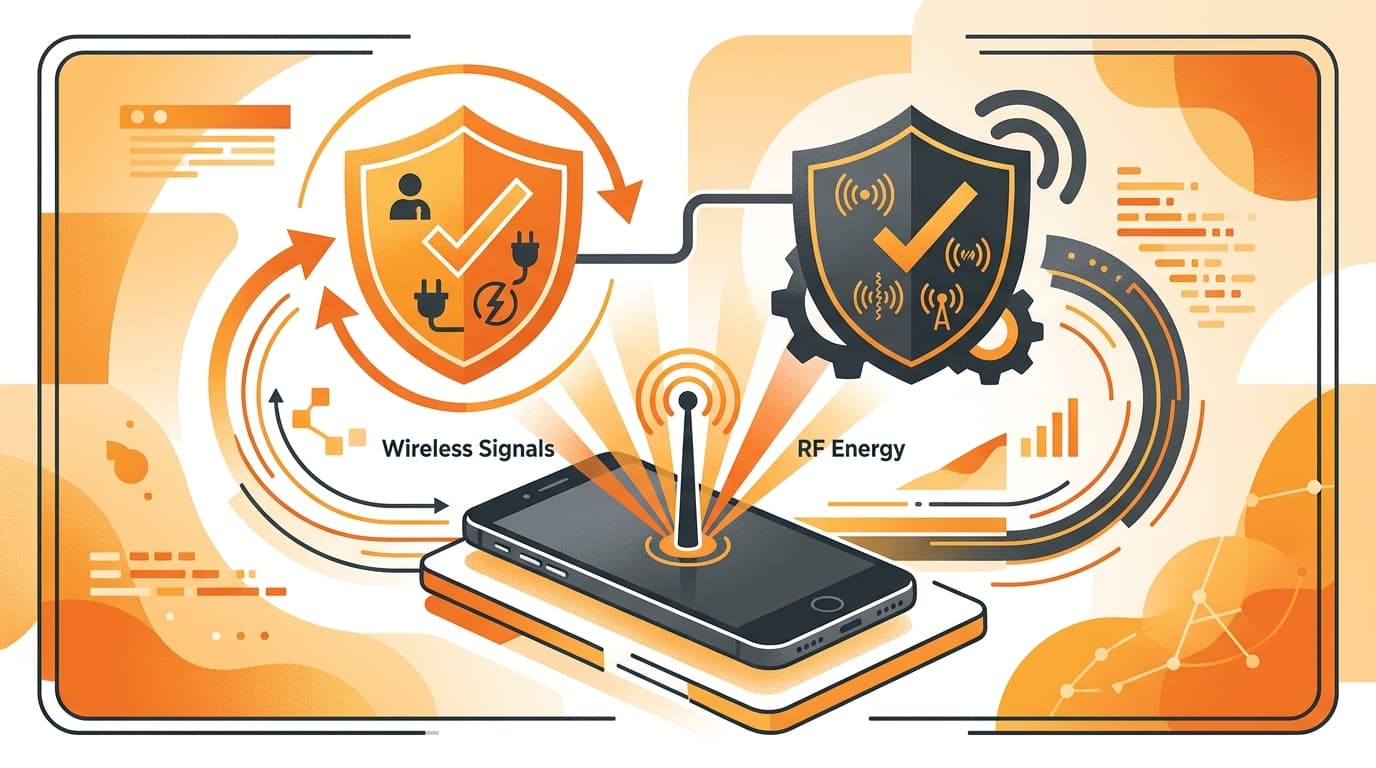
The failure mode is what makes it costly. You commit to a production run, book freight, plan a launch, and then a Wi-Fi sensor gets stopped because you cleared the safety track but never filed the RF conformity. The inventory is already in transit or sitting in a bonded warehouse, the launch calendar is set, and the fix — a new application to a different authority with its own lab queue — runs on a timeline you no longer control. Certification also determines whether your listing survives platform review once you're selling; a certificate is necessary but separate from being able to sell, as we covered in how KC certification and Coupang actually interact.
Common questions
Is KC certification one thing or several? Several. "KC" is an umbrella mark. For electronics, the two regimes that matter most are product safety (under KATS) and radio/EMC conformity (under the RRA). A given product may need one or both.
Does every powered device need EMC? Nearly all of them do. EMC conformity is required broadly for powered electronics so they don't interfere with other equipment. Whether a specific model needs RF conformity on top depends on whether it transmits radio.
Does a Bluetooth or Wi-Fi product always need RF conformity? If it transmits radio — Bluetooth, Wi-Fi, cellular, RFID — it needs RF conformity, on top of EMC and whatever safety tier applies. That's the "all three" case.
Can a foreign entity hold the certification? Often not directly. Several regimes require a Korea-based applicant or certificate holder, which is part of why brands appoint a local party for the filing.
Where can I verify the rules myself? Start with the statute text on law.go.kr, then check product scope against the KATS (safety) and RRA / 국립전파연구원 (radio/EMC) sources, and the Korea Customs Service for import-compliance handling.
Scope both KC tracks before you commit inventory
Not sure whether your device triggers safety, EMC, RF — or all three? Talk to Kontactic and we'll help you map both regimes before you order production.
About the author
Korean and global e-commerce operators with 15+ years of cross-border experience, led by CEO Isaac Lee — KOTRA-certified consultant and official lecturer for Seoul City and the Korea Customs Service. We run Korea market entry for Western brands every day; this blog documents what we learn in the field.
More about Kontactic →Related Articles
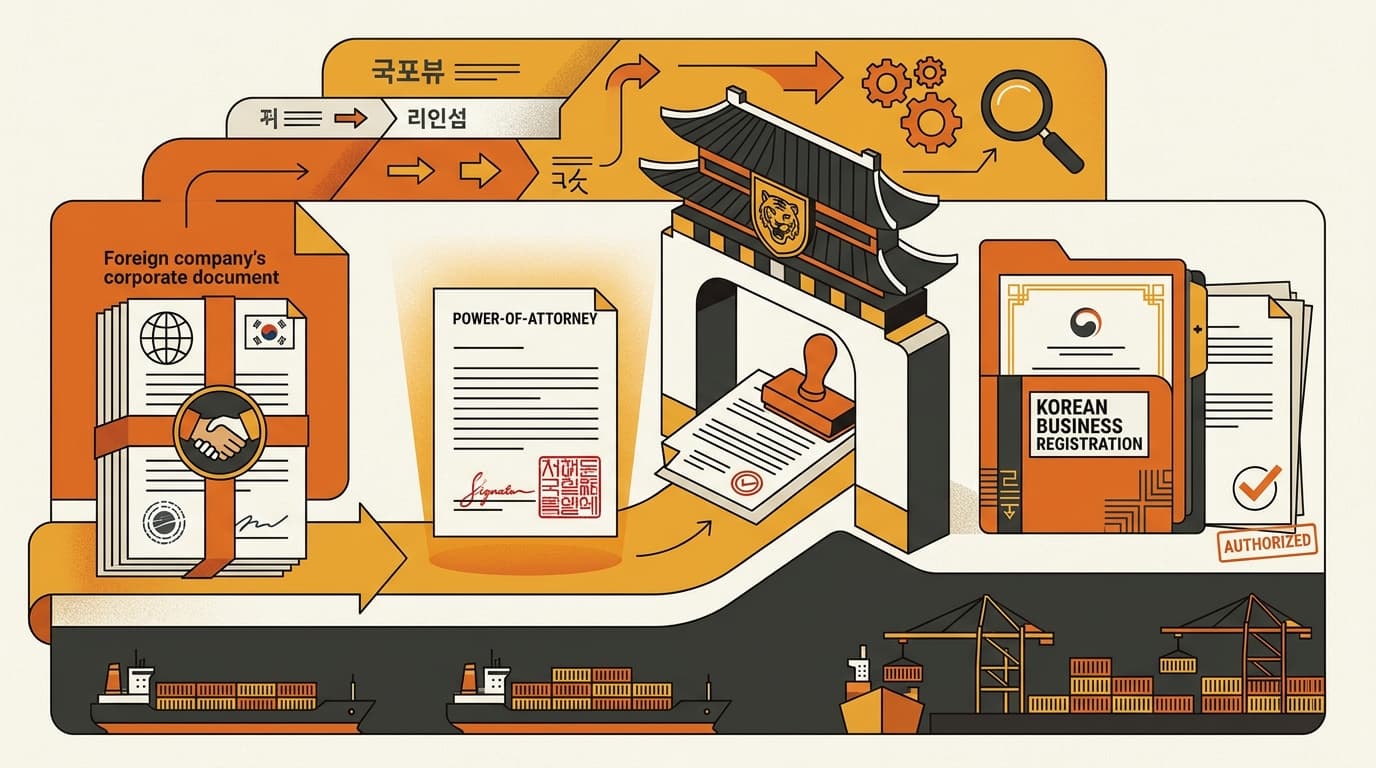
Korean Importer Registration: Why a POA Is Not Enough
A power of attorney cannot establish Korean importer registration; corporate-authority proof and Korean importer records are still required for the filing.
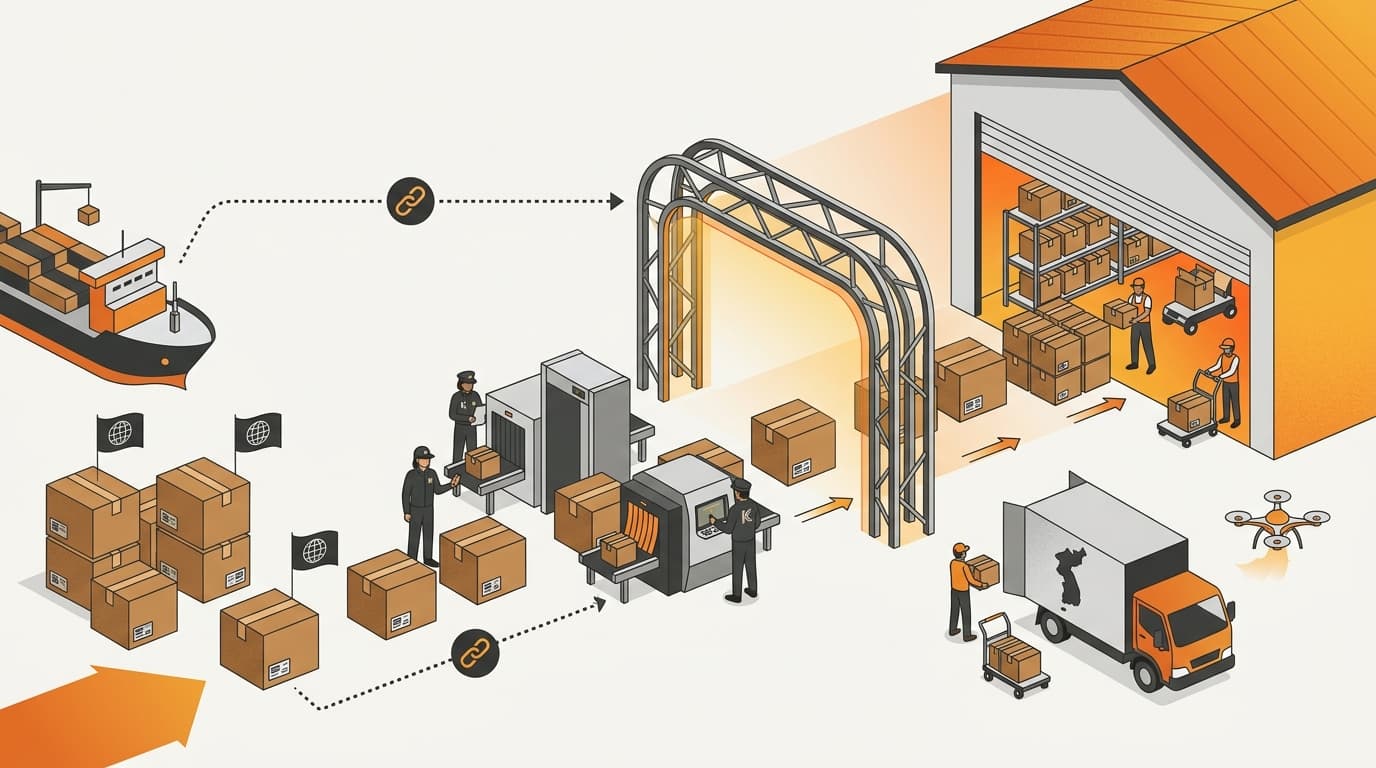
Can You Delay Korea Import Duty on Consignment Stock?
No. Korea import duty and import VAT are normally assessed when consignment stock is cleared for domestic circulation, not when a Korean customer buys one unit.

Children’s Product KC: Does “Ages 13+” Avoid the Rules?
No. In Korea, “Ages 13+” is only one factor; design, intended use, packaging, and child-directed marketing can still trigger children’s-product KC rules.