Is Your Whitening Serum a Functional Cosmetic in Korea?
The short answer is yes — if your serum, cream, or moisturizer claims skin whitening, wrinkle improvement, or UV protection, Korea's Ministry of Food and Drug Safety (MFDS / 식약처) classifies it as a functional cosmetic (기능성화장품), and it needs a pre-market functional review or reporting before it can legally be sold. The trigger is the effect you claim, not the product form. The exact same cream is a general cosmetic if you stay silent on those effects and a functional cosmetic the moment your label or listing promises them.
That distinction sets your entire launch path. General cosmetics skip the functional review; functional cosmetics do not. Getting the classification wrong means either an illegal listing that gets taken down, or months of avoidable delay while you scramble to substantiate a claim you already published.
The core split: effect claimed, not product form
Korea's Cosmetics Act (화장품법), administered by the MFDS, divides cosmetics into two lanes: general cosmetics and functional cosmetics (기능성화장품). The dividing line is the physiological effect the product is marketed as having — not its texture, packaging, or ingredient list on its own.
This is the part Western brands consistently misread. In most home markets, "cosmetic" is one regulatory bucket and "drug" is another, with a wide gap between them. Korea inserts a middle tier. A moisturizer that just says "hydrating" stays general. The same moisturizer, once it says "brightens" or "reduces the appearance of fine lines," moves into the functional lane and inherits an extra review step.
Functional cosmetic (기능성화장품) — a cosmetic that claims one of the specific effects recognized under Korea's Cosmetics Act (such as whitening, wrinkle improvement, or sun protection) and therefore requires MFDS functional-cosmetics review or reporting before sale. The claim creates the classification; the formula alone does not.
Because the claim is what triggers the lane, you have more control than you might expect. You are not stuck with a classification handed to you by chemistry — you choose it, deliberately or accidentally, through your marketing copy.

The claims that push you into the functional lane
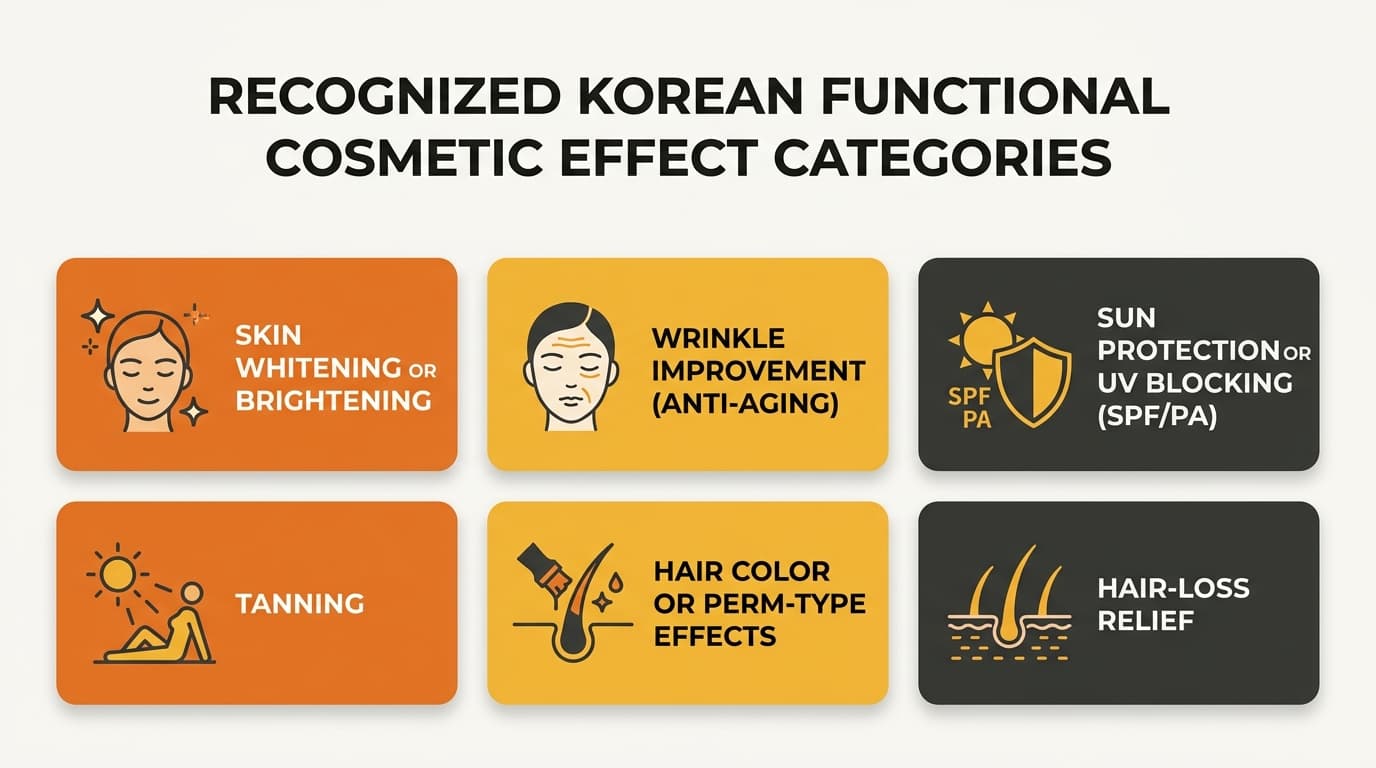
If your product makes any of the following effect claims, you are almost certainly in the functional lane and should plan for MFDS review or reporting:
- Skin whitening / brightening — claims about lightening tone or reducing pigmentation
- Wrinkle improvement (anti-aging) — claims about reducing or improving wrinkles
- Sun protection / UV blocking (SPF/PA) — any product carrying an SPF or PA rating
- Tanning — products marketed to darken or tan the skin
- Hair color or perm-type effects — products that dye or chemically alter hair structure
- Hair-loss relief — claims about mitigating hair loss or thinning
Sunscreen is the one that catches brands off guard most often. An SPF moisturizer or an SPF makeup base is not a "general cosmetic with a bonus" in Korea — the SPF/PA rating itself is a functional claim, so a daily SPF cream sits in the same regulatory tier as a dedicated whitening serum. If your hero product carries a sun-protection number on the front of the pack, treat it as functional from day one.
Beyond these headline categories, the MFDS maintains additional defined effect claims that fall under the functional umbrella. The safe operating assumption: if a claim promises a measurable change to the skin or hair — not just care, cleansing, or fragrance — check whether it lands in a functional category before you write the listing.
What "functional" actually requires
Functional classification adds a step that general cosmetics never touch: a pre-market functional-cosmetics review or reporting with the MFDS to substantiate the claimed efficacy and safety before the product goes on sale.
In practice, this means you cannot simply translate your Western claim and publish it. The claimed effect has to be supported through the MFDS process — either a full review or, for certain established ingredient-and-effect combinations, a lighter reporting route. Both take documentation and time that a general cosmetic does not spend. Two brands can ship the identical cream and reach the market weeks or months apart purely because one claimed "brightening" and the other did not.
This is why the classification decision is a timeline decision, not just a legal one. A general-cosmetic positioning is the faster path to a live listing. A functional positioning is slower but is the only lawful way to sell on a whitening, anti-wrinkle, or SPF story — which is often the exact positioning that made the product sell at home. There is no shortcut that lets you keep the strong claim and skip the review.
“The same cream reaches the Korean market weeks apart depending on one word in the claim. Classification is a timeline decision before it is a legal one.”
Kontactic — Market Entry Operators, Korea
The claims trap: your labeling and listing can reclassify you silently
Here is the failure mode that catches foreign brands. You register and launch as a general cosmetic to move fast — but your Western packaging still says "anti-wrinkle," or your Korean Coupang listing leans hard on "브라이트닝" (brightening) copy to compete. That claim silently reclassifies the product. You are now selling a functional cosmetic without having completed the functional process.
Two surfaces create this exposure:
- Physical labeling — the Korean-language label and any effect wording carried over from your original packaging must match the classification you actually hold.
- Listing copy — the product title, detail page, and marketing text on your Korean storefront count too. An aggressive Korean listing written to convert can push you out of the general lane even when your registered label is clean.
The fix is boring but firm: your Korean-language labeling and your listing copy must both stay inside the classification you registered. If you want the strong claim, do the functional review first. If you want speed, keep the claim general everywhere — including the marketing copy your local team writes to compete on Coupang. This is one reason localizing a Korean product detail page is a compliance problem, not just a translation problem: the words that convert are often the same words that reclassify you.
The building blocks that apply either way
Whichever lane you choose, several obligations apply to any cosmetic sold in Korea. These are not functional-specific — they are the baseline for placing beauty product on the market at all:
- Korean-language labeling — mandatory label content in Korean, including required disclosures, regardless of classification.
- Restricted and prohibited ingredient rules — Korea maintains its own lists of banned and use-limited cosmetic ingredients, which do not always match EU or US lists. A formula that is legal at home can contain an ingredient restricted in Korea.
- The responsible-distributor obligation (화장품책임판매업자) — a foreign brand cannot self-distribute cosmetics into the Korean market. You need a licensed responsible-distribution entity established in Korea to legally place product on the market and carry the associated obligations.
That last point deserves emphasis. Even the fastest, cleanest general-cosmetic path still requires a Korean responsible-distributor to be in place. The functional review, when it applies, sits on top of this baseline rather than replacing it. If you are weighing who holds these roles and what they cost, our breakdown of how to scope and price the Korea cosmetics Importer of Record and Responsible Person roles walks through how they split, and the IoR path for selling skincare in Korea without your own entity covers the entity question underneath it all.

Common questions
Does an SPF moisturizer really count as functional in Korea? Yes. The SPF/PA rating is itself a recognized functional claim under the Cosmetics Act, so a daily SPF cream is treated as a functional cosmetic — the same tier as a dedicated whitening or anti-wrinkle product.
Can I launch general and add the functional claim later? You can launch general and complete the functional process afterward, but you cannot make the functional claim until that process is done. Publishing "whitening" or "anti-wrinkle" copy before completing the review means you are selling a functional cosmetic without authorization — on both your label and your listing.
Where can I verify the classification rules myself? The governing statute is Korea's Cosmetics Act (화장품법), whose text is published on the national law portal law.go.kr, and the classification and review procedures are administered by the MFDS (식약처). Those are the primary sources to confirm current categories and requirements — not third-party summaries.
If I keep every claim general, do I still need a Korean entity in the loop? Yes. The responsible-distributor obligation (화장품책임판매업자) applies to general cosmetics too. Skipping the functional review does not remove the need for a licensed responsible-distribution entity in Korea.
Not sure which lane your beauty product falls into?
Talk to Kontactic about classifying your claims, planning the MFDS review timeline, and putting the right Korean responsible-distributor in place before you launch.
About the author
Korean and global e-commerce operators with 15+ years of cross-border experience, led by CEO Isaac Lee — KOTRA-certified consultant and official lecturer for Seoul City and the Korea Customs Service. We run Korea market entry for Western brands every day; this blog documents what we learn in the field.
More about Kontactic →Related Articles
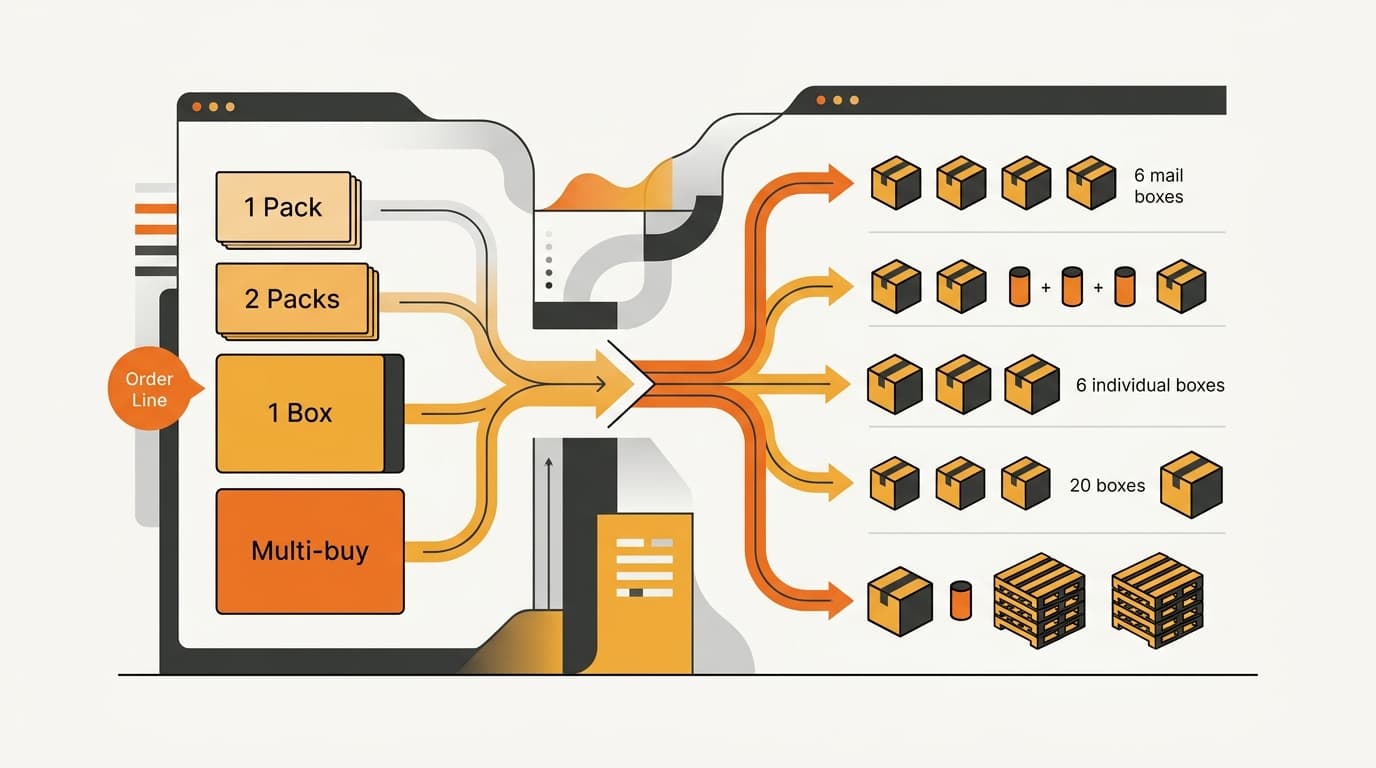
Coupang Order Lines: One Line Is Not One Unit
A Coupang order line can represent a generated quantity option, so your connector must map it to a base SKU and physical quantity before stock movement.
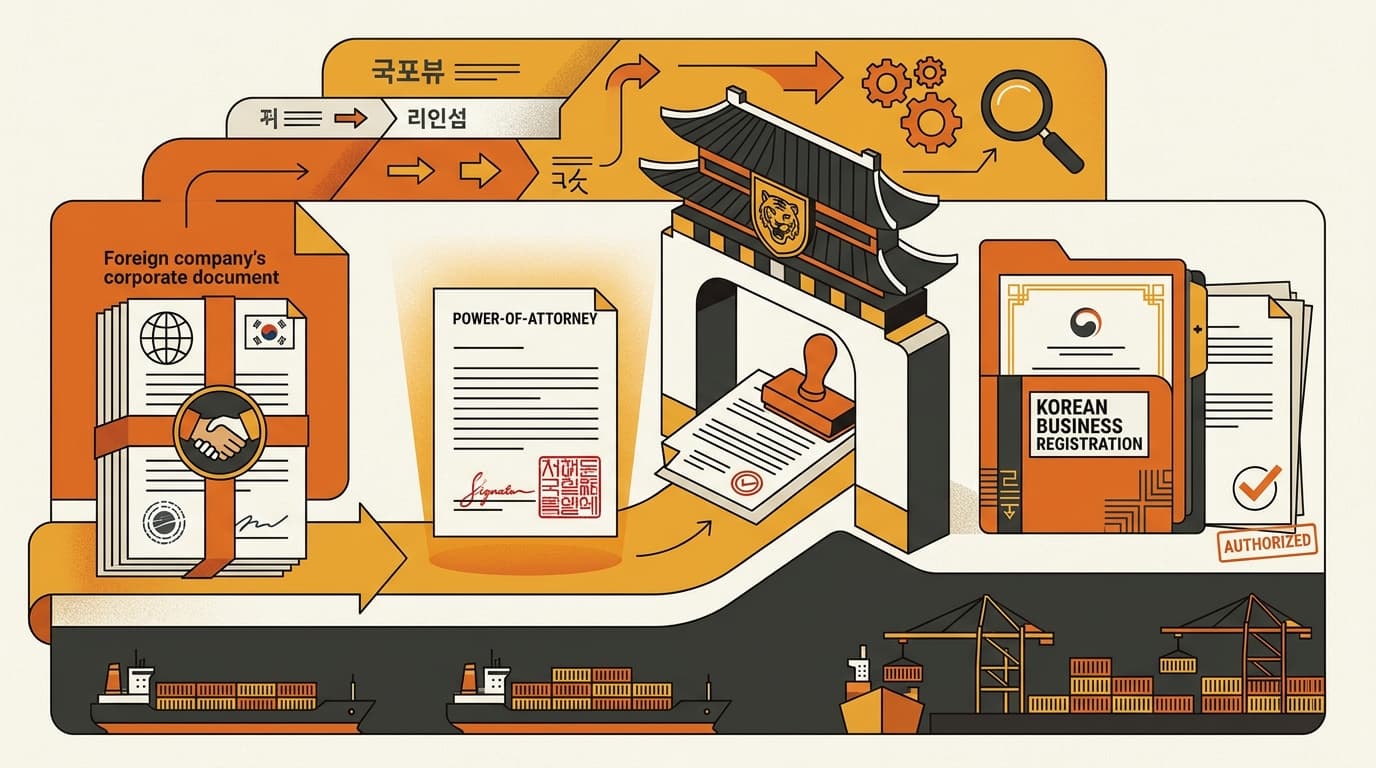
Korean Importer Registration: Why a POA Is Not Enough
A power of attorney cannot establish Korean importer registration; corporate-authority proof and Korean importer records are still required for the filing.

Can You Delay Korea Import Duty on Consignment Stock?
No. Korea import duty and import VAT are normally assessed when consignment stock is cleared for domestic circulation, not when a Korean customer buys one unit.