
Rocket Growth Inbound Minimums and Real Lead Times
Rocket Growth (로켓그로스) lets you inbound as little as a single unit per SKU — Coupang's own seller onboarding materials say so explicitly. So if you are searching for "Rocket Growth inbound minimums and lead times," the honest answer is that the warehouse is not the constraint. The constraint is everything upstream: the entity on the import docs, KC certification where required, a Korean-language PDP that converts, and alignment with Coupang's algorithm for new SKUs. None of those happen inside your warehouse.
This article keeps the useful basics — what Rocket Growth actually accepts inbound, how lead times compose, what Coupang changed in 2025 — and then walks through the four upstream decisions that determine whether inbounding makes sense at your current production volume.
What Rocket Growth actually requires inbound
The short answer is: very little, on paper.
Per Coupang's published Rocket Growth introduction, sellers can inbound products in small quantities, "even if it's just one." There is no formal carton minimum, no pallet minimum, and no SKU velocity threshold required to get a SKU into the network. Inventory available for sale is entered before product approval at initial registration, and replenishment is driven by your own forecast plus Coupang's recommendations.
That is the part most search results stop at. It is also misleading on its own, because the economics of inbounding one unit are terrible once you stack the per-SKU fixed costs of getting a foreign-brand product into Coupang at all.
Coupang's stated inbound minimum is one unit. Your real per-SKU minimum is whatever quantity makes the upstream fixed costs — KC, IoR, PDP, listing — pay back inside your planning horizon. That number is almost never one.
The realistic per-SKU inbound starting quantity for a new foreign brand is the volume that covers roughly 6–12 weeks of forecast demand at a defensible Korea ASP, given how long it takes Coupang's catalog to settle a new listing into stable organic placement. Below that, the storage and handling fees per unit start to dominate; above that, you are pre-funding inventory before you have demand evidence. We have written separately about how those fees flow in How Coupang IoR and 3PL Change Your Korea Margins.

The 2025 policy stack you are inbounding into
Before you decide to inbound, it is worth understanding what kind of Rocket Growth network you are entering in 2025–2026. Three Coupang policy changes in 2025 reset the unit economics of inbound and returns, and they materially affect how much buffer stock you want to send in the first wave.
We covered the full sequence in Three Coupang Policy Changes That Reset Rocket Growth Margins. The relevant point for inbound planning is that Coupang lowered the evidence-required threshold for inbound discrepancies and CVR (쿠팡확인요청) claims from KRW 100,000 to KRW 50,000 on July 30, 2025. Below that ticket size, the seller carries the burden of proof.
In practice, this means two things for your first inbound. First, ship in case-pack configurations that are easy to count on receiving, with carton-level barcodes and a documented pre-shipment count. Second, do not optimize the first inbound for "as much as possible" — optimize it for "enough to learn from, with clean documentation at every handoff." A clean first inbound is worth more than a large one.
Cross-border vs local: are you sure you want to inbound yet?
A common question at the consideration stage is whether to inbound now or test the SKU mix first. If you are still unsure about Korean demand, cross-border fulfillment from your home warehouse — paying freight and duty per order — is often a cheaper way to test the SKU mix before you commit to inbound minimums of any kind. If you already have a base in Korea — a partner, an entity, or orders you can see — going local from day one is a reasonable choice.
The trade-offs are not subtle. Cross-border keeps your inventory liquidity at home, but it locks you out of Rocket-badged delivery, slows shipping to 5–10 days, and caps conversion. Local fulfillment via Rocket Growth fixes all of that but front-loads entity, IoR, KC, and pre-funded inventory. Per-unit margin typically drops while order volume climbs — usually by something like 8–10× — when a brand moves from cross-border to local.
We laid the framework out in Rocket Growth vs. Cross-Border Selling in Korea: An Operator's Decision Framework, and the economics-only view in Local vs Cross-Border Korea Fulfillment: Cost Math. The short version: if you are doing fewer than roughly 100 cross-border orders per month into Korea, the inbound conversation is usually premature unless you have chosen to go local from day one. If you have not, firm up the demand signal first.
KC certification and product compliance: the real long-pole
For most product categories that a Western brand wants to sell on Coupang, the longest lead time in the entire entry sequence is not freight, not customs, and not Coupang onboarding. It is KC certification (KC 인증), where applicable.
KC scope is category-specific. Electrical products powered above safe extra-low voltage, EMC-emitting devices, children's products, kitchen items in contact with food, and several other categories carry mandatory testing and registration before the goods can clear customs or be listed for local sale. We have walked through the implications for different category mixes in KC Certification and Coupang: A Korean Entity? and in the home-goods specific Coupang Launch Timeline: Home Goods & KC Certification.
Two operational realities matter for inbound planning:
- KC testing slots, sample shipment, and report turnaround compose most of the calendar — typically months, not weeks, depending on category and lab queue. Inbound cannot start until certification is in hand for in-scope SKUs.
- KC is per-model, not per-shipment. Once a SKU is certified, the marginal cost of inbounding additional units is just freight, duties, 10% VAT, and Rocket Growth fees. This is why per-SKU inbound minimums should be sized to recover the certification investment, not just the freight invoice.
VAT itself is straightforward — Korea applies a flat 10% rate, with the VAT portion of any VAT-inclusive revenue figure equal to 1/11 of the total. The certification investment is the part that compounds.
Localized PDP and Korean-language conversion
The other under-discussed inbound prerequisite is the product detail page. On Coupang, the PDP is not the text-based listing — that is just the title, bullets, and basic SEO fields. The PDP is the long vertical, image-heavy storytelling page that runs to roughly 20,000 pixels and does most of the conversion work for a foreign brand a Korean shopper has never heard of.
A foreign brand inbounding without a Korean PDP is paying Rocket Growth storage fees to stock a product nobody is buying. We see this fail mode often enough that we treat the PDP as part of the inbound checklist, not a post-launch enhancement.
The PDP needs to answer the same questions a Korean shopper would ask in a Naver review search before they trust an unfamiliar import: what is the brand's origin and credential story, how does the product compare to the local incumbent, what does the unboxing actually look like, and which review proof points already exist. None of that is translation work. It is local copywriting against the Korean reference set.
This is also why we wrote Operational Readiness Before Ad Spend: A Founder's Note on Sequencing Korea Entry. Inbound without a converting PDP is the same failure pattern as ad spend without a converting PDP — it burns the runway you brought in for the actual growth phase.
Coupang seller onboarding: the gates between you and the warehouse
Even with KC done and a PDP ready, there are seller-side gates before inbound can physically begin.
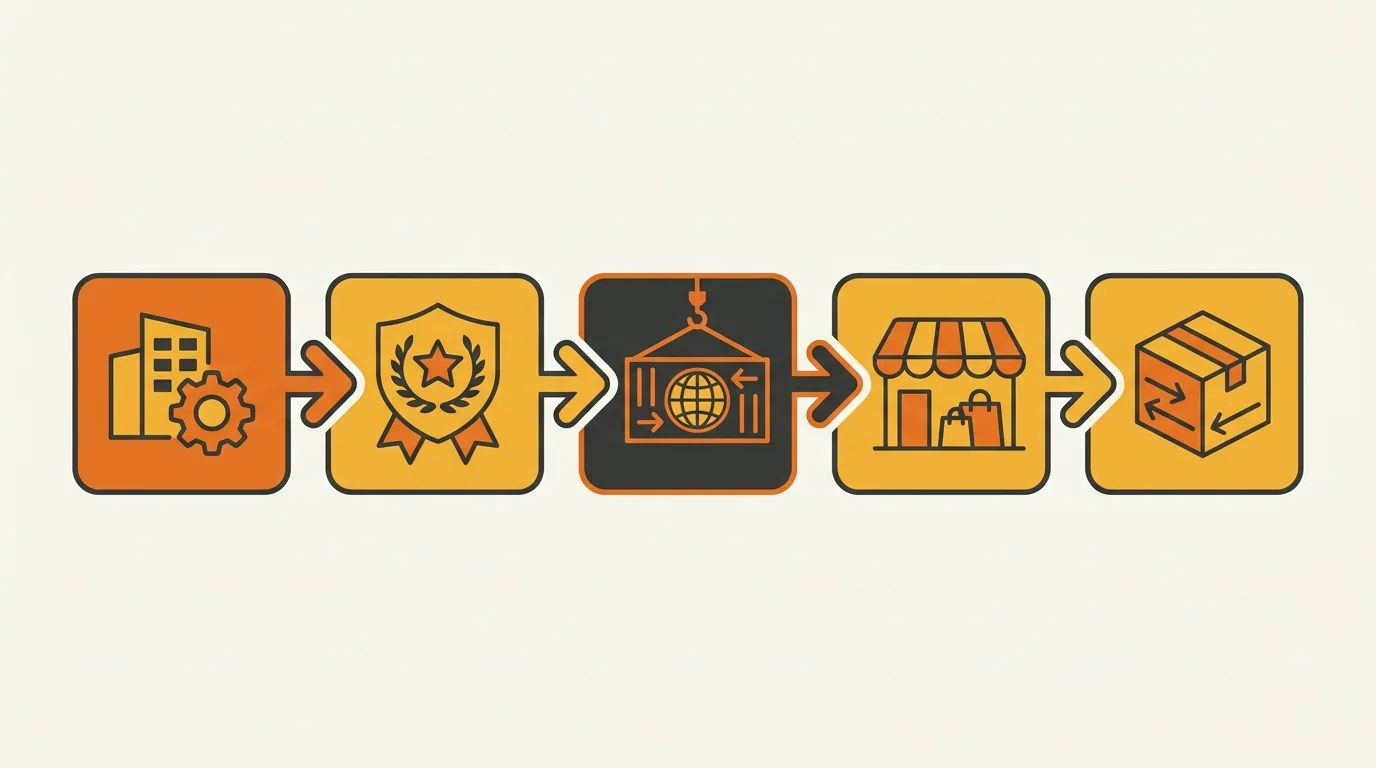
For foreign brands, the relevant onboarding sequence is roughly:
- Seller of Record entity decision. Either your own Korean limited company (유한회사) holds the Coupang account, or a partner's entity does as Importer of Record and Seller of Record. This decision determines who owns the account, who holds the cash, and who absorbs Coupang's seller-side obligations. We covered the full path map in How to Sell on Coupang as a Foreign Brand: Complete Guide.
- Coupang seller account KYC and business verification. Korean business registration certificate, banking, and tax registration must be in place.
- Rocket Growth program enrollment. Separate from the seller account itself — your SKUs need to be eligible and approved for the Rocket Growth program before they can be inbounded into Coupang's fulfillment network.
- Product registration and approval. Initial inventory is locked in before approval; you cannot adjust mid-process. Plan around what you want live on day one.
- Inbound plan creation. Only at this point does the actual carton-counting, barcode-printing, and freight-booking work begin.
Each step has its own queue. The cumulative lead time from "we want to do this" to "first carton is on a vessel" is typically measured in months for a foreign brand starting from zero, and most of those months are administrative, not logistical.
Marketing and launch sequencing
A common founder instinct is to inbound a big first wave and switch on ads on day one to "make Rocket Growth pay for itself." In our experience, this almost never works for a foreign brand the Korean market does not yet recognize.
Coupang's organic ranking on a new SKU rewards a short, dense window of clean activity — listing quality, early reviews, fulfillment performance, and conversion rate from impression. Pouring paid traffic onto a SKU before the organic baseline has settled tends to spend budget on impressions that do not convert, because the PDP, reviews, and price-position triangle are not yet in place.
A more realistic sequence:
- Weeks 1–2 post-inbound: Listing live, PDP live, basic catalog hygiene confirmed, sample orders to test fulfillment and CS path.
- Weeks 2–6: Seed review campaigns within Coupang's terms, monitor organic placement, fix any inbound discrepancy or label issues quickly before they accrue.
- Week 6 onward: Layer in paid placements (search ads, banner) only on SKUs that are already converting organically.
This sequence also gives you time to learn whether your first inbound quantity was the right one. The single best signal that you under-shipped is a stockout inside the first 8 weeks. The single best signal that you over-shipped is paying storage fees on SKUs that are not selling. At week 12, if reviews are still in single digits, that ship was too large.

So what is your actual inbound minimum?
The honest answer to the original question, in three lines:
- Coupang's inbound minimum is one unit per SKU. This is not a meaningful planning constraint.
- Your economic minimum per SKU is the quantity that covers 6–12 weeks of forecast Korea demand at a defensible ASP, sized to recover KC and PDP fixed costs inside your planning horizon.
- Your real lead time is not freight days. It is the upstream chain — entity, KC, IoR, Coupang onboarding, PDP, Rocket Growth approval — and it is measured in months, not weeks.
If you are still cross-border at low order volume and not ready to go local, keep testing demand before committing to any inbound. If you are already pulling clean Korean demand cross-border and the cross-border fulfillment ceiling is starting to bite — or you have decided to go local from day one — the right next step is to scope the upstream chain honestly — and to size the first inbound around what your PDP and review base can actually convert in the first quarter.
Plan your first Rocket Growth inbound around the real gates
We help foreign brands sequence Korean entity, KC certification, Coupang onboarding, and the first Rocket Growth inbound as one operation. Talk to Kontactic about what your first 90 days should actually look like.
About the author
Korean and global e-commerce operators with 15+ years of cross-border experience, led by CEO Isaac Lee — KOTRA-certified consultant and official lecturer for Seoul City and the Korea Customs Service. We run Korea market entry for overseas brands every day; this blog records what we learn in the field.
Meet the Kontactic team →Related Articles
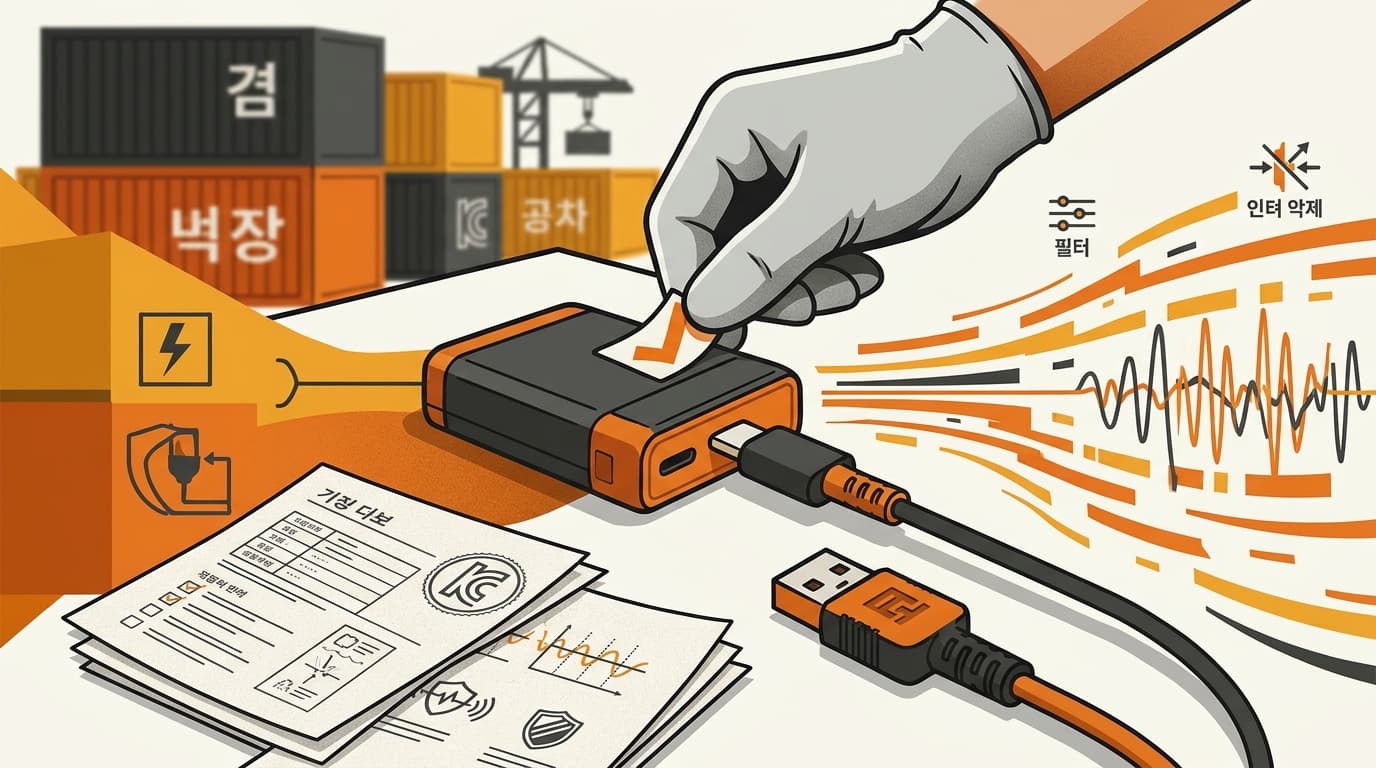
Can USB-Powered Products Avoid Korea’s KC Safety Rules?
USB power does not automatically avoid Korea’s KC rules. Learn how KATS safety review, RRA EMC checks, and customs timing affect your shipment before import.
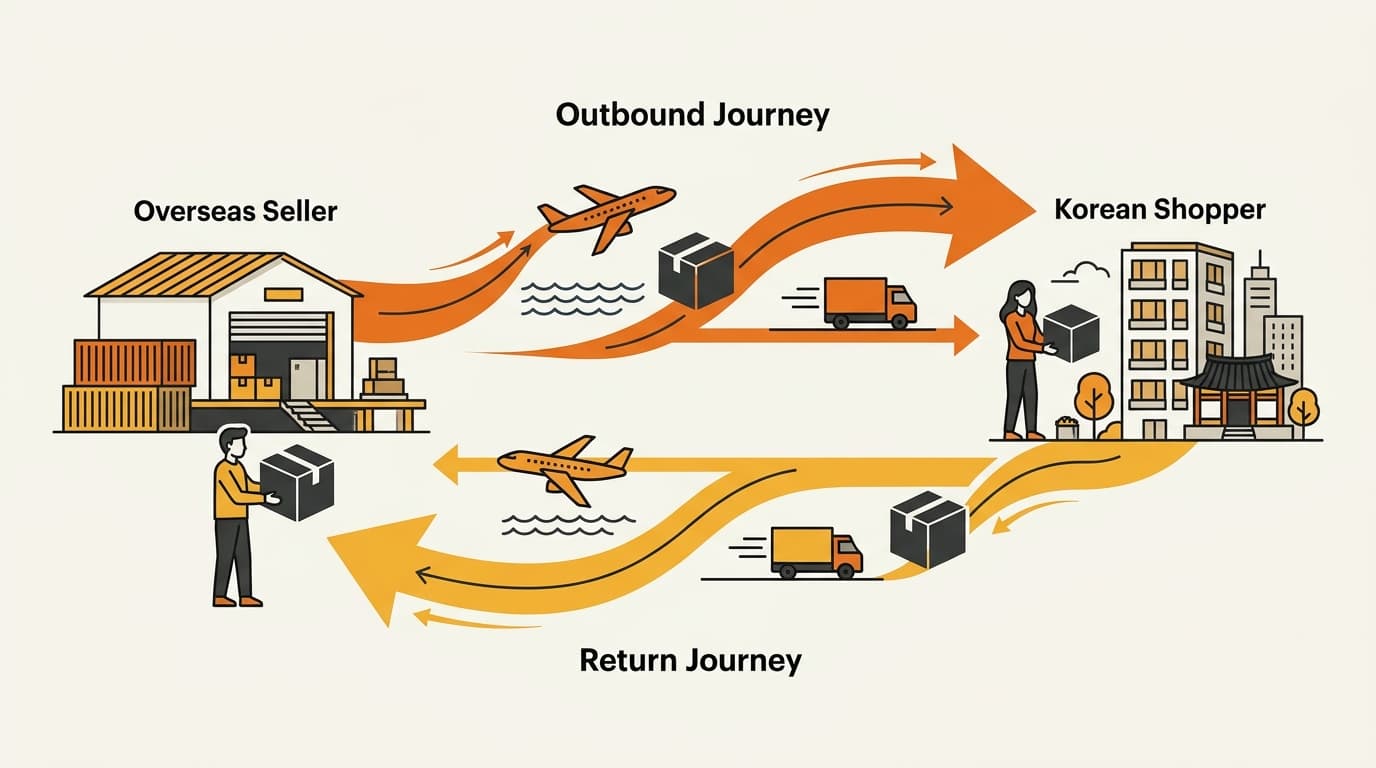
Can Coupang Buyers Pay Two Charges With Free Shipping?
On Coupang, free shipping can still leave the buyer paying two return charges: the original delivery cost and the cost of sending the parcel back to the seller.
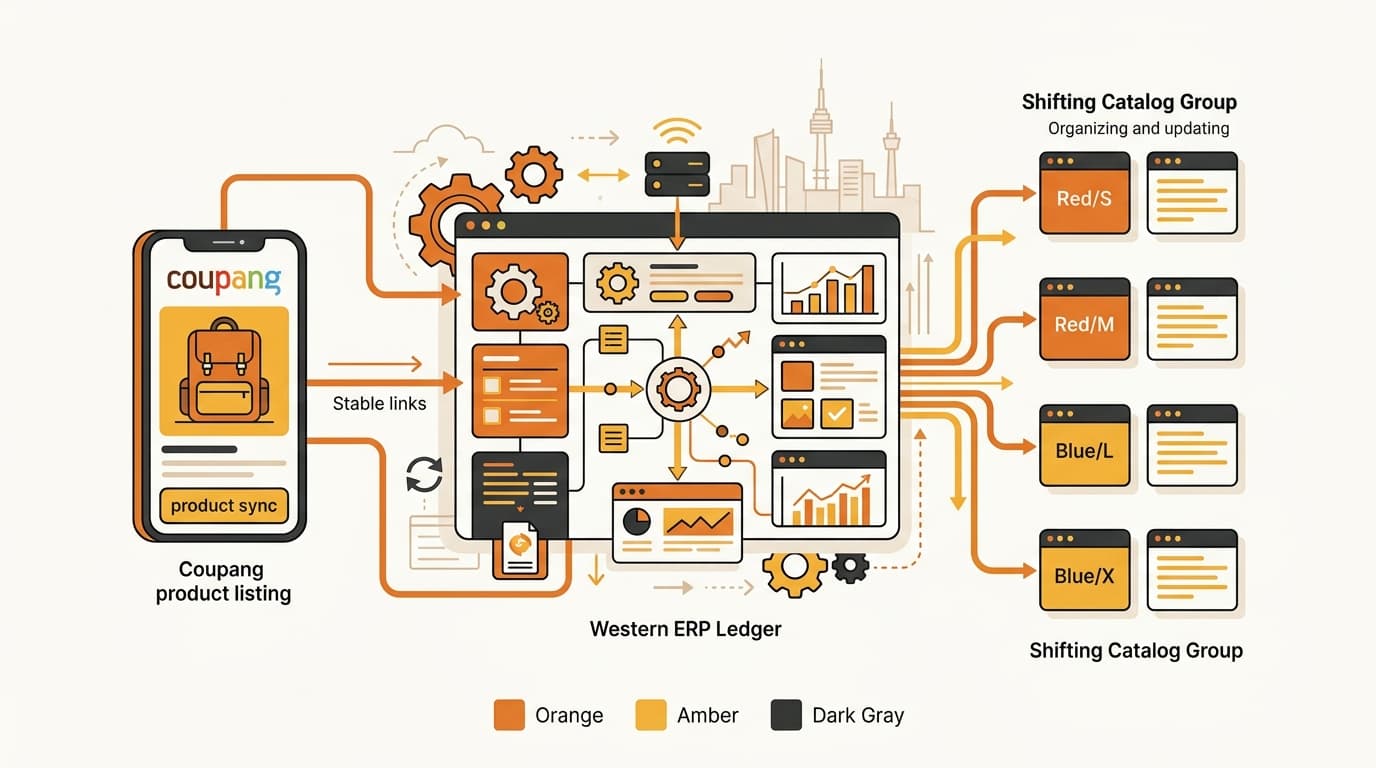
Coupang Product IDs: One ID Cannot Cover Every Variant
One Coupang product ID cannot cover every ERP variant; keep your brand SKU as the main key and map listing, option, edit, and order values to each SKU.