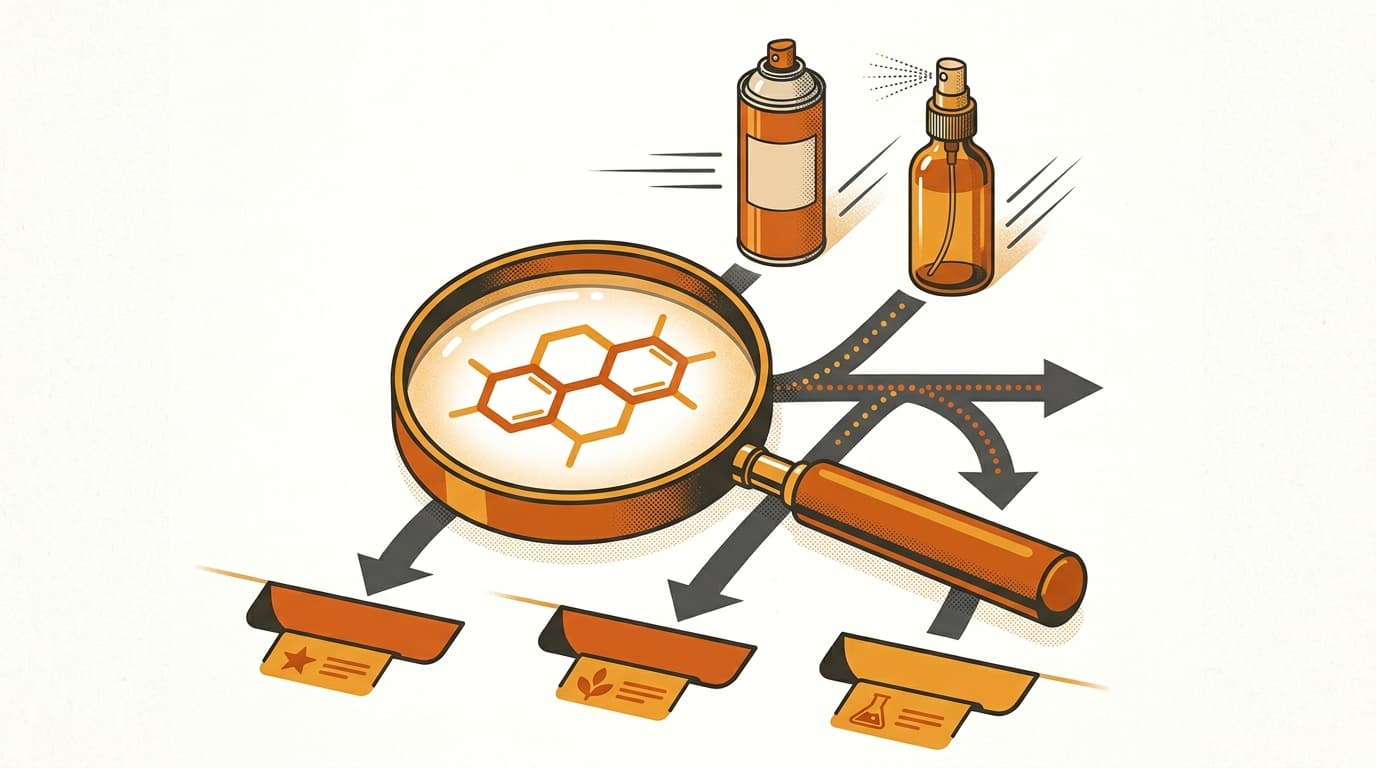
Is Your Air Freshener a "Biocidal Product" in Korea?
In Korea, whether your air freshener, cleaner, or repellent counts as a regulated biocidal product depends on one thing: whether it contains or relies on a biocidal active substance to kill, repel, deter, or disinfect a living organism. The shelf category on your website — "deodorizer," "fabric spray," "cleaner" — does not decide this. Function does. If the product acts on bacteria, mold, insects, or mites, Korea's Household Chemical Products and Biocides Act (often shortened to K-BPR) pulls it under the Ministry of Environment's regime, and clearing customs is no longer the same thing as being legally sellable.
That distinction trips up a lot of Western brands. A product that ships without incident and clears the border can still be un-listable on Coupang — or get its listing pulled — because the underlying substance or claim was never approved for the Korean market. So before you commit freight, the first question is not "which HS code" but "what does this product do to a living organism, and what am I claiming it does?"
Why function — not shelf category — is the trigger
The regime does not look at what aisle your product sits in. It looks at whether the product performs a biocidal function: killing, repelling, deterring, or disinfecting harmful organisms such as bacteria, mold, insects, or mites.
This is why two nearly identical-looking SKUs can land in completely different regulatory buckets. A scented room spray sold purely as a fragrance is one thing. The same spray, reformulated with an antimicrobial agent and marketed as "eliminates odor-causing bacteria," is something else entirely — because now it acts on a living organism, and that biocidal function is what pulls it out of ordinary product-safety rules and into the Ministry of Environment's biocides framework.
The practical takeaway: your EU Biocidal Products Regulation status or US EPA registration tells you how your product is treated there. It does not carry over. Korea makes its own determination based on the active substance and the function, and you have to run that sort yourself.
Biocidal function is the trigger under Korea's Household Chemical Products and Biocides Act. A product falls into the biocides regime when it contains or relies on an active substance to kill, repel, deter, or disinfect a harmful organism — regardless of how it is marketed or shelved.

The three buckets Western brands land in
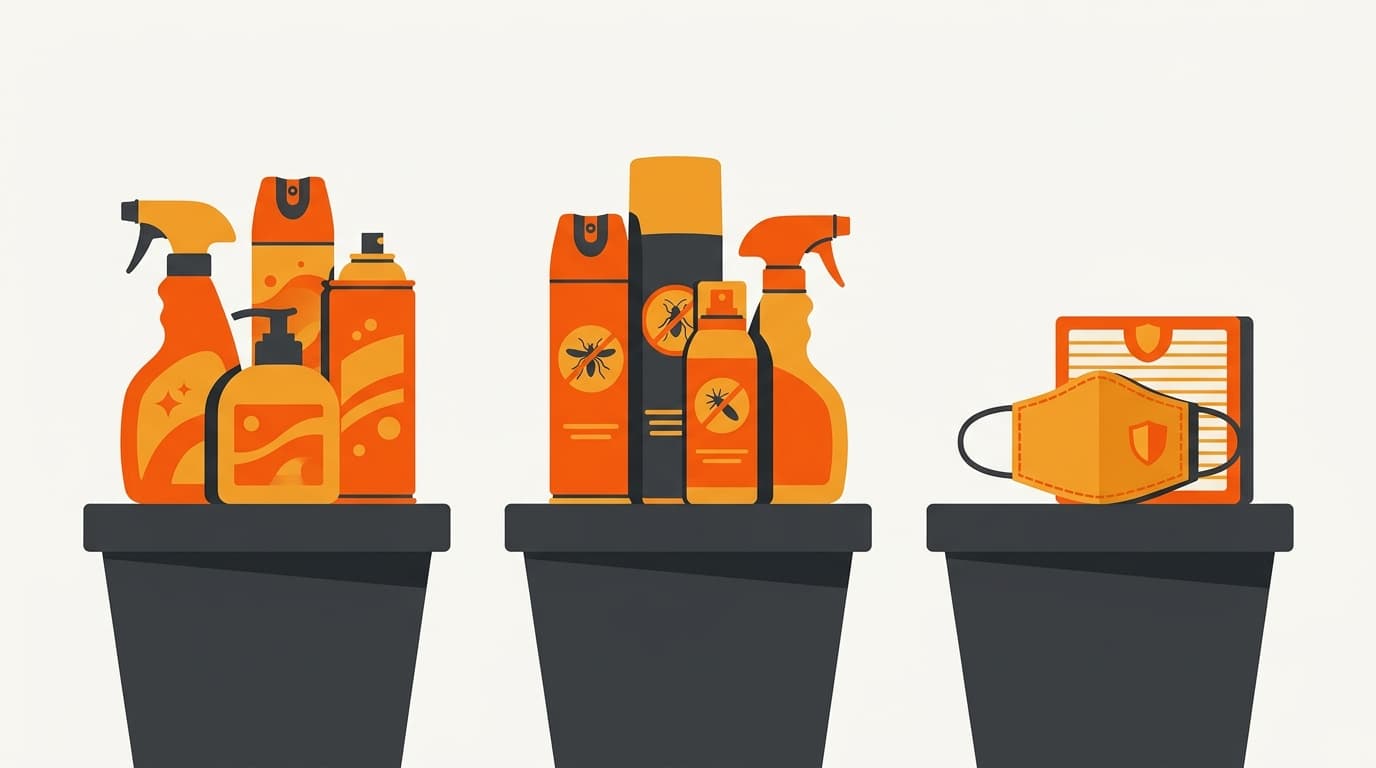
Once you sort by function, most household-chemical and biocide-adjacent products from Western brands fall into one of three buckets. The bucket decides your timeline, your documentation, and whether you need active-substance work at all.
- Household chemical products subject to safety verification and reporting. This is where many cleaners, air fresheners, deodorizers, and adhesives sit. These products typically face designated test standards, hazardous-substance limits, and labeling and reporting duties before they can be sold — but they are not, on their own, biocides.
- Biocidal products requiring approval. Repellents, disinfectants, mold and insect killers, and antibacterial agents fall here. These require pre-market approval, and — critically — that approval sits on top of a substance-level gate we cover in the next section.
- Treated articles. These are everyday goods marketed with a biocidal benefit rather than being a biocide themselves — an "antibacterial" filter, an "anti-mite" fabric, a coated product that claims to inhibit mold. Treated articles carry their own claim and disclosure obligations, so the marketing itself is regulated even when the object is not a chemical product.
A fourth possibility exists: neither. A genuinely inert product with no biocidal function and no biocidal claim may fall outside this regime entirely — though it can still be subject to other Korean product rules. The point is that "neither" is a determination you reach after the sort, not an assumption you start with. This is the same discipline we describe in how we map each SKU to the right Korean regulation: the obligation follows the specific product and its function, not the category label.
The two-layer gate that quietly controls your timeline
For genuine biocidal products, Korea uses a two-layer gate, and it is the single biggest hidden timeline driver.
The first layer is the active substance itself. Under K-BPR, the biocidal active substance must be approved or registered before any product containing it can be approved. The second layer is the product. Even a well-documented product cannot complete approval if its active substance has not cleared the first gate.
This ordering matters enormously for planning. If your repellent or disinfectant relies on a common global active — a widely used mosquito-repellent active, a familiar surface disinfectant — the first thing to check is whether that substance is already on Korea's approved list. If it is, you are likely looking at a product-level path. If it is not, you may be facing a substance-level pathway, which is a different order of magnitude in data and time. Substance identity, toxicological and exposure data, and the intended-use scope all drive that dossier.
Confirm your active substance's Korean approval status before you scope timeline or budget. A product notification and a full substance approval are not the same undertaking — and you cannot skip the substance gate by having strong product documentation.
“The mistake we see most often is a brand budgeting for a product notification when the real work is a substance-level dossier they never knew existed.”
Isaac Lee — CEO, Kontactic

How your marketing claim can reclassify the product
Your claim can move your product into the biocidal bucket even when the formula sits at the edge.
Adding language like "antibacterial," "kills 99.9%," "repels mosquitoes," or "eliminates mold" to something you thought of as a cosmetic-style deodorizer can reclassify it. Once you assert a biocidal effect, the product is treated as acting on a living organism, and that pulls it into approval and claim-substantiation obligations regardless of how mild the formulation seems.
This cuts both ways as an operational lever. If a product does not need a biocidal claim to sell, dropping the claim can keep it out of the biocides bucket entirely. If the claim is central to why customers buy it, then the claim is not optional — and neither is the approval and substantiation work behind it. Either way, decide the claim deliberately, because the Korean listing you eventually publish has to match what was actually approved.
Clearing customs is not the same as being sellable
A shipment can clear Korean customs and still leave you with goods you cannot legally list. Import clearance and market authorization are separate gates.
Safety-verification-required household chemical products face their own test standards, hazardous-substance limits, and labeling and reporting duties before sale — obligations that live entirely apart from customs. Biocidal products face the two-layer approval above. In both cases, the cargo can be sitting in a warehouse in Korea, fully imported, and still not be eligible for a compliant Coupang listing. That gap is where brands lose money: freight and duty are spent, but the SKU cannot generate revenue.
If you are also handling food, food-contact, or hygiene items, this same "cleared but not sellable" trap appears there too — we walk through it in importing food and hygiene products into Korea. And because the compliance path shapes what you can put in front of a Korean shopper, it should be settled before you build the Coupang listing itself.
Common questions
Does my EU BPR or US EPA approval carry over to Korea? No. Korea makes its own determination under its Household Chemical Products and Biocides Act. Your existing registrations may inform your dossier, but they do not substitute for Korean approval of either the substance or the product.
My product is "just" an air freshener — am I really in scope? It depends on function and claim. A pure fragrance with no biocidal action and no biocidal claim may sit in the household chemical product bucket or outside the regime. Add an antibacterial agent or an odor-killing-bacteria claim, and it can move into the biocidal bucket.
How do I check whether my active substance is approved in Korea? Identify each active substance and the exact function claim, then verify status against the Ministry of Environment and National Institute of Environmental Research (NIER) biocide information channels, alongside the governing statute text on the national law portal (law.go.kr). Do this before assuming a fast product-notification path.
What is a "treated article"? An everyday product — a filter, a fabric, a coated item — that is marketed with a biocidal benefit without being a biocide itself. It carries claim and disclosure obligations tied to that marketing, so the claim is regulated even though the object is not a chemical product. This kind of function-based sorting is the same reason we screen every SKU for Korean certification before it ships.
Not sure which bucket your product falls into?
Tell us the active substance and the exact claim you want to make, and we will help you map the Korean approval path before you commit freight.
About the author
Korean and global e-commerce operators with 15+ years of cross-border experience, led by CEO Isaac Lee — KOTRA-certified consultant and official lecturer for Seoul City and the Korea Customs Service. We run Korea market entry for Western brands every day; this blog documents what we learn in the field.
More about Kontactic →Related Articles
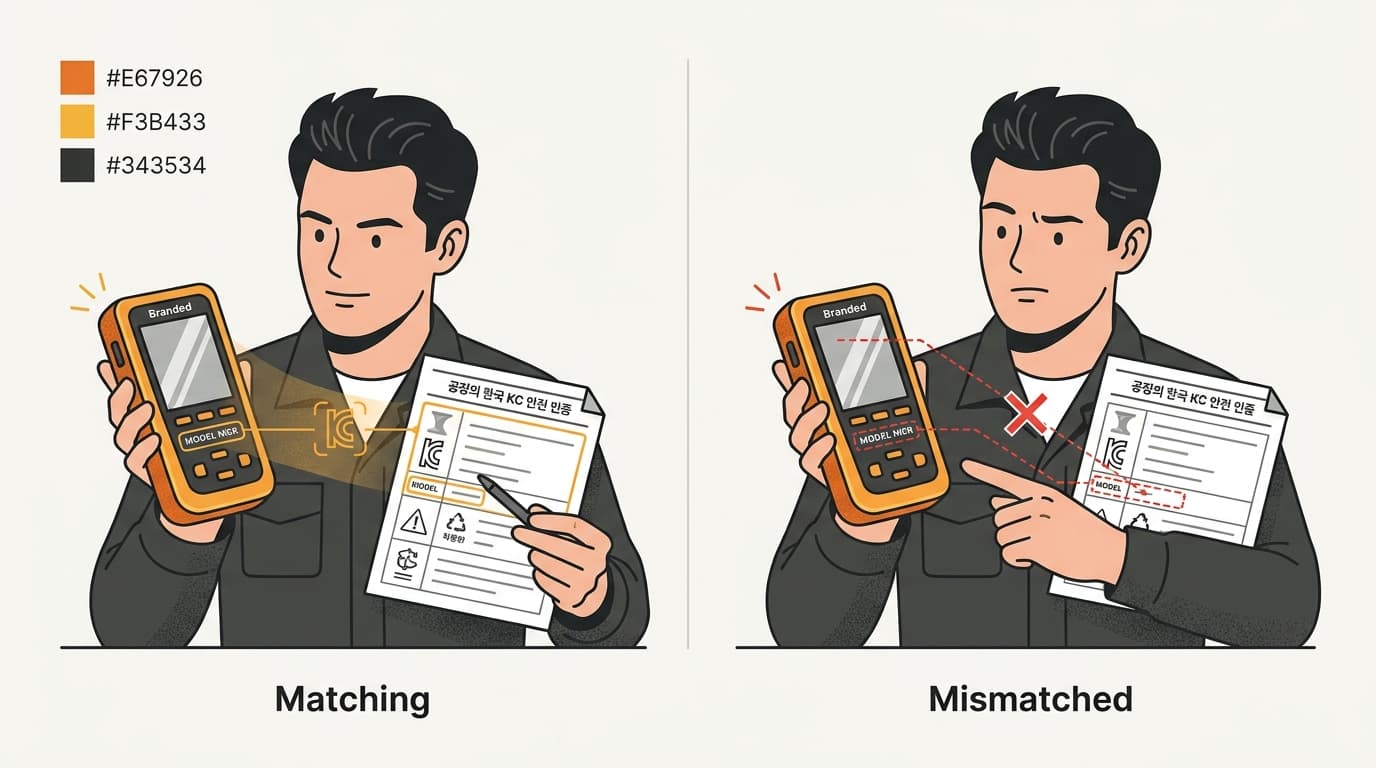
Can a Factory's KC Certificate Cover Your Brand?
Factory KC paperwork covers your private-label product only when the approved model, factory, and version match. Wireless products need a separate RRA check.

Can You Reject a Coupang Exchange? Only Two Reasons
Coupang exchange rejection is limited to SOLDOUT or WITHDRAW. Learn when each code applies—and what to do when a seller simply prefers a refund instead.
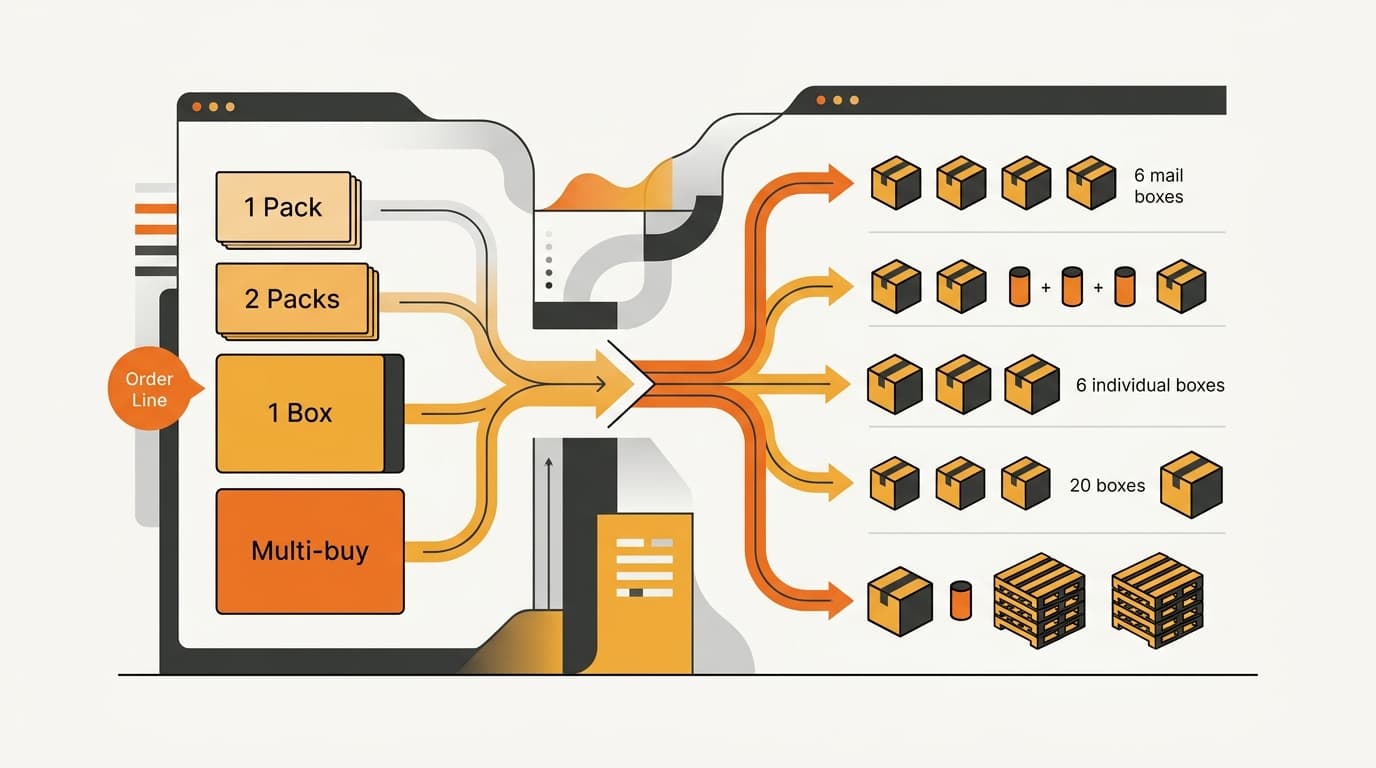
Coupang Order Lines: One Line Is Not One Unit
A Coupang order line can represent a generated quantity option, so your connector must map it to a base SKU and physical quantity before stock movement.