LCL Shipping to Korea: Costs, Minimums, and Sequencing
LCL shipping to Korea is viable from roughly 1 CBM, with most forwarders quoting on a per-CBM basis and transit times of 5–10 days from China and 15–25 days from the US or EU. For brands testing the Korean market with small initial stock, LCL is usually the right freight choice. But freight is the easy part. What decides whether the shipment actually pays back is what happens after the container reaches Busan or Incheon — customs clearance, KC certification, Coupang onboarding, and a Korean-language product detail page.
This guide keeps the useful freight basics and then walks through the operational decisions most LCL articles skip.
What LCL to Korea actually costs
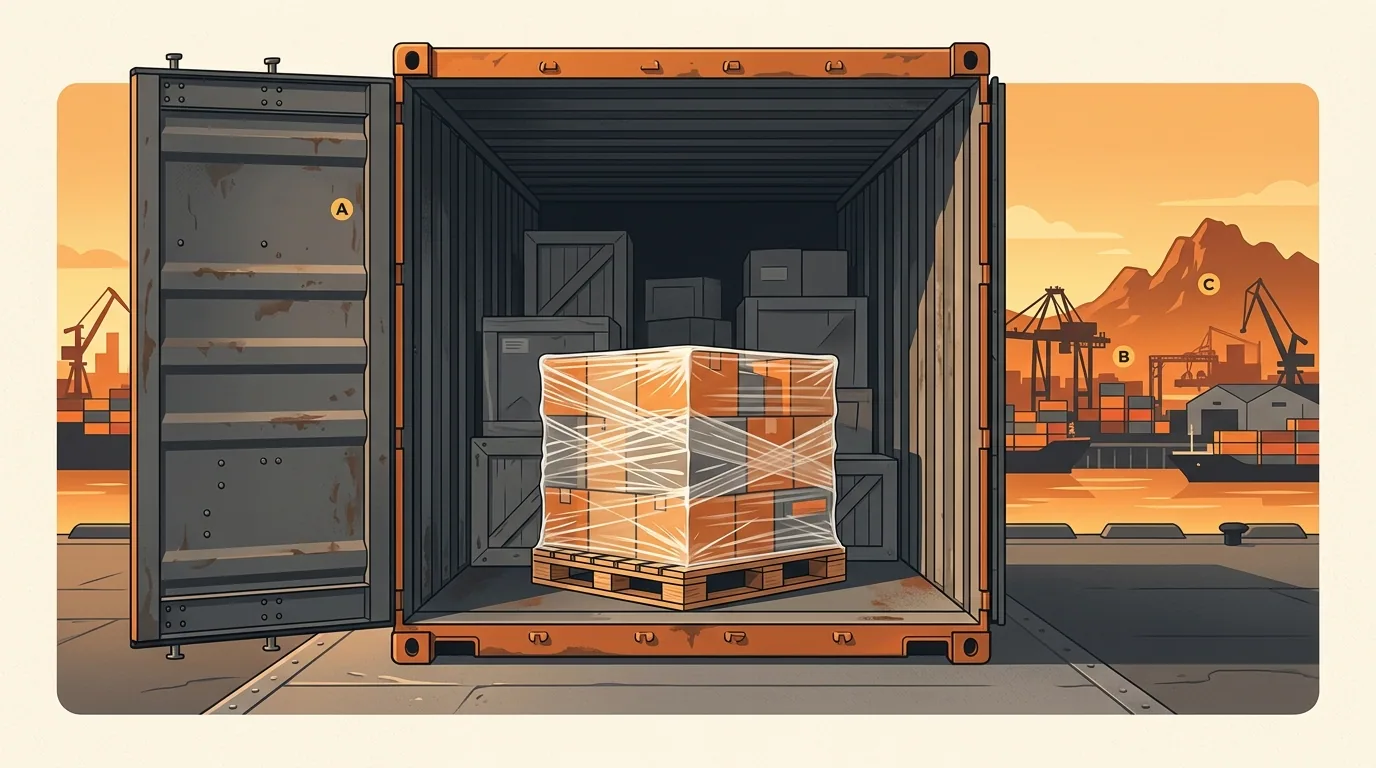
LCL (Less-than-Container Load) means you share a 20- or 40-foot container with other shippers and pay for the volume you use, measured in cubic meters (CBM). Most forwarders apply a 1 CBM minimum, though some niche agents will book 0.5 CBM at a premium per unit.
In our experience, the framing is this. Brands shipping into Incheon and Busan see per-CBM rates move week to week with fuel surcharges, port congestion, and seasonality. The shape of the choice depends mostly on origin:
- From China: short ocean leg, frequent sailings, transit 5–10 days. LCL is the default for under ~10 CBM.
- From the US West Coast: transit 15–20 days. LCL works but air freight competes for high-value, low-volume goods.
- From Europe: transit 25–35 days via Suez or 20–25 days via trans-Siberian alternatives. LCL is typically cheaper than FCL until you cross ~10–12 CBM.
- FCL break-even: most brands flip to a 20-foot FCL container around 15 CBM, where per-CBM economics invert.
If you're shipping from China specifically, Coupang now operates a consolidated forwarding service worth comparing against open-market LCL — we wrote about it in Coupang Direct LCL: China-to-Korea forwarding for sellers.
DDP, Incoterms, and who clears customs
The freight rate is only one line of your landed cost. The other lines — customs duty, 10% VAT, port handling, trucking inland — depend on which Incoterm you ship under and which entity is the Importer of Record (IoR).
For brands going local in Korea, we recommend DDP (Delivered Duty Paid) every time. Under DDP, the shipper (you or your supplier) covers freight, duty, and import VAT to the Korean delivery point. That keeps the inbound process clean and predictable, and it's the only term that works smoothly when Coupang's Rocket Growth warehouse is the final destination.
The trickier question is who the Importer of Record is. If you don't have a Korean entity, the IoR has to be a partner — typically a market entry operator or a customs broker who will lend their entity to the import. For B2C cross-border orders, DDP also tends to convert better than DAP because the Korean buyer doesn't get hit with a surprise customs bill — we compared the two here.
Korea's de minimis threshold is USD 150 per shipment for duty-free clearance. That matters for cross-border parcels, but not at all once you're consolidating LCL pallets — those clear as commercial imports and pay full duty and 10% VAT regardless of value.
LCL, FCL, or air — which fits your launch
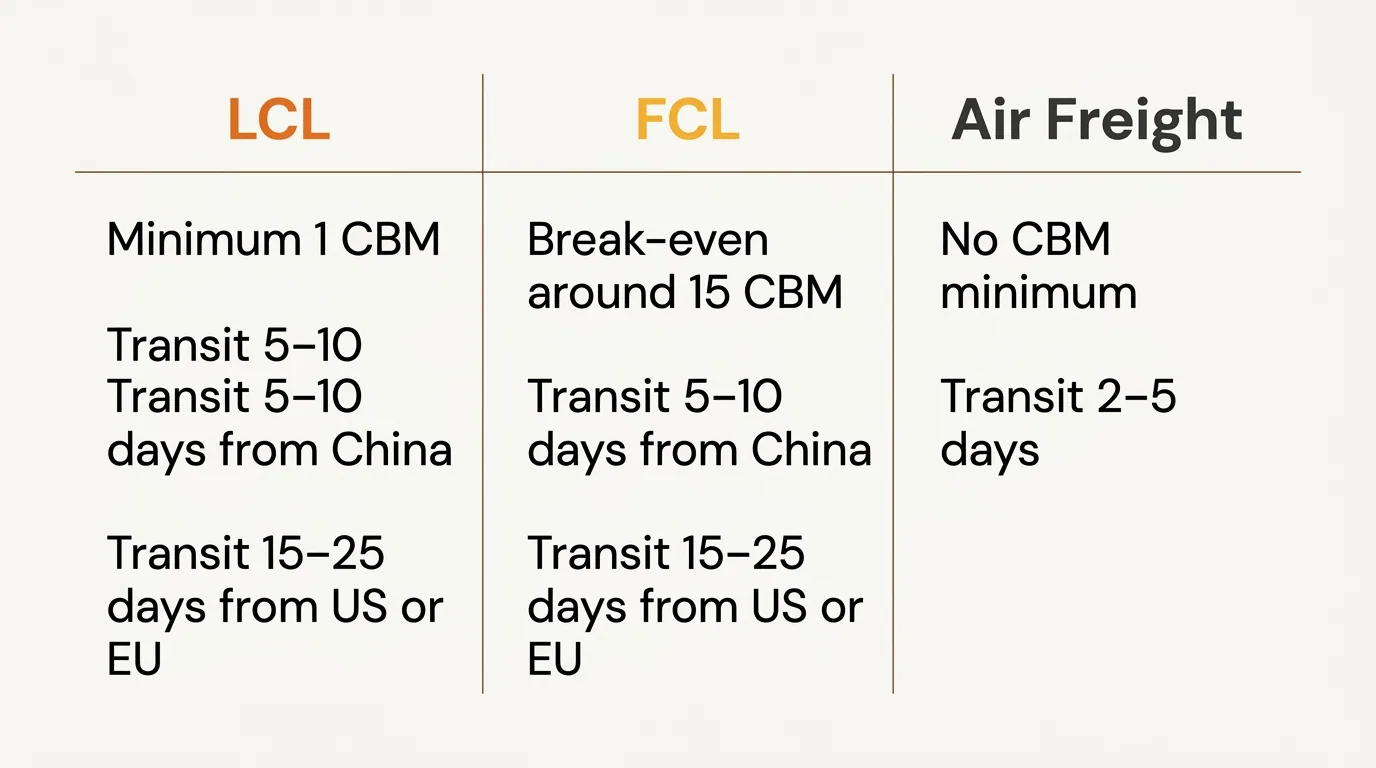
Use this decision frame to choose between LCL, FCL, and air for your first shipment into Korea:
| Method | Minimum | Transit (China→KR) | Transit (US/EU→KR) | Best for |
|---|---|---|---|---|
| LCL | 1 CBM | 5–10 days | 15–25 days | First runs, 1–10 CBM, testing demand |
| FCL | ~15 CBM break-even | 5–10 days | 15–25 days | Repeat orders, dense SKUs |
| Air | No CBM minimum | 2–5 days | 2–5 days | High-value, low-volume, urgent |
The freight choice rarely decides the launch. What decides the launch is whether the inventory you ship can actually be sold on Coupang when it lands.
Coupang setup: the part most freight guides skip
This is where most LCL articles stop and where most foreign brands lose six months.
To sell locally on Coupang — meaning your listing shows the Rocket badge and inventory ships from a Korean warehouse — you need:
- A Korean Seller of Record (SoR). Either your own Korean limited company (유한회사) or a partner's entity.
- A Coupang Wing seller account, verified against that entity's business registration number.
- A Korean corporate bank account to receive settlement (Coupang pays out in KRW on roughly a 60-day cycle by default — see our settlement timeline breakdown).
- KC certification or other category-specific compliance for the products you're inbounding.
- A localized product detail page worth converting against.
You can't skip these by shipping faster. An LCL pallet that arrives before the Coupang account is approved sits at the 3PL costing storage fees per day. If you're new to the platform mechanics, our complete guide to selling on Coupang as a foreign brand walks through the account setup step by step.
Cross-border vs. local: which path actually fits
Brands testing Korea face an upstream choice that determines the entire freight conversation: ship cross-border (one parcel per order, no Korean entity), or go local (bulk import, Korean SoR, Coupang Rocket Growth).
LCL only makes sense for the local path. If you're shipping individual parcels to consumers via DHL or EMS, you'll never consolidate volume into a container. The question of "LCL minimums" is really the question of "am I ready to go local?"
A useful rule of thumb from our work: once you're consistently doing roughly 100 cross-border orders per month into Korea, local fulfillment is usually cheaper per unit — though only after you've absorbed the fixed costs of IoR, KC, and Coupang onboarding. We did the margin math here.
If your monthly cross-border volume is still in the dozens, LCL is premature. Validate demand first, then consolidate.
KC certification: the gate before the warehouse
KC certification (KC 인증) is Korea's category-specific safety mark. Whether your product needs it depends on the HS code and use case — electronics, children's products, cosmetics, food-contact items, and many home goods all trigger some flavor of KC review.
In practice, KC adds 4–8 weeks and USD 2,000–6,000 in testing fees before you can legally sell the product locally. The certificate is tied to the product model, not the importer, but Coupang Wing will ask for the KC certificate during product registration for any category that requires it. We laid out the full process in KC certification cost and timeline.
The sequencing mistake we see most often: brands book the LCL freight before scoping KC. The container arrives, customs clears (because customs doesn't enforce KC for most categories — Coupang does), and the inventory sits in a 3PL while testing happens. That's three months of paid storage on goods you can't list.
Do KC scoping before you book freight. Not after. The lab timeline is the binding constraint, not the ocean transit.
Localized PDP: where Korean conversion actually happens
A Korean product detail page is not a translation of your US listing. Coupang shoppers expect a long-form, mobile-first visual page — typically 15,000–25,000 pixels of vertical scroll, with stacked image modules, comparison charts, ingredient breakdowns, and customer-objection handling built into the page itself.
A weak PDP converts at maybe 1–2%. A well-built Korean PDP on the same product often does 4–6%. That's the difference between an LCL pallet that sells through in eight weeks and one that depreciates for six months.
This is also where most translation-firm or freight-broker-led entries fall down. They ship the goods, register the listing, and hand the brand a text-only product page that no Korean shopper will scroll past.
Sequencing: the order that actually works
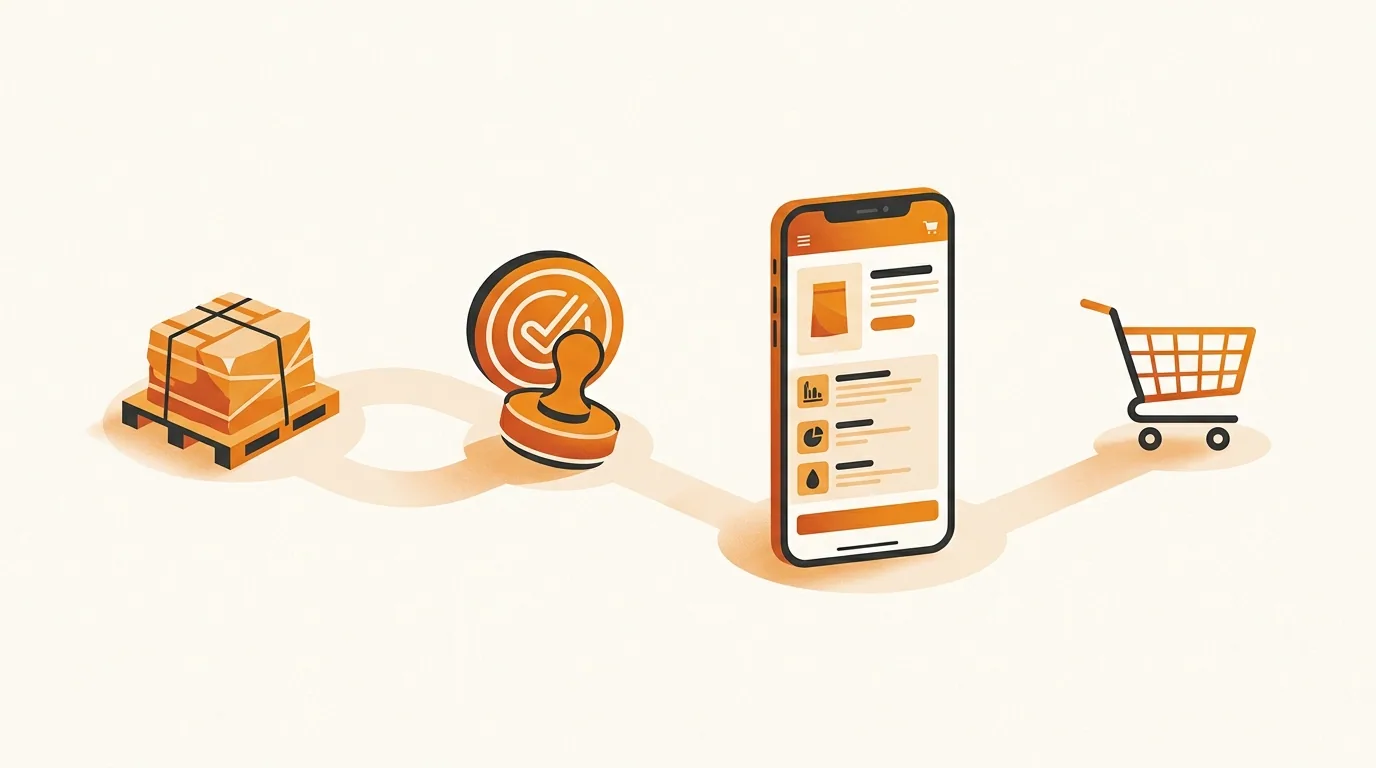
If you take one thing from this article, take the sequence. The freight booking should be near-last, not first.
A working order of operations for a brand using LCL to seed first inventory:
- Validate demand. Cross-border orders, social signals, distributor inbound — confirm Korean buyers want this.
- Scope KC and category compliance. Identify which certifications your SKUs need and start lab testing.
- Set up the Korean SoR. Either form your own 유한회사 or partner with an IoR/SoR operator.
- Open the Coupang Wing account. Verify against the entity and bank account.
- Build the Korean PDP. Long-form, mobile-first, conversion-tested.
- Inbound to Rocket Growth. Rocket Growth accepts as little as one unit per SKU, so the LCL pallet sizing should match your KC-approved catalog, not the other way around.
- Book the LCL freight, DDP. Now you know what's going in the container.
- Launch and run ad spend. Not before the PDP is live and reviews are seeded.
“The freight is rarely what's late. KC, the entity, and the PDP are what's late — and the pallet arrives to a warehouse that can't sell it.”
Kontactic operations team — Korea market entry operator
The short answer
LCL shipping to Korea works from 1 CBM, runs on per-CBM forwarder pricing, and clears Busan or Incheon in 5–25 days depending on origin. Ship DDP. Confirm the IoR before booking.
But the freight question is the easy question. The expensive questions are: do you have the Korean entity or an IoR partner, did you scope KC before the pallet ships, is your Coupang Wing account live, and is the Korean PDP ready to convert what the LCL container is going to feed?
Get those right, and the LCL booking takes an afternoon.
Planning a first LCL shipment into Korea?
We help foreign brands sequence Korea entry end to end — Importer of Record, KC certification, Coupang Wing setup, Korean PDP, and Rocket Growth inbound. Talk to our team before you book the freight.
About the author
Korean and global e-commerce operators with 15+ years of cross-border experience, led by CEO Isaac Lee — KOTRA-certified consultant and official lecturer for Seoul City and the Korea Customs Service. We run Korea market entry for overseas brands every day; this blog records what we learn in the field.
Meet the Kontactic team →Related Articles
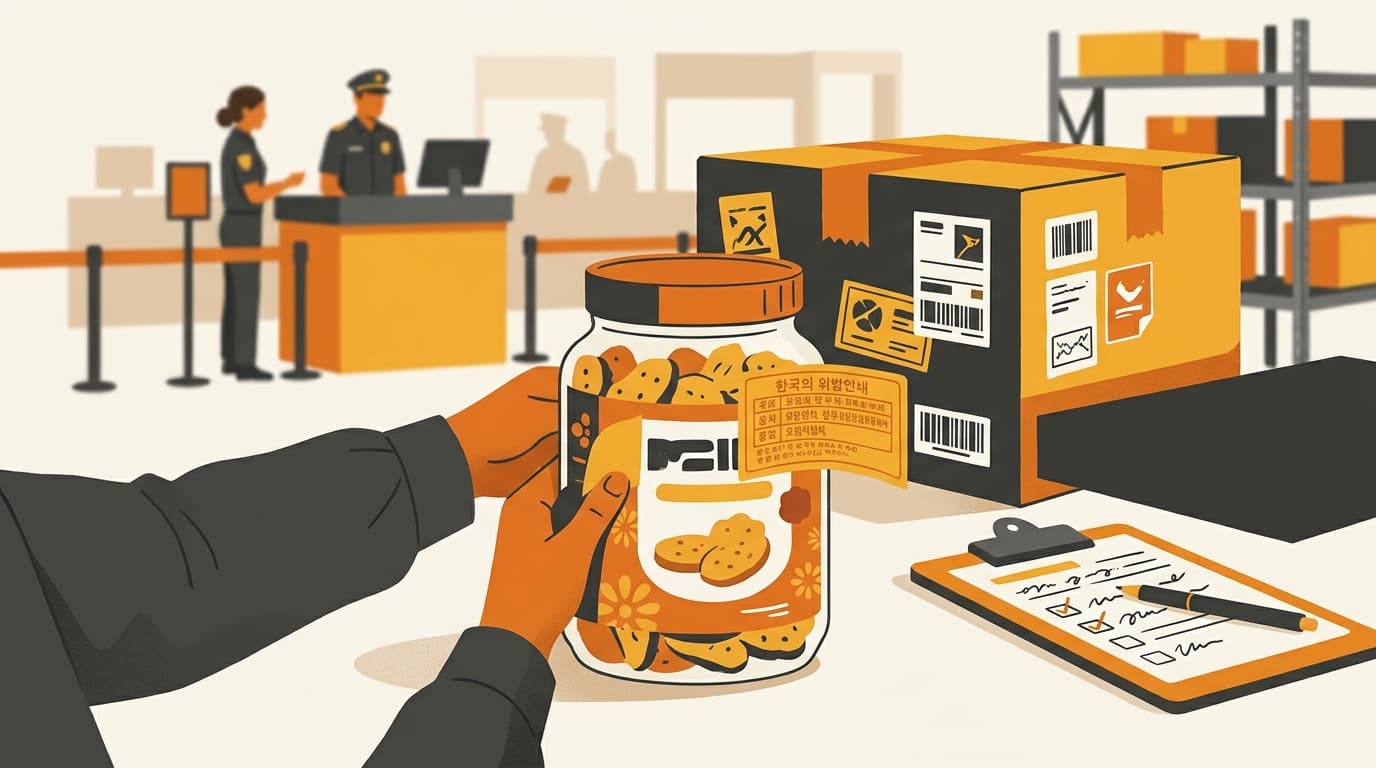
Imported Food Labels in Korea: Can Stickers Work?
Imported food labels in Korea can use a Korean sticker on the consumer unit before sale, but only when current MFDS rules allow it for that product and package.
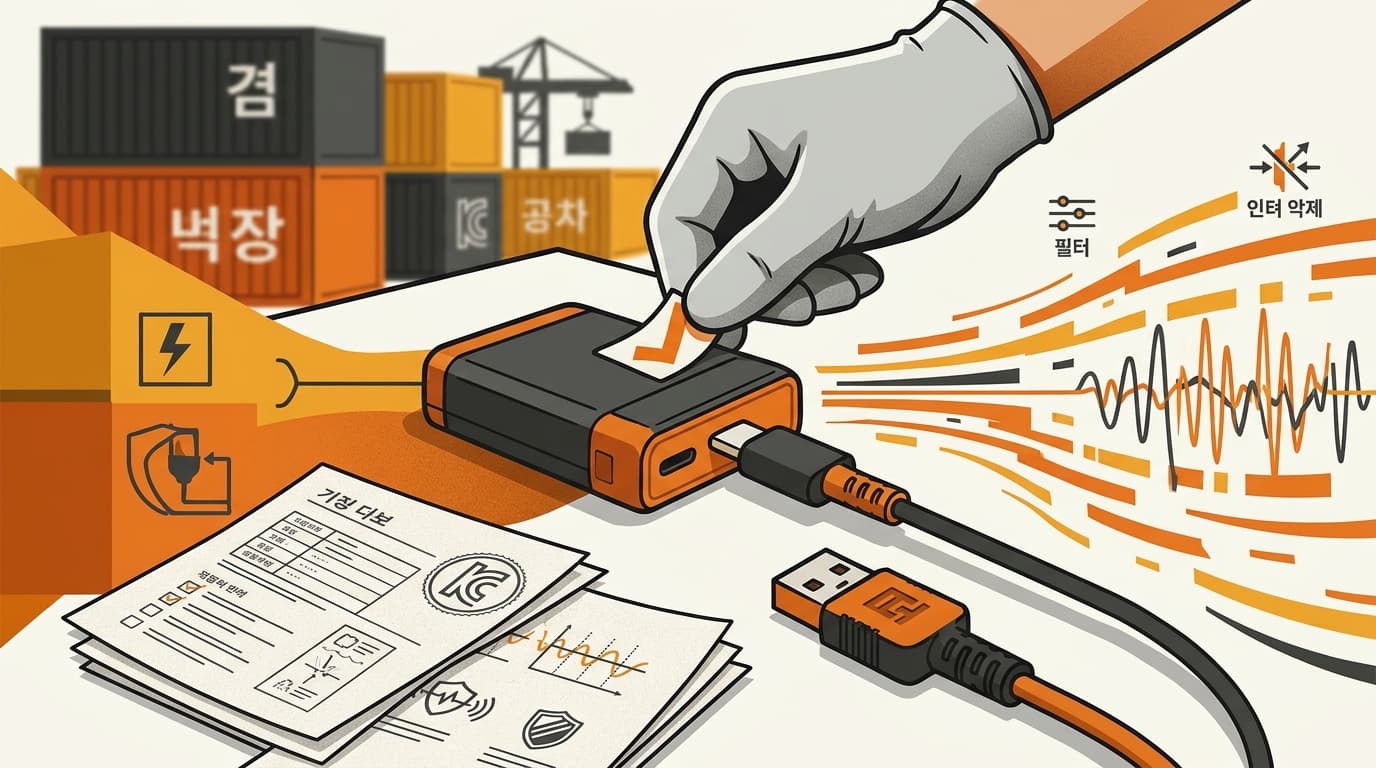
Can USB-Powered Products Avoid Korea’s KC Safety Rules?
USB power does not automatically avoid Korea’s KC rules. Learn how KATS safety review, RRA EMC checks, and customs timing affect your shipment before import.
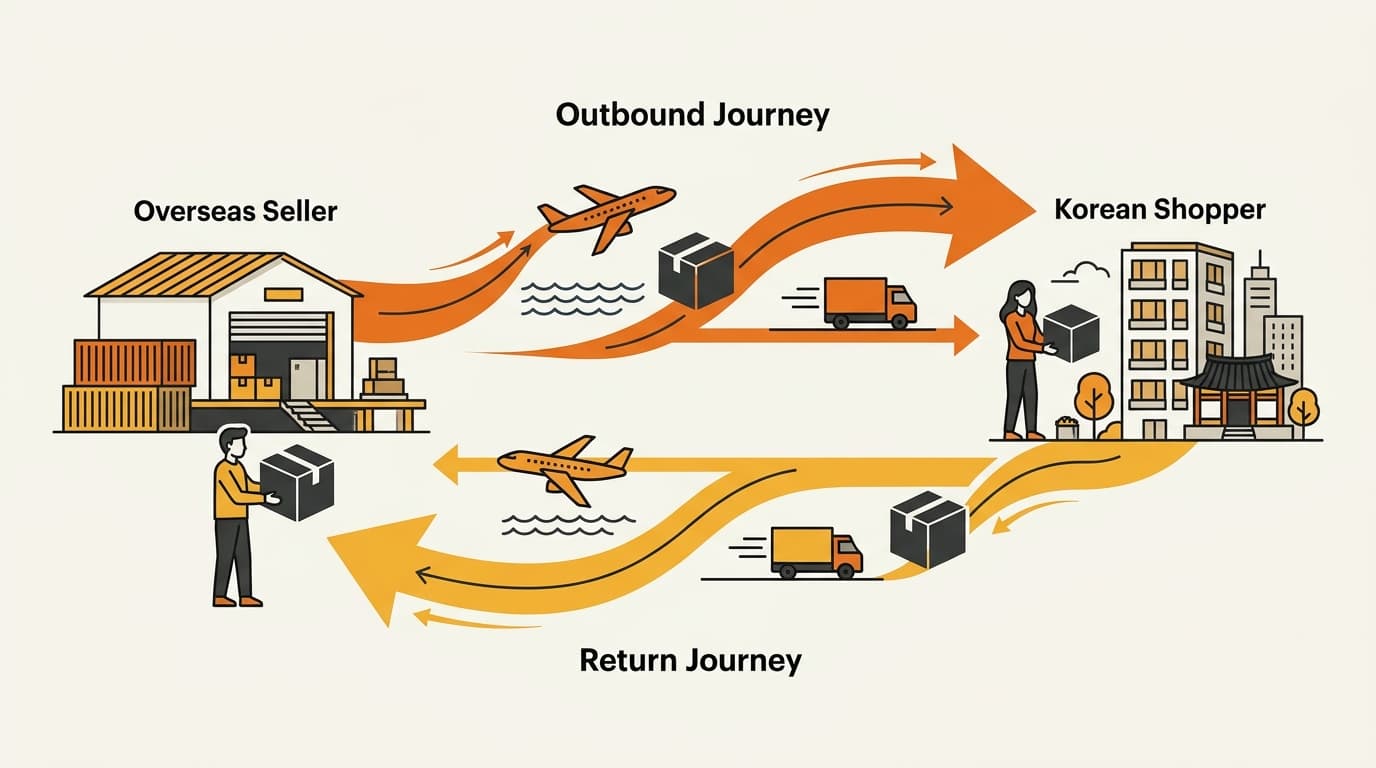
Can Coupang Buyers Pay Two Charges With Free Shipping?
On Coupang, free shipping can still leave the buyer paying two return charges: the original delivery cost and the cost of sending the parcel back to the seller.