Skin Repellent or Space Biocide? Korea's Body-vs-Space Line
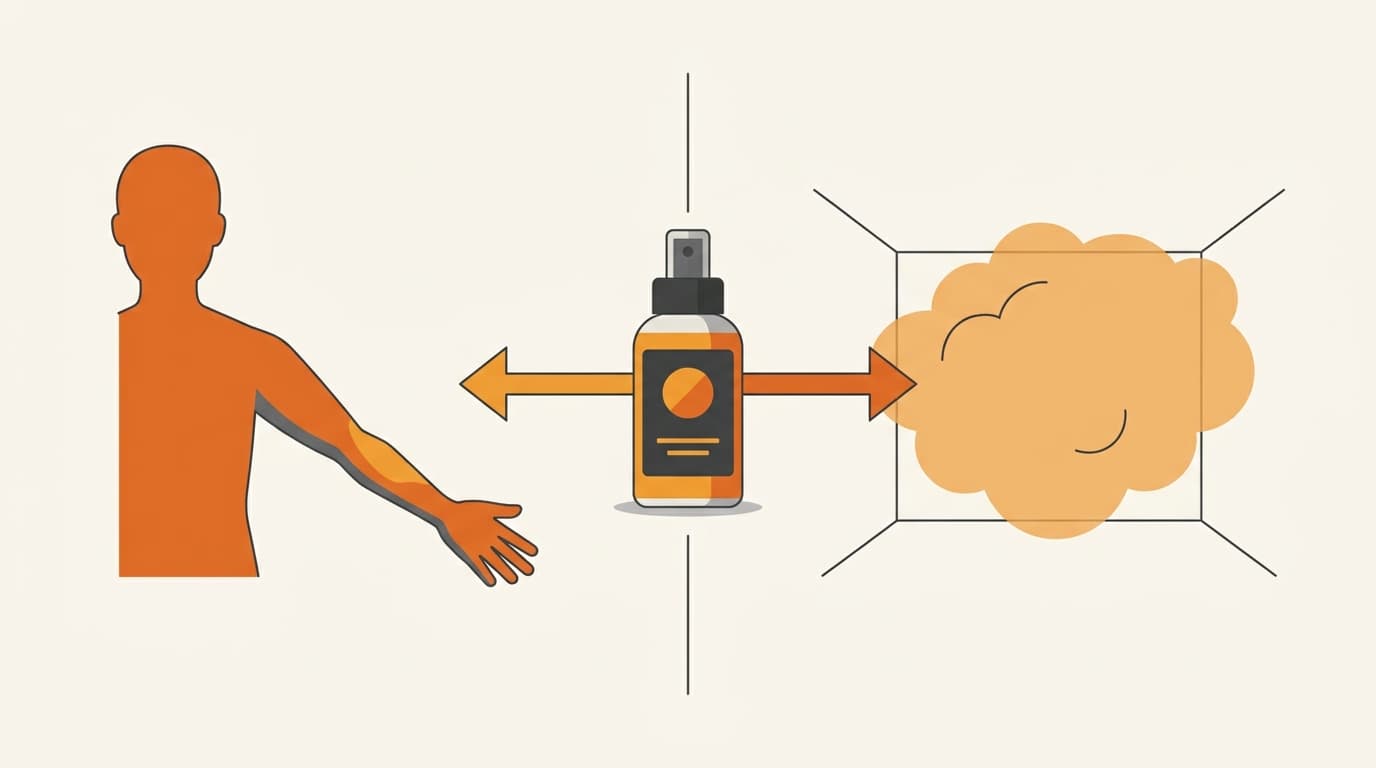
A skin-applied mosquito repellent is a quasi-drug under Korea's MFDS, not a Ministry of Environment biocide. The deciding factor is where the product acts — on the body or on the space.

Insights & Guides
Expert analysis, tactical guides, and market insights for brands selling in Korea.
49–60 of 121 articles

A skin-applied mosquito repellent is a quasi-drug under Korea's MFDS, not a Ministry of Environment biocide. The deciding factor is where the product acts — on the body or on the space.

Korea sorts children's products into three KC conformity-assessment types by risk level — safety certification, safety confirmation, or supplier's confirmation. Here is which one your toy, garment, or gear item needs.

Under Korea's Cosmetics Act, imported cosmetics need a licensed Korean responsible distributor (화장품책임판매업자) to reach the market — a role a foreign brand can't hold directly.

Korea splits imported-food compliance into two filings: a one-time overseas manufacturer registration and a per-shipment import declaration filed on every batch. Here is what recurs.

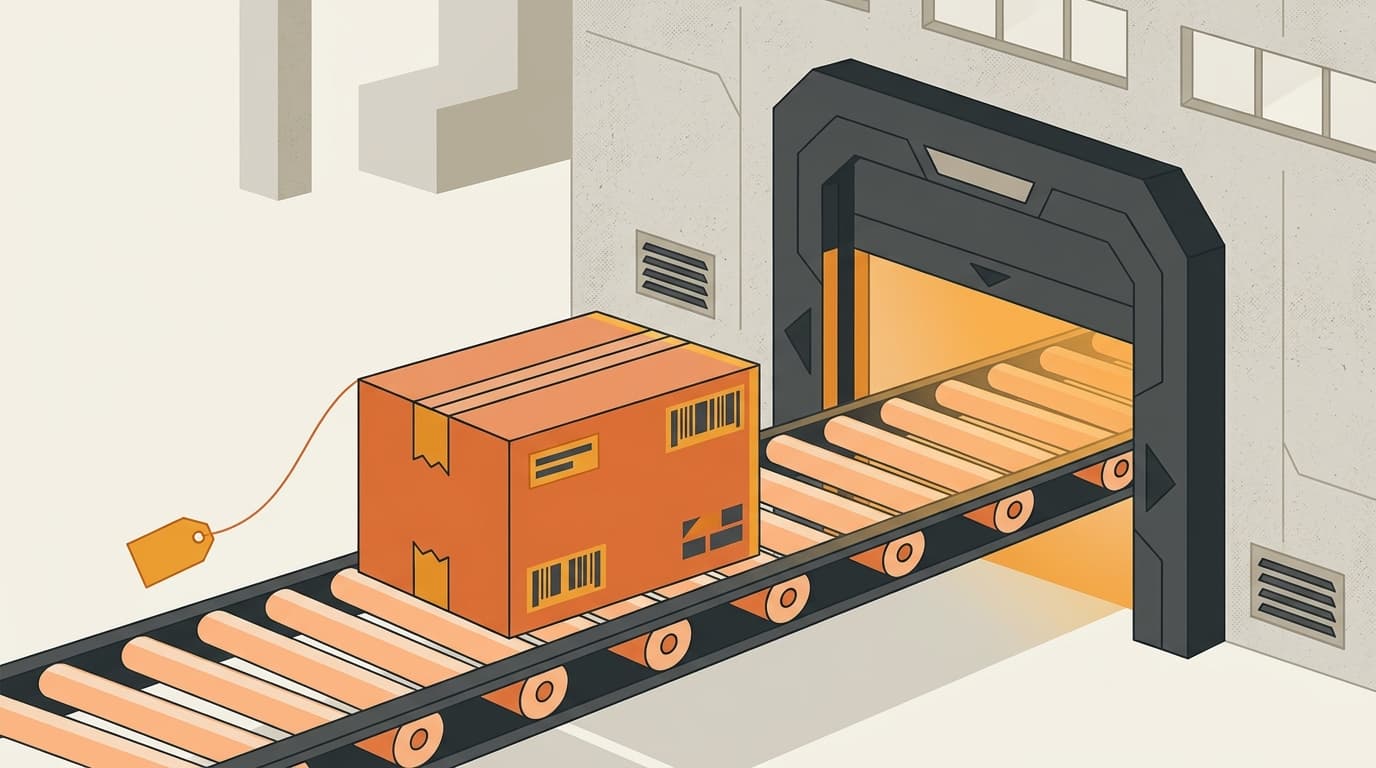
If a regulated electrical or wireless product reaches Korea without valid KC certification, customs holds the shipment — it isn't fined and released. Here's why.

Coupang recognizes your sale on delivery completion, not on payment — and returns can reverse a sale after it ships. Here is when you actually get paid.

On Coupang's Open API, price and stock updates run through separate item-level endpoints once a listing is approved — not the product-edit call that created it.

Under Rocket Growth you own the inventory while Coupang stores and delivers it. Stock only changes hands under a separate wholesale purchase, not fulfillment.

Korean importer registration demands a registered corporate seal and a resident representative — two requirements a purely offshore brand cannot satisfy alone. Here is why, and the three ways around it.

The Korea Customs Service assesses import duty on the CIF value — goods plus freight and insurance — then charges 10% VAT on the duty-inclusive total. Here is how to model it.

Korea splits household chemical compliance into two tracks: a lighter safety-confirmation route for cleaners and a far heavier active-substance approval route for biocidal products. Here is how to tell which one applies before you set a launch date.

Korea classifies a product as a children's product based on its design, size, and likely use by kids — not your marketing. Here is how the "intended for" test sweeps in items you assume are general goods.

Book a discovery call with our team and get a personalized roadmap for your Korean market entry.
Or email us directly at contact@kontactic.com