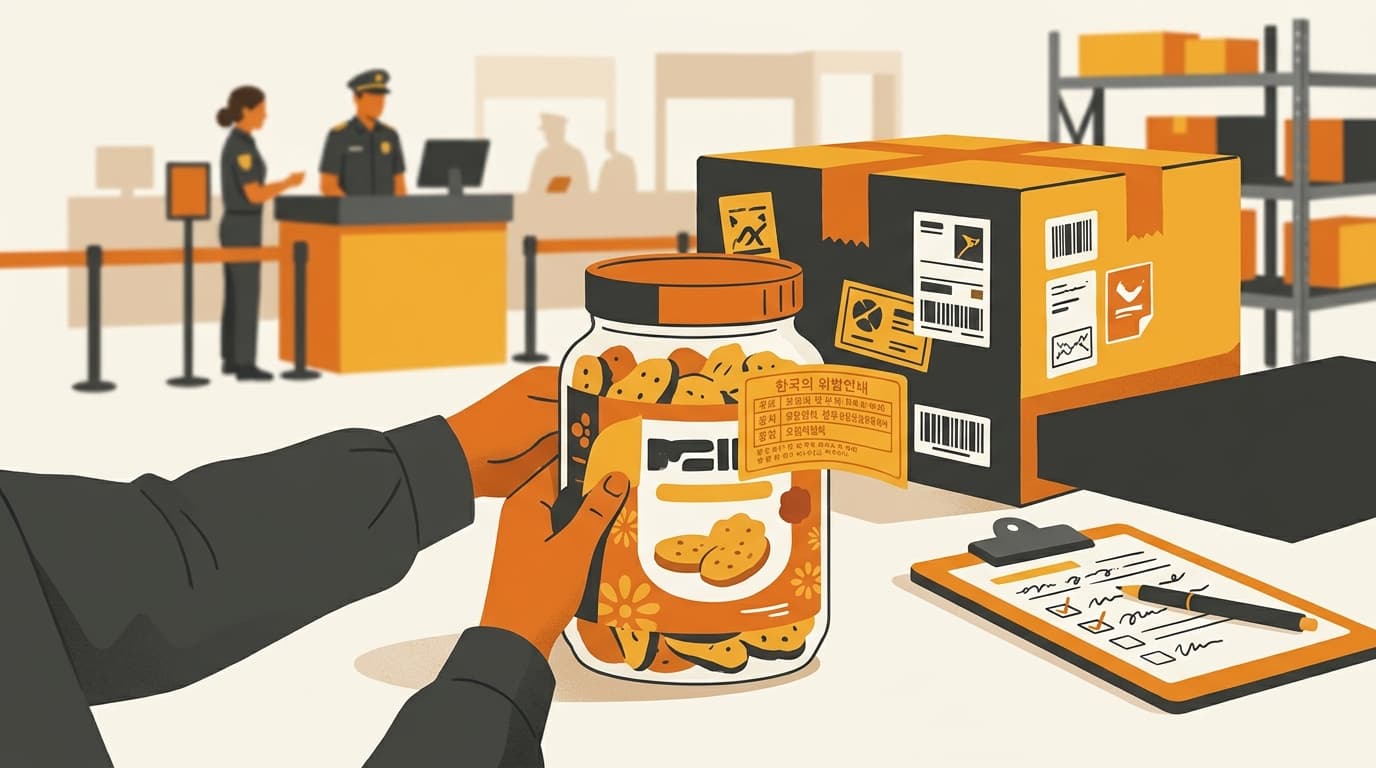
Imported Food Labels in Korea: Can Stickers Work?
A Korean sticker can work on some imported food and drink packages in Korea. If the product's Ministry of Food and Drug Safety (MFDS) rules allow an over-label, the original package can stay in place. The Korean importer of record—the business named in the food import declaration—must put all required information on each consumer unit before sale.
Korean over-label: A Korean-language sticker attached to the product package the buyer receives. It can supplement the original package when the MFDS rules for that product allow it. It cannot replace a required product review or make a prohibited claim legal.
A Korean sticker can work, but it is not automatic
The answer depends on the exact product. Korea does not use one sticker rule for every food, drink, or product sold overseas as a dietary supplement. The product category, formula, claims, package size, and current MFDS standard can change what the label must say and whether an over-label is allowed.
That means an overseas brand should not start by asking a printer for a generic Korean sticker. Start by checking the Korean requirements for the exact stock-keeping unit (SKU). Check MFDS's current guidance on imported food and food labels at MFDS (식품의약품안전처). Also check the MFDS standard for your product and the Act on Labeling and Advertising of Foods on law.go.kr. Use the current Korean text when an English summary does not answer a product-specific question.
Imagine a US brand shipping sealed tubs of drink powder. It wants to keep the English tub and place one Korean sticker on each tub. That may work if the product's Korean category permits the sticker and the finished label contains every field required for that product. If the formula or claims place the powder in a different Korean category, a low-cost sticker does not solve the problem.
This is why mapping each SKU to the right Korean regulation comes before label design. Two products from the same overseas brand can need different Korean checks. One may fit an ordinary food label. Another may need a different review because of its ingredients or health claims.
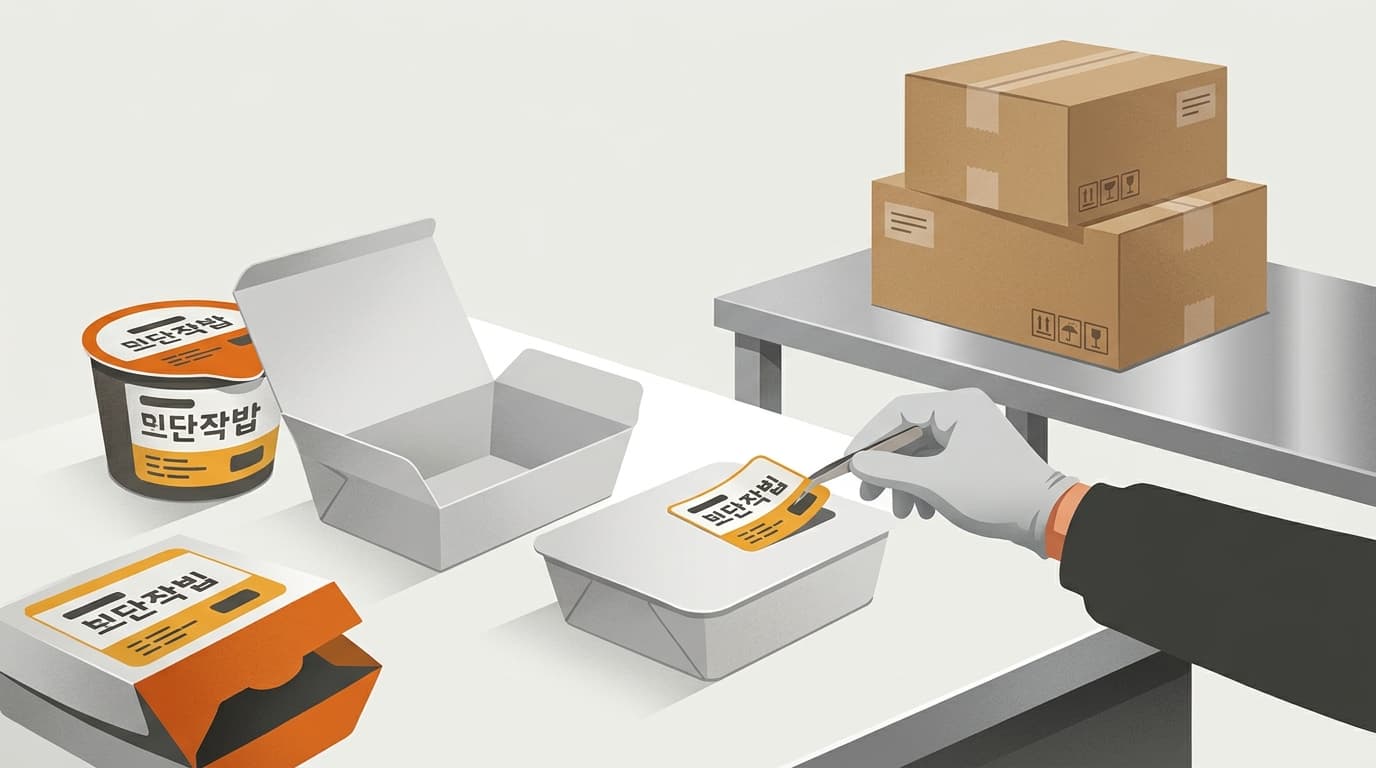
The sticker must be on the consumer unit before sale
The physical package matters. The consumer unit is the sealed package the buyer receives: one tub, bottle, pouch, or box of food. A Korean product page, a translated product image, or a PDF sent after the order does not replace the required information on that package.
Some import rules allow the Korean sticker to be added after the goods arrive in Korea. That is permission about timing, not permission to sell unlabeled stock. If post-arrival application is allowed for the product, the importer can apply the final label at the permitted stage. The product still cannot be sold until the consumer unit carries the required Korean information.
An outer shipping carton may not solve the problem. Do not assume that one label on a case of products covers every sellable unit inside. Ask two questions: What package does the Korean buyer receive? Does that package carry the final required label before sale?
Consider the drink powder example again. The brand uploads a Korean translation of the English package to its Coupang listing. A buyer places an order. The tub arrives with the original English artwork but no Korean sticker, and the seller plans to mail the sticker later. The listing may explain the product, but it does not put the required information on the consumer package before sale.
Treat the label as part of the physical product, not as website content. The same point applies when a warehouse has finished applying stickers to only some of the stock. List and ship only the units that have the final label.
The Korean wording and the physical label also need to match the actual product. A useful next check is this guide to Korean-language labeling and the required disclosure label. It helps separate the translation task from the question of whether Korean rules allow the product and its claims.

What the Korean sticker may need to say
There is no single field list for every imported food. The MFDS standard for the product decides the final label. Depending on the product, the Korean label may need items such as:
- The product name and food type.
- Ingredients and allergen information.
- The net amount or package quantity.
- The required date and batch or lot details, such as a use-by or best-before date, when the product standard calls for them.
- Storage conditions or directions for use.
- Nutrition details and, for a product with a recognized function, the required function statement.
- The Korean importer's name and address.
The list above gives examples, not a universal template. A beverage, a snack, and a powdered product can have different label needs. A product sold overseas as a dietary supplement can raise more questions because its Korean category may not match the overseas category.
The sticker must also reflect the real product. If the final formula differs from the formula used for the label, the label no longer accurately describes the goods. The same problem can arise when the brand changes the pack size, shelf-life information, serving information, or front-of-pack claim but keeps using an older sticker.
Build the label from approved product facts. Give the Korean importer the exact ingredient list, allergen information, date and shelf-life data, package size, storage instructions, and claims used on the original package. Then compare the Korean sticker with the physical package that will enter Korea. Do not shorten the information just because the English package shows it in a different place.
A sticker should not be treated as a blank space for marketing copy. If the Korean wording adds a health or medical promise that the original package did not make, that new wording can create a separate problem. The label should describe the product and its permitted use clearly, not make the product sound stronger than the Korean rules allow.
Confirm the product category before translating claims
Check the product category before writing the label. A product sold abroad as a dietary supplement may be treated in Korea as ordinary food, health functional food, or medicine. Health functional food (건강기능식품) is Korea's category for foods with recognized health functions. The overseas category name does not decide the Korean category.
MFDS can look at the formula, intended use, and claims together. The words on the package matter. A translation cannot turn a medical claim into an acceptable claim for an ordinary food. If the original English package says that a powder treats a disease, translating that claim into Korean does not make it legal on an ordinary food label.
Keeping the original package also means keeping its original claims in view. A Korean sticker does not erase an English claim printed on the tub, pouch, or bottle. Review the original artwork and the Korean wording together before the goods ship.
This is especially important for a brand that uses one global package. A claim accepted in the brand's home market can still require a different Korean category or treatment. Read the formula and claims together rather than treating the word “supplement” as the answer. For a related example, see Can a US/EU supplement legal at home be imported into Korea?. For products with health-function questions, Is your vitamin gummy food or a health functional food? explains why format alone does not decide the Korean category.
A Korean sticker can translate a permitted label. It cannot make a prohibited claim legal. Check the Korean category, formula, and claims before approving the sticker artwork.
The importer of record must make sure the label is ready
The Importer of Record (IoR) is the Korean food-import business named in the food import declaration. That business files the MFDS import declaration and checks the product for Korean import-and-sale requirements. Its checks include the formula, product category, label, and any required declaration or MFDS inspection.
The overseas brand still has a direct job. It must provide truthful ingredient, allergen, shelf-life, package, and claim information. The brand owns the original artwork, but that does not remove the Korean importer's duty to check the goods before sale. It also does not let the importer guess when the brand has not disclosed a formula or artwork change.
If the label is incomplete or the claim is not allowed, the problem can appear at different points. A shipment may be stopped or require correction. Stock may have to stay off sale until the package is fixed. If non-compliant stock has entered the market, the Korean importer may need to arrange a withdrawal or recall. That may be necessary even when the overseas brand created the package.
Do not assume a previous shipment answers the next one. A food import declaration and its checks can apply to the shipment in front of you. Read Korea food import declaration rules for every shipment before treating an earlier clearance as a permanent label approval. Keep other import questions separate from the label decision. See Can Korea import food before MFDS facility registration? if that question arises.
Use this order before the next shipment:
- Freeze the exact product facts. Confirm the formula, ingredients, allergens, claims, package size, shelf-life data, and original artwork for the SKU entering Korea.
- Confirm the Korean category. Decide whether Korean rules treat the product as ordinary food, health functional food, medicine, or another category.
- List the required label fields. Confirm the Korean product name and type, ingredients, dates, storage information, nutrition or function information, and importer details required for this product.
- Confirm the importer and declaration details. Make sure the Korean importer has the information needed to file this shipment's MFDS import declaration.
- Apply the sticker at the permitted stage. If the rules allow application after arrival, apply the final Korean label to the consumer units in Korea. In every case, the units must carry the label before sale.
- Complete the shipment's import steps. File the MFDS import declaration and complete any required inspection at the required time. Sell only stock with the final label.
The exact order between arrival, inspection, and sticker application can depend on the product. Confirm that timing before the goods leave the overseas facility. One rule does not change: do not sell until the actual consumer package is correctly labeled.

Common questions about Korean stickers for imported food
Do I have to reprint every imported food package for Korea?
Not every time. You may keep the original package and add a Korean sticker when the MFDS rules for that exact product allow an over-label. The sticker still needs every required field and must be on the consumer unit before sale.
Can I apply the sticker after the goods arrive in Korea?
Sometimes. Some product rules allow post-arrival application, but confirm that permission before shipping and finish the label before sale. Arrival does not make unlabeled stock ready for a Korean customer.
Is a Korean Coupang listing or translated image enough?
No. A product page can help explain the product, but it does not replace the required information on the physical consumer package. A paper or digital label sent after the buyer orders is not a substitute either.
Can I use the same sticker for a product sold as a dietary supplement overseas?
Do not assume so. Korea may classify that product as ordinary food, health functional food, or medicine, and the formula and claims can change the label requirements. Confirm the Korean category before translating the claims.
Who is responsible for checking the sticker?
The Korean importer of record must check the product, file the food import declaration, and make sure the stock is ready for import and sale. The overseas brand must provide accurate ingredient, allergen, shelf-life, package, and claim information so the importer can perform that check.
Check your Korean food label before shipping
If you are deciding whether to keep your original food package or use a Korean over-label, contact Kontactic to discuss the product, claims, and import steps.
About the author
Korean and global e-commerce operators with 15+ years of cross-border experience, led by CEO Isaac Lee — KOTRA-certified consultant and official lecturer for Seoul City and the Korea Customs Service. We run Korea market entry for overseas brands every day; this blog records what we learn in the field.
Meet the Kontactic team →Related Articles

Can USB-Powered Products Avoid Korea’s KC Safety Rules?
USB power does not automatically avoid Korea’s KC rules. Learn how KATS safety review, RRA EMC checks, and customs timing affect your shipment before import.
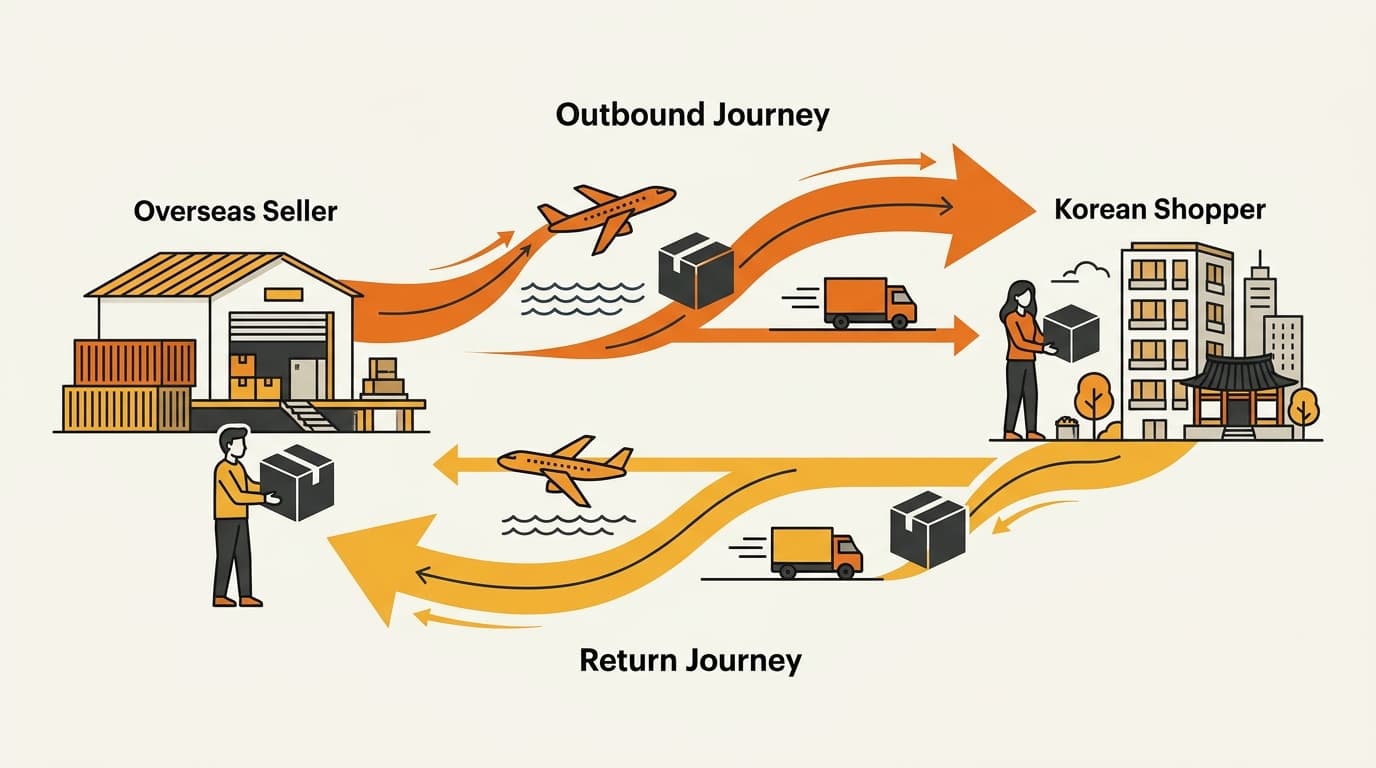
Can Coupang Buyers Pay Two Charges With Free Shipping?
On Coupang, free shipping can still leave the buyer paying two return charges: the original delivery cost and the cost of sending the parcel back to the seller.
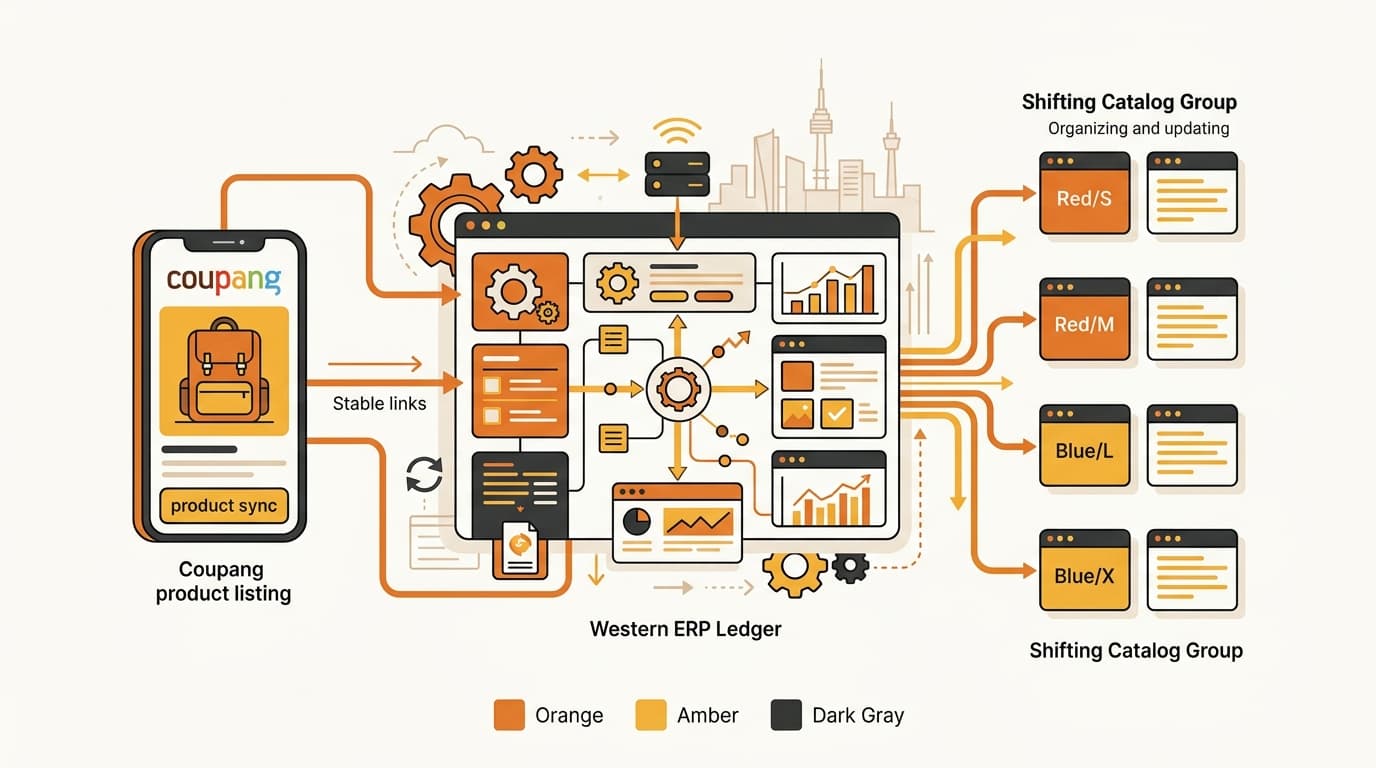
Coupang Product IDs: One ID Cannot Cover Every Variant
One Coupang product ID cannot cover every ERP variant; keep your brand SKU as the main key and map listing, option, edit, and order values to each SKU.