
Korean-Language Labeling: How Hangul Label Studio Works
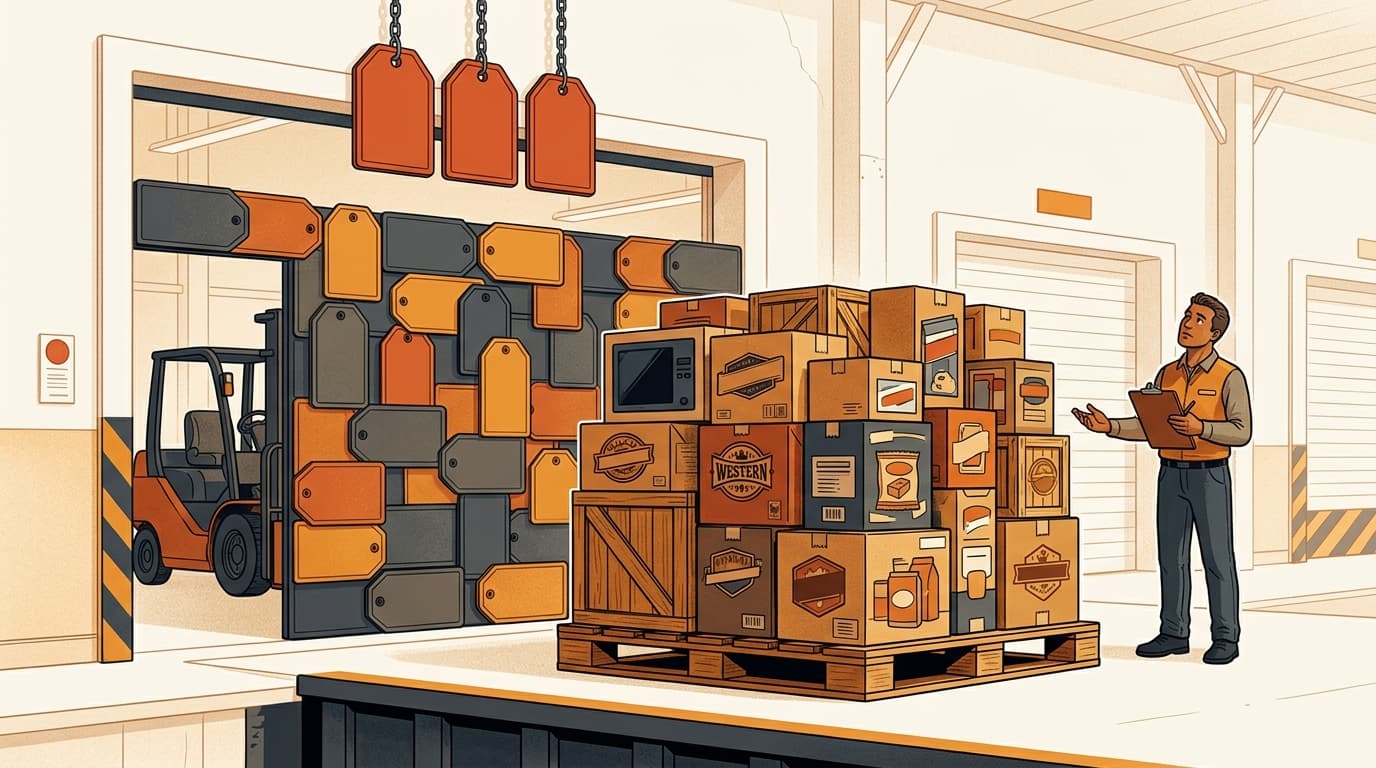
Every consumer product sold in Korea must carry a product-specific Korean-language disclosure label (표시사항) — a legally prescribed set of fields that varies by product category. A missing or non-compliant label can halt an entire shipment at the warehouse gate, even if the product itself is compliant and shippable. Kontactic's Hangul Label Studio automates the label generation, compliance mapping, and evidence packaging that traditionally required weeks of translator-designer loops.
The pattern is consistent. A brand has proven Korean demand, a finished product, and freight booked — and then the cargo stalls because the packaging carries no compliant Korean disclosure label. Nothing about the product is wrong. The paperwork around it is simply in the wrong language and the wrong format.
Why a Korean disclosure label is not just a translation
The short answer is that 표시사항 is a legal artifact, not a courtesy translation. Korean law prescribes which fields must appear, how they are worded, and what format they take — and those requirements change depending on what the product is.
A textile carries different mandatory fields than a synthetic resin container, which carries different fields again than a pet food. Fiber composition, country of origin, importer details, safety cautions, storage instructions, net content — the exact set is dictated by the product's category, not by what a brand thinks is useful to print. This is why a well-designed English or EU label does not satisfy the requirement even when it contains the same information. The obligation is about the prescribed Korean fields, in the prescribed Korean form.
Korean disclosure label (표시사항) is the mandatory, category-specific set of Korean-language disclosure fields that must appear on a product sold in Korea. The fields and format are prescribed by regulation and vary by product category — textiles, synthetic resins, food, and others each carry a different required set.
Handled ad hoc, this becomes a slow loop: source a translation, hand it to a designer, redo the packaging artwork, and hope the field set is complete and correctly worded. Every SKU repeats the loop. Every category has a different answer. And a mistake usually does not surface until the goods are already in Korea. If you want to see how varied those category rules get, we've written separately about how we map each SKU to the right Korean regulation before anything ships.
The Label Studio: auto-filling, rendering, and barcoding
The Label Studio replaces the translator-and-designer loop with one guided workflow inside the Kontactic Seller Center. In practice, it does three concrete things in one place.
- Auto-fills the mandatory disclosure fields. For a given product category, the required 표시사항 fields are populated in the correct Korean wording, so you are not guessing which fields the regulation demands or how to phrase them.
- Renders print-ready labels. The Studio outputs the finished label as SVG, PNG, and PDF — files a printer can use directly, not a rough draft that needs another design pass.
- Generates the barcode. The barcode is produced alongside the label in the same tool, rather than sourced from a separate vendor and pasted in later.
The point is to collapse a multi-vendor, multi-week loop into a self-contained step. There is no separate translation firm to brief and no separate design vendor to wait on. The compliant Korean fields, the layout, and the barcode all come out of the same workflow.
Because guesswork is where labeling goes wrong, the Studio is built as a guided multi-step wizard with real reference-label examples. Instead of reading a regulation and interpreting what a compliant label should look like, you work from a concrete template that shows the shape of a correct label for your category. The reference examples do the thing that regulation text cannot: they show you the finished target.
“A brand can have proven demand and a shippable product and still be blocked at the warehouse door because its packaging lacks a compliant Korean disclosure label. Our job is to make that the easy step, not the wall.”
Kontactic team — Seller Center, Kontactic
How labels unlock clearance vs. certification gaps
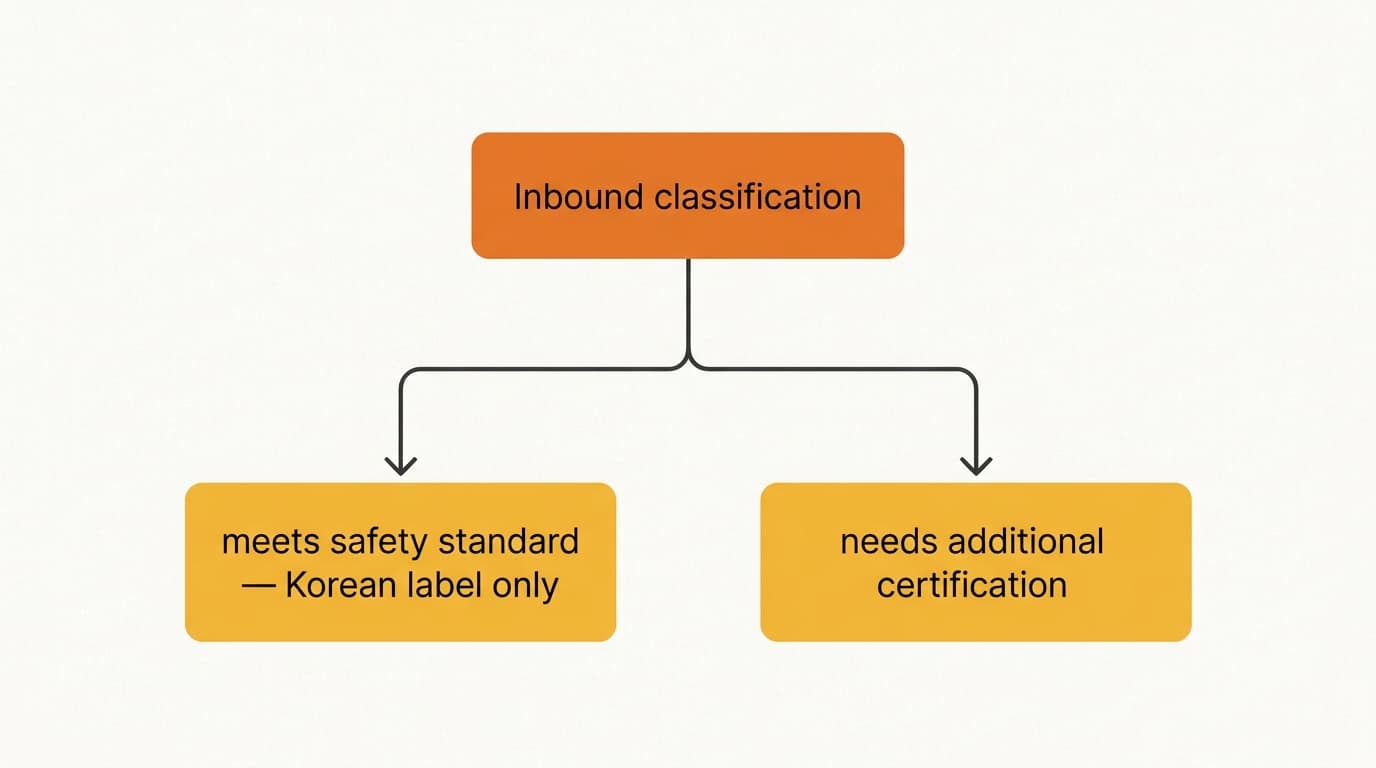
Here is the part brands consistently underestimate: for a large share of products, the Korean label is the single thing standing between arrival and sellability. To make that visible, our inbound classification now treats "meets safety standard — Korean label only" as a first-class outcome.
That matters because it separates two very different situations that used to get lumped together:
- "meets safety standard — Korean label only" — the product already satisfies the underlying safety standard, and the only remaining obligation is a compliant Korean disclosure label. Generate the label, apply it, and the item can clear into sale.
- "needs additional certification" — the product requires something more than a label, such as category-specific testing or a certificate, before it can be sold.
When an item falls into the second bucket, sellers are notified that it needs additional certification rather than just a label — so nobody prints a perfect label for a product that was never going to clear on labeling alone. Distinguishing the two upfront is the difference between a fast fix and a stalled shipment. It also means that when the answer really is "label only," you are not left wondering whether some hidden certification is still lurking.
If your product does need certification on top of the label, that is a different track — and one we screen for before you ship. We've described that in how we screen every SKU for Korea certification before it ships, so a KC or import obligation surfaces early rather than at the border.
Batch evidence submission at inbound
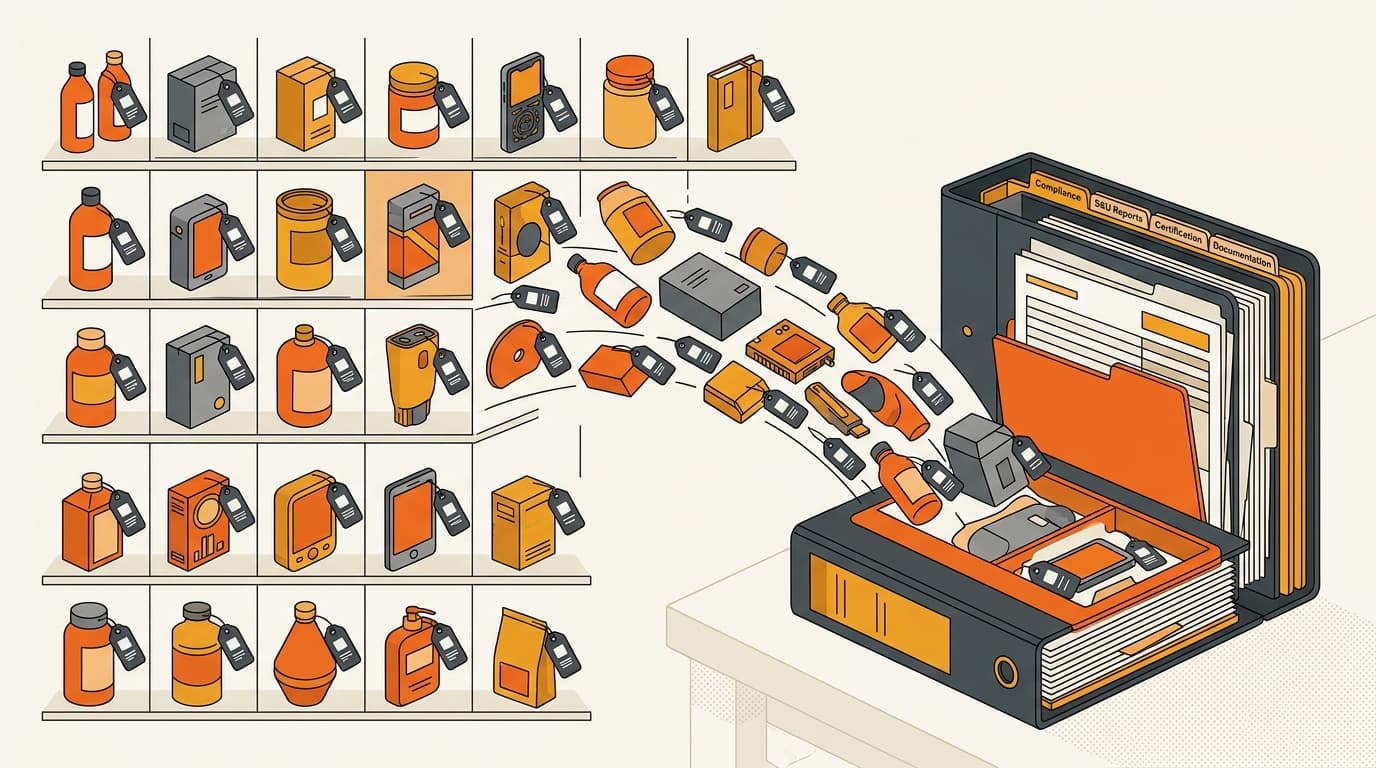
A single compliant label is only useful if you can prove it — at scale. That is why the Studio pairs label generation with batch label-evidence submission: you document label compliance across many SKUs at once at inbound, rather than assembling evidence one product at a time.
For a brand launching a catalog rather than a single hero SKU, this is the difference between a manageable step and a spreadsheet nightmare. You are not chasing per-SKU paperwork through email; you are submitting the label evidence as a batch, tied to inbound. And because the workflow flags which items need additional certification versus just a label, the batch does not silently hide a product that was never going to clear.
The category-specific labeling rules are built into all of this. Textiles, synthetic resins, pet food, and other categories each carry their own required field set, and those rules live inside the workflow — so brands are not left interpreting Korean regulation on their own. This is the same philosophy we apply to the whole entry sequence: get operations ready before spend, so demand meets a product that can actually be sold. If that sequencing question is where you are, our note on operational readiness before ad spend covers how we think about it.
Common questions about Korean labeling
Does every product sold in Korea need a Korean disclosure label? Yes. Korean law requires a product-specific Korean-language disclosure label (표시사항) with mandatory fields. The exact fields and format are prescribed by regulation and vary by product category.
Is a good English or multilingual label enough? No. The obligation is about the prescribed Korean fields in the prescribed Korean format. A label can contain all the right information in English and still not satisfy the requirement.
Do the required fields differ by product type? Yes. A textile, a synthetic resin item, and a pet food each carry a different mandatory field set. That is why the category-specific rules are built into the Label Studio workflow rather than left to interpretation.
What if my product needs more than a label? Then it falls into the "needs additional certification" outcome at inbound, and you are notified — so you don't mistake a certification gap for a simple labeling fix. European cosmetics brands, for example, often stall on labeling and Functional review; we've covered what tends to break in inbounding EU cosmetics to a Korean 3PL.
Get your SKUs labeled and cleared for Korea
Talk to Kontactic about generating compliant Korean disclosure labels and packaging the inbound evidence your products need to clear into sale.
About the author
Korean and global e-commerce operators with 15+ years of cross-border experience, led by CEO Isaac Lee — KOTRA-certified consultant and official lecturer for Seoul City and the Korea Customs Service. We run Korea market entry for Western brands every day; this blog documents what we learn in the field.
More about Kontactic →Related Articles

How Do I Renew My Korean Entity Service Before It Lapses?
See how Korean entity service renewal works: billing starts three months before the end date, with warnings two and one months ahead so HQ can respond in time.

How Does Seller Center Make Korean Contracts Reviewable?
Kontactic Seller Center turns Korean contract translation into a structured review workflow, so HQ can approve scope while the Korean document stays the local execution record.
How Representative Documents Support Korean Filing Work
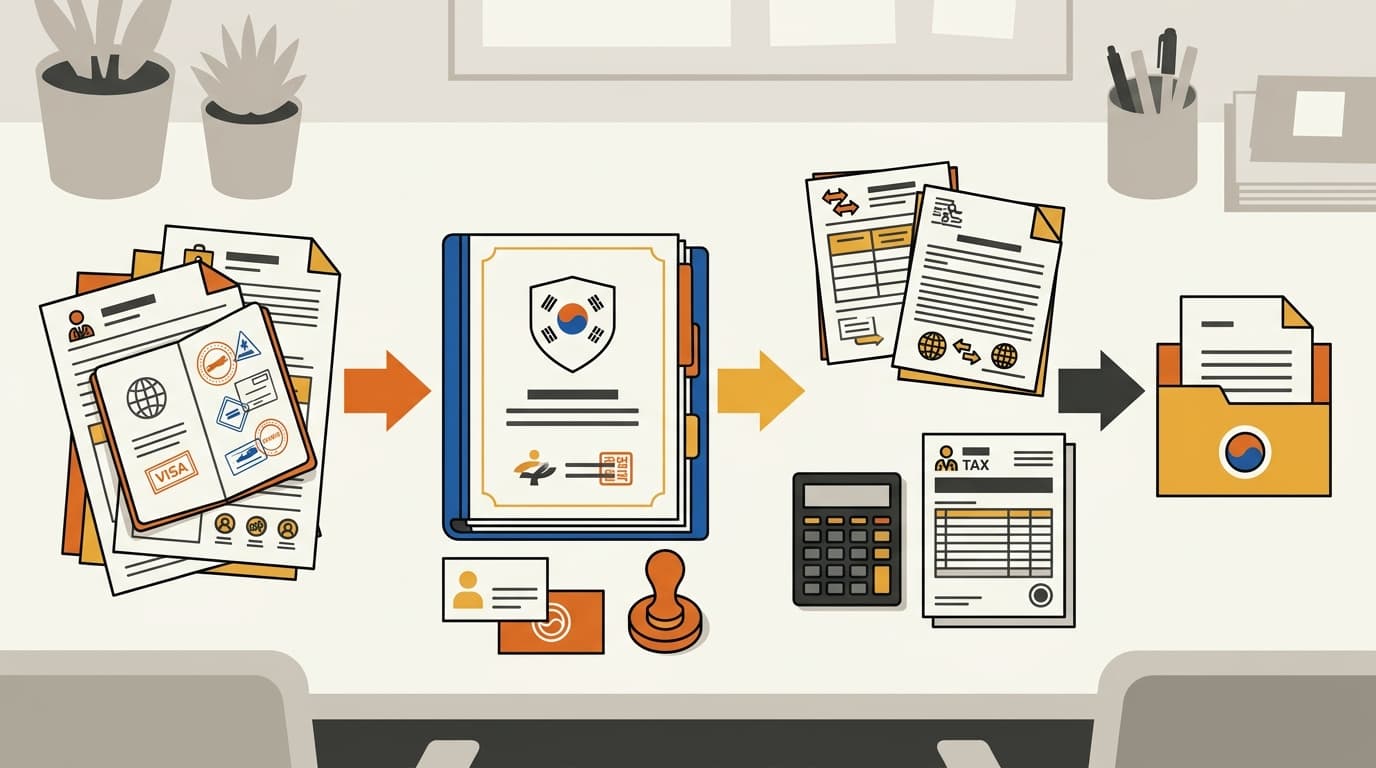
Kontactic Seller Center connects representative documents and translation with delegated Korean filing work, so evidence becomes records and local action.