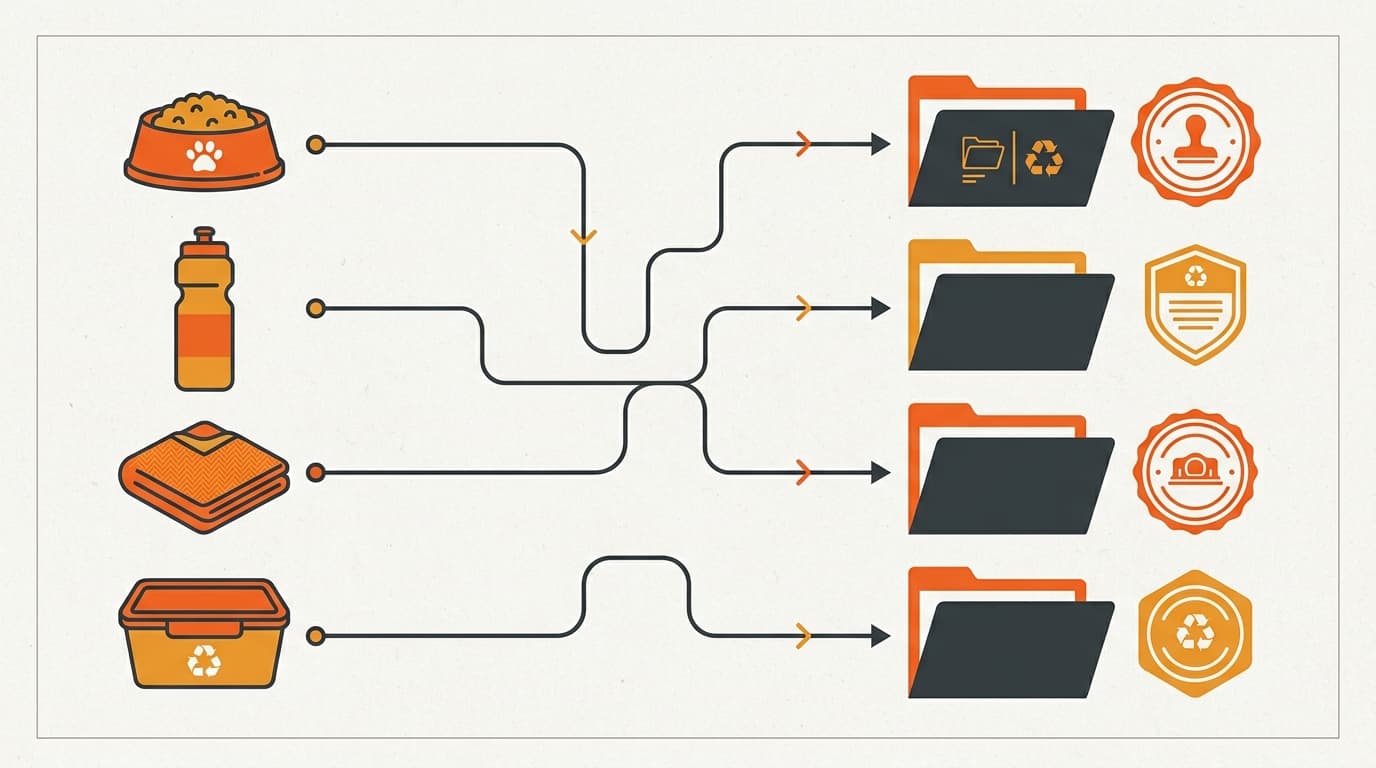
How We Map Each SKU to the Right Korean Regulation
"Korean certification" is not a single checkbox. It is a set of different laws, each governing a different product category — and a pet food, a water-contact item, and a textile each answer to a separate one, with separate documentation and separate Korean-language labeling duties. Treating them uniformly is how goods get held or rejected at the border.
So the first real question isn't "is my product certified?" It's "which regime does this exact SKU fall under, and what does that regime demand before it ships?" We answer that per product, up front, using a regulation knowledge base we maintain inside the Seller Center — before a single shipment is committed.
Why "Korean certification" is the wrong mental model
The phrase suggests one authority, one test, one certificate. That is not how Korea regulates imported consumer goods.
Requirements diverge sharply by category. A pet food and treat line falls under Korean feed and animal-product rules. A product that contacts drinking water is governed by hygiene-safety standards written for water-contact materials. Textiles have their own labeling law. A plastic housing or container runs into synthetic-resin safety standards. These are genuinely different bodies of rules — different documents, different responsible agencies, different Korean-language obligations — not four flavors of the same form.
This matters because the failure mode is expensive. A brand that assumes uniform requirements buys freight, ships DDP, and only learns at customs that a specific SKU needed a document it never prepared. Now the cargo sits while the brand scrambles — the most avoidable and most costly place to discover a compliance gap.
Category-specific compliance means the legal requirement attaches to what the product is, not to the brand or the shipment as a whole. Two SKUs in the same box can sit under two different Korean laws and carry two different labeling duties.
The same lesson shows up across categories we've written about elsewhere: a whitening claim can reclassify a cosmetic as a functional cosmetic requiring MFDS review, and pet food sold locally on Coupang triggers its own Seller of Record and registration requirements. The unifying point is that the rule follows the product.

The categories we keep a living knowledge base for
We maintain a regulation knowledge base that covers distinct product categories, and we keep it current because the rules move. Right now it spans, among others:
- Pet food and treats — governed by Korean feed and animal-origin product rules, with their own import and documentation path.
- Drinking-water hygiene-safety — products that contact drinking water fall under hygiene-safety standards written specifically for water-contact materials.
- Textiles — subject to a dedicated labeling regime, including mandatory Korean-language fiber and care information.
- Synthetic resins — plastic and resin materials fall under safety standards for synthetic-resin products, again with Korean-language labeling obligations.
The point of a living knowledge base — rather than a one-time lookup — is that Korean requirements are updated, and a category that was clear last year can pick up a new document or a new label field. When we screen a SKU, we're checking it against the current state of the rule, not a static memory of it.
“The rule follows the product, not the shipment. Once you accept that, the whole job changes from filing paperwork to classifying every SKU correctly before anything moves.”
Kontactic Operations — Seller Center team
This is the same discipline behind how we screen every SKU for Korea certification before it ships — the knowledge base is what makes that screen fast and specific instead of a generic warning.
We classify each SKU as "needs certification" or "doesn't" — and stop there
Not every product needs a certificate. A large share of a typical catalog clears without category-specific certification at all. The waste — and the panic — comes from treating the whole catalog as if it does, or as if none of it does.
So the first pass on any product line is a binary classification: does this SKU trigger a certification or registration duty, or not? That single decision reshapes the workload. Effort concentrates on the SKUs that genuinely need it, and the rest move without being dragged through paperwork they were never subject to.
For a founder, this is the practical difference between "your catalog needs Korean compliance work" (true but useless) and "these four SKUs need documents, these three need Korean labels added, the other twelve are clear" (actionable, and something you can budget against). That kind of per-SKU verdict is what turns compliance from a vague fear into a line item.

Korean-language labeling is a legal duty, not a nicety
For certain categories, a Korean-language label is not optional polish — it's a condition of legal sale. Textiles must carry Korean fiber and care information. Synthetic-resin products carry their own mandatory Korean labeling. Miss it, and the product isn't merely less appealing to Korean shoppers — it can be non-compliant to sell.
We flag this per product, up front, at the same time we classify certification need. That timing matters. Label requirements are cheap to satisfy when they're known before artwork and packaging are finalized, and expensive when a container has already landed with the wrong label. Knowing which SKUs need a Korean label — and which fields that label must contain — before you print is the whole game.
Documentation gets reviewed before the request is filed — in your language
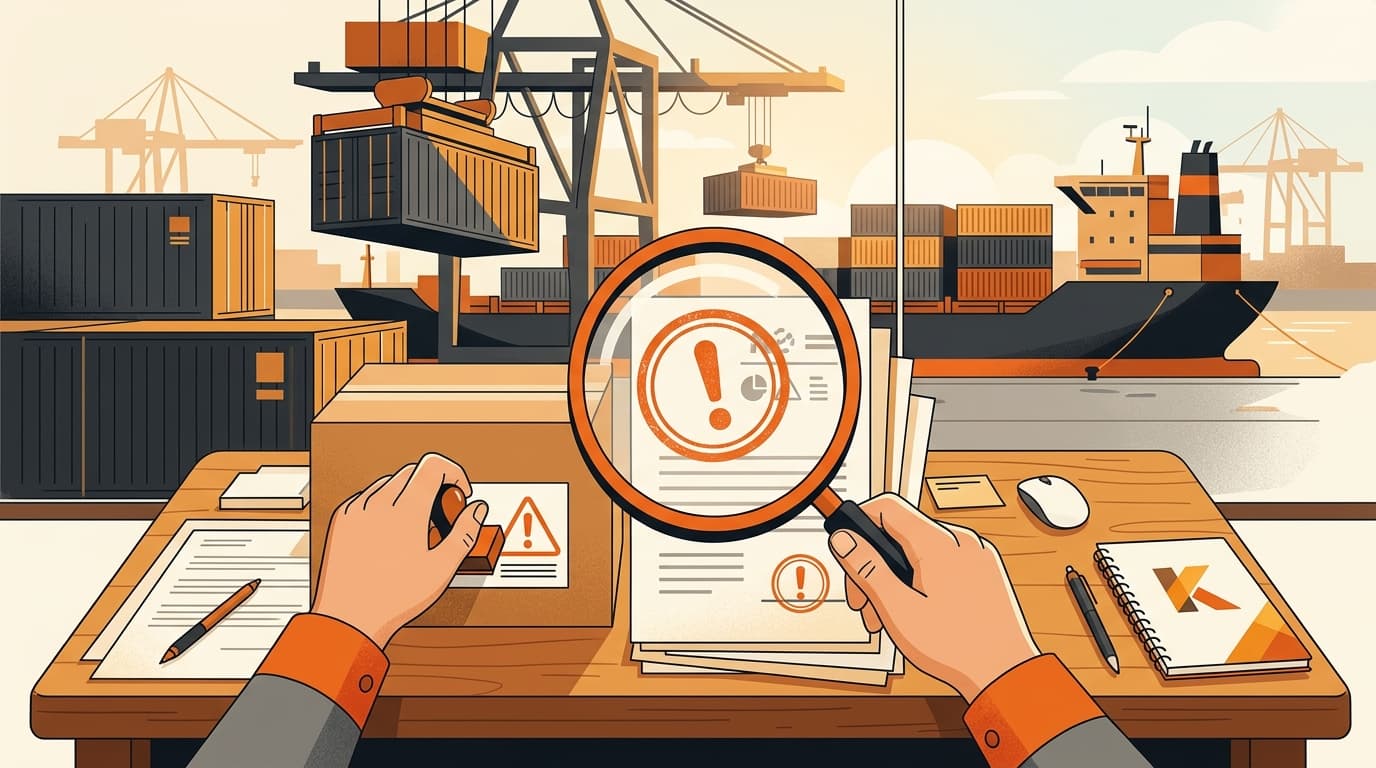
The most useful part of this, in our experience, is that it runs proactively. Documentation can be prepared and reviewed before a formal request is filed, so that a predictable rejection or supplement request is caught at the desk instead of by an examiner weeks later.
When something is short — a missing field, a document that won't support the claim, a label that lacks a required element — that reject/supplement feedback is delivered in the brand's own language. A Western founder shouldn't have to parse a Korean-language deficiency notice to understand that a test report doesn't cover the right standard. The feedback loop closes faster when the brand can read it directly and fix it directly.
The real payoff: opt a product out early instead of at the border
The most valuable outcome isn't always a green light. Sometimes it's an honest red one, early.
If a specific SKU carries a compliance burden that isn't worth it — a certification that costs more than the product's Korea potential justifies, or a labeling change the brand can't make — the brand can opt that product out of sale before committing freight and capital to it. That is a far better outcome than discovering the same blocker after the cargo is on the water, or worse, sitting at a Korean customs bonded warehouse.
Going local in Korea is mostly bureaucratic sequencing, and this is one of the earliest and highest-leverage points in that sequence. Deciding which SKUs to ship — and confirming exactly what each needs — before anything moves is what keeps the first shipment from becoming the first stall. Products that fall into licensed import categories like food and hygiene items carry their own registration steps, and the same per-SKU classification logic decides whether a given item is worth taking down that path at all.
Common questions
Does every product need Korean certification to sell on Coupang? No. Many SKUs clear without category-specific certification. The job is to identify which ones actually trigger a duty and which don't, rather than assuming a single answer for the whole catalog.
Which product categories have the most divergent rules? Pet food and treats, drinking-water hygiene-safety products, textiles, and synthetic-resin products each fall under different Korean laws with different documentation and labeling duties. The details of KC certification itself vary too, as our KC certification cost and timeline guide lays out.
Is Korean-language labeling really mandatory? For certain categories — textiles and synthetic resins among them — yes, Korean-language labeling is a legal condition of sale, not a marketing preference. It should be confirmed before packaging is finalized.
Can I find out my obligations before I ship? That's the entire point of classifying each SKU up front. Documentation can be reviewed proactively, and a product can be opted out of sale early if its compliance burden isn't worth it — rather than discovering a blocker at customs.
Know exactly what each SKU needs before you ship
Talk to Kontactic about mapping your catalog to the right Korean regulations — SKU by SKU — before you commit freight or capital.
About the author
Korean and global e-commerce operators with 15+ years of cross-border experience, led by CEO Isaac Lee — KOTRA-certified consultant and official lecturer for Seoul City and the Korea Customs Service. We run Korea market entry for Western brands every day; this blog documents what we learn in the field.
More about Kontactic →Related Articles

How Does Seller Center Make Korean Contracts Reviewable?
Kontactic Seller Center turns Korean contract translation into a structured review workflow, so HQ can approve scope while the Korean document stays the local execution record.
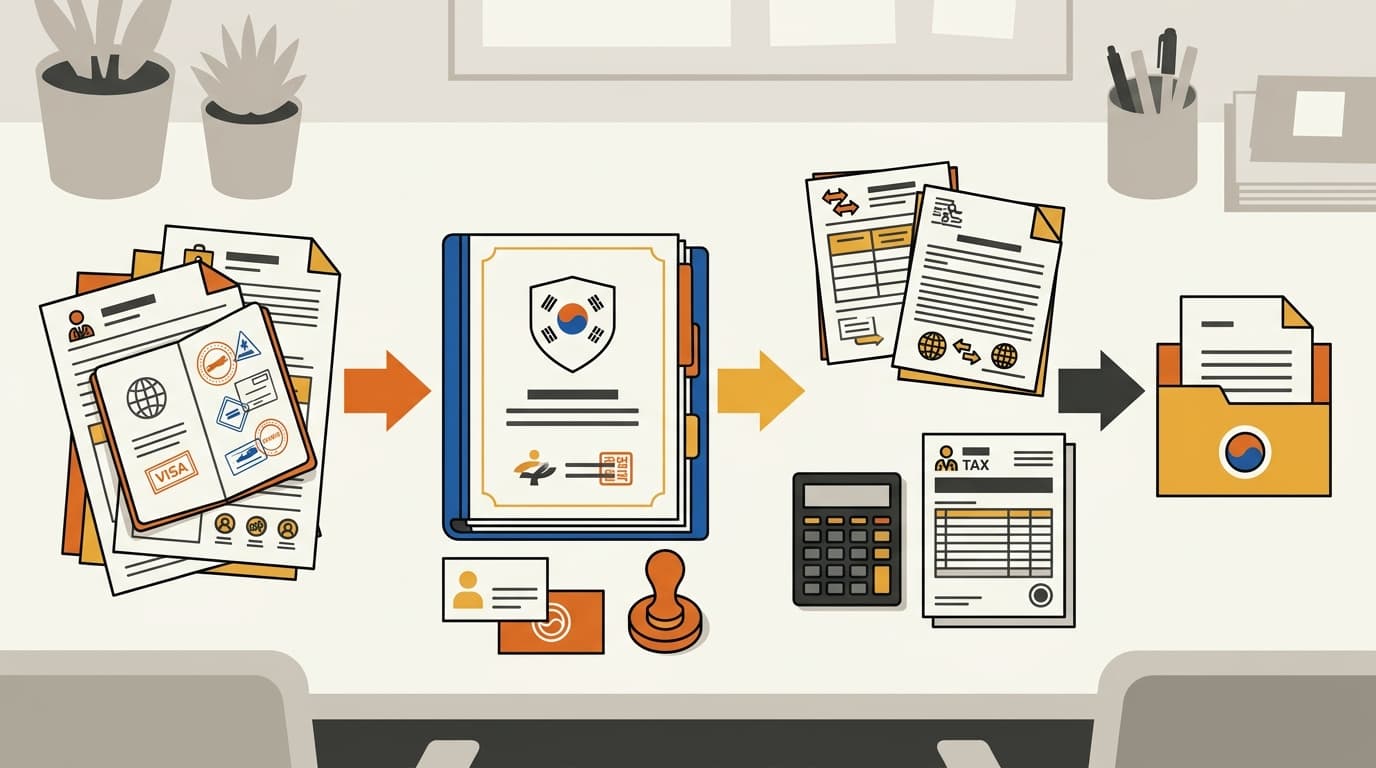
How Representative Documents Support Korean Filing Work
Kontactic Seller Center connects representative documents and translation with delegated Korean filing work, so evidence becomes records and local action.
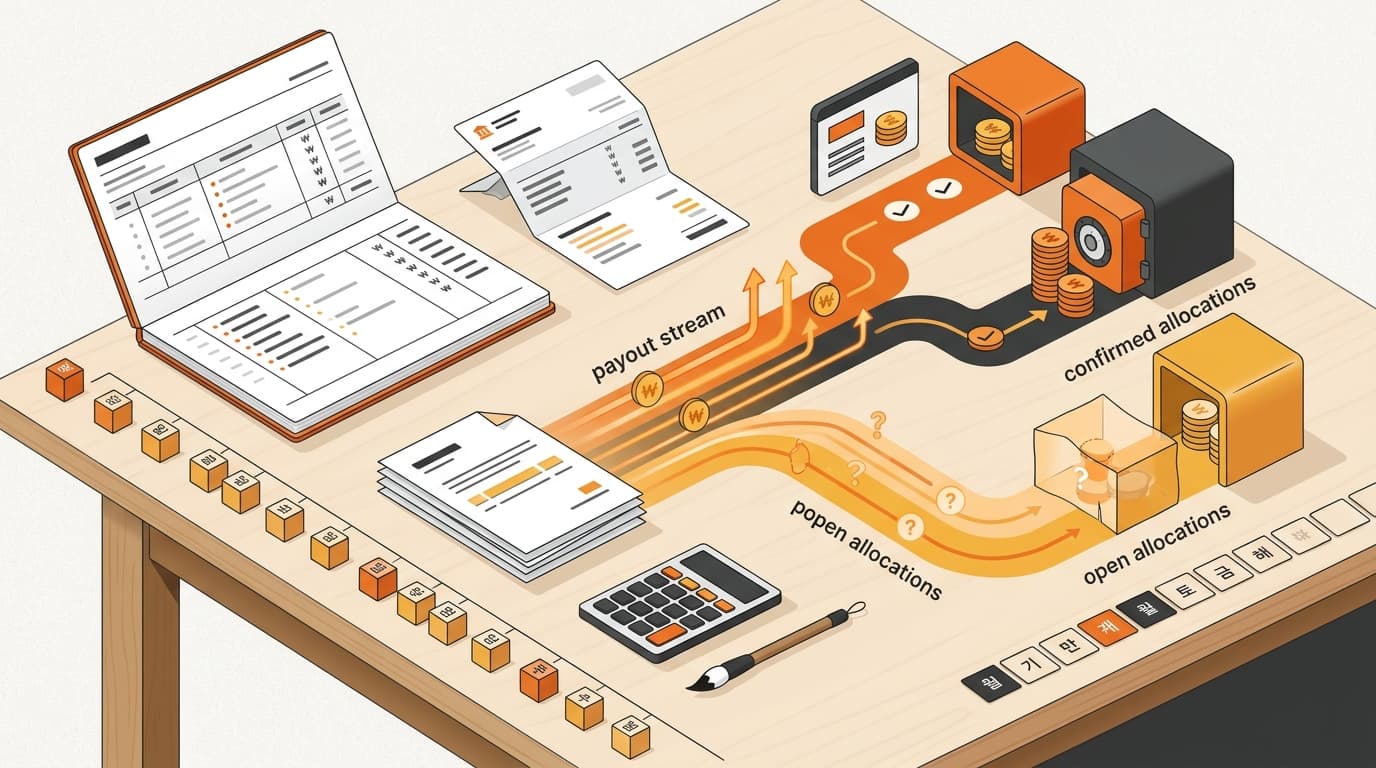
Coupang Settlement Periods: How Kontactic Reconciles
Kontactic closes Coupang settlement periods by confirming allocations, checking bank evidence, and keeping FX differences and late corrections visible.