
Repatriating Korea Sales Revenue to the US or Europe
Repatriating revenue from Korean sales back to a US or EU parent is mostly an upstream design problem, not a banking problem. Once Korean income tax has been paid on it, money moves out of Korea relatively cleanly under the Foreign Exchange Control Law (외국환거래법). The harder questions are decided long before the wire is sent: who imports the goods, whose name is on the Coupang account, which entity collects settlement, and whether you sell cross-border at all.
This guide walks through the structures foreign brands actually use, what each one means for cash flow, and the operational decisions that determine whether your Korean revenue is yours to repatriate in the first place.
What "repatriation" really means for a Korea ecommerce brand
The standard repatriation articles — written for multinationals with foreign subsidiaries holding cash — assume the money is already sitting in a foreign corporate account. For most Western consumer brands entering Korea, that assumption does not hold. The money is sitting somewhere in a chain that looks like this:
Korean consumer → Coupang or Naver SmartStore → marketplace settlement account → seller's Korean bank account → outbound wire → US or EU parent.
Each link is governed by different rules. Marketplace settlement runs on Coupang's payout calendar. The Korean bank account is governed by Korean banking and FX reporting requirements. The outbound wire is where US or EU tax planning kicks in. And the parties on each link depend entirely on how you set up the import and sales structure.
So before talking about wires and FX, the real question is structural: which entity is sitting in the middle?
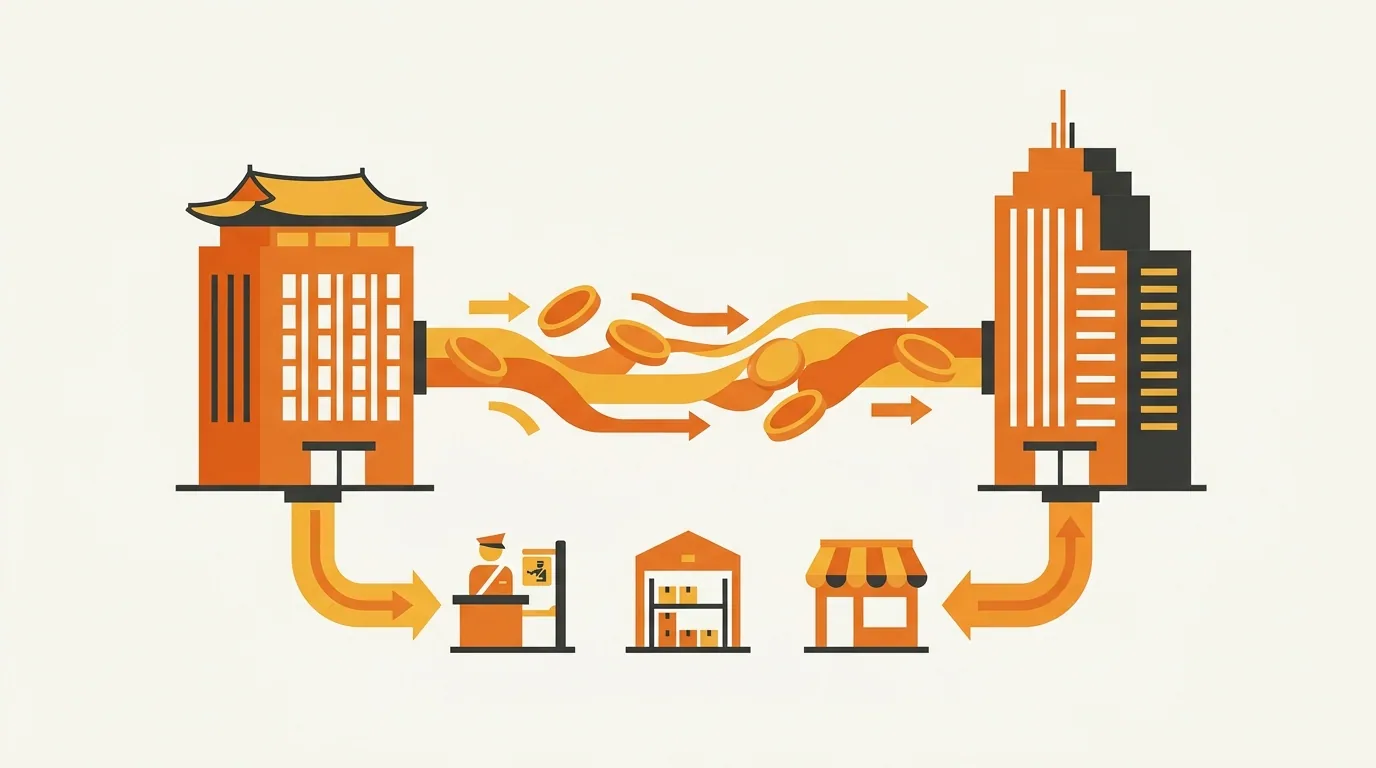
The four structures, and what each one means for repatriation
In our experience, foreign brands selling into Korea end up in one of four structures. Each has a different repatriation profile.
1. Pure cross-border (no local presence)
You ship from the US or EU directly to Korean consumers via Amazon Global, Shopify international shipping, or your own DTC site. There is no Korean entity, no Korean bank account, and no Korean tax filing.
Repatriation in this case is trivial — there is nothing to repatriate, because the revenue never enters Korea. The customer's card is charged in your home currency, and the money lands directly in your home-country account. The trade-off is that you cannot sell on Coupang Rocket Growth (로켓그로스), Korean consumers face friction and longer shipping, and the addressable market is a fraction of what going local opens up. We have written separately on why cross-border orders understate your Korea opportunity and on the framework for choosing between cross-border and Rocket Growth.
2. Importer of Record (IoR) partner, no local entity
You use a Korean partner as your Importer of Record and Seller of Record. The partner imports the goods under its own business license, lists them on Coupang under its own seller account, collects settlement into its own Korean bank account, and remits the net amount to you under a services or consignment agreement.
In this model, your relationship with Korea is contractual, not corporate. The partner handles customs, KC certification (where applicable), 10% VAT, and Coupang fees. What you receive is a clean monthly remittance, usually denominated in USD or EUR, after platform fees, 3PL costs, ad spend, and the partner's service fees are netted out. There is no Korean corporate income tax exposure on your side, because you are not a Korean taxpayer — the partner is.
This is the structure Kontactic's Spark service runs. The agreement explicitly defines "Net Remittance Amount" as the final amount paid to the client after defined deductions, and treats inventory as consignment — the client retains ownership and economic risk but does not need to be a Korean importer or taxpayer to access the market.
3. Your own Korean entity, you operate it
You set up a Korean limited company (유한회사 or 주식회사), staff it, open a corporate bank account, file VAT and corporate tax, and act as your own IoR and SoR on Coupang. Money flows from Coupang into your Korean subsidiary's account, sits there as retained earnings or working capital, and gets repatriated to the parent via dividends, intercompany service fees, or royalty payments — each of which has different withholding and treaty consequences.
This is the textbook structure for a brand committed to Korea long-term, but it is heavier than most brands assume. Korean corporate bank accounts have become the last operational wall for foreign-owned setups, with new accounts often defaulting to a KRW 1.3M daily transfer limit. And tax offices have tightened scrutiny on non-resident-CEO entities with low capital and virtual offices. These are not deal-breakers, but they shape the timeline.
4. Your own Korean entity, operated by a partner
A hybrid: you own the Korean entity, but a service partner runs commerce operations — Coupang account management, listings, ads, customer service, Rocket Growth coordination, returns. The bank account is yours, settlement lands in your subsidiary, and repatriation is a parent-subsidiary decision made on your own timeline.
This is what Kontactic's Flame tier covers under Layer 1 (entity administration) and Layer 2 (commerce operations) — the entity is the client's, and Kontactic acts as administrative representative and operations team rather than as the legal seller. The repatriation mechanics here are identical to Structure 3, but the operational lift is dramatically lower.
Why the IoR question decides everything downstream
Most repatriation guides skip past Importer of Record entirely. That is a mistake when you are selling physical goods into Korea, because the IoR question determines who can legally hold and sell the inventory — and therefore who collects the revenue.
The Importer of Record is the entity that files the customs declaration, pays the import duties and 10% VAT at the border, and is registered with Korea Customs Service (관세청) as the legal importer. If your Korean partner is the IoR, the inventory legally belongs to (or is consigned to) them at the moment of clearance, and they are the legal seller downstream. If you are the IoR through your own Korean entity, the inventory and the revenue are yours from day one.
This matters for repatriation in two ways:
First, it determines whose books the revenue is recorded on. Revenue on a partner's books reaches you as a service-agreement remittance, taxed in the partner's hands first. Revenue on your own Korean entity's books reaches you as a dividend or intercompany payment, taxed in your subsidiary's hands first and then again (with credits, hopefully) at the parent.
Second, it determines what you can actually do on Coupang. Coupang's Rocket Growth requires a Korean business registration number and a Korean bank account for the Seller of Record. Without one — yours or a partner's — you cannot list on Rocket Growth, which means no Rocket badge, no Coupang fulfillment, and dramatically lower conversion. We covered the specifics of IoR responsibilities in a separate post; the short version is that for a foreign brand, the IoR question is also the SoR question, which is also the bank account question, which is also the repatriation question.
Coupang settlement: when the money actually leaves the platform
Once you have decided who the seller is, the next layer is the platform's payout calendar. Coupang's default settlement schedule pays sellers on roughly the 20th business day of the following month — which works out to close to 60 calendar days from the sale date for early-month transactions. Weekly and fast-settlement options exist but come with fees and eligibility conditions. We unpacked the trade-offs in the Coupang settlement timelines guide.
For repatriation planning, this means two things.
The cash that lands in your Korean account each month is net of:
- Coupang's platform fees (selling commission)
- Rocket Growth operating costs — storage, fulfillment, returns handling
- Returns and cancellations from prior periods
- 10% VAT (collected from the consumer, owed to the National Tax Service)
- Any platform-level promotions, coupons, or chargebacks
And your working capital cycle is longer than your cash conversion intuitions from US or EU marketplaces. Only after those deductions does the number on your bank statement reflect what is genuinely yours to either reinvest in Korea or repatriate. We mapped this in detail in who pays for what in Korea.

The Korean side: FX, tax, and the actual outbound wire
Korea's Foreign Exchange Control Law (외국환거래법) is, in practice, permissive for legitimate business flows. Once Korean corporate income tax and VAT have been settled, post-tax earnings can be transferred out without requiring special FX approval for most ordinary business amounts — the bank simply reports the outbound wire to the Bank of Korea as part of routine FX reporting.
In practice, the friction points are:
Documentary requirements. Korean banks need to see the underlying contract — dividend resolution, intercompany service agreement, royalty contract — and matching invoices or board resolutions. Banks will not wire significant amounts based on a verbal explanation. Build the paper trail before you need the wire.
Withholding tax. Dividends from a Korean subsidiary to a foreign parent are subject to Korean withholding tax. The applicable rate depends on the bilateral tax treaty between Korea and the parent country — the US–Korea and most EU–Korea treaties reduce the statutory rate, but you have to claim the treaty rate through proper documentation. Get a Korean tax advisor involved before the first dividend, not after.
FX timing. KRW is liquid against USD and EUR, but bid–ask spreads at Korean retail banks are not the friendliest. For meaningful sums, brands typically negotiate rates with their corporate banking relationship or use a dedicated FX provider rather than the default banking-app rate.
The home-country side. US C-corporations holding shares in a Korean CFC face Subpart F, GILTI, and Section 245A considerations that we are not the right people to advise on. EU parents face their own participation-exemption and CFC rules. The point is that the Korean side of the wire is the simpler half — the home-country tax planning is where you genuinely need local counsel.
Where KC certification fits in the repatriation conversation
It seems unrelated, but KC certification (KC 인증) is part of the repatriation chain because it is part of the import chain. Many product categories — electronics, electrical appliances, children's products, certain home goods — require KC certification before they can be legally imported and sold in Korea. Without it, customs will not clear the goods, the IoR cannot file the import, there is no inventory in Korea, and there are no sales to repatriate.
KC certification is registered to a specific importer. If your IoR is a partner, the KC certificate is typically held by that partner. If you later switch to your own entity, you will need to re-register or transfer the certification. That is a real switching cost most brands do not see coming. We have written about how KC certification interacts with Coupang and entity choice and about pre-testing against the Korean standard to avoid expensive lab re-runs.
The practical takeaway: if you expect to eventually move from a partner-IoR model to your own entity, scope that transition into your initial KC application — or at least understand what the migration will look like.
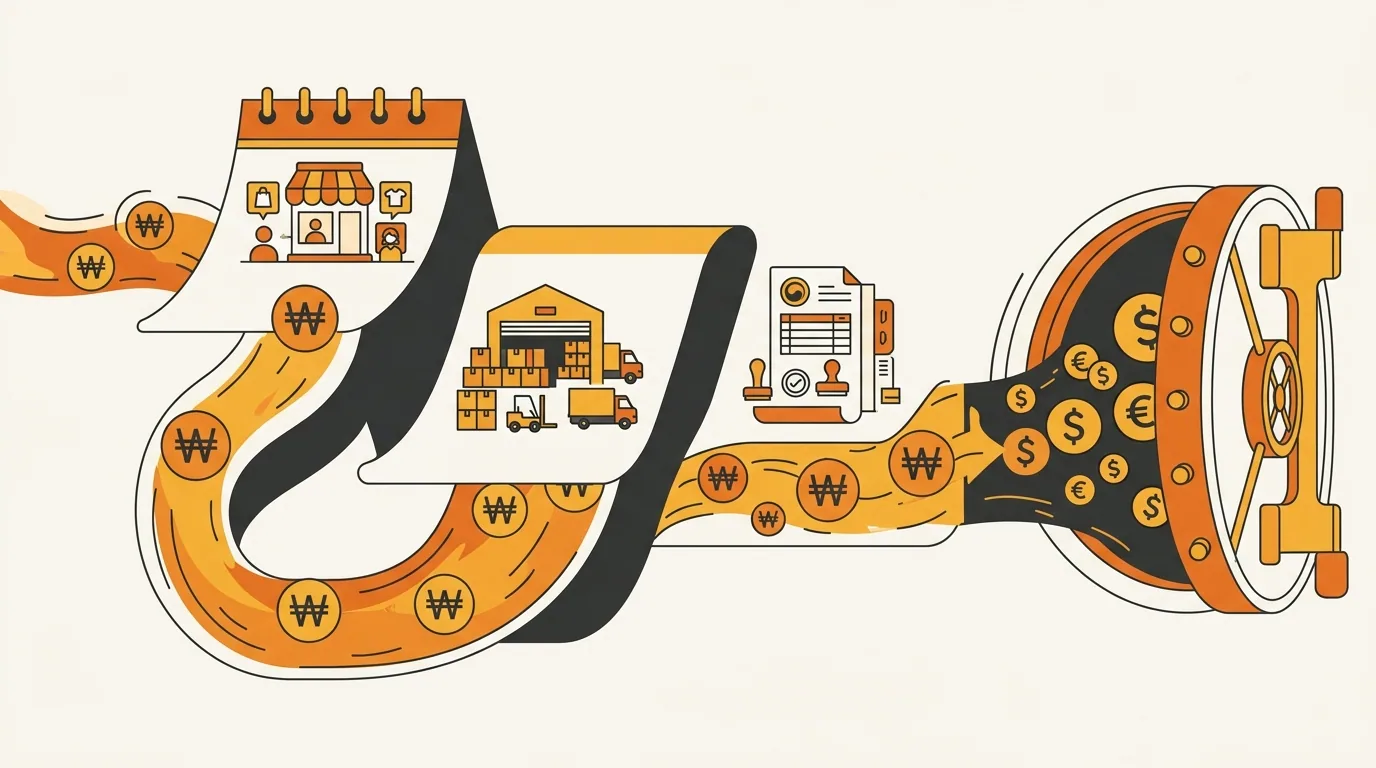
Cross-border vs going local: the repatriation lens
A lot of brands ask the repatriation question because they are weighing whether going local is worth the additional structure. Looked at narrowly, cross-border is the simplest repatriation path: there is no Korean money to bring home, because there is no Korean entity holding it.
But the math usually breaks in the other direction. Cross-border ceilings on conversion, shipping cost, and platform access mean the addressable revenue is a fraction of what local sales can support. Brands going from cross-border to local — registered Korean IoR, Coupang Rocket Growth, Korean-language PDPs — typically see meaningful order-volume increases versus their cross-border baseline. The extra operational and tax structure is the cost of accessing that volume; the repatriation mechanics, while not free, are well-trodden.
The decision is therefore less "how do I repatriate?" and more "is the addressable Korea revenue large enough to justify a structure that produces repatriable income?" For brands already receiving cross-border orders from Korean consumers, the answer is usually yes, because cross-border demand is the leading indicator.
A practical sequencing for brands starting now
If you are at the awareness stage and trying to map out what the next 6–9 months look like, the sequence we typically see work is:
- Quantify the cross-border baseline. Pull your Korea-shipped orders from existing channels. This is the empirical floor of local demand.
- Decide the structure. Partner IoR/SoR (fastest, lowest lift, partner books the revenue), your entity operated by a partner (medium lift, your books), or your entity self-operated (highest lift, full control).
- Sequence compliance. KC certification, MFDS or APQA registration, and any category-specific licenses go first. Customs cannot clear what is not certified.
- Sequence operational setup. Coupang seller account, Rocket Growth inbound, Korean PDP, Korean-language customer service. None of these are repatriation steps, but all of them gate the revenue you eventually want to repatriate.
- Sequence the financial plumbing. Korean bank account, FX provider relationship, intercompany agreements with the parent, withholding-tax documentation, home-country tax counsel.
Most of the work that determines whether your Korean revenue is repatriable happens in steps 2–4. Step 5 is the part the standard repatriation articles focus on. It matters, but it is the smaller half of the problem.
The hardest part of repatriating Korea revenue is not the wire transfer. It is making sure that, six months earlier, you set up the import, seller, and bank account structure so that there is repatriable revenue sitting in a place you can wire it from.
Talk to Kontactic about your Korea entry structure
If you are weighing partner IoR vs your own Korean entity — and trying to understand what each means for cash flow back to your parent — we can walk you through the trade-offs based on your category and stage.
About the author
Korean and global e-commerce operators with 15+ years of cross-border experience, led by CEO Isaac Lee — KOTRA-certified consultant and official lecturer for Seoul City and the Korea Customs Service. We run Korea market entry for overseas brands every day; this blog records what we learn in the field.
More about Kontactic →Related Articles
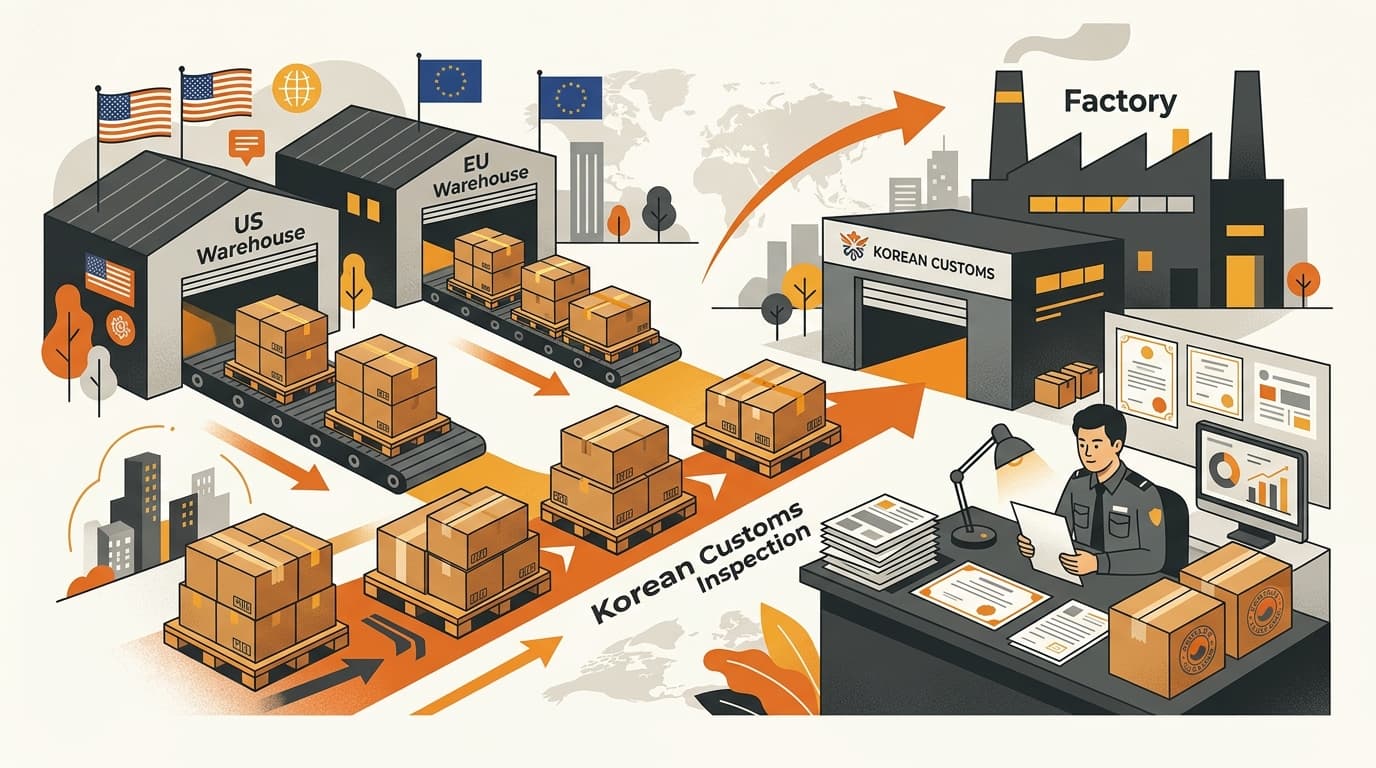
Korea FTA Duty: US/EU Warehouse Shipping Is Not Enough
A US or EU warehouse does not prove FTA origin in Korea. The importer must verify production, transit, and documents before claiming a lower customs duty rate.

Agentic Commerce: When AI Picks the Product, What Should Brands Selling in Korea Do?
AI shopping agents now search, compare, and sometimes buy for the shopper, and they recommend 1–5 products instead of a page of results. What Korea's Chamber of Commerce found in the US and Europe, and what it means for your product data in Korea.
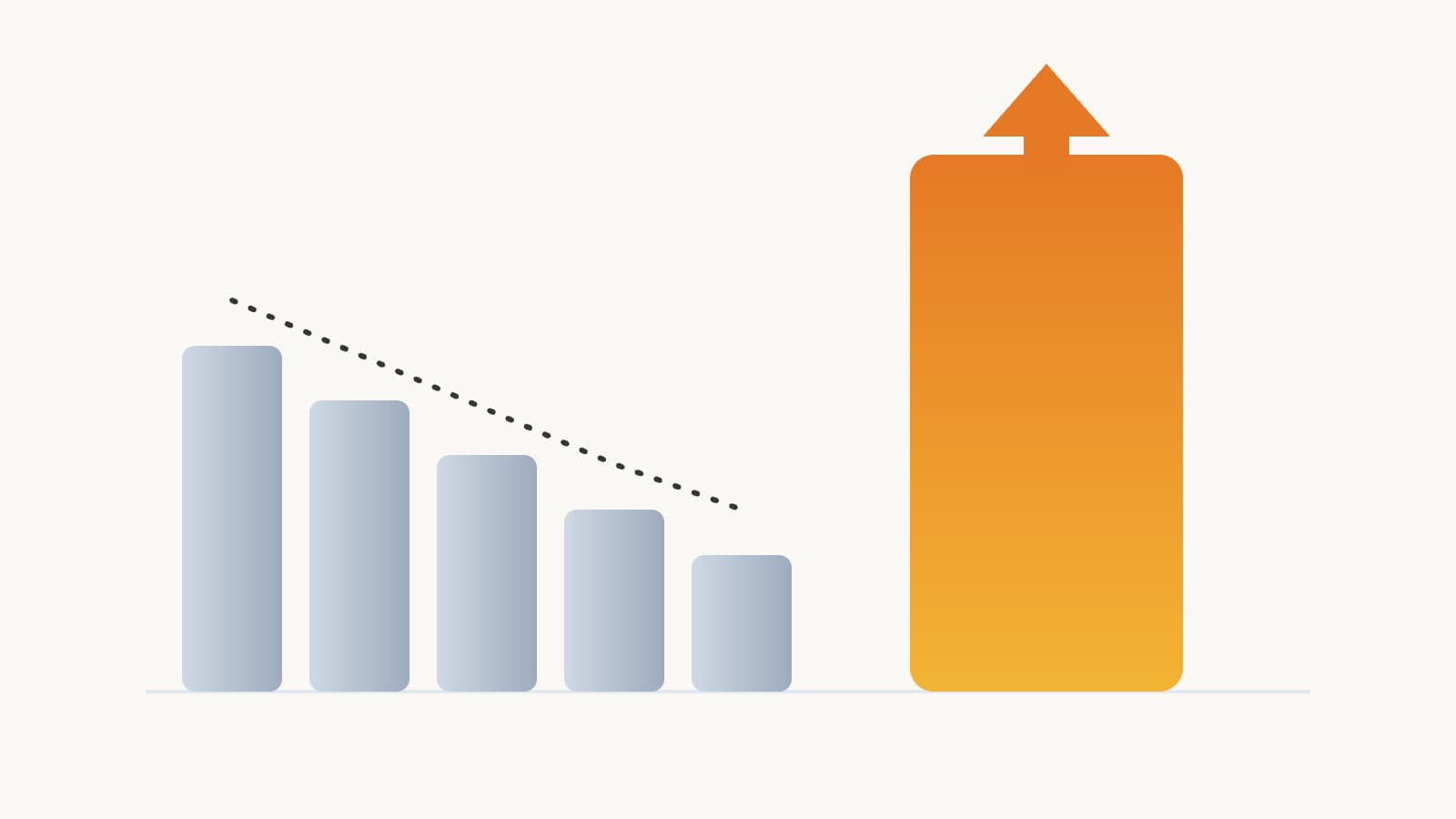
Korea E-commerce, September 2026: The Market Shrank, Coupang Grew
Korean online shopping spend fell 2.1% in September 2026, yet Coupang grew 3.9% and reached a 72.7% share of the 12 largest platforms. What the data means for a foreign brand choosing where to sell.