Who Handles Returns Under Coupang Rocket Growth?
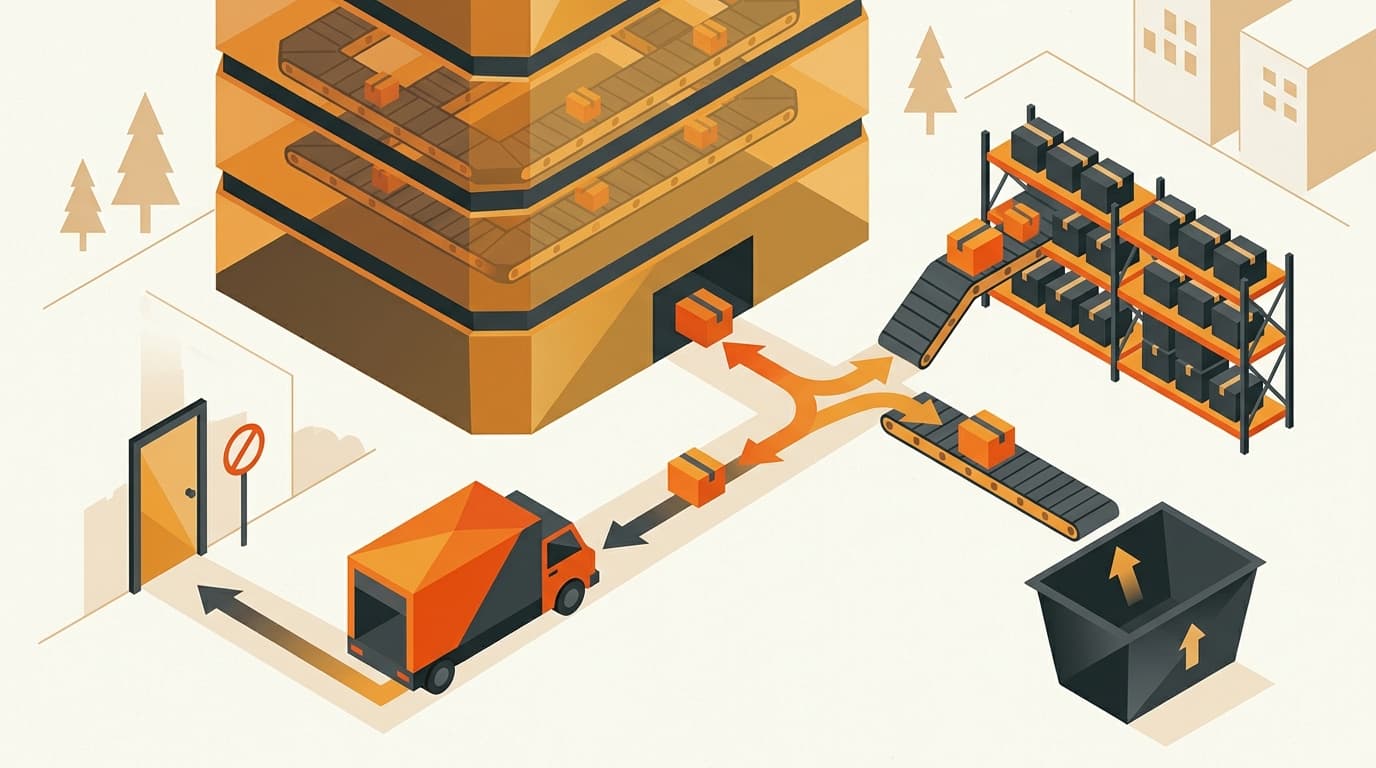
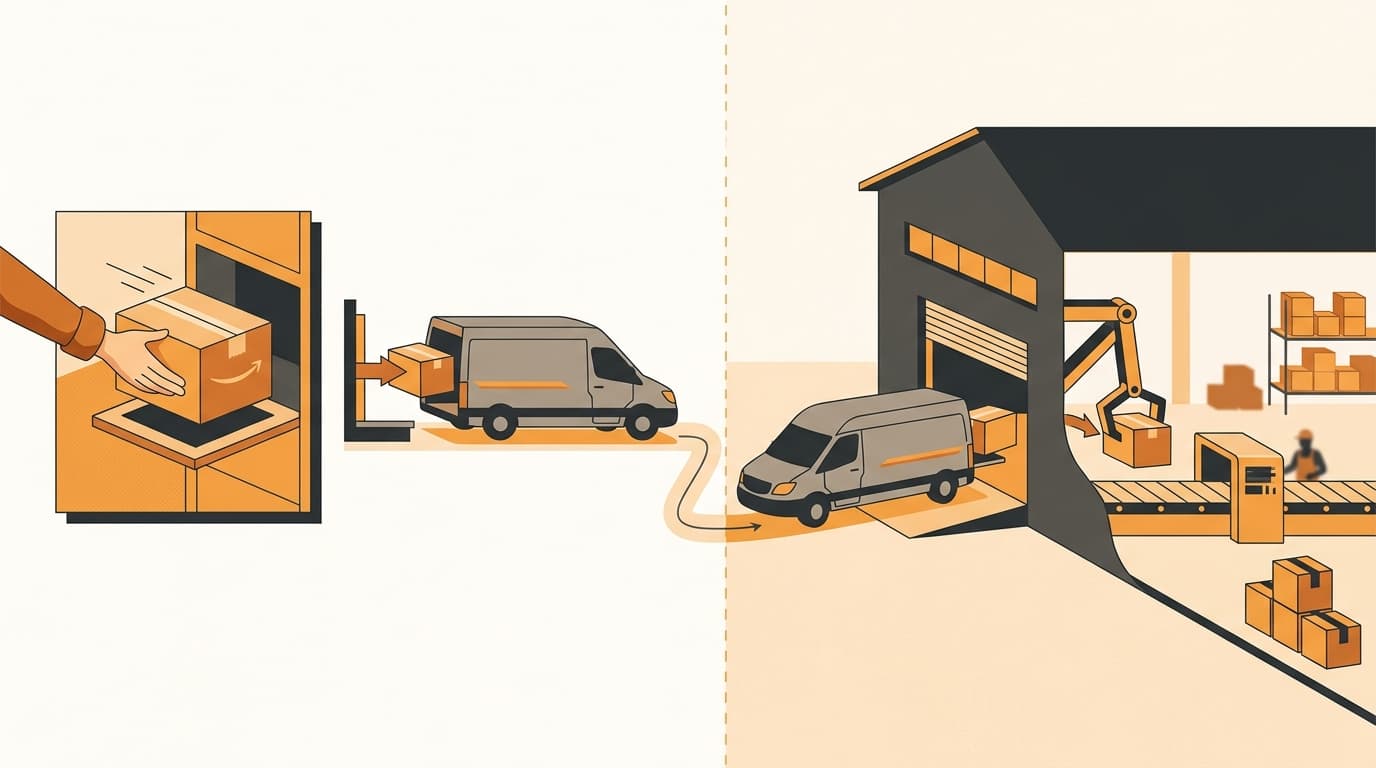
Under Coupang Rocket Growth (로켓그로스), Coupang handles everything the customer sees and touches during a return — the request, the pickup, the refund, and receiving the unit back into its warehouse network. But the returned unit is still your inventory, and you still own what happens to it next: whether it goes back on the sellable shelf, gets quarantined as defective, or has to be disposed of. That boundary is where most foreign brands mis-model the cost of selling in Korea.
The reason this matters is structural, not incidental. Because Coupang runs the buyer-facing return flow, brands assume returns are "Coupang's problem." They are — right up until the box lands back in the warehouse. After that, the unit re-enters your stock, and every downstream decision carries cost and quality-control consequences that never left your side of the ledger.
Rocket Growth is your inventory in Coupang's warehouse
Start with the ownership model, because the returns boundary follows directly from it. Rocket Growth is a consignment-style fulfillment arrangement: your units physically sit in Coupang's domestic Korean Rocket fulfillment centers (로켓 물류센터), and Coupang operates storage, last-mile delivery, and the customer-facing returns and refund flow. What Coupang does not do is take ownership. The goods remain your property from the moment they clear customs to the moment they sell or get disposed of.
That single fact — Coupang operates, you own — is what splits responsibility on a return. Coupang's logistics network is the operator of the physical and financial mechanics the buyer experiences. You are the owner of the asset moving through it.
Rocket Growth (로켓그로스) is a fulfillment model where brand-owned inventory sits in Coupang's Korean Rocket warehouses. Coupang runs storage, delivery, and the customer-facing returns/refund flow — but the goods stay the brand's property, not Coupang's, the entire time.
One consequence worth stating up front: because your inventory lives in a Korean warehouse and sells under a Korean legal seller, restocking from overseas is slow. A returned unit that cycles out of sellable circulation is not something you can quickly backfill with a fresh air shipment. Rocket Growth also accepts inventory at low inbound thresholds, which we cover in Rocket Growth inbound minimums and real lead times — but the returns cycle is a separate pressure on the same stock pool.
What Coupang handles, and what reverts to you
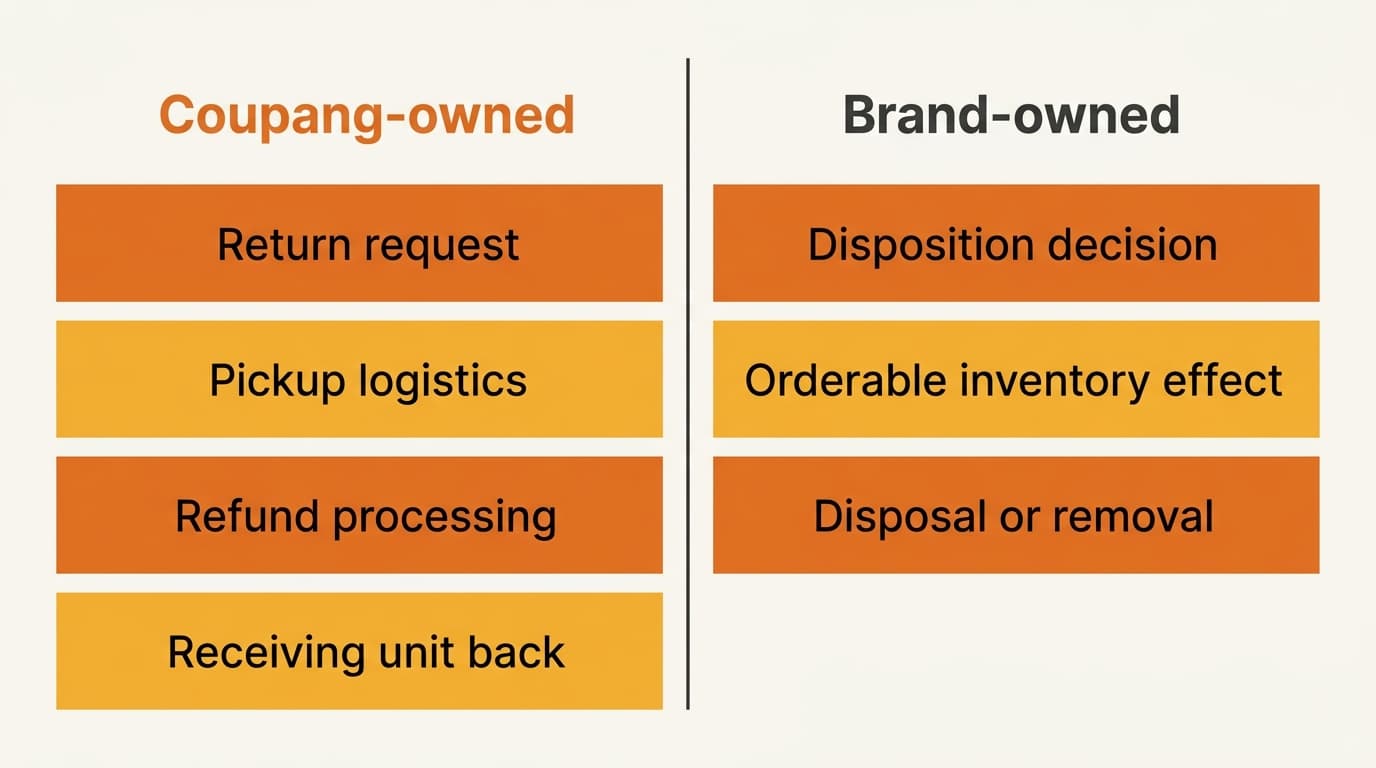
The clean way to think about it is two columns. On one side is everything Coupang's Korean logistics network runs so the buyer never has to contact you. On the other is everything that reverts to the brand once the unit is physically back.
Coupang-owned (the customer-facing leg):
- The customer's return request through the Coupang app
- Pickup logistics from the buyer's address
- Refund processing back to the buyer
- Receiving the unit back into the fulfillment network
Brand-owned (the reverse-logistics leg):
- Disposition decision — is the unit returned-to-sellable, or defective/unsellable?
- The effect on your orderable inventory count once disposition is set
- Disposal or removal decisions for units that cannot be resold
The buyer never contacts the foreign brand directly — that's the genuine value of the model, and it's real. But notice what's missing from Coupang's column: no line item says "decides whether the returned unit is good." That judgment, and its cost, is yours.
“Brands model inbound and delivery to the decimal and then treat returns as a rounding error. The returned unit re-entering your inventory is where the surprise lives — not the freight.”
Kontactic operations — Cross-border fulfillment team
A returned unit is not automatically back-in-stock revenue
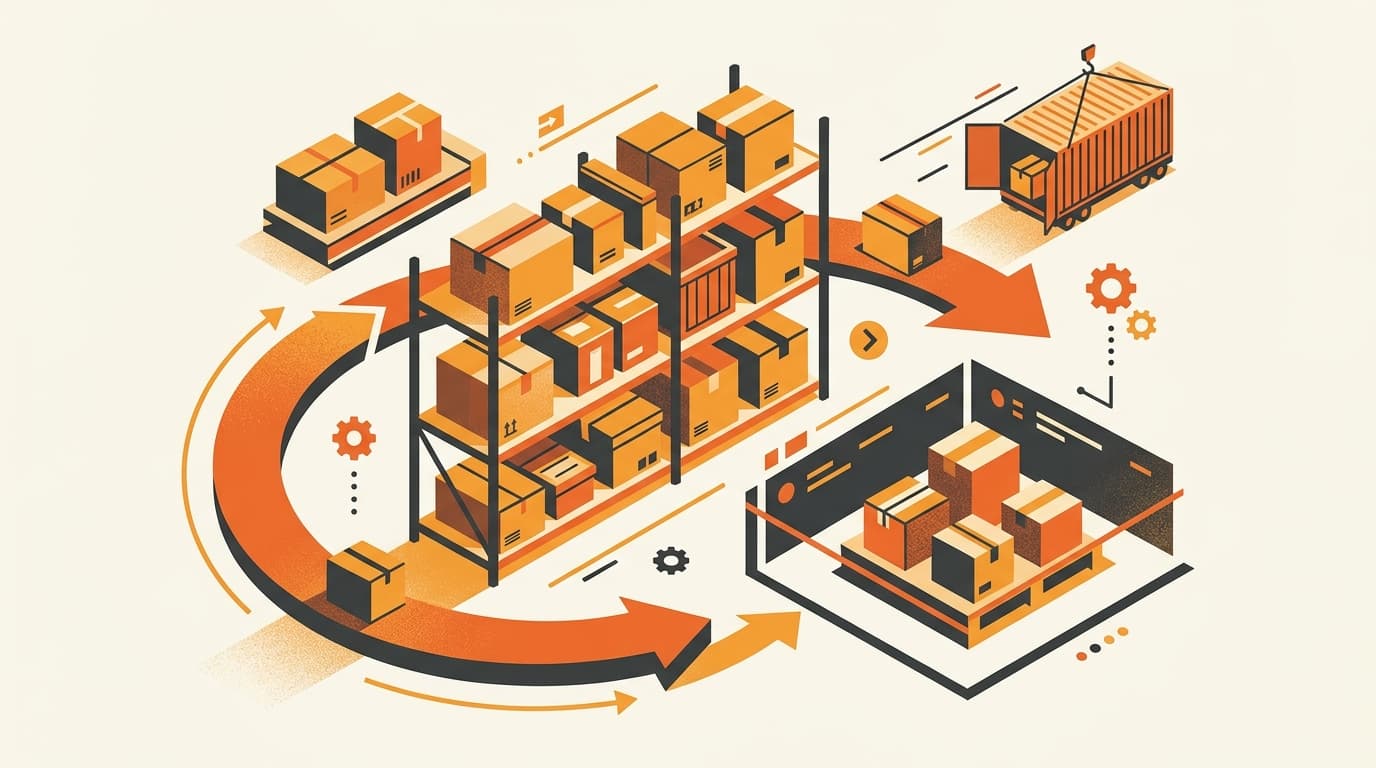
This is the trap. It's tempting to assume that a return is a wash — the buyer sends it back, it goes on the shelf, someone else buys it. In practice, a returned unit is temporarily out of sellable circulation, and whether it re-enters your orderable count at all depends on disposition.
Coupang's Rocket Growth inventory API surfaces orderable quantity and recent sales per SKU, which is the data you'll actually operate against day to day. What it does not do is make the disposition decision for you or flag non-sellable stock as a revenue event. A unit sitting in a defective or pending-disposal state is inventory you paid to manufacture and ship to Korea that is currently producing zero revenue. If you're not actively monitoring disposition, your sell-through model quietly overstates available stock. You can verify the fields the inventory API exposes in Coupang's official developer documentation before you build any of this into a forecast.
There's also a fee dimension worth flagging: return handling on Rocket Growth is not free, and Coupang has adjusted the economics of returns more than once. We walk through those shifts — including return handling fees and the burden-of-proof rules on disputed returns — in three Coupang policy changes that reset Rocket Growth margins. The point for this article: the returns leg has a running cost, not just an operational footprint.
Why Korean return rights make this a structural cost
Returns are not an edge case in Korea. Korean e-commerce operates under strong statutory buyer withdrawal and return rights, which means reverse-logistics volume is a predictable, recurring part of selling on Coupang — not an occasional exception you can ignore in the model.
Practically, that means two things. First, your return rate is a line you should estimate and fund from day one, alongside freight and platform commission — it belongs in your landed-cost math, not in a footnote. Second, because the buyer has a robust statutory right to withdraw, you cannot design the return rate down to near-zero through policy; it's a floor set by law, not by your terms of sale. The general shape of consumer withdrawal rights is set out in Korean statute, which you can read at the national law portal, law.go.kr, if you want to see the source rather than take a vendor's word for it.
Treating returns as "Coupang's problem" understates landed cost. Under Korean statutory withdrawal rights, reverse-logistics volume is structural — model a realistic return rate into your unit economics before launch, not after your first month's settlement statement surprises you.
The buffer-stock implication
Here's where the boundary changes a concrete decision: how much inventory you ship. Because returned units can be temporarily out of sellable circulation, and because you own disposition, your effective available stock is always lower than your total units in Korea. Two pressures pull on the same pool at once — demand spikes and returns cycling — and restocking from overseas is slow enough that running thin is a real risk.
The operational answer is to ship enough buffer to absorb both. Model your orderable inventory as total units minus (in-transit returns + pending-disposition stock + a defect allowance), and size your initial and replenishment shipments against that adjusted number, not the gross count. Brands that skip this step tend to discover it the first time a strong sales week collides with a batch of returns still working through disposition.
What you must supply to use the model at all
None of the above is reachable until your product can legally sit in a Korean warehouse and sell domestically. To use Rocket Growth, you need three things in place before inbound:
- Compliant product labeling and, where the category requires it, KC certification (KC 인증) and category documentation — verifiable against the relevant regulator, whether that's KATS for electrical safety, the MFDS (식약처) for food, cosmetics, and health products, or the Korea Customs Service for import clearance.
- Accurate SKU data and, where the category requires it, expiration-date information — the same data the inventory API and your disposition monitoring depend on.
- A designated Korean import and selling authority, since the goods clear customs and sell under a Korean legal seller.
That last point is the one most directly tied to returns. Because a Korean legal seller stands behind the sale, that same entity is accountable for the returned goods on the domestic side — which is why the Seller of Record question isn't separable from the fulfillment question. We cover how that plays out for regulated categories in the Korean Seller of Record requirements for selling on Coupang.
Common questions
Does Coupang refund the customer without asking me? Yes. Under Rocket Growth, Coupang runs the customer-facing return request, pickup, and refund. The buyer never contacts you directly. Your involvement begins when the unit is received back into the warehouse.
Is a returned unit automatically back in stock? No. A returned unit re-enters your inventory but not necessarily your orderable count. Whether it becomes sellable again depends on disposition — returned-to-sellable, defective, or disposal — which is your responsibility to monitor.
Who pays to dispose of a returned unit that can't be resold? The brand. The goods are your property throughout, so removal and disposal decisions and their costs sit with you, not Coupang.
Can I reduce my return rate by tightening my return policy? Not below the statutory floor. Korean consumer law grants buyers a withdrawal right, so a baseline level of returns is structural. Model it as a fixed cost of the channel.
Model your Korea returns before you ship
Talk to Kontactic about how Rocket Growth returns, disposition, and buffer stock affect your landed cost and launch plan.
About the author
Korean and global e-commerce operators with 15+ years of cross-border experience, led by CEO Isaac Lee — KOTRA-certified consultant and official lecturer for Seoul City and the Korea Customs Service. We run Korea market entry for overseas brands every day; this blog records what we learn in the field.
More about Kontactic →Related Articles
Korea E-commerce, September 2026: The Market Shrank, Coupang Grew
Korean online shopping spend fell 2.1% in September 2026, yet Coupang grew 3.9% and reached a 72.7% share of the 12 largest platforms. What the data means for a foreign brand choosing where to sell.

Natural Room Spray: Does Korea Require Safety Filing?
Natural room spray still needs Korea’s safety filing: Korea checks its use, claims, formula, spray method, and labels before commercial import for sale.
Korean Children's KC: Do Toys and Hoodies Differ?
Toys and hoodies can follow different Korean KC paths. Korea may require product testing, factory inspection, a filing, or a supplier declaration before sale.