
KC Certification and Coupang: A Korean Entity?
To sell locally on Coupang, you need two separate things: a Korean business entity and KC certification for regulated product categories. Holding KC certification clears the product-admissibility hurdle but does not substitute for the commercial setup — seller status is determined by your entity and mail-order registration (통신판매업 신고서), not by your certification.
If you already hold KC certification, you have cleared the hardest product-side hurdle. You still have to decide which selling path you want — and that decision, not the certification, is what determines whether you need a Korean entity.
What KC certification actually proves
KC Certification (KC 인증) is a category-specific safety mark required under Korean law for regulated product categories — most notably electrical and electronic goods, children's products, and certain household items. When your product carries a valid KC mark, it means a recognized testing body has confirmed the product meets Korean safety standards for its category.
KC certification answers "can this product be sold in Korea?" A Korean entity answers "can I be the one selling it on Coupang?" You need yes on both to run a local Coupang storefront.
That is a product attribute. It travels with the SKU. It does not confer the right to operate as a seller in Korea, and it does not make you the Importer of Record.
In practice, the most common misunderstanding we see from founders is assuming that "KC-certified" means "Korea-ready." It means the product is admissible. The commercial setup around it is a separate track.
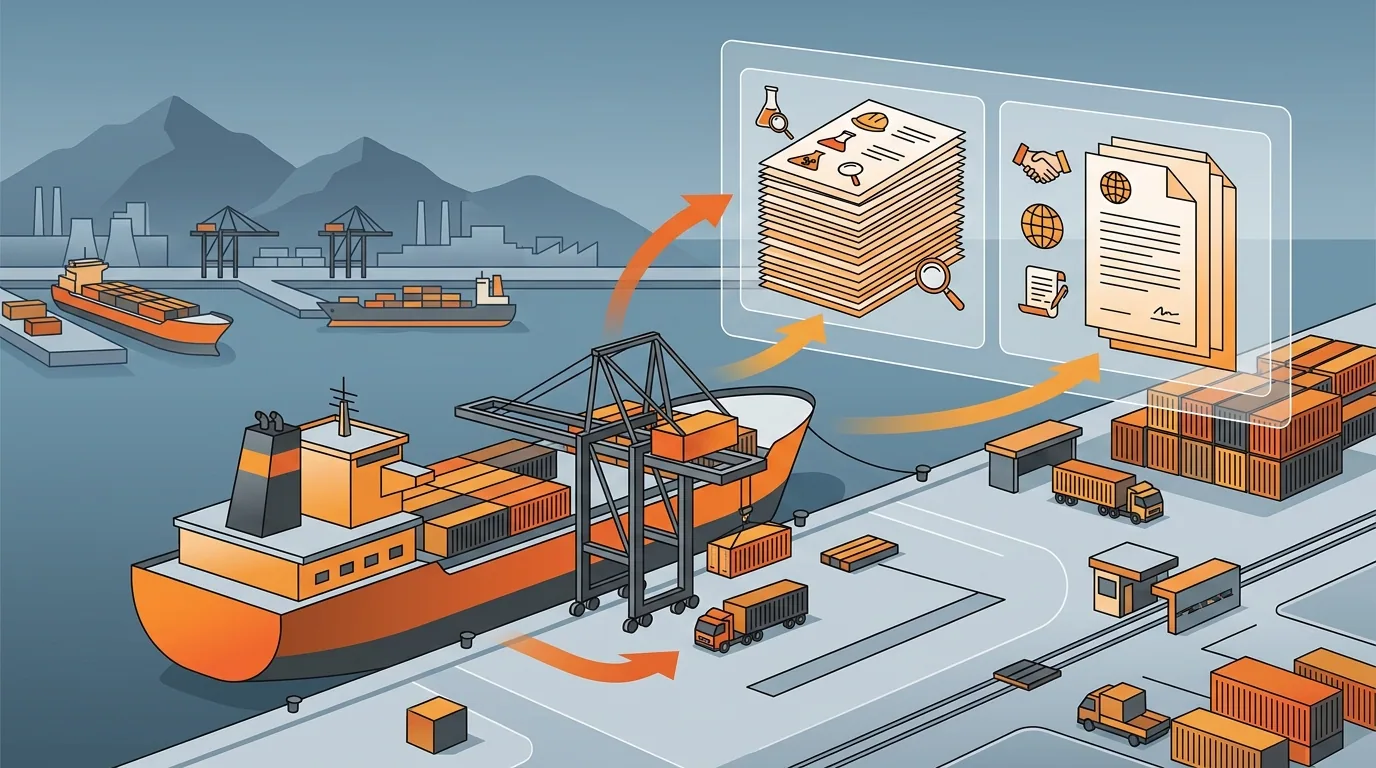
The two ways to sell on Coupang as a foreign brand
There are two distinct Coupang programs, and they have very different entity and compliance requirements. The compliance path you choose depends on which selling program suits your stage.
1. Coupang Global Marketplace (cross-border)
This is the program most foreign brands start with. You sell from your home country, the Korean buyer places an order on Coupang, and the product ships internationally to them. Your foreign business entity is the seller. You do not need a Korean business license or a 통신판매업 신고서 to participate.
KC rules still apply at the product level. Some product categories are KC-exempt for global sellers under Coupang's own policy; most electrical goods, children's products, and heavily regulated categories are not.
If your SKU needs a KC mark and you have one, you can list it. If it needs one and you don't, the listing will be blocked at the category gate — the same pattern AliExpress began enforcing in its K-Venue domestic channel in 2025.
Cross-border works, but it has well-known ceilings: longer delivery windows, higher perceived friction for Korean buyers, no Rocket badge, and weaker conversion on the product detail page. We've written about why that matters in why cross-border orders understate your Korea opportunity.
2. Rocket Growth — selling locally on Coupang
Rocket Growth (로켓그로스) is Coupang's 3PL and fulfillment program. Inventory lives in Coupang warehouses, Coupang handles delivery and returns, and listings qualify for the Rocket delivery badge that Korean shoppers filter for.
To sell under Rocket Growth, you need to be a Korean seller. That means:
- A Korean business license, typically issued to a Korean limited company (유한회사) you own
- A 통신판매업 신고서 (mail-order sales registration) filed with the local district office
- A Korean entity acting as the Importer of Record (IoR) and Seller of Record (SoR)
- KC certification for any SKU in a regulated category, validated at listing
This is the path where "do I need a Korean entity?" flips from optional to mandatory. If you want the Rocket badge, you need the company. For the mechanics of setting one up as a non-resident, see why setting up a Korean entity as a non-resident foreigner got harder.
A practical decision framework
Here is how we frame the choice with brands who already have KC certification in hand.
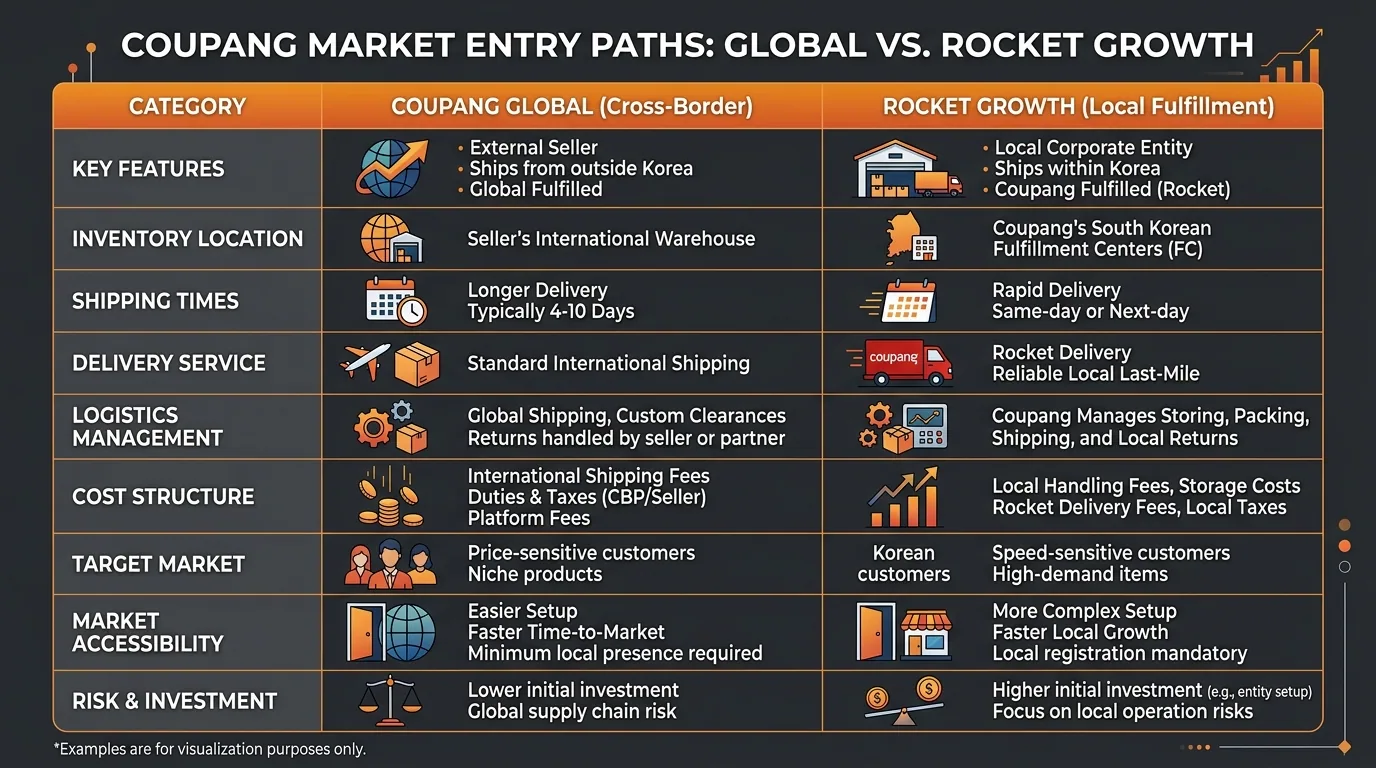
Stay cross-border (Coupang Global) if:
- You want to start light and see how Korean buyers respond, and can live with slower delivery
- Your category is KC-exempt for global sellers, or your KC scope doesn't cover every SKU you want to test
- You cannot yet commit to DDP (Delivered Duty Paid) inventory shipments or local VAT filing
- Your Korean monthly revenue is low enough that the fixed cost of a Korean entity isn't justified
Go local with Rocket Growth if:
- Cross-border orders are already showing consistent month-over-month demand
- Your KC-certified SKUs are in regulated categories where a local listing with a KC number converts meaningfully better
- You want the Rocket delivery badge, which Korean shoppers heavily filter for
- You are prepared to be the Importer of Record through a Korean entity and ship inventory DDP
We covered the operator-side tradeoff in more depth in Rocket Growth vs. cross-border selling: an operator's decision framework.
“Brands hold KC certification and assume that's the green light for local selling. KC gets the product admissible. The entity, the mail-order registration, and the IoR chain are what get you on Rocket.”
Kontactic operations team — Managed Market Entry
What competitor guides almost never cover: PDP and launch sequencing
In practice, the brands that fail on Coupang after setting up their entity don't fail on compliance — they fail on two things the English-language guides rarely discuss.
Localized PDP and Korean-language conversion
A Coupang product detail page is not a translated Shopify page. It is a long, image-dominant, Korean-language scroll that runs approximately 20,000 pixels vertically. It leads with a strong hero, walks through benefits, specs, comparisons, and social proof, and closes with reviews and usage scenarios. Text is baked into the imagery, not rendered as HTML.
A machine-translated English PDP, even with a perfect KC number, will convert poorly. Korean shoppers scroll aggressively and compare three to five listings before buying. The PDP has to earn the click-to-cart. Getting this right is a graphic design and copywriting project, not an engineering one.
Marketing and launch sequencing
The second failure mode is pouring Coupang PPC spend into a listing that isn't ready to receive it. Low early-stage reviews, no search ranking history, and an un-optimized PDP mean every click is won at a higher cost per click and lower conversion — and Coupang's algorithm learns from that weakness.
The sequence that works in our experience:
- Land inventory DDP and get the listing live with a complete, localized PDP
- Seed the first 20–50 organic reviews through conservative pricing and small promotions
- Only then turn on Coupang PPC, starting with branded and long-tail keywords
- Layer off-Coupang traffic (Naver, Kakao, influencer) once conversion is stable
We've written a longer operator's note on why this order matters in operational readiness before ad spend.

How this maps to Kontactic's services
For brands that want to stay cross-border, Kontactic's Direct runs your Coupang cross-border store on Coupang Global Fulfillment (CGF). You stay the seller, Coupang pays you directly, and you need no Korean entity — the KC rules for global sellers above still apply. Direct is for brands shipping from the US, Europe, Japan, mainland China or Hong Kong.
For Coupang-approved sellers in mainland China, Spark Subscription puts Kontactic's own Korean entity in place as the Importer of Record and Seller of Record, so you can sell locally on Coupang without setting up a Korean company of your own.
For brands that want to own the entity, Blaze runs the full local stack — entity administration, commerce operations, and growth strategy and marketing: your 유한회사, your KC registration chain, your Rocket Growth listings, your Korean-language CS. Blaze needs evidence of Korean demand, such as cross-border order data, and you can start with it from day one. If you want the broader walkthrough, see how to sell on Coupang as a foreign brand.
If your KC certification is already in hand, the fastest sanity check is: pull your top three SKUs, confirm their Korean HS codes and KC scope, and decide in that same week whether you are going cross-border or local. The certification doesn't expire while you decide, but the revenue you're not capturing on Coupang does.
The honest summary
KC certification is necessary for regulated products. It is not sufficient to sell locally on Coupang. Local selling requires a Korean entity, a business license, a mail-order registration, and someone acting as Importer of Record — either yours or a partner's.
If staying cross-border serves your current stage, do that. If you're ready to capture the Rocket-badge audience, the entity work is unavoidable — and it is more bureaucratic than strategic. The harder, more neglected work is the PDP and the launch sequence, because that is what turns a compliant listing into Korean revenue.
Decide the right Coupang entry path
Share your KC scope, SKU list, and current cross-border volume. We'll tell you whether Direct, Spark, or Blaze fits — and what the first 90 days look like.
About the author
Korean and global e-commerce operators with 15+ years of cross-border experience, led by CEO Isaac Lee — KOTRA-certified consultant and official lecturer for Seoul City and the Korea Customs Service. We run Korea market entry for overseas brands every day; this blog records what we learn in the field.
Meet the Kontactic team →Related Articles
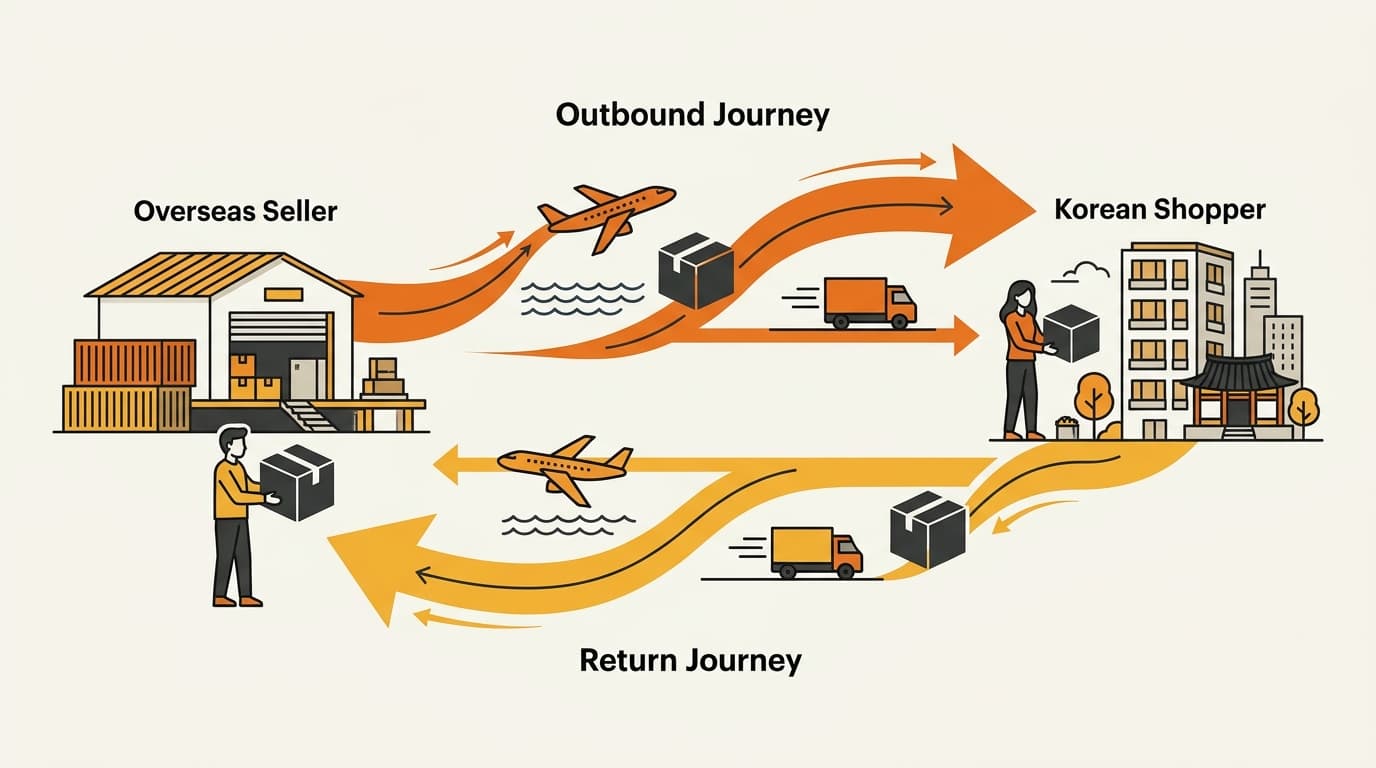
Can Coupang Buyers Pay Two Charges With Free Shipping?
On Coupang, free shipping can still leave the buyer paying two return charges: the original delivery cost and the cost of sending the parcel back to the seller.
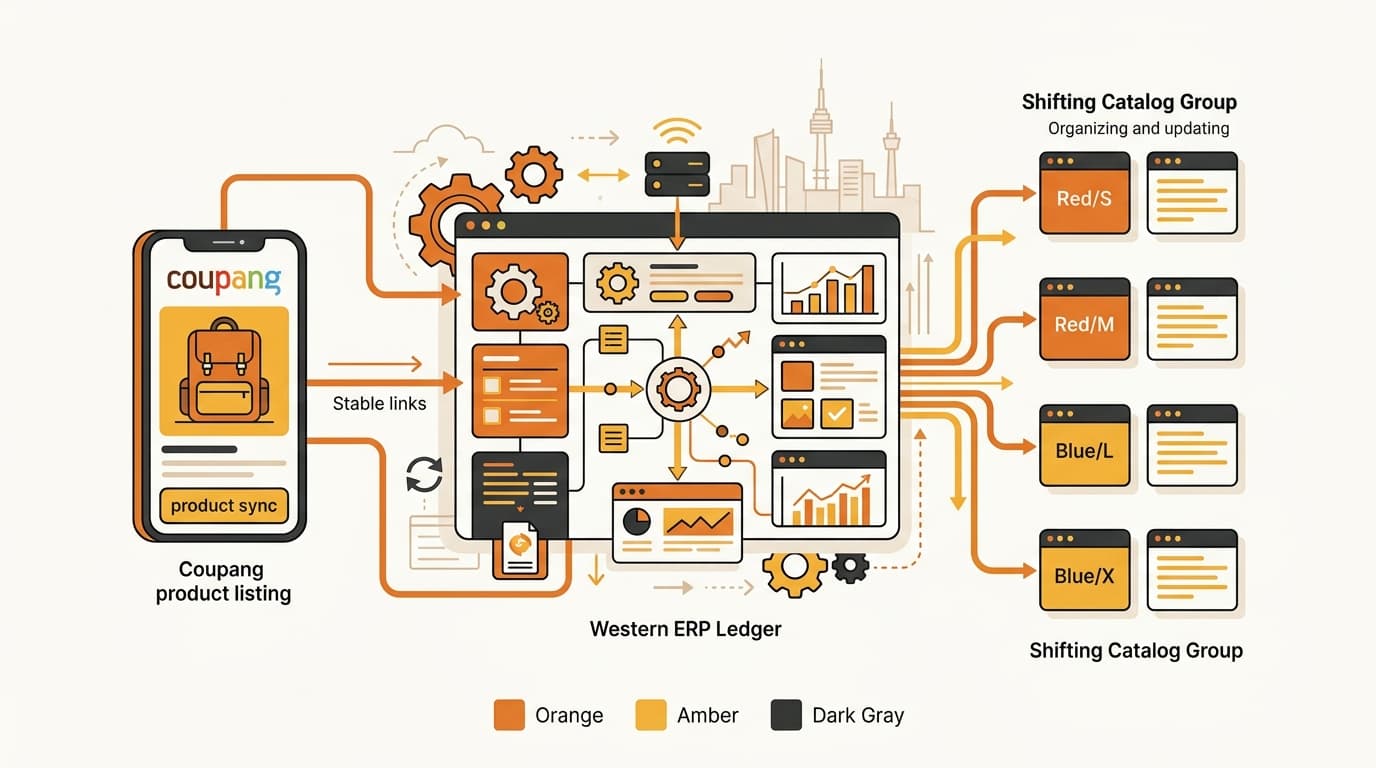
Coupang Product IDs: One ID Cannot Cover Every Variant
One Coupang product ID cannot cover every ERP variant; keep your brand SKU as the main key and map listing, option, edit, and order values to each SKU.

Coupang Rocket Growth Stock: Can an ERP Set It via API?
An ERP cannot set Coupang Rocket Growth stock through the Open API; replenishment starts when Coupang physically receives a new inbound shipment of stock.