What is an Importer of Record (IoR) in Korea?
What is an Importer of Record?
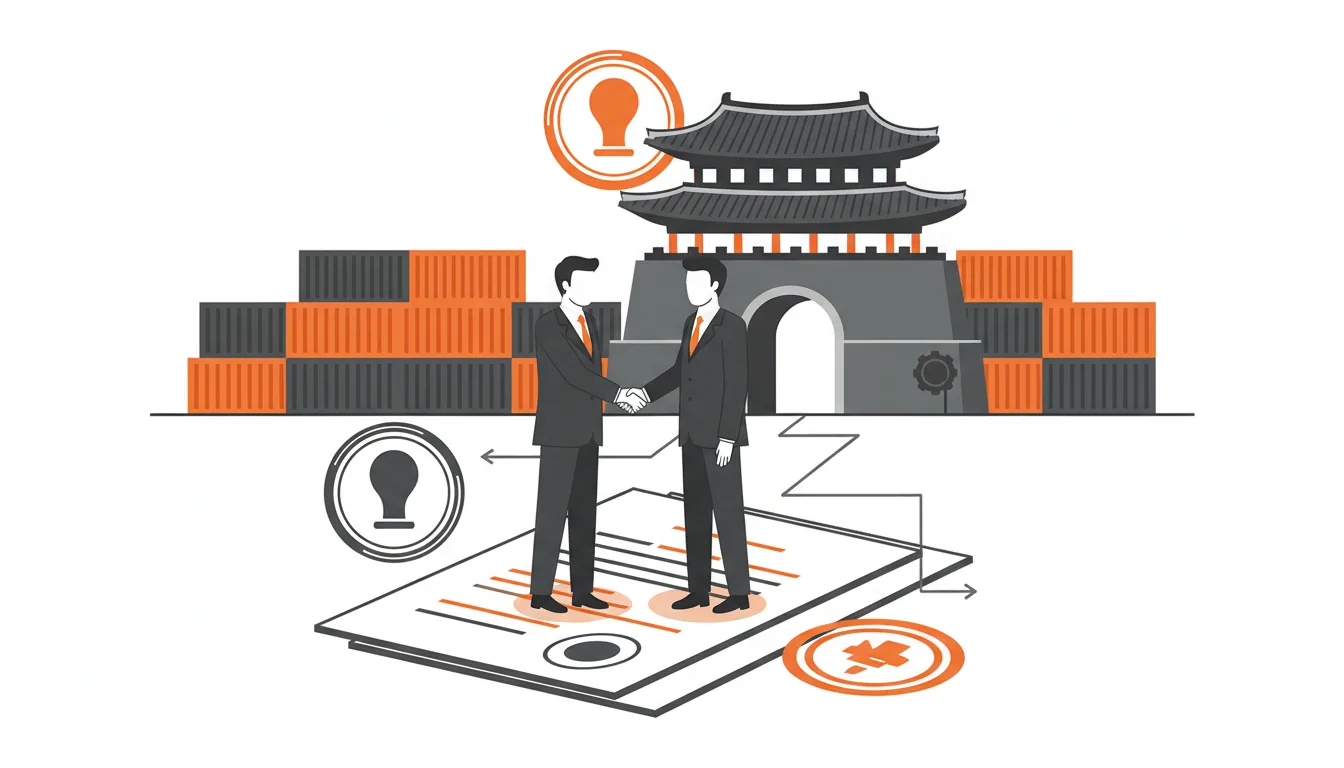
An Importer of Record (IoR) is the legal entity responsible for importing goods into a country. In Korea, the IoR is the entity whose name appears on all customs documentation — they are legally accountable for ensuring that imported products comply with Korean regulations, pay the correct duties and taxes, and meet all labeling and certification requirements.
Think of the IoR as the "gatekeeper" for your products entering Korea. Without a valid IoR, your products cannot clear Korean customs — period. Every shipment entering Korea must have a designated IoR.

This is a critical concept for foreign brands because you cannot act as your own IoR in Korea without a Korean entity. A US or European company cannot directly import goods into Korea. You need either your own Korean entity or a partner who will serve as your IoR.
Why Foreign Brands Need an IoR
When Korean customs receives a shipment, they need to know: who is responsible for this import? The IoR is that entity, and they bear legal responsibility for:
- Customs clearance: Filing import declarations with Korea Customs Service
- Duty and tax payment: Paying applicable customs duties and VAT (10%) on imported goods
- Regulatory compliance: Ensuring products meet Korean safety standards, labeling requirements, and category-specific certifications (like KC certification)
- Record keeping: Maintaining import records as required by Korean law
- Liability: Being accountable if products are found non-compliant or cause issues
“IoR is the first operational gate in Korea. If that layer is weak, everything downstream from customs clearance to marketplace sales becomes fragile.”
Isaac Lee — CEO & Founder, Kontactic
Without an IoR, your products sit at the port. Korean customs will not release goods that don't have a designated, registered importer taking legal responsibility.
Two Ways to Handle IoR in Korea
Option 1: Use a Partner's Entity as IoR
The fastest and lowest-barrier approach is to use a service provider's Korean entity as your Importer of Record. Under this arrangement, the partner's entity handles all customs documentation, duty payment, and compliance responsibility on your behalf.
This is how Kontactic's Spark works. Kontactic's Korean entity acts as both your IoR and SoR (Seller of Record), and handles import clearance through its entity — no Korean entity required on your side. On Coupang, Spark Subscription is for Coupang-approved sellers in mainland China; other brands can use Spark Project for a defined project such as B2B supply, an event or a one-off import. Under our agreement, you are responsible for product compliance and indemnify us.
How it works in practice:
- You prepare and ship your inventory DDP (Delivered Duty Paid) to Korea
- The IoR partner (e.g., Kontactic) files the import declaration with customs
- Products clear customs under the partner's import license
- Inventory is received at a domestic warehouse
- Products are listed and sold on Coupang under the partner's seller account
Key advantage: Speed. You skip the entire entity formation process and start selling immediately.
Important note: Even when using a partner as IoR, you as the brand owner still bear responsibility for product-level compliance — meaning your products must meet Korean labeling requirements, safety certifications, and ingredient regulations. The IoR handles the import process, but product compliance starts with you.
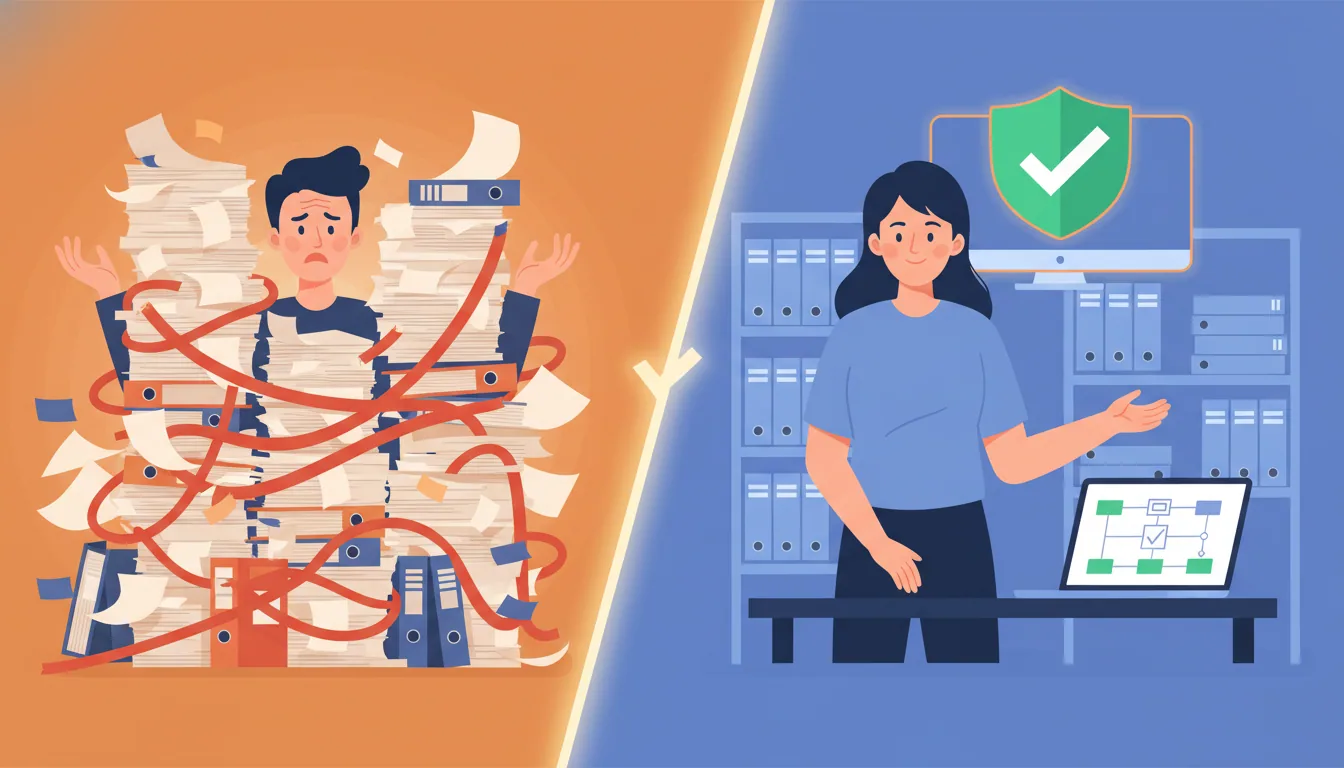
An IoR arrangement is not a shortcut around compliance. If the consignee, invoice data, labels, or certification status are inconsistent, customs delays and storage fees can escalate quickly.
Option 2: Establish Your Own Korean Entity as IoR
For long-term market commitment, you can establish a Korean 유한회사 (limited company) that serves as your own Importer of Record. This gives you full control over your import operations and the ability to build a permanent Korean business infrastructure.
What's involved:
- Company registration (유한회사 formation)
- Business license and import/export license
- Korean bank account for duty and tax payments
- Registered agent and virtual office address
- Ongoing VAT filing and tax compliance
With Kontactic's Blaze, you establish a Korean entity under your ownership (entity setup is a separate service). Your entity becomes the IoR and SoR and owns everything it holds. Kontactic operates the entity as your operating agent — handling the administrative and operational work, with no access to its bank accounts and no contracts signed in its name. Entity setup and onboarding take approximately 6-10 weeks.
IoR vs. SoR: Understanding the Difference
While IoR and SoR are related, they serve different functions:
| Importer of Record (IoR) | Seller of Record (SoR) | |
|---|---|---|
| Role | Imports goods into Korea | Sells goods to end consumers |
| Responsibility | Customs compliance, duties, import regulations | Sales tax, consumer protection, returns |
| Appears on | Customs declarations, import documents | Marketplace listings, receipts, invoices |
In Kontactic's Spark, Kontactic's entity serves as both IoR and SoR. In Blaze, your own Korean entity takes on both roles, with Kontactic managing operations on your behalf.
When evaluating partners, ask who appears on the customs declaration, who pays duties and VAT, who stores the import records, and who is responsible if customs requests additional documentation later. If those answers are vague, the operating model is not ready.
Making the Right Choice
The right IoR approach depends on what you need — there is no required order:
- Starting light? Sell cross-border on Coupang Global Fulfillment with no importer at all (Kontactic's Direct — for brands shipping from the US, Europe, Japan, mainland China or Hong Kong), or use a partner IoR for a defined project (Kontactic's Spark Project).
- Committed to Korea long-term, even from day one? Establish your own entity (Blaze model) for full ownership and control.
- Already have cross-border orders? You've already validated demand — it's time to go local with a proper IoR structure.
Regardless of which path you choose, having a reliable IoR solution is the foundational requirement for selling locally in Korea. Without it, your products can't enter the country — and your Korean customers will continue buying through friction-heavy cross-border channels instead of through Coupang's Rocket Delivery.
Need an Importer of Record for Korea?
Kontactic can serve as your IoR through Spark, or run your own Korean entity through Blaze. Let's discuss the right approach for your brand.
About the author
Korean and global e-commerce operators with 15+ years of cross-border experience, led by CEO Isaac Lee — KOTRA-certified consultant and official lecturer for Seoul City and the Korea Customs Service. We run Korea market entry for overseas brands every day; this blog records what we learn in the field.
More about Kontactic →