
Why Cross-Border Orders Understate Your Korea Market Opportunity
Cross-Border Orders Are a Better Signal Than Most Brands Think
Many Western brands treat Korean cross-border orders as background noise. The monthly volume looks modest, shipping is slow, customer service is manual, and the experience feels too messy to count as a real market signal. That is usually the wrong conclusion.
If Korean customers are already willing to buy your products despite long delivery windows, customs uncertainty, no local returns experience, and product pages built for another market, they are telling you something important: demand exists even before you have built the local operating layer that makes buying easy.

According to Statistics Korea, South Korea's online shopping transaction value reached KRW 259.4 trillion in 2024. That scale matters, but the more useful takeaway for foreign brands is not just that Korea is large. It is that Korea is already one of the most operationally mature ecommerce markets in the world. Consumers are used to fast fulfillment, mobile-first discovery, local language content, and predictable service.
That means cross-border sales should not be read as the ceiling of Korean demand. They should be read as demand that has survived friction.
“When Korean customers buy through a cross-border flow, they are not choosing convenience. They are choosing your product despite inconvenience. That is why the signal is so valuable.”
Isaac Lee — CEO & Founder, Kontactic
Why Cross-Border Demand Usually Looks Smaller Than It Really Is
Cross-border ecommerce hides opportunity because the buying experience is weaker at almost every step:
- Delivery takes longer than local Korean standards
- Duties and customs questions create purchase anxiety
- Returns are harder and often not worth the effort
- Customer support is rarely Korean-native
- Product detail pages are often translated, not localized
- Marketplace visibility is limited when inventory is not local
If a Korean buyer converts under those conditions, that order is not a weak signal. It is a strong signal that your brand may perform much better once the local friction is removed.
Statistics Korea also reported that mobile accounted for 76.5% of Korea's 2024 online shopping transaction value. In practical terms, that means many purchase decisions are happening in short, fast sessions on a phone screen. Brands that still rely on cross-border product pages designed for another market are asking Korean shoppers to work too hard. Even when the product is attractive, the operating environment drags conversion down.
One of the most common mistakes is assuming low Korean revenue means low Korean demand. In many cases, it means the current buying path is suppressing demand that already exists.
This is why demand validation should start with actual order data, not abstract top-down market sizing alone. Survey data can tell you that Korea is interesting. Cross-border orders tell you that Korean customers already found you, trusted you, and completed a purchase.
The Marketplace Layer Changes the Economics
Going local does not just improve logistics. It changes discoverability, trust, and repeat purchase behavior.
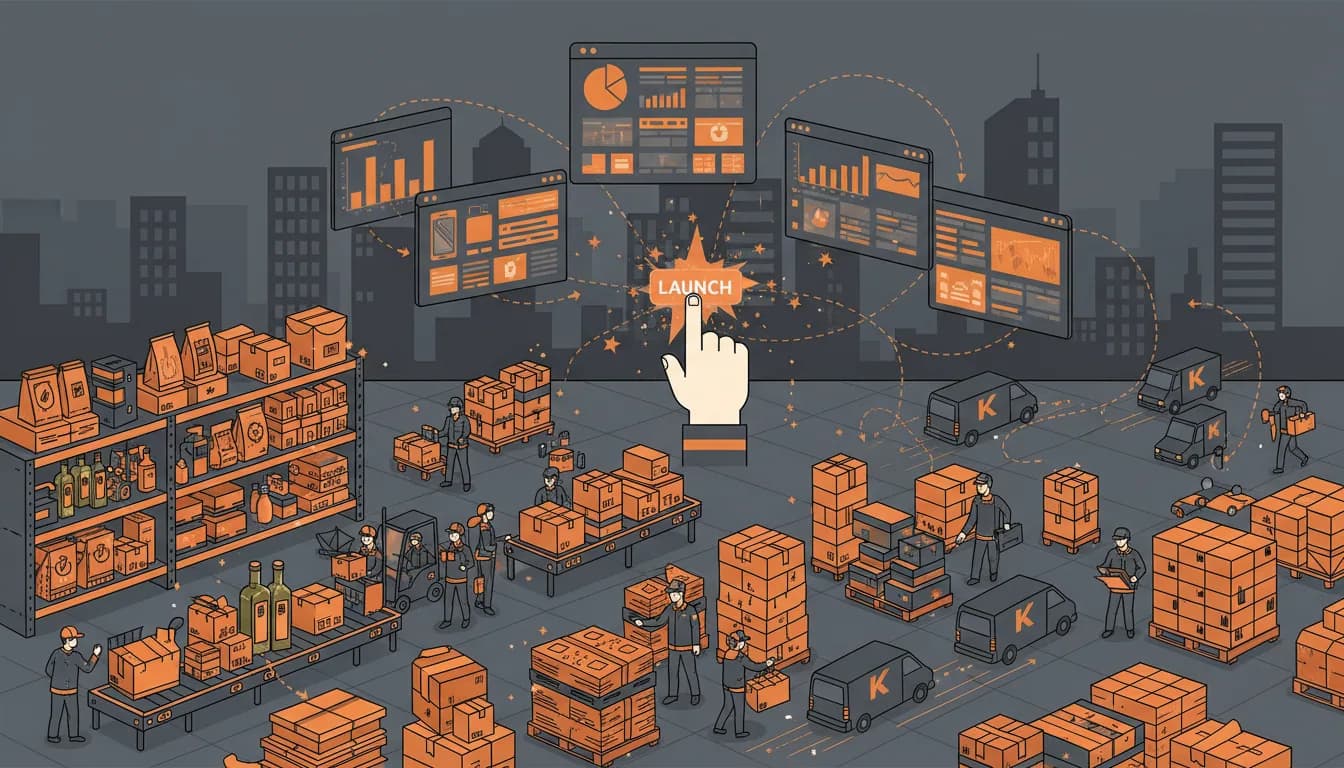
For most foreign brands, the key shift is moving from a cross-border checkout flow to a local marketplace operating model. In Korea, that usually means Coupang becomes central because it combines product discovery, trust, and fast fulfillment in one system.
In its fourth quarter 2024 results, Coupang reported 22.8 million Product Commerce active customers. That does not mean every foreign brand should launch blindly. It does mean that when a brand already has Korean cross-border traction, the upside from local availability can be materially larger than the current cross-border baseline suggests.
This is why Kontactic's Spark tier exists. If you already have Korean demand but do not want to establish your own entity yet, Spark gives you a faster path to local selling under Kontactic's import and selling infrastructure so you can test the local model with less operational drag.
The economics improve because several things happen at once:
- Delivery speed gets closer to local expectations.
- The product becomes easier to trust because it appears in a local Korean buying environment.
- Search visibility improves when the listing is built for Korean marketplace behavior.
- Returns, customer service, and payment flow feel local instead of foreign.
- Repeat purchase becomes far more realistic for products with ongoing demand.
“The real inflection point is not when a brand gets its first Korean order. It is when the buying experience starts to feel local enough for demand to compound.”
Isaac Lee — CEO & Founder, Kontactic
What Brands Should Fix Before They Scale Korea
Once cross-border demand exists, the next step is not to do everything at once. It is to remove the biggest constraints in the correct order.
The first task is usually SKU selection. Not every product that sells in your home market deserves a Korean launch. The best starting assortment often comes from the products that already generate Korean orders, the products with the clearest value proposition, and the products least likely to create regulatory complexity.
Compliance has to be screened early. Labeling, category-specific certification requirements, and product claim issues can slow down a launch even when demand is real.
The second task is localization. Korean ecommerce copy should not be a direct translation of your English product page. Titles, benefit hierarchy, formatting, imagery, and review strategy need to fit Korean marketplace behavior. That is especially true on mobile, where weak localization can erase interest before a shopper even reaches the lower part of the page.
The best launch roadmap usually starts with your Korean order history, not your global bestseller list. Korean demand data should shape the first SKU set, messaging priorities, and inventory plan.

The third task is inventory and operating design. Korean customers do not experience "market entry" as a strategy deck. They experience it as delivery speed, listing clarity, customer service quality, and whether the item is actually available when they want to buy it.
A practical rollout path
- Validate that Korean demand is real using order history or equivalent evidence.
- Narrow the first launch to the SKUs with the clearest demand and lowest complexity.
- Build Korean-native product pages and marketplace execution.
- Put in place the local import, selling, fulfillment, and customer service infrastructure that removes friction.
If you are ready for long-term ownership and control, Kontactic's Flame and Blaze tiers let you establish your own Korean entity while Kontactic operates the administrative and ecommerce stack as your local operating agent.
The Strategic Takeaway
Cross-border orders are easy to undervalue because they rarely look polished. But polished is not the point. Signal is the point.
When Korean customers buy from a foreign brand through a slower, less localized, higher-friction path, they are proving interest before the business has been built properly for Korea. That is why strong cross-border demand should lead to a serious local-market conversation, not a passive "maybe later" file.
For brands with the right demand profile, the goal is not to replace cross-border sales. It is to use cross-border sales as evidence that a larger local business can be built with the right operating infrastructure behind it.
Sources
- Statistics Korea, "Online Shopping in December 2025" PDF with 2024 annual comparison table
- Coupang, "Coupang Announces Results for Fourth Quarter 2024"
Want to turn Korean demand into a local business?
If your brand is already receiving Korean orders, we can help you evaluate the signal, choose the right operating model, and build the local infrastructure that supports scale.
About the author
Korean and global e-commerce operators with 15+ years of cross-border experience, led by CEO Isaac Lee — KOTRA-certified consultant and official lecturer for Seoul City and the Korea Customs Service. We run Korea market entry for Western brands every day; this blog documents what we learn in the field.
More about Kontactic →Related Articles
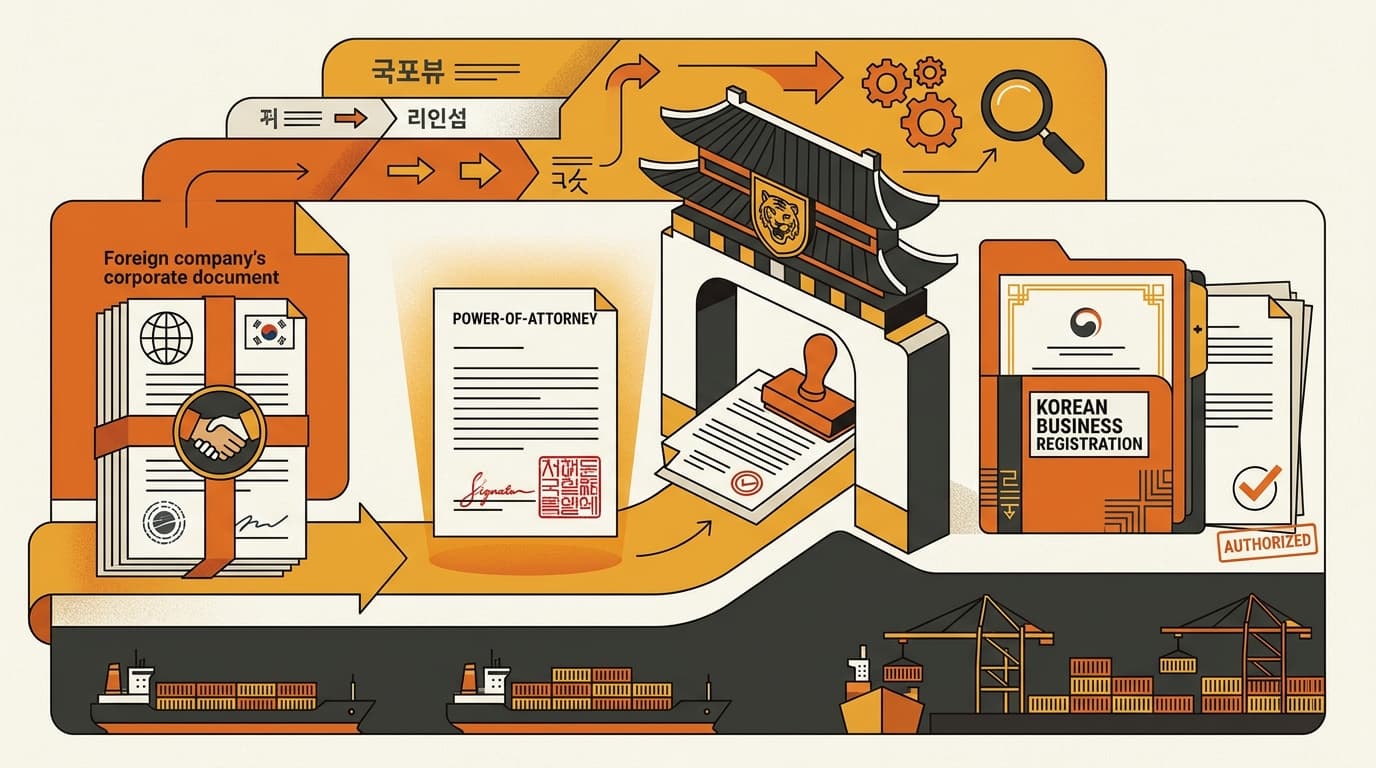
Korean Importer Registration: Why a POA Is Not Enough
A power of attorney cannot establish Korean importer registration; corporate-authority proof and Korean importer records are still required for the filing.
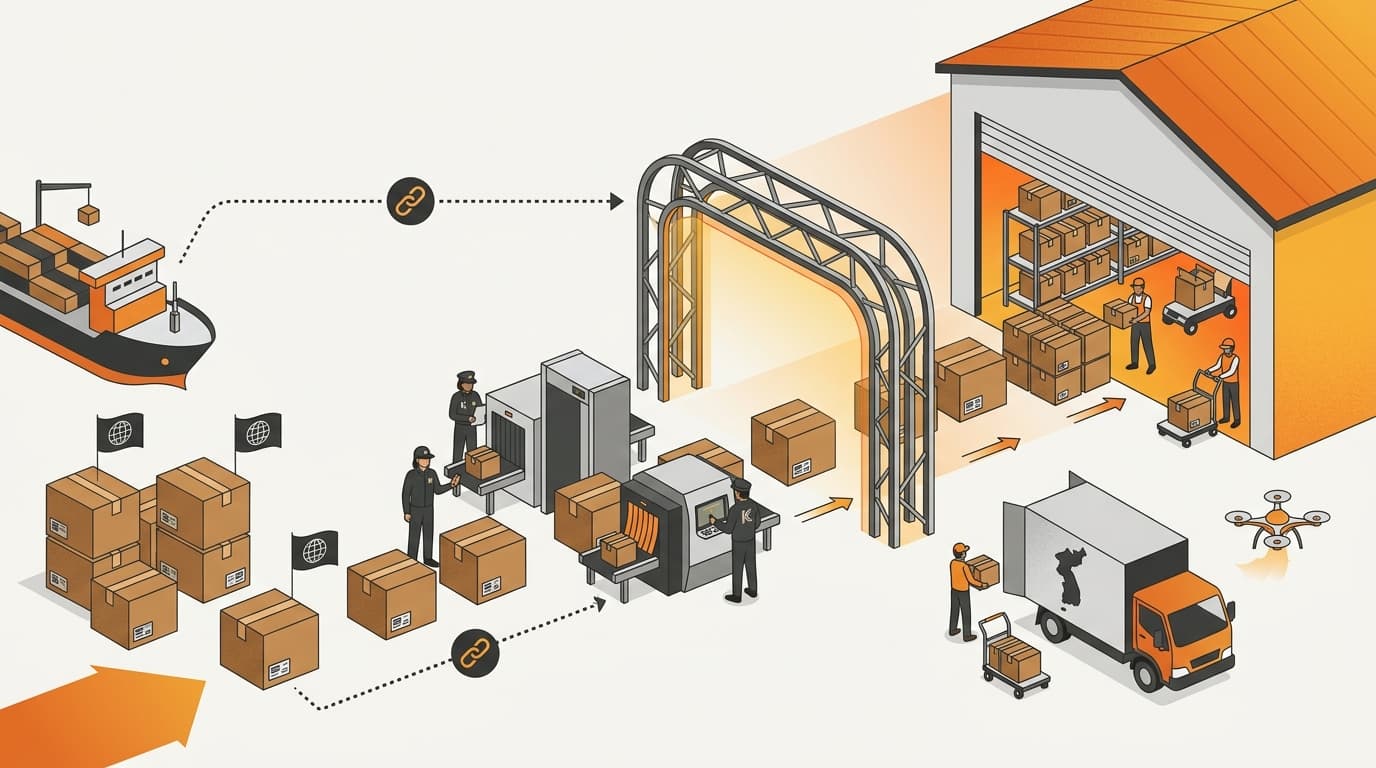
Can You Delay Korea Import Duty on Consignment Stock?
No. Korea import duty and import VAT are normally assessed when consignment stock is cleared for domestic circulation, not when a Korean customer buys one unit.

Children’s Product KC: Does “Ages 13+” Avoid the Rules?
No. In Korea, “Ages 13+” is only one factor; design, intended use, packaging, and child-directed marketing can still trigger children’s-product KC rules.