
Pet Food Pallet Shipping Cost: US to Korea DDP
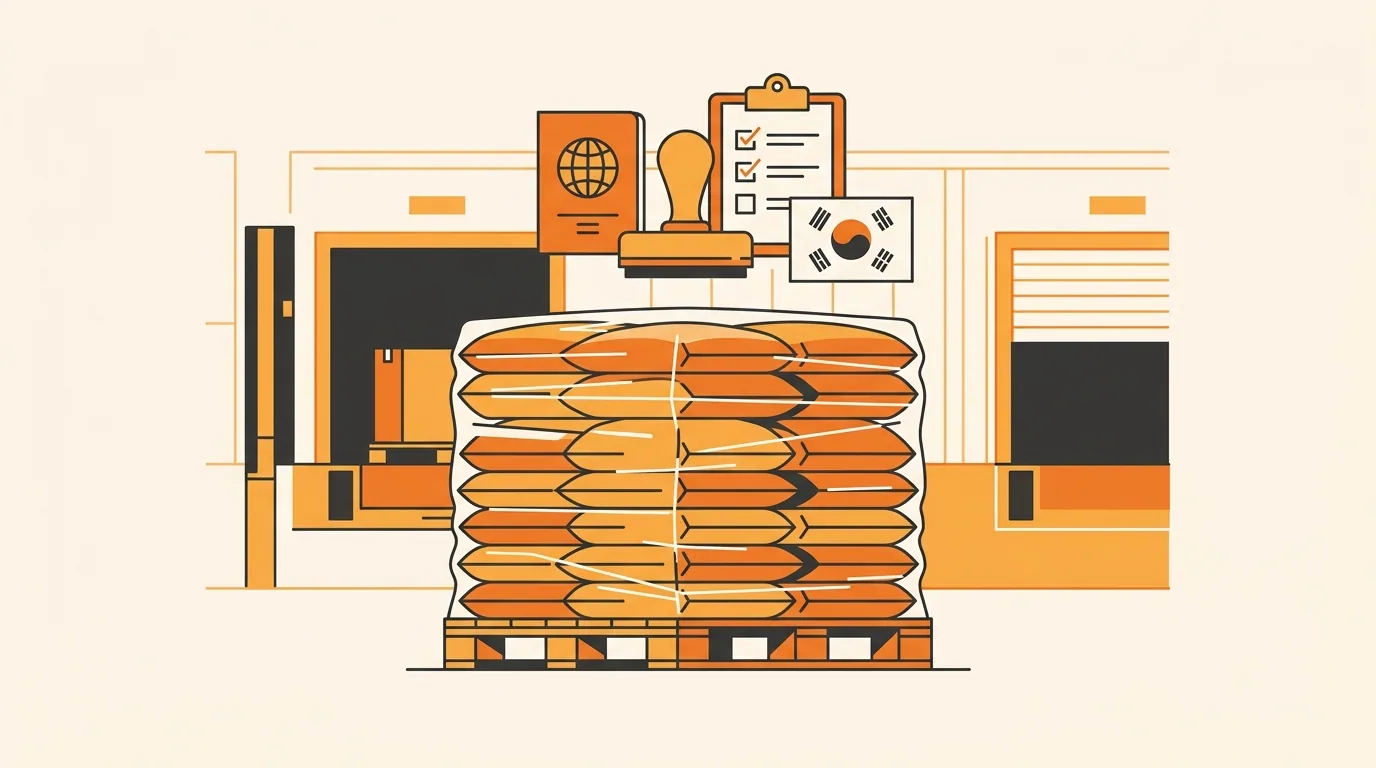
Shipping a single pallet of pet food from the US to South Korea under DDP terms is rarely a freight problem. The freight quote is the easy part. The hard part is everything DDP actually obligates you to handle — and everything Korea expects to see on the receiving end before that pallet can legally be sold.
This guide walks through what a pallet of US pet food really costs to land in Korea under Delivered Duty Paid, what most freight calculators leave out, and how to decide whether you even want to book that pallet yet.
What DDP actually covers (and what it doesn't)
The short answer is: DDP means you, the shipper, pay for freight, insurance, Korean customs duties, and Korean import VAT, and you deliver the goods to a named place in Korea cleared and ready. Under Incoterms 2020, DDP is the most seller-heavy term. The buyer (or in your case, your Korean operation) only has to receive the pallet.
But "cleared" in Korea presupposes that someone is named as the Importer of Record (IoR). For a foreign brand without a Korean entity, that is not the freight forwarder. It is either your own Korean limited company (유한회사) or a partner IoR acting on your behalf. The freight quote you get from FedEx, UPS, or a forwarder will not include the IoR's compliance work — only the physical movement plus duties and VAT.
This is the first misread. A founder gets a pallet quote that looks reasonable, books it, and discovers there is no legal recipient on the Korean side capable of clearing pet food. The pallet sits in bonded storage while the import paperwork catches up. For the IoR mechanics specifically, our breakdown on what an Importer of Record actually does in Korea is the right starting point.
The real cost stack for one pallet
Most online calculators (FedEx, UPS, ShipBob, Delivered) will give you a transport number based on weight, dimensions, and service level. That number is real but partial. For a standard US pallet of dry pet food landed in Korea DDP, the full cost stack looks like this:
- Ocean or air freight, origin handling, and destination handling. Air courier for one pallet is fast but expensive per kilogram. Ocean LCL (less than container load) is cheaper but adds 3–5 weeks of transit. If your destination is Coupang's Rocket Growth network, Coupang also offers a direct China-to-Korea LCL forwarding service — useful context even if your origin is the US, because it sets the floor for what consolidated freight should cost.
- Korean customs duty. Pet food HS codes carry duty rates that vary by formulation and the applicable FTA. Under the Korea–US FTA (KORUS), many pet food categories qualify for reduced or zero duty if you have a valid certificate of origin. Without one, you pay the most-favored-nation rate. This is where DDP quotes start to drift if your forwarder hasn't confirmed the HS code in advance.
- Korean import VAT. Korea charges 10% VAT on the customs-cleared value (CIF + duty). This is recoverable if your Korean entity is VAT-registered, but it is real cash outflow at the border.
- IoR service fee. Either an internal cost (your own entity, with its own accounting and customs broker fees) or an external partner fee. Partner IoRs typically charge a per-shipment fee plus a percentage of declared value.
- Korean 3PL inbound. Receiving the pallet at a Korean warehouse — whether independent or Coupang's Rocket Growth — costs more than founders expect. Inbound handling, palletizing to Korean standards, barcode verification, and storage are all per-unit or per-CBM. Our 3PL setup cost breakdown covers the line items.
In practice, the freight portion of a single pallet of pet food into Korea ends up being roughly 30–50% of the true landed cost once duty, VAT, IoR fees, and inbound 3PL are added. The rest is compliance and operations overhead. If you priced your Korea P&L based on the FedEx quote alone, you are off by a factor of two.
Pet food compliance: what the pallet needs before it ships
Pet food is not a standard import category in Korea. It falls under feed regulation administered by APQA (Animal and Plant Quarantine Agency), and the importing entity must complete feed import registration before the goods clear customs. This is not negotiable.
In practice, this means:
- The Korean importer (your entity or partner IoR) must be a registered feed importer.
- Each product SKU must be registered with APQA, with ingredient declarations and manufacturing facility information.
- Labels must be in Korean and conform to Korean labeling rules for pet food — ingredients, nutritional analysis, country of origin, importer information, and net weight.
- For certain ingredients (notably some animal-derived inputs), additional sanitary certificates from the US exporter are required.
If any of this is missing, the pallet does not clear. It does not matter that DDP says you, the seller, are responsible for clearing — your forwarder cannot fix a missing APQA registration at the port. We covered the full pet food compliance picture in our Korea pet food entry costs and compliance breakdown, and the registration timeline alone (typically several weeks to a few months per SKU) usually drives the entire launch calendar.
This is also where pet food differs from, say, skincare under MFDS or general consumer electronics. KC certification does not apply to pet food in the standard sense — APQA feed registration does. Don't let a general "Korea entry" guide tell you to budget for KC. Budget for APQA.
“The freight quote is the smallest line item in a Korea pet food P&L. The biggest invisible cost is the time it takes APQA to register your SKUs.”
Kontactic editorial — Commerce Trends
What can be done fast vs. what requires local infrastructure
A useful way to frame the decision: separate what is genuinely fast from what requires sustained local infrastructure.
Fast (days to a couple of weeks):
- Getting a freight quote from FedEx, UPS, DHL, or an ocean LCL consolidator.
- Producing a Korean-language ingredient declaration and a draft Korean label.
- Booking the pallet itself once an IoR is named.
Slow (weeks to months):
- Registering your Korean limited company as a non-resident foreigner — see our note on why this got harder.
- Completing APQA feed import registration for each SKU.
- Onboarding to Coupang as a Korean Seller of Record, which is a prerequisite for selling pet food on Coupang with Rocket delivery.
- Building a localized Product Detail Page (PDP) that actually converts Korean shoppers — the long-form 20,000-pixel format that Coupang shoppers expect.
- Setting up Rocket Growth fulfillment and confirming your pallet's barcodes, inner pack counts, and outer carton specs match Coupang's intake rules.
The trap is that the fast items feel like progress. A founder gets a freight quote, gets a localized label drafted, and feels ready. But until APQA registration is in hand and a Korean SoR is named, the pallet has nowhere to go. The reverse is also true: brands that wait until everything is registered before getting a freight quote often discover their packaging doesn't fit Korean pallet standards and they have to repackage at origin.
The right sequence is to start the slow items immediately (entity, APQA, Coupang onboarding) and use that lead time to refine the freight and packaging plan. We wrote more about this pattern in operational readiness before ad spend.

The Korean-language PDP problem
This is the part most freight-focused guides miss entirely, and it directly affects whether your pallet actually sells through.
A Coupang PDP is not a product photo plus three bullet points. It is a long-form, image-heavy, scroll-driven sales page — typically around 20,000 pixels tall — built for Korean reading patterns and Korean purchase psychology. For pet food, this means clear feeding tables, Korean-language ingredient explanations, country-of-origin storytelling, and visual comparisons against the Korean pet food brands the shopper already knows.
A US-style listing translated literally into Korean will underperform. The pallet will arrive, get stocked into Rocket Growth, and sit. We see this often enough that we treat PDP work as a separate workstream, scheduled in parallel with APQA registration so the listing is live the day your SKUs clear.
If your Korean cross-border demand is currently strong, that demand will not automatically transfer to a local listing without a real Korean PDP behind it. The reasoning is in our piece on why cross-border orders understate your Korea market opportunity — the cross-border buyers are a self-selecting minority; the local mass market needs to be persuaded.
Putting it together: calculators and your first test shipment
Before you ask for a DDP quote, answer four questions:
- Who is the IoR on the Korean side? Your own Korean entity, or a partner. If neither is in place, the freight quote is premature.
- Are the SKUs APQA-registered? If not, freight booking should wait until registration is in motion, not in hand. You can ship while registration finalizes if timing aligns, but only with the IoR's explicit sign-off.
- Where does the pallet land? An independent 3PL gives you flexibility but a slower path to Rocket. Rocket Growth gives you Coupang-native speed but stricter intake specs. The decision shapes how you pack the pallet.
- Is there a Korean PDP ready for the day it goes live? Stocked but unlisted inventory is dead capital.
If you can answer all four, the DDP freight quote is the small problem. If you can't, the freight quote is a distraction.
Freight calculators (FedEx, UPS, ShipBob, Delivered, Easyship) are useful for sanity-checking transport costs. They are not landed-cost tools. None of them know whether your pet food SKUs are APQA-registered, whether your IoR will accept the consignment, or whether your packaging passes Korean pallet standards. Treat their numbers as the floor, not the answer. In practice, the founders who get this right treat the first pallet as an operational test, not a commercial launch — the goal is to validate the whole stack (freight, clearance, 3PL intake, Coupang listing, first sales) before committing to a container.
Pricing your first Korea pet food shipment?
Kontactic helps foreign pet food brands sequence IoR, APQA feed registration, Coupang onboarding, and Rocket Growth so the first pallet is a working test, not an expensive bottleneck. Tell us where you are and we'll map the realistic path.
About the author
Korean and global e-commerce operators with 15+ years of cross-border experience, led by CEO Isaac Lee — KOTRA-certified consultant and official lecturer for Seoul City and the Korea Customs Service. We run Korea market entry for Western brands every day; this blog documents what we learn in the field.
More about Kontactic →Related Articles
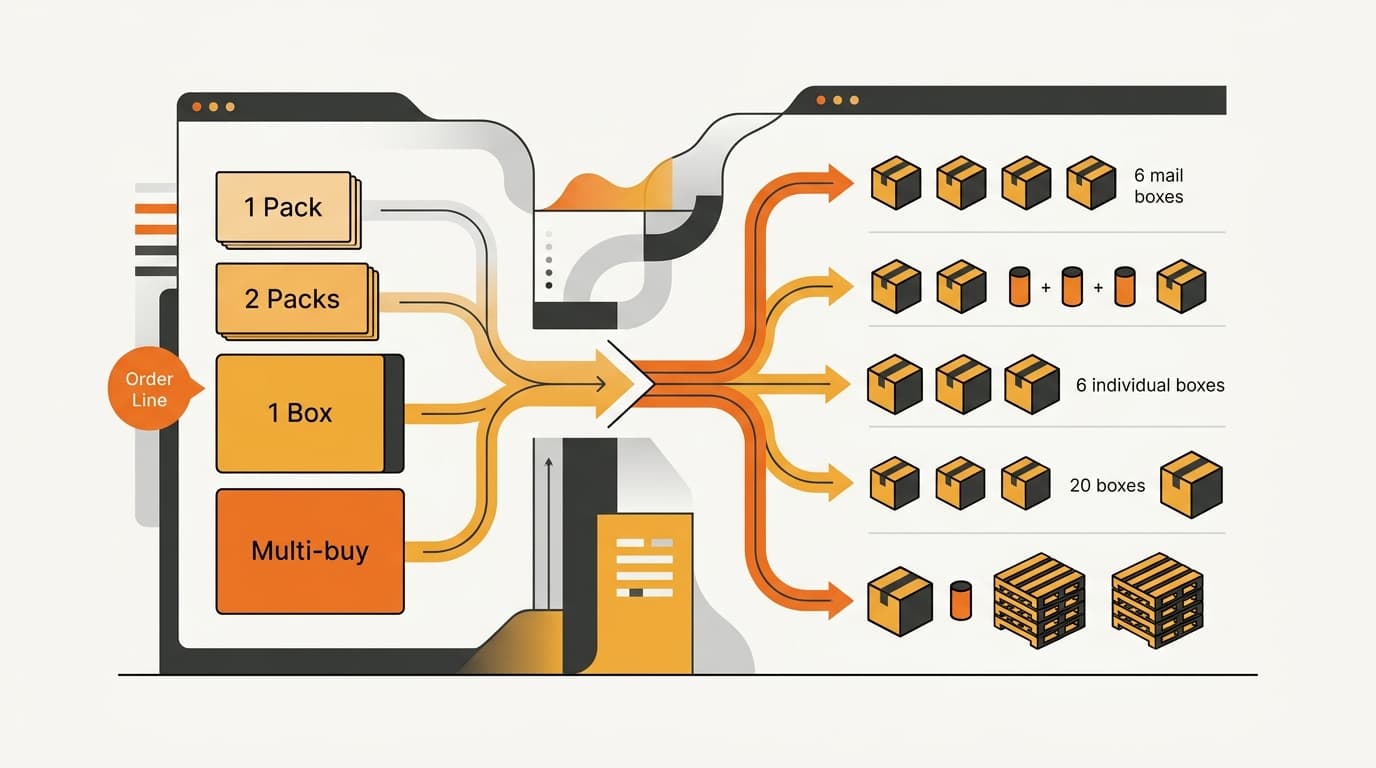
Coupang Order Lines: One Line Is Not One Unit
A Coupang order line can represent a generated quantity option, so your connector must map it to a base SKU and physical quantity before stock movement.
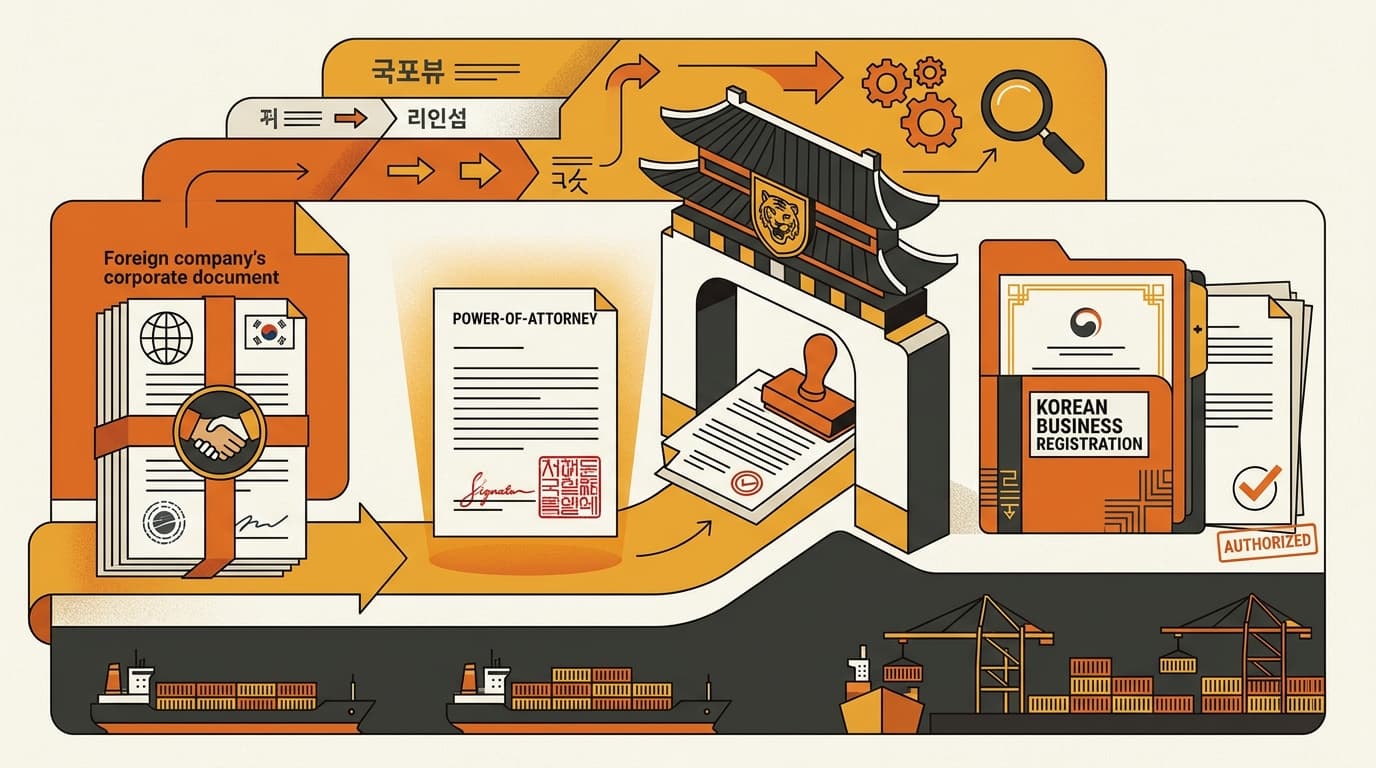
Korean Importer Registration: Why a POA Is Not Enough
A power of attorney cannot establish Korean importer registration; corporate-authority proof and Korean importer records are still required for the filing.
Can You Delay Korea Import Duty on Consignment Stock?
No. Korea import duty and import VAT are normally assessed when consignment stock is cleared for domestic circulation, not when a Korean customer buys one unit.