
Tax Representative in Korea for Cross-Border Shopify: A Real Answer
The short answer
The short answer is: if you are selling cross-border into Korea from a Shopify store you operate outside Korea, and each parcel clears Korean customs in the consumer's name using their Personal Customs Clearance Code (PCCC, 개인통관고유부호), you generally do not need a Korean tax representative. The Korean buyer is the importer on record for that parcel. You do not have a Korean taxable presence, and Korea VAT and customs duty are assessed against the consumer, not against you.
That answer is true, but it is also the part most guides stop at. It does not tell you what happens when your volume grows, when buyers start returning items, when Coupang sales begin outpacing your direct site, or when you want to advertise to Korean consumers in KRW. Those are the questions actually driving the search — and they all push toward the same decision: stay cross-border, or go local.
A Korean tax representative becomes mandatory only when your business has a Korean VAT obligation of its own. In a pure cross-border Shopify model where the buyer is the importer, you usually do not. In any model where you are the seller of record inside Korea, you do.
What the searcher is actually trying to solve
The phrasing "do I need a tax representative in Korea to sell cross-border from Shopify" almost always comes from one of three people:
- A founder running a Shopify store who has seen Korean orders come in and is wondering whether they have triggered a Korean compliance obligation by accident.
- An e-commerce lead at a Western brand evaluating Korea as a market and trying to figure out the cheapest legal path to a few hundred orders a month.
- An operator who has read three other guides today and noticed that none of them are Korea-specific past the VAT paragraph.
All three want the same thing: a clear answer they can act on, plus enough context to know what they are not solving by staying cross-border. That second part is where competitor pages thin out.
Cross-border Shopify into Korea: how it actually works
In a cross-border model, you ship from a warehouse outside Korea — your own, a 3PL in the US or EU, or a fulfillment partner — directly to the Korean consumer. Three things define the model:
- Customs clears in the consumer's name. The buyer provides their PCCC, and the parcel is treated as a personal import. Duty and VAT, if any, are assessed against the buyer.
- You do not have a Korean seller of record. Your Shopify checkout takes payment in your home currency (or KRW via a payment service provider), but the legal sale happens outside Korea.
- De minimis sometimes applies. Below a per-shipment threshold, parcels clear duty-free if they meet the personal-use criteria. We covered the narrow version of this in Korea de minimis: what the USD 150 threshold means. It is not a get-out-of-VAT card the way most brands assume.
For this setup, you do not need a Korean tax representative because you do not have a Korean VAT registration. You do not have one because you have not triggered a registration requirement. The taxable transaction at the Korean border is between the consumer and Korean Customs Service — not between you and the Korean state.
There are operational consequences to this clean separation. Conversion is lower than locally fulfilled Coupang because Korean buyers can see the delivery is from abroad. Average delivery times are longer. Returns are a logistical headache for both you and the consumer, since the parcel has to go back across the border. Whether to ship DDP or DAP changes the buyer's customs experience materially, which we walked through in DDP vs DAP when selling to Korean consumers.

When you actually do need a Korean tax representative
You need a Korean tax representative — or more often, a full Korean VAT registration — the moment any of the following becomes true:
- You import inventory into Korea in your own name and hold it in a Korean warehouse.
- You become the seller of record inside Korea, on Coupang or any other Korean marketplace.
- You charge Korean consumers VAT directly because you are the supplier inside Korea.
- You operate a Korean entity (a limited company, 유한회사, is the typical form for foreign-owned setups).
Once you cross any of those lines, the VAT obligation is no longer on the buyer. It is on the Korean entity acting as importer and seller. That entity has to file VAT — quarterly returns, plus the 1/11 calculation on VAT-inclusive revenue — and a foreign-owned setup without local management appoints a tax representative to handle filings. We laid out the realistic calendar for non-residents in Korea VAT number: 1–2 month timeline for foreign firms.
The question "do I need a tax representative" is rarely the real question. The real question is whether the brand should still be cross-border at all. Once Korean orders cross roughly 100 per month, the per-unit economics of cross-border start to lose to local fulfillment. We walked through that crossover math in Local vs cross-border Korea fulfillment: cost math.
The Rocket Growth, fulfillment, and returns layer most guides miss
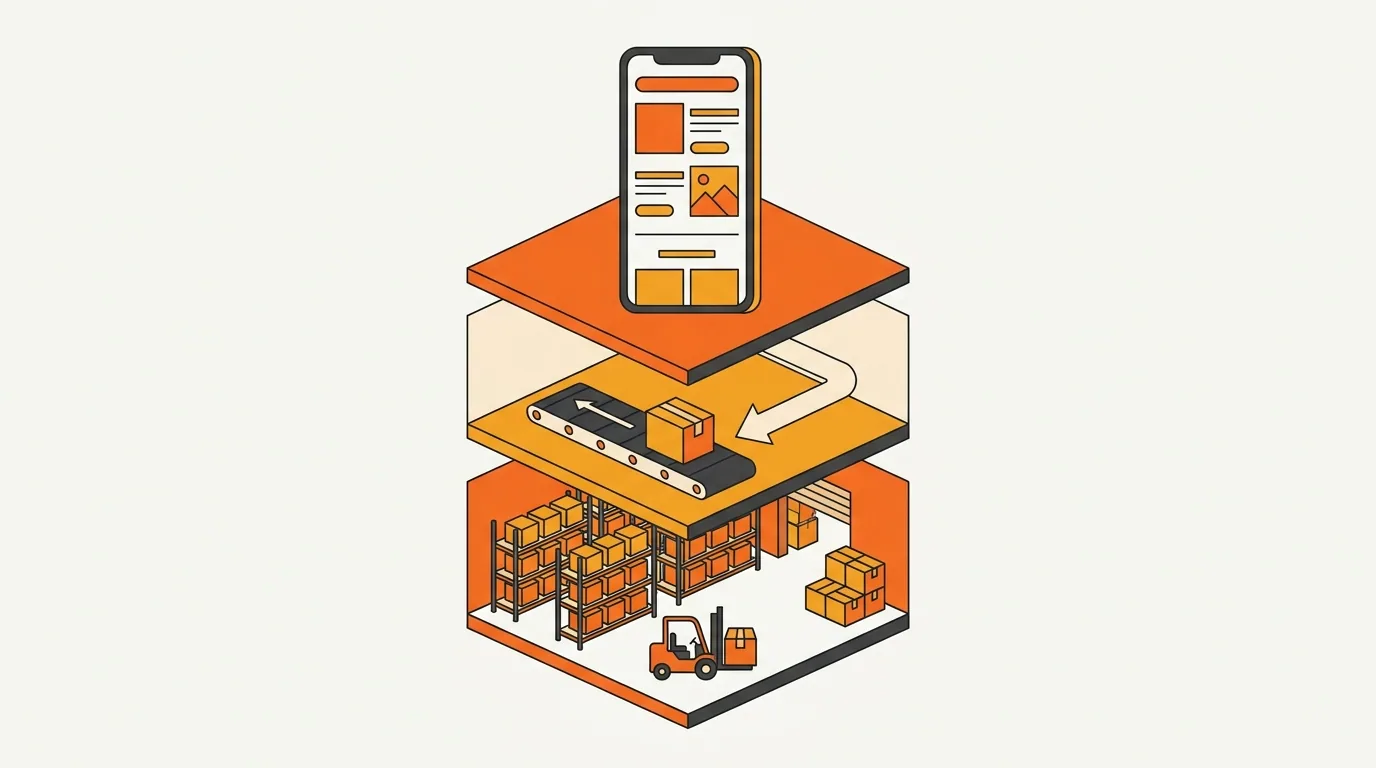
Once you go local, the operational picture changes more than the tax picture. The reason most foreign brands underestimate Korea is that "going local" is bundled in their head as a single decision, when it is actually four separate ones: importer of record, seller of record on the marketplace, fulfillment provider, and returns handler.
The default Korean fulfillment model for foreign brands selling on Coupang is Rocket Growth (로켓그로스) — Coupang's in-house 3PL that stores your inventory, fulfills orders on Rocket-delivery timelines, and processes returns. Three things about Rocket Growth are not obvious from outside Korea:
- Inbound is gated. Inventory has to clear customs in Korea before Rocket Growth will accept it. That means an importer of record must already exist on the Korean side. Your Shopify entity in the US or EU cannot be that importer unless you set one up.
- Returns are part of the unit economics, not an exception. Korean consumers return at meaningful rates, and Rocket Growth's returns handling fees are charged per item. We unpacked the recent fee shifts in Three Coupang policy changes that reset Rocket Growth margins.
- Settlement timing matters for cash flow. Coupang's default settlement is roughly 60 calendar days from sale, with faster options available. That gap is invisible to most founders until inventory replenishment timing collides with it. See Coupang settlement timelines: monthly vs weekly vs fast.
None of this lives in a typical Shopify cross-border guide. But all of it shows up the moment you start asking whether the cross-border Shopify model is the right one at your volume.
Entity setup and control tradeoffs
If you decide to stop cross-border and go local, you face an entity decision foreign brands routinely underweight. The choices, simplified:
- No Korean entity. Partner as IoR and SoR. A managed operator imports in their own Korean entity and lists on Coupang under that entity. You ship inventory to Korea, the partner clears customs, sells, settles, and remits net proceeds. This is the Spark model in our framing — on Coupang, Kontactic offers it only to Coupang-approved sellers in mainland China (Spark Subscription); for other brands we use it for a defined project, such as supplying Korean trade buyers (Spark Project). You get speed and zero entity overhead. You give up direct ownership of the Coupang account and the Korean banking relationship.
- Your own Korean entity. Partner runs operations. You incorporate a 유한회사 (Korean limited company), and the partner provides entity administration, customs, listing, fulfillment coordination, and CS. This is our Blaze model, which also covers growth strategy and marketing. You keep ownership of the entity, the bank account, and the Coupang seller account. You take on the entity overhead and a real tax filing footprint.
- Your own Korean entity. Build the team in Korea. A small Seoul team handles everything in-house. The control is total. So is the cost and hiring lift.
The reason this matters for the "tax representative" question is that the answer changes per path. In the partner-as-IoR model, the partner's Korean entity carries the VAT obligation; you have a contractual relationship, not a direct tax filing. In the own-entity models, your Korean entity files VAT and a non-resident director typically appoints a tax representative to handle correspondence. The cost stack also shifts — which we broke down in Who pays for what in Korea: operating costs explained.
We have also written more recently about why the own-entity path has gotten harder for non-resident founders. The tax-office posture changed in 2025 in ways most setup checklists have not caught up with. See Korea entity setup: May 2026 tax office crackdown.

KC certification: the compliance gate that does not care about your channel
One thing that catches Shopify cross-border sellers off guard: the moment you go local — any local model — Korean product compliance comes into play in a way it did not before.
In cross-border, the consumer is the importer, and many product-safety rules are enforced at personal-import scale. The MFDS, KC, and category-specific regulators are mostly not chasing one-off parcels. Once you, or a partner acting on your behalf, become the commercial importer, those regulators are the gate.
The big one for most product categories is KC certification (KC 인증) — a mandatory safety certification covering electrical, EMC, child products, and several other categories. Foreign brands routinely underestimate two things about it:
- The lab work is non-negotiable. Even when a foreign test report exists, Korea often requires retesting or a Declaration of Conformity issued in Korea. We covered the case where a foreign EMC report can be reused in KC certification for USB and battery-powered devices.
- The timeline is upstream of everything. You cannot import without it. You cannot list on Coupang at category level without it. You cannot run paid ads on a non-listable product. Brands that start with KC and work backward have the realistic schedule. Brands that start with ads do not.
If your product is not in a KC category — many soft goods, apparel, and certain accessories — the compliance burden is lighter. Food, cosmetics, supplements, and electronics are heavier and category-specific. The general shape is: cross-border defers most of this. Going local forces it.
Localized PDP and Korean-language conversion
The other thing that is invisible from a Shopify dashboard is what a Korean product page looks like on Coupang. It is not your Shopify product page translated. It is a 20,000-pixel vertical conversion-optimized image stack with structured callouts, social proof, before/after framing, ingredient or spec breakdowns, and Korean-style trust signals.
This is not a cosmetic choice. Korean shoppers scroll the PDP before they read the title. A storefront-style PDP that works on Shopify will underperform on Coupang by a meaningful multiple. Cross-border sellers running Shopify with a translated UI can avoid this for a while. Local sellers cannot.
In practice, the order we recommend foreign brands think about it is: KC and compliance first, entity and IoR decision second, Coupang and Rocket Growth setup third, PDP and ad spend fourth. Most brands try the reverse and burn budget on traffic that lands on a page that does not convert. We wrote a longer founder's note on this in Operational readiness before ad spend.
So — do you need a tax representative?
To return to the question:
- If you sell cross-border from Shopify, and each parcel clears Korean customs in the consumer's name, no, you generally do not need a Korean tax representative.
- If you import inventory into Korea in your own name, list on Coupang as the seller of record, or operate a Korean entity, yes, you need either a tax representative or a local director who can handle filings.
- If you partner with a managed operator who acts as importer of record and seller of record, the operator's Korean entity holds the tax obligation. You do not need your own representative for that channel.
The deeper question is which of those three you should be in. Cross-border is fine for testing demand and for product categories where shipping economics permit it. Going local is what unlocks Coupang Rocket-delivery conversion, KRW pricing, and proper paid acquisition. The tax-representative question is, in practice, a side effect of that choice — not the choice itself.
“The tax representative question is downstream of the entity question. Decide whether you are cross-border, partner-led, or fully local first — the filing structure follows.”
Kontactic editorial — Commerce Trends
Talk through your Korea path before you commit
Whether you are validating cross-border Shopify orders or evaluating Coupang and Rocket Growth, we can walk you through the entity, tax, and operational tradeoffs in one call.
About the author
Korean and global e-commerce operators with 15+ years of cross-border experience, led by CEO Isaac Lee — KOTRA-certified consultant and official lecturer for Seoul City and the Korea Customs Service. We run Korea market entry for overseas brands every day; this blog records what we learn in the field.
More about Kontactic →Related Articles
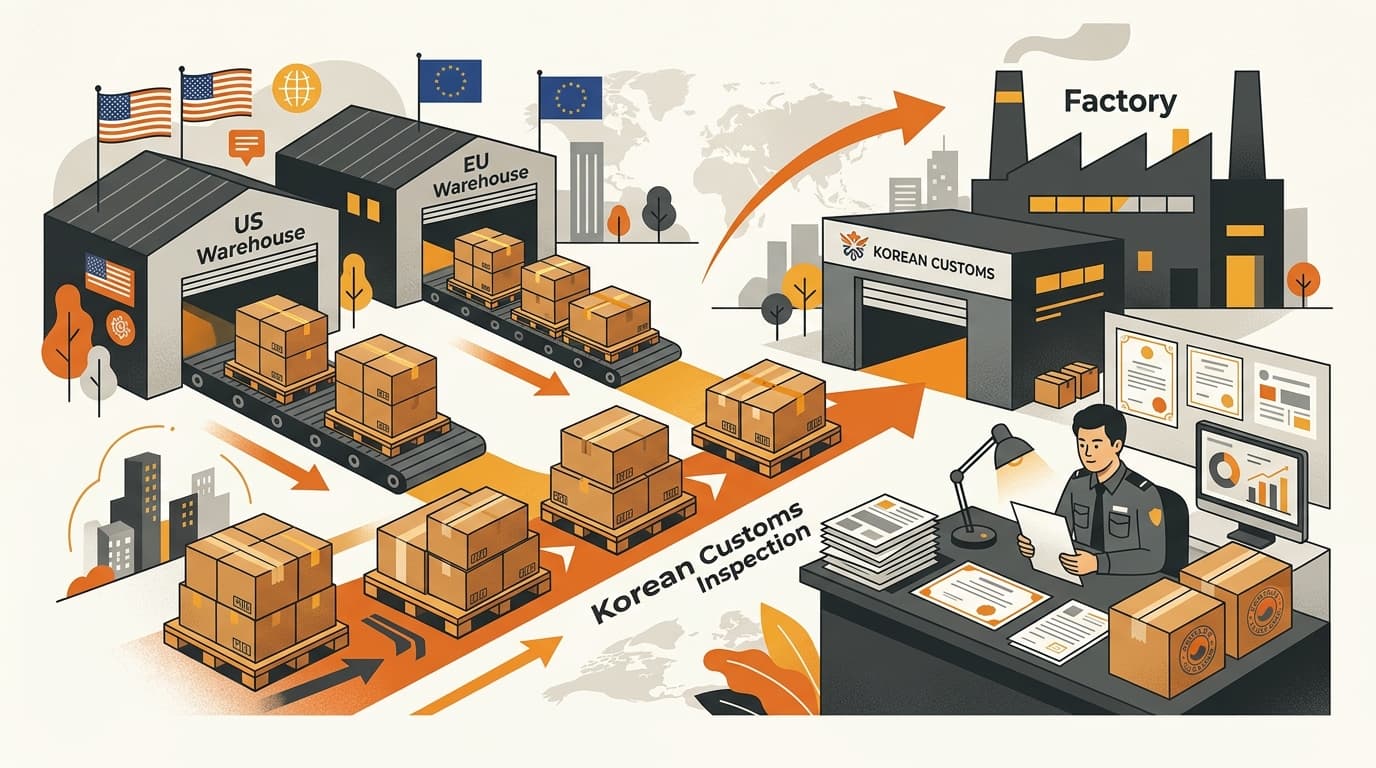
Korea FTA Duty: US/EU Warehouse Shipping Is Not Enough
A US or EU warehouse does not prove FTA origin in Korea. The importer must verify production, transit, and documents before claiming a lower customs duty rate.

Agentic Commerce: When AI Picks the Product, What Should Brands Selling in Korea Do?
AI shopping agents now search, compare, and sometimes buy for the shopper, and they recommend 1–5 products instead of a page of results. What Korea's Chamber of Commerce found in the US and Europe, and what it means for your product data in Korea.
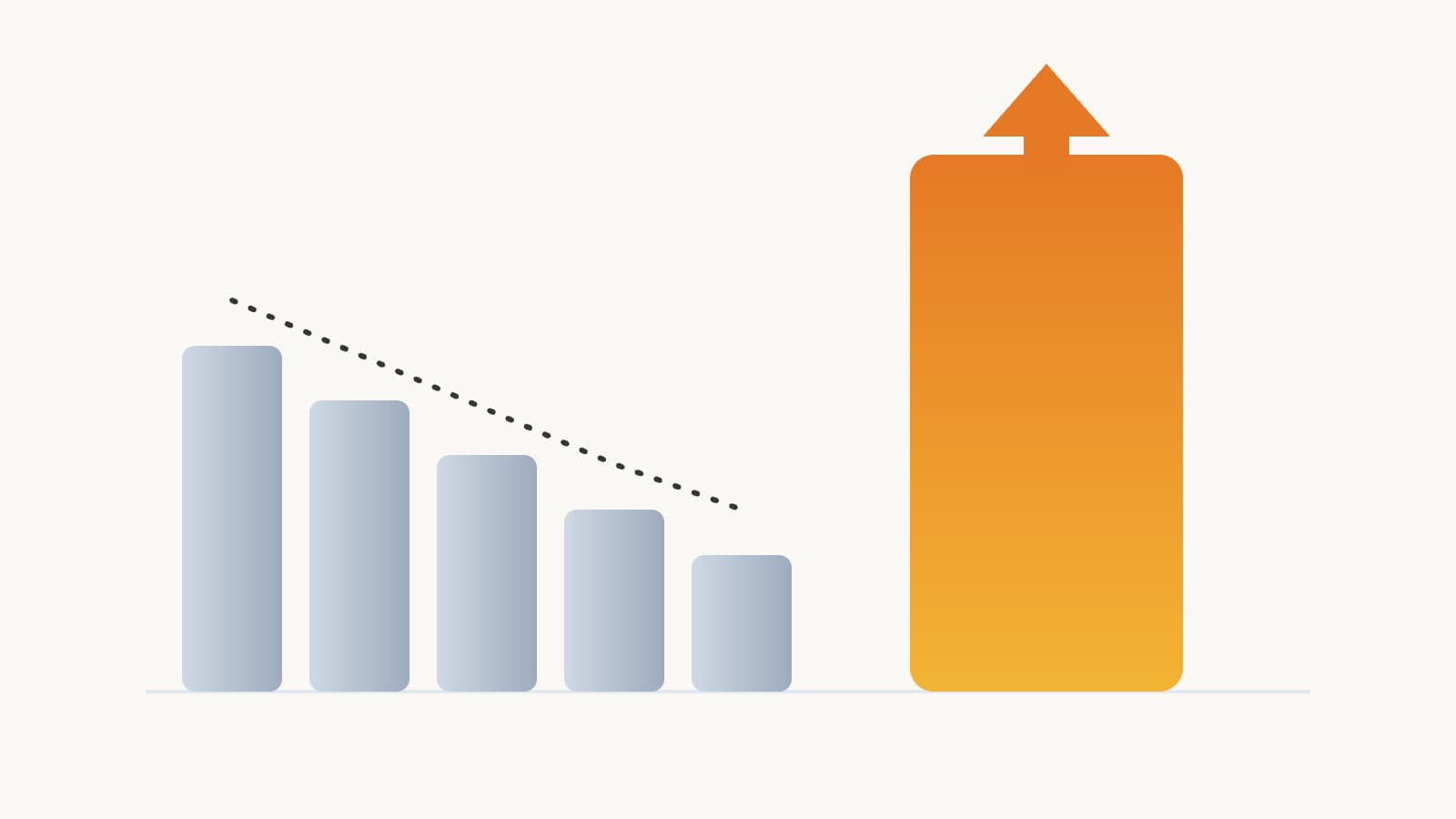
Korea E-commerce, September 2026: The Market Shrank, Coupang Grew
Korean online shopping spend fell 2.1% in September 2026, yet Coupang grew 3.9% and reached a 72.7% share of the 12 largest platforms. What the data means for a foreign brand choosing where to sell.