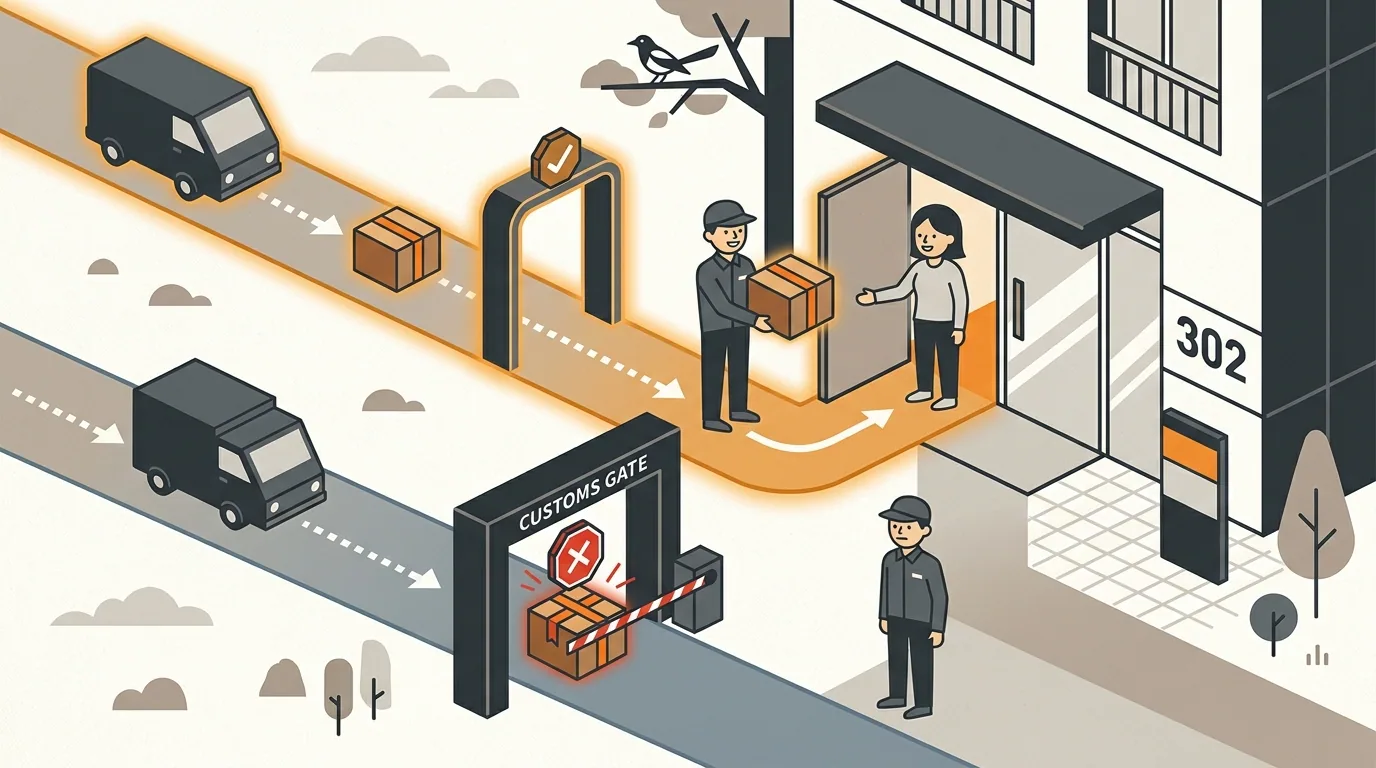
DDP vs DAP When Selling to Korean Consumers
For Korean B2C ecommerce, DDP (Delivered Duty Paid) is the right incoterm; DAP (Delivered at Place) is the wrong one. Under DAP, the buyer is the importer of record on paper, and that single fact breaks the purchase experience. Korean consumers will not absorb a surprise customs call or a duty invoice at the door.
The longer answer: neither incoterm matters once volume is real. The decision shifts from DDP-vs-DAP to cross-border-vs-local.
This article keeps the useful basics of the DDP vs DAP comparison but adds the parts the generic incoterms guides skip: how the choice interacts with a Korean-language Product Detail Page (PDP), what Korean shoppers read as a trust signal, and when you should stop optimizing the cross-border parcel flow altogether.
DDP vs DAP in one paragraph, then the Korea wrinkle
Under DDP, the seller pays freight, insurance, customs duty, and import taxes — including Korea's 10% VAT — and the buyer receives a parcel with nothing left to settle. Under DAP, the seller delivers the goods to a named place in the destination country but the buyer is responsible for import clearance, duty, and tax. In a B2B context where the buyer has a customs broker on retainer, DAP can be cheaper and cleaner for the seller. In a B2C context shipping to a private Korean consumer, DAP shifts a paperwork burden onto someone who has no idea what an HS code is and was not warned about it at checkout.
That asymmetry is the entire story. Everything else is detail.
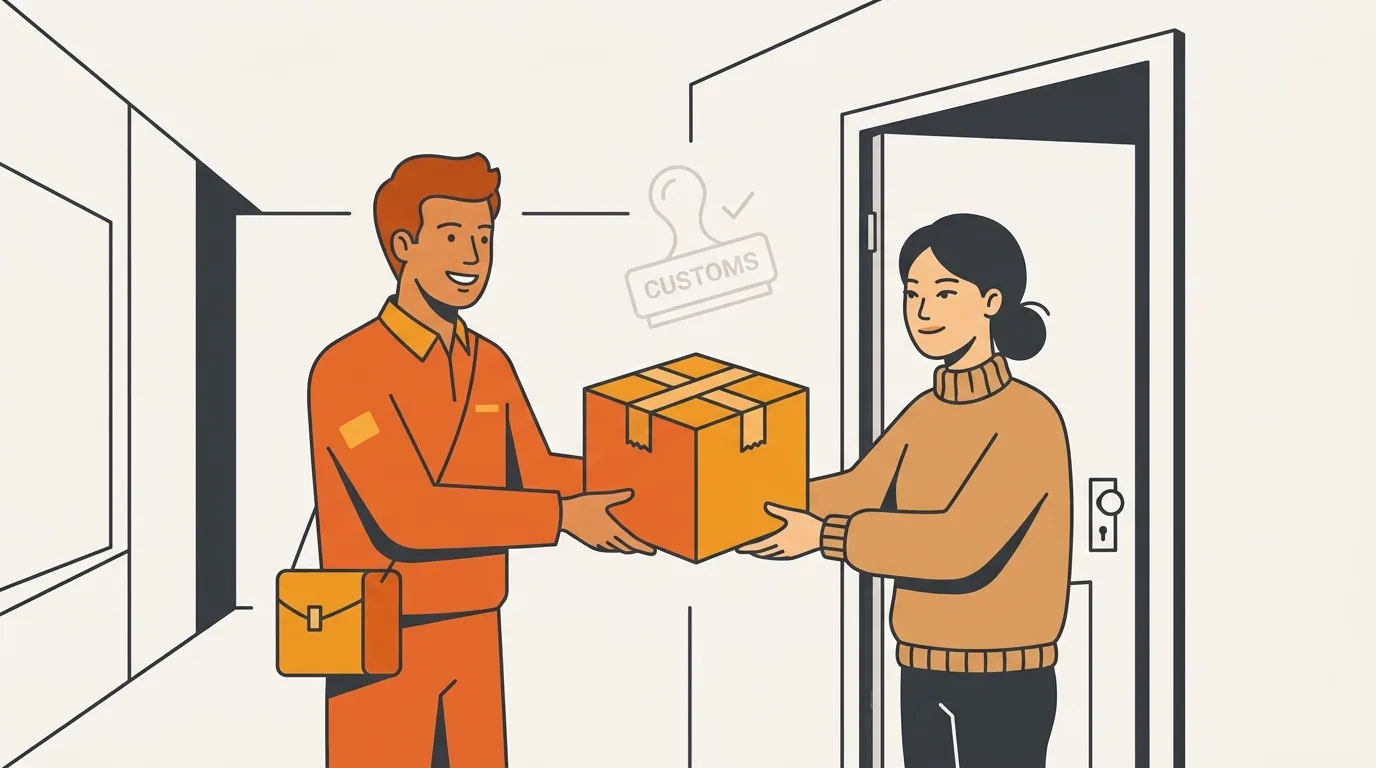
Why DAP quietly destroys conversion in Korea
The Korean cross-border buyer is sophisticated, mobile-first, and used to next-day Coupang delivery. They tolerate a slower cross-border timeline only because the brand they want is not yet sold locally. They do not tolerate the following:
- A phone call in Korean (or worse, English) from a customs broker asking for a personal customs clearance code (개인통관고유부호) that they did not provide at checkout.
- A separate payment request, usually by bank transfer or a payment link, for duty and VAT.
- An invoice line item they did not see when they pressed "buy."
- A package held at the bonded warehouse with no clear ETA.
Each of these is a normal DAP flow. Each is also, in practice, a refund request. In our experience, the chargeback and dispute rate on DAP-style cross-border orders runs meaningfully higher than DDP — and most of the disputes are not about the product. They are about the surprise.
The Korean-language reviews left by buyers who hit a DAP-style flow are also brutal and durable. A single "이 브랜드는 통관비 따로 청구함 주의" ("warning: this brand bills customs fees separately") review can sit at the top of a community thread for months.
Where the generic incoterm guides stop, and where Korea actually begins
Most of the top-ranking DDP vs DAP articles end at "DDP gives the buyer a better experience; DAP gives the seller more cost control." That framing is correct and incomplete. For a Korean B2C audience, the experience layer is not a tiebreaker — it is the decision.
Two layers that generic guides almost never touch:
Localized PDP and Korean-language conversion
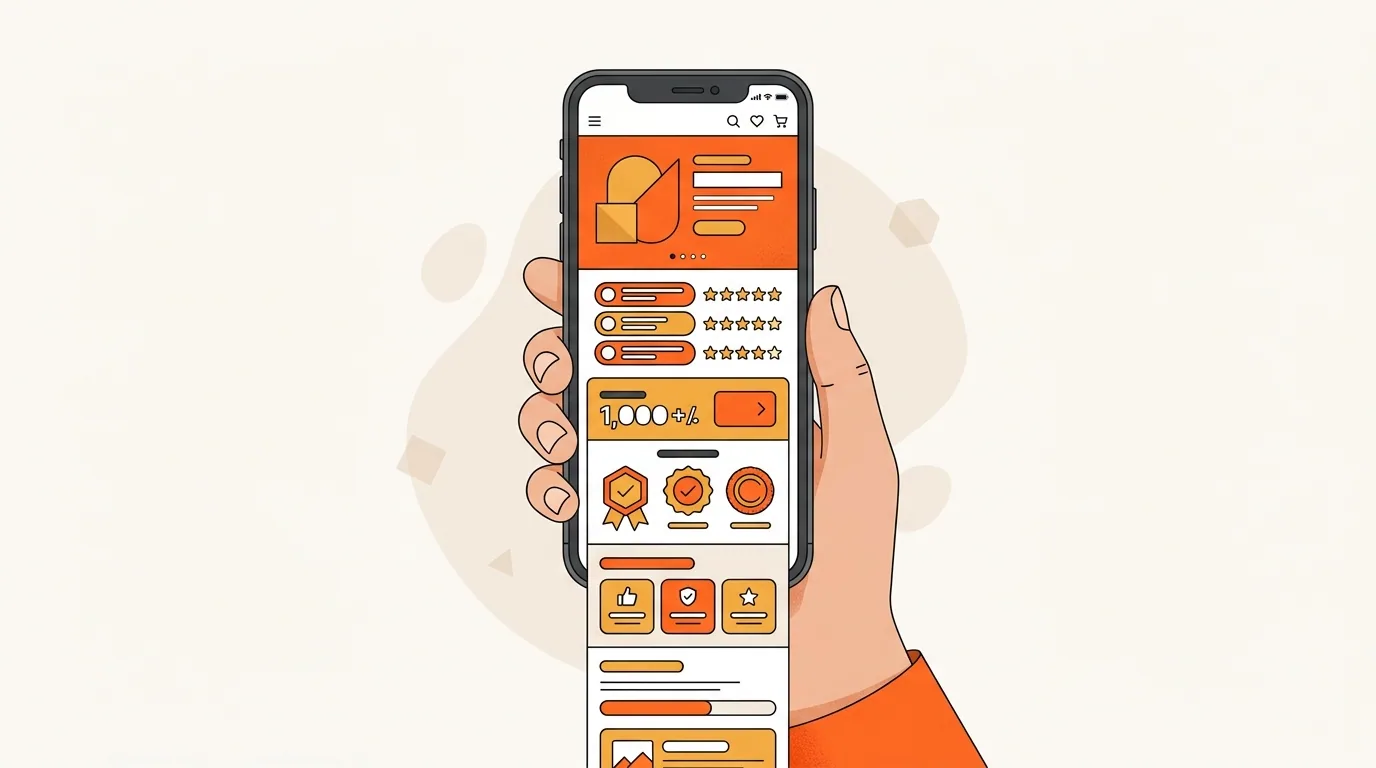
The incoterm only matters if the buyer clicks "purchase," and that decision is made on the Product Detail Page. A foreign brand's English-language landing page, ported through a translation plugin, does not convert in Korea. The conventions are different. Korean PDPs are tall — Coupang PDPs run roughly 20,000 pixels of vertical visual content — and they front-load three things: who the brand is, what regulators have cleared it, and what other Korean buyers have said.
If you are shipping DDP cross-border, your PDP must say so, in Korean, above the fold: 관부가세 포함, 추가 비용 없음 ("duties and VAT included, no additional charges"). If you are shipping DAP, you must say that in Korean, equally prominently, and you will lose the sale anyway. The PDP is where the incoterm is communicated, and most foreign brands either bury the term, mistranslate it, or assume the buyer will infer it.
We have written separately on what foreign brands underestimate when building a Korean PDP for conversion — the short version is that PDP quality is upstream of every other lever, including the incoterm.
Consumer trust signals for Korean shoppers
A Korean buyer evaluating a cross-border DDP listing scans for a specific set of trust markers, almost none of which appear on a generic Shopify checkout:
- A Korean business registration number (사업자등록번호) displayed in the footer or on the PDP. Cross-border sellers without a local entity do not have one — which is itself a signal.
- A Korean customer service phone number or KakaoTalk channel, not just an email.
- Clear language on returns: who pays the return freight, what the timeline is, whether the refund is in KRW.
- A Korean-language reviews block. Auto-translated English reviews read as machine-translated, and Korean shoppers can tell instantly.
- A visible certification mark where the category requires one — KC for electronics, MFDS for cosmetics and food.
DDP solves the price-at-the-door problem. It does not solve any of the trust problems above. A brand that ships DDP but has no Korean phone number, no KRW pricing, and no Korean reviews is still losing the conversion. The incoterm is one layer. PDP quality, phone numbers, and KRW pricing are upstream.
Sequencing: when DDP is the right tool, and when to stop using it
DDP cross-border is the right structure for a specific stage. It stops being the right structure faster than most founders expect.
Stage 1 — Demand validation (DDP cross-border, low volume). You are shipping individual parcels from your home market, paying duty and 10% VAT on each one, and absorbing the cost into the listed price. Your PDP is in Korean. You are not yet on Coupang locally; you may be on a cross-border Coupang listing or your own KR-targeted site. DDP is correct here because the alternative — DAP — kills conversion, and the alternative — going local — is premature when you do not yet know the SKU mix that sells.
Stage 2 — The crossover moment. Once cross-border order volume is consistent, the per-unit math turns. We have written the cost comparison in detail in local vs cross-border Korea fulfillment; roughly speaking, by the time you are doing meaningful monthly volume, paying DDP duties and international freight per parcel is more expensive than consolidating one container, clearing it under a Korean Importer of Record, and shipping domestically.
Cross-border orders also systematically understate the size of the local opportunity, because the cross-border friction itself suppresses conversion. We covered the mechanics in why cross-border orders understate your Korea opportunity.
Stage 3 — Local fulfillment (incoterm conversation ends). Once you go local, the inbound shipment is itself a DDP move. At Kontactic, DDP is mandatory across all service tiers (Spark, Flame, Blaze). But it is now a B2B leg between you and a Korean fulfillment partner, not a B2C leg to a consumer. The end consumer sees a domestic Coupang parcel with KRW pricing, Korean customer service, and same-day or next-day delivery. The DDP-vs-DAP question simply does not arise anymore. The real decision becomes Rocket Growth versus cross-border and how IoR and 3PL change your Korea margins.
“Most foreign brands optimize their DDP flow for six months longer than they should. The correct move is usually to switch the conversation from incoterm to entity earlier, not later.”
Kontactic — Operations team note
What foreign brands usually underestimate
Three things, in our experience:
- The 10% VAT is not optional under either term. Under DDP, you pay it; under DAP, the consumer pays it. It does not disappear. Pricing your Korean listing as if Korea were a duty-free zone is a common and expensive mistake. The full picture of how VAT and duty stack for foreign shippers is worth reading before pricing the KR storefront.
- The customs experience is brand-defining in Korea. A buyer who has a smooth DDP unboxing tells their group chat. A buyer who gets a 통관 phone call at 10am on a Tuesday tells the same group chat, and the review thread, and the Naver café. The asymmetry is not 1:1.
- The incoterm is a stage, not a strategy. Spending engineering and ops cycles to perfect a DAP flow for Korea is, in almost every case, the wrong investment. Spend that time on the Korean PDP, the trust block, and the path to a local entity or IoR partner.

A short recommendation
If you are early-stage and validating, ship DDP, price the duty and 10% VAT into the listing, and make sure your PDP says so in Korean. Do not ship DAP to Korean consumers; the savings are not real once you net out refunds and reviews.
If your monthly Korean volume is consistent and growing, stop optimizing the parcel and start scoping the local path: Importer of Record, Korean Seller of Record, Coupang Rocket Growth, and a Korean-language PDP built for conversion, not translation. The incoterm conversation ends there, and a more useful one begins.
Plan the move from DDP cross-border to local Korea
Kontactic operates the import authority, entity administration, Coupang account, and Korean PDP for foreign brands going local in Korea. If you've validated demand and are ready to stop optimizing the parcel, talk to us.
About the author
Korean and global e-commerce operators with 15+ years of cross-border experience, led by CEO Isaac Lee — KOTRA-certified consultant and official lecturer for Seoul City and the Korea Customs Service. We run Korea market entry for overseas brands every day; this blog records what we learn in the field.
More about Kontactic →Related Articles

Korean Cosmetics Responsible Seller: Who Takes the Role
Imported cosmetics need a Korea-registered responsible seller before sale; learn who can take the role, what the Korean label must show, and what to verify.
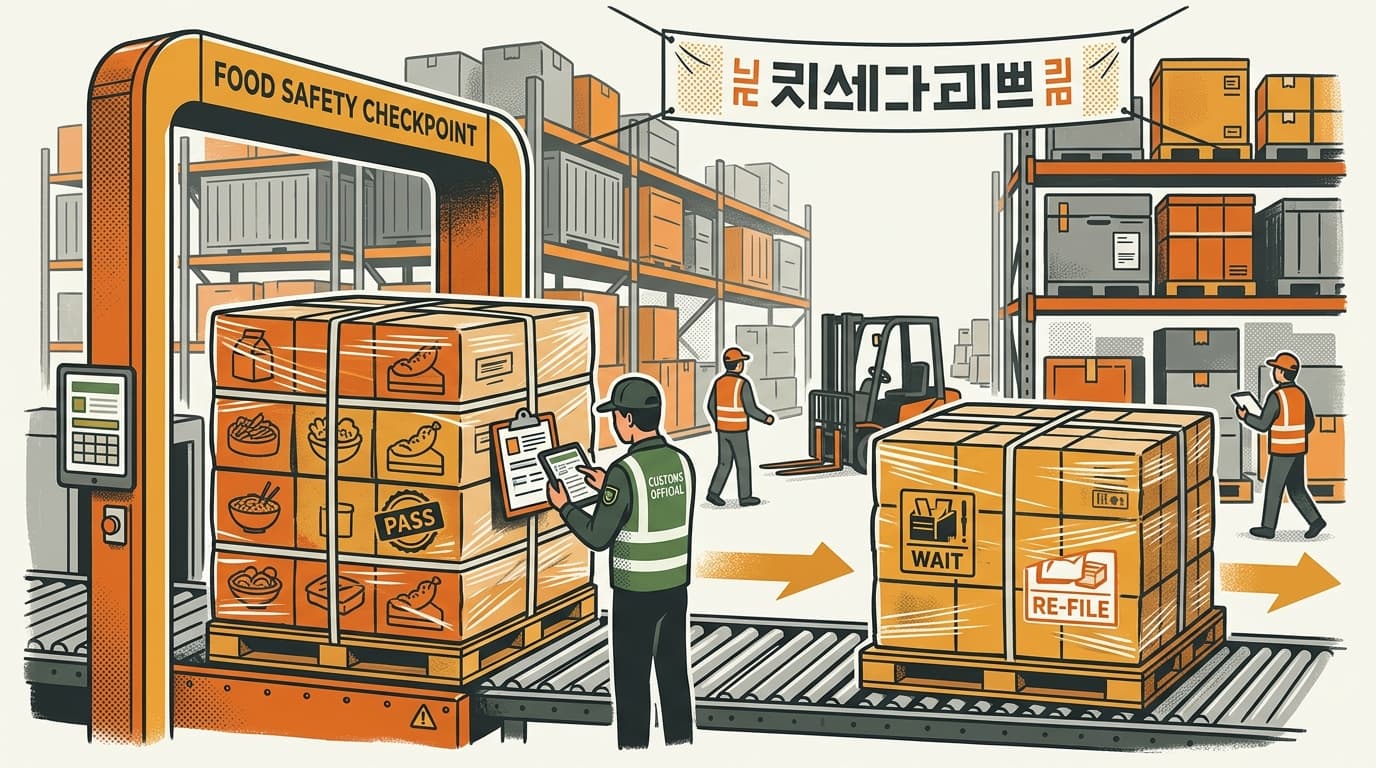
Korea Food Import Declaration: File Every Shipment
Korea food import declaration rules apply to one shipment only, so MFDS requires a new declaration for every reorder and later checks may delay stock in Korea.
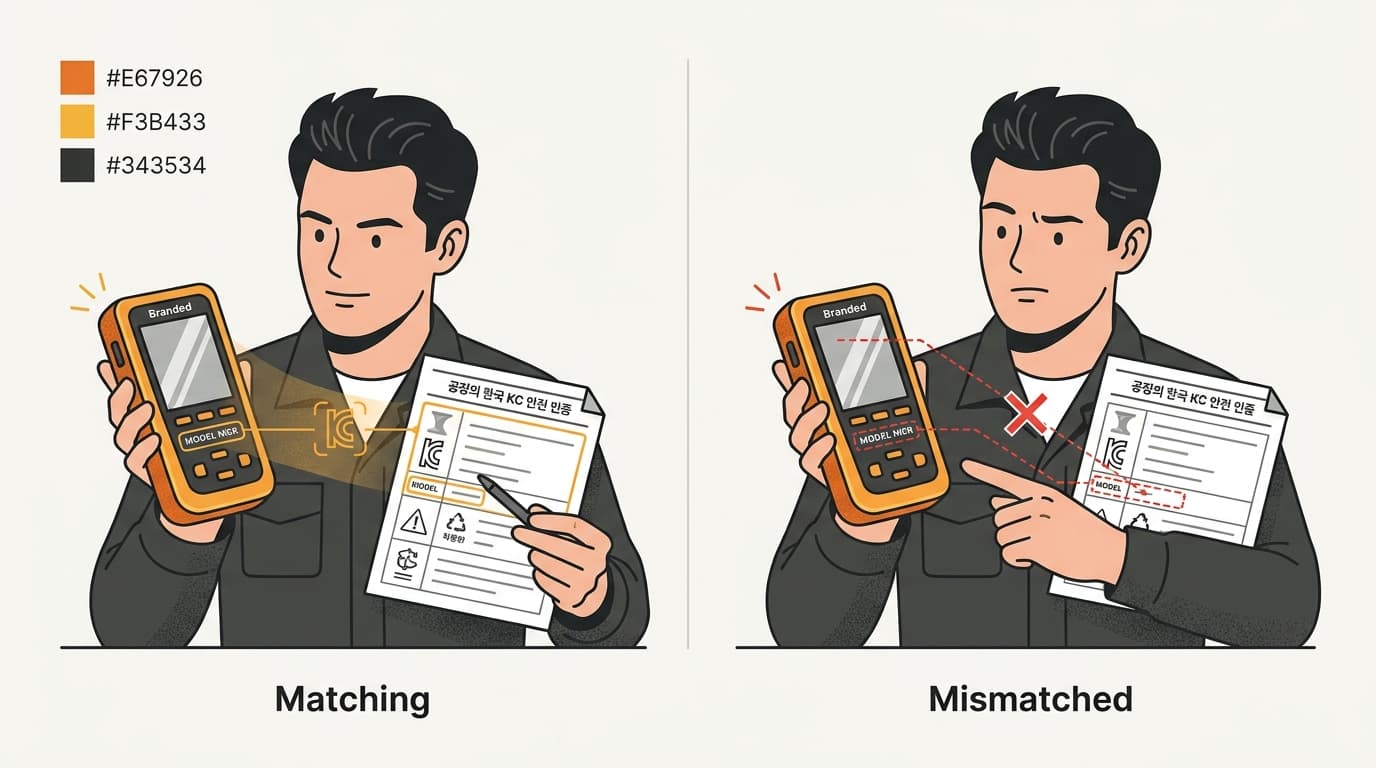
Can a Factory's KC Certificate Cover Your Brand?
Factory KC paperwork covers your private-label product only when the approved model, factory, and version match. Wireless products need a separate RRA check.