Can Coupang Assemble Your Bundle for Rocket Growth? No
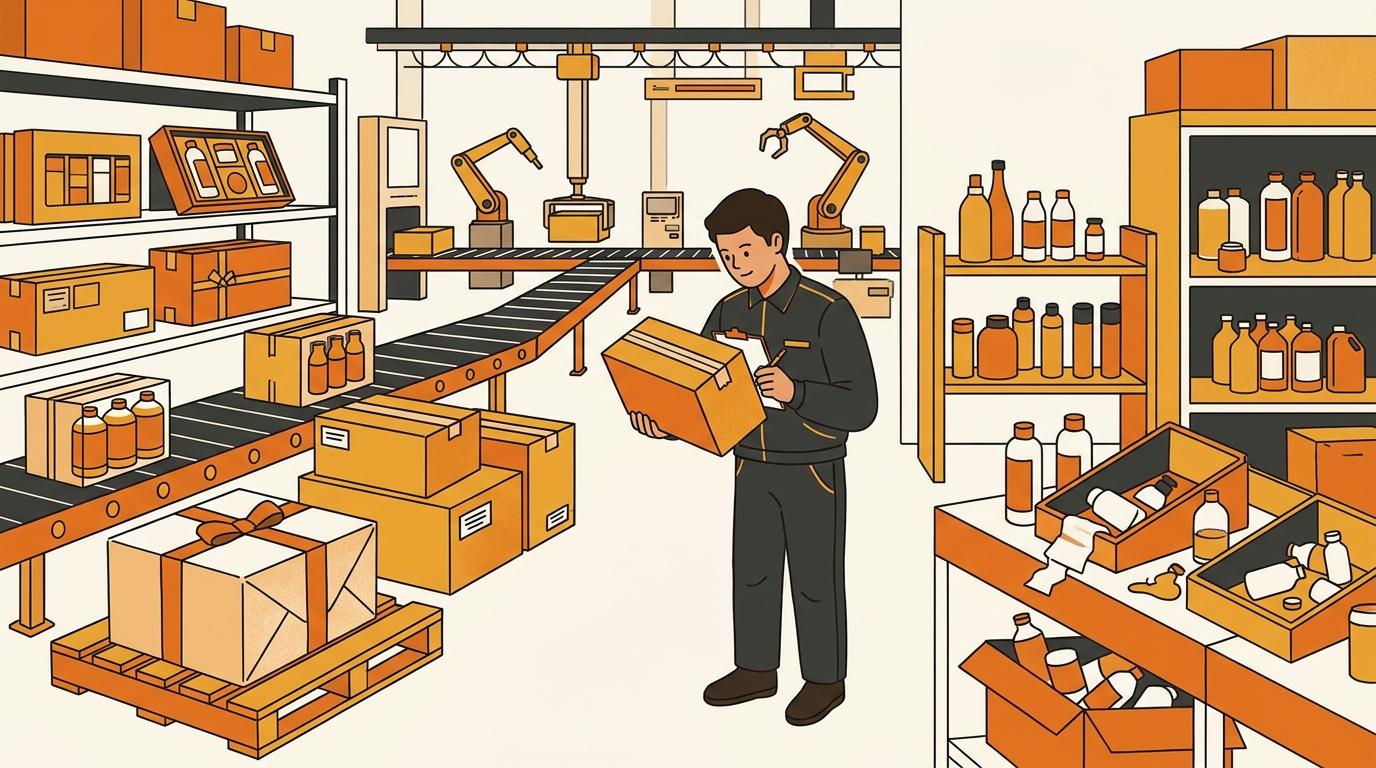
No. Coupang Rocket Growth does not take loose bottles, refills, or gift-set pieces and assemble them into the retail bundle a customer bought. If your Coupang listing offers a two-bottle set, pack and label both bottles together. Send them as one ready-to-ship unit.
Rocket Growth fulfillment stores accepted stock, picks the unit a customer orders, packs the delivery parcel, ships it, and handles returns. “Pack” means preparing the delivery parcel, not combining loose pieces into a retail product.
Start with the finished sellable unit
Imagine that your Korean listing offers a “two-bottle set.” Your factory sends the two bottles as separate units in one master carton. The carton may contain the right total number of bottles, but it does not contain finished two-bottle sets.
Coupang’s warehouse stores accepted products, picks the product a customer orders, places it in an outbound parcel, sends it, and processes the return flow. The delivery parcel is a later step. It does not define what the customer bought.
That difference matters because the customer buys the offer shown on the listing. The picked unit must match that offer in its contents and quantity.
Use the same test for a refill kit or gift box. Check that the main product, refill, box, and every promised part travel as one finished offer.
The quantity written on the listing helps the customer understand the offer. It does not replace the physical unit or its label. A listing that says “two pieces” is not an instruction for warehouse staff.

One listed option must be one physical product
Treat every bundle sold as one option as one physical item from the factory to the Coupang warehouse. Its contents, quantity, version, and identification must match the offer that the customer sees.
A useful way to check the setup is to ask four simple questions:
- Are all the pieces promised on the listing inside the same finished pack?
- Does the quantity in that pack match the option shown to the customer?
- Can the receiving worker tell which finished pack matches this listing option?
- Can the worker separate different sizes, colors, or contents without opening random cartons?
If your inventory system uses a stock keeping unit (SKU), treat the complete bundle as one sellable SKU. Do not treat each loose component as the bundle unless the components are also sold separately and have their own separate setup.
For example, a brand may sell a small gift set and a large gift set. Both may use the same main product, but the included pieces are different. The finished small set and finished large set need to be physically separate and clearly identified. Putting all the pieces in one unlabeled carton does not create two options.
An outer carton can contain several finished bundles. That is normal shipping packaging. The important point is that each bundle inside the carton must already be complete. The outer carton holds the products; it does not become the product.
Do not rely on a product title, option name, or quantity field to fix a physical mismatch. The listing tells the shopper what the offer contains. The label on the finished unit helps Coupang receive and pick that offer. If several versions share one product ID, the Coupang Product IDs: One ID Cannot Cover Every Variant in Your ERP explains how to identify each version clearly.
Prepare each finished bundle before Rocket Growth inbound
Prepare the physical product and the Coupang setup together. This order reduces the chance that the listing promises one item while the carton contains another.
-
Define the exact offer. Write down what one customer receives. For a two-bottle set, name the two bottles. For a refill kit, name the main item and every refill included. Do not leave the contents to a carton-level guess.
-
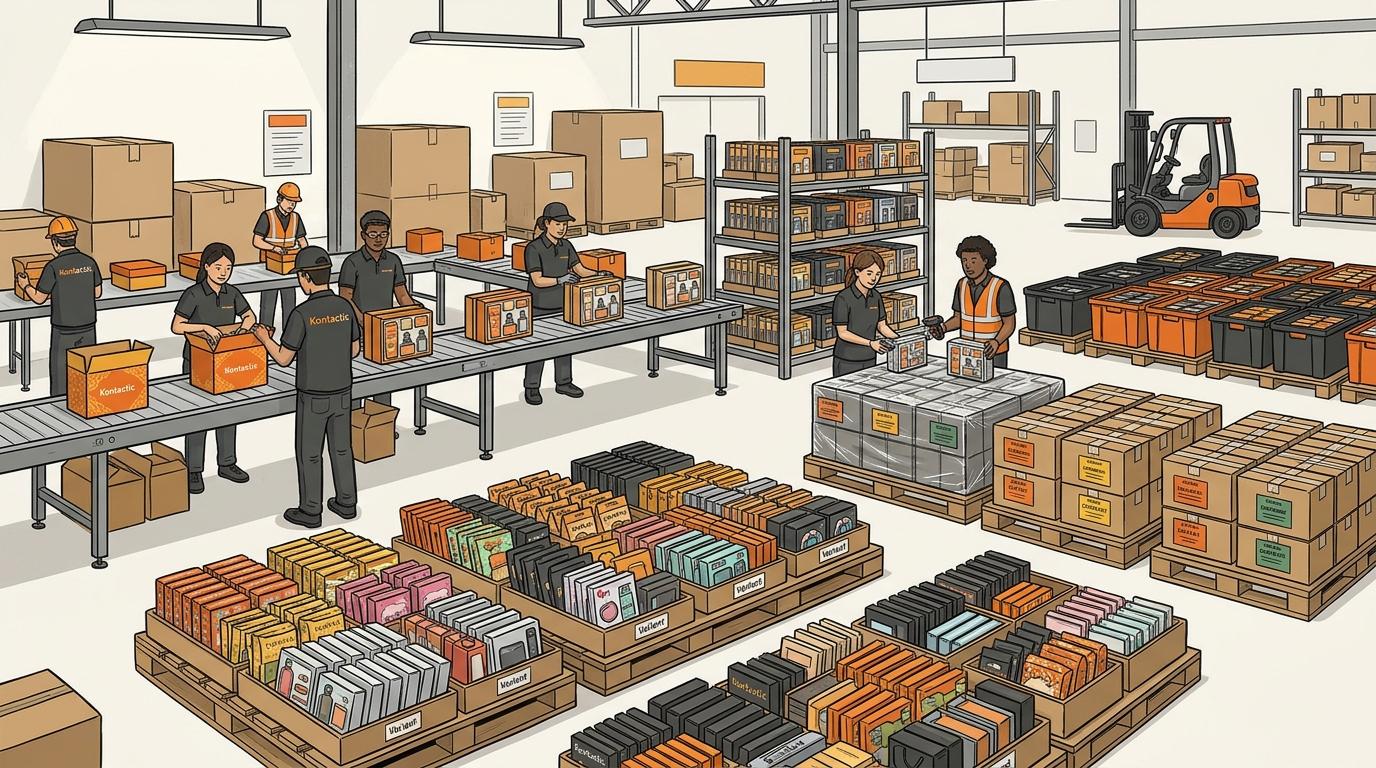
Assemble the unit at the factory or with a prep partner. Put every promised piece into the final retail pack before the stock ships to Coupang. If the bundle needs a box, sleeve, wrap, or other pack to stay together, complete that work before inbound.
-
Create the exact product and option in WING. WING is Coupang’s seller portal. Set up the product and the option that match the finished bundle, not the loose parts that were used to make it.
-
Identify every finished unit. Use the product code or label accepted by Coupang’s current Rocket Growth inbound guide. Do not assume that an overseas barcode or a factory carton mark will meet the current requirement. Check the guide that applies to the shipment.
-
Keep different versions separate. If the bundle changes by size, color, scent, or included contents, make each version physically distinct. Do not mix loose parts from different options in one unlabeled carton.
-
Prepare the outer-carton labels. Apply the carton labels required by the current inbound instructions. These labels identify the shipment for receiving; they do not replace the product identification on each finished unit.
-
Create the Rocket Growth inbound request before shipping. Use the exact product and option already set up in WING. Then compare the planned carton contents with the finished units that the factory will send.
For the physical rules, use the current Rocket Growth inbound guide inside WING. For product, option, and integration data, check Coupang’s official developer documentation. Coupang’s own current instructions are the right source for labels and inbound fields because those details can change.
Before the shipment leaves, run the finished unit through Coupang Inbound: Three Checks Before Shipping. If the unit depends on a barcode, also check Why Coupang Rocket Growth Requires a Barcode on Every SKU. Both checks are easier before the goods leave the factory than after the warehouse receives them.
What happens when the stock does not match the listing?
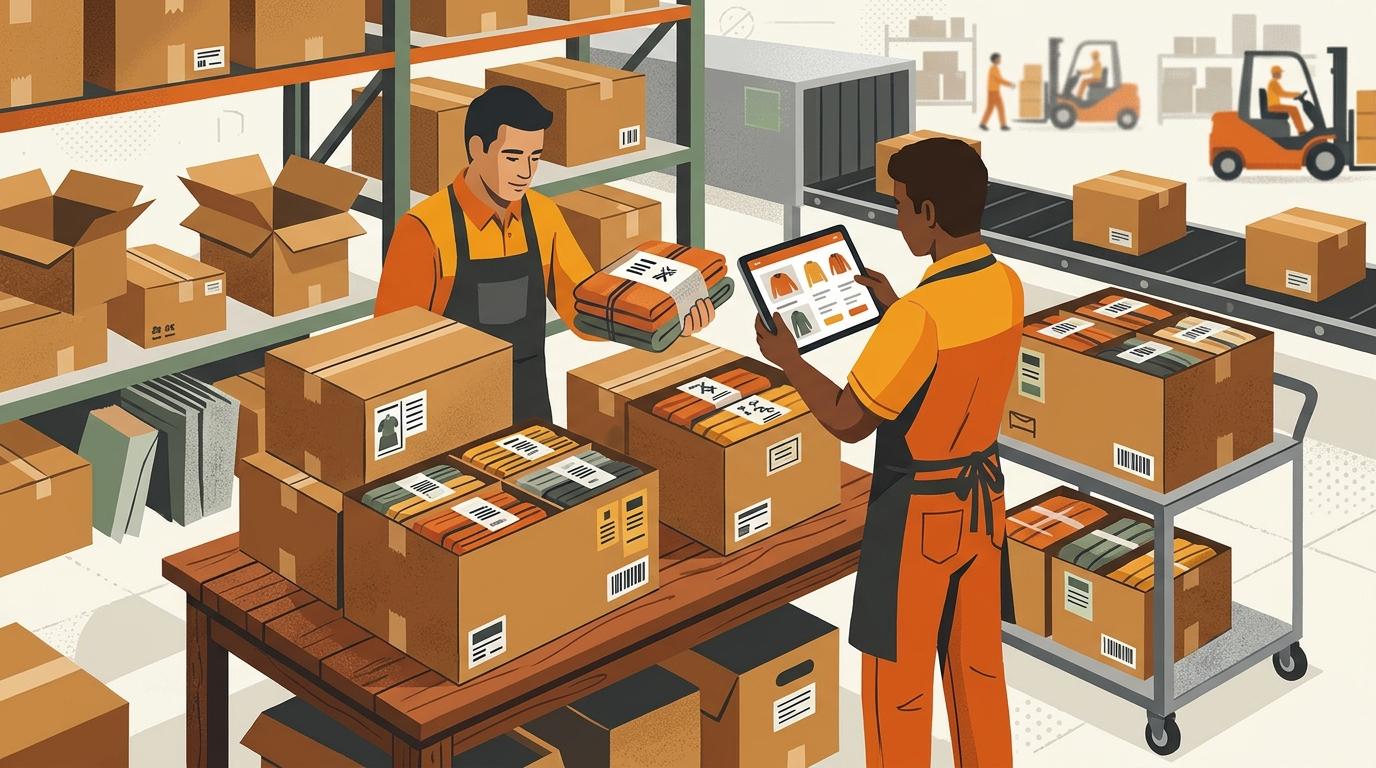
Coupang may delay receiving the shipment, count the stock differently from the expected units, or leave the product unavailable until the mismatch is corrected. The exact response depends on what the warehouse receives and what the submitted product says.
Consider three common mismatches.
- The listing says two-bottle set, but the carton contains loose bottles. The total bottle count does not prove the number of complete sets. Ten loose bottles are not automatically ten accepted two-bottle retail units.
- The carton mixes different options. A small set and a large set may use similar pieces, but they are not the same product. If the pieces are mixed and unmarked, the warehouse cannot safely treat them as separate finished options.
- The gift box is incomplete. If the listing promises a box with several included products but some pieces are missing, the physical unit does not match the customer’s offer.
The fix is not to expect the fulfillment center to build the product after arrival. Have the factory or prep partner assemble and identify the correct units before the stock reaches Coupang. If the listing or inbound request also needs correction, follow the current instructions in WING before sending the replacement or corrected shipment.
A master carton is only a shipping container. Count the finished units inside it. Do not count loose components as bundles.
The What to Ship to Coupang Rocket Growth—and Who Owns It explains which goods belong in the program. Here, ship the finished product the customer will receive.
Common questions about Coupang bundle fulfillment
Can I send all the bundle pieces in one master carton?
Yes, if each sellable bundle inside the carton is already assembled and identified. One carton can hold several finished sets.
Can I list “two pieces” and let the two pieces keep separate labels?
No. The quantity in the listing does not identify the complete offer. Prepare one finished unit and apply the product code or label required by the current inbound guide.
Can Coupang place separately sold items in the same delivery box?
Not for defining a bundle. The delivery parcel is the box for the picked order. It does not turn separately sold items into one retail product.
Can I put different colors or sizes in the same carton?
Only when each finished version has its own identification and the current inbound instructions allow that carton plan. If the worker cannot distinguish them, keep the versions in separate cartons.
Which official source should I check before shipping?
Use the current Rocket Growth inbound guide inside WING for product labels and outer-carton instructions. Use Coupang’s official developer documentation for system fields and integration details. If an old factory instruction differs from the current Coupang guide, check the current guide before the shipment leaves.
Check your bundle before the first inbound
If you want a second check of the Korean listing, bundle contents, and Rocket Growth inbound plan, contact Kontactic before the factory ships.
About the author
Korean and global e-commerce operators with 15+ years of cross-border experience, led by CEO Isaac Lee — KOTRA-certified consultant and official lecturer for Seoul City and the Korea Customs Service. We run Korea market entry for overseas brands every day; this blog records what we learn in the field.
Meet the Kontactic team →Related Articles

Korean Business Registration: Who Is the Importer?
A Korean business registration certificate does not make a partner the importer. Check the customs name, category rules, and product rules before shipping.

Add or Remove a Signatory From a Korean Bank Account
Learn how to change a Korean bank signatory: approve the request, prepare documents, attend the branch, update digital access, and check timing and fees.
Korean Import Duty and VAT: Which Price Counts?
Korean import duty and VAT normally use the parent-company price, not Coupang’s retail price; freight, insurance, and some royalties can change the tax due.