
Coupang Inbound: Three Checks Before Shipping
Coupang inbound is the process of sending stock to a Coupang warehouse. Kontactic Seller Center runs each submitted SKU through three review stages and saves the decision and explanation in English, Chinese, and Japanese before the shipment is sent.
The practical change: A new or unusual SKU does not stop at one automated reading. Seller Center saves the completed decision and explanation in three languages before the shipment is submitted.
Why one first reading is not enough for every SKU
A routine restock and a new or unusual SKU do not create the same review question. A routine restock may involve an item the seller already knows. A new SKU may leave the team unsure which Korean inbound requirement applies. That uncertainty matters before stock moves.
If the first automated reading is the final answer, a SKU with an unclear requirement gets only one review pass. The seller may still need to ask a local colleague what the result means. The brand’s head office may not have a written explanation it can read without asking the question again.
The three stages give that SKU two more review passes before the inbound decision. The first reading starts the review; it is not the end.
Three stages do not promise a favorable result. They give the seller a fuller review before the decision, which is the useful change.

How the review starts
The seller’s part starts with the actual item. SKU means stock keeping unit: the identifier for the product the seller wants to send. The seller submits that SKU and the details needed for the inbound review.
The review covers the SKU in the shipment. It does not answer a broad question about selling in Korea.
Once the SKU is submitted, Seller Center runs it through the three review stages. The seller reads the saved decision before submitting the shipment for Coupang inbound.
The seller gets a product-specific result. The saved decision relates to the SKU and details reviewed. It should not be treated as a general answer for a different product with different details.
How the three review stages change the check
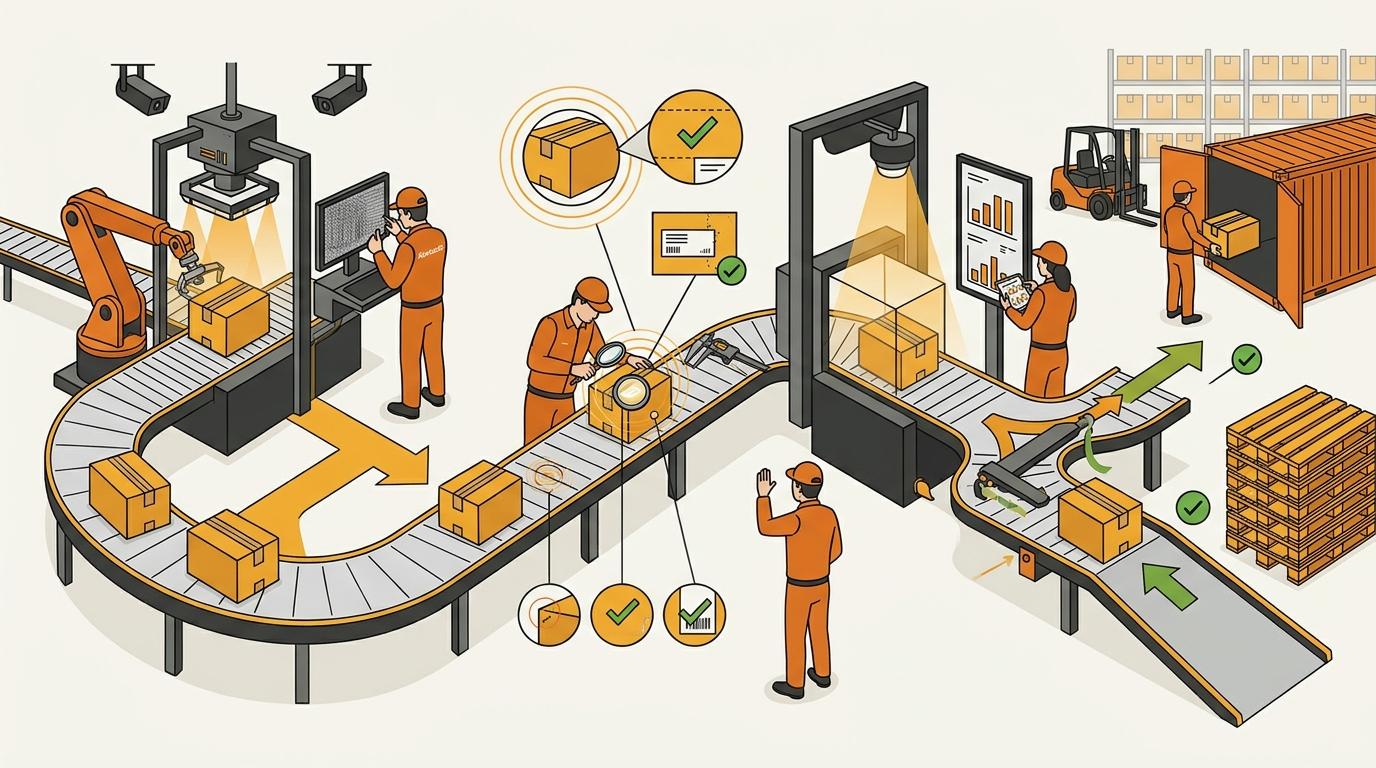
Seller Center runs the submitted SKU through three review stages before issuing an inbound decision.
The update does not name a different task for each stage. The key difference is the sequence: the first automated reading starts the review, and the inbound decision comes after all three stages. The seller does not receive the final decision after only the first reading.
This sequence is most useful when a new or unusual SKU raises a question. The seller can wait for the completed review before submitting the shipment, rather than relying only on the initial reading.
What the saved explanation changes for the brand
A review is more useful when the brand can find the result later. When the decision is made, Kontactic Seller Center saves it and provides an explanation in English, Chinese, and Japanese.
The saved explanation matters for a brand whose teams use different working languages. The head office can read English. A Chinese-speaking team can use Chinese. A Japanese-speaking team can use Japanese. Everyone can refer to the same saved result instead of relying on a message passed from one person to another.
The saved explanation lets the head office answer questions without asking the local team to repeat the review. The brand can read why the result was issued, not just see a status.
The language versions do not create separate product decisions. They give each team a readable explanation of the same review result. That helps when the people preparing stock, checking the Korean requirement, and approving shipment do not work in the same language.
Worked example: a new SKU with an unclear Korean requirement
Consider a brand planning a routine restock. Most products are already familiar to the team, but the brand adds one new SKU. The team cannot tell which Korean inbound requirement applies to the new SKU.
The seller submits the new SKU and the details needed for the inbound review. The item then goes through the first stage, the second review pass, and the third stage before the inbound decision is issued.
When the decision is made, Seller Center saves it. The brand can read the decision before submitting the shipment to the warehouse for Coupang inbound. The explanation is available in English, with Chinese and Japanese versions for teams that use those languages.
The head office can read the saved English explanation instead of asking the local team to recreate the review. It can discuss the same result with the local team.
The brand receives the completed three-stage decision instead of only the first automated reading.

Common questions about the three-stage inbound review
What does the seller submit?
The seller submits the SKU and the details needed for the inbound review. The review covers that product in the shipment.
Does the three-stage review mean Coupang has already accepted the shipment?
No. The review happens before the seller submits the shipment for Coupang inbound. The saved decision is a pre-submission result, not confirmation that Coupang has already received the stock at its warehouse.
Is the feature only useful for a new SKU?
No. A routine restock and a new or unusual SKU can present different review questions. The extra review passes are especially useful when the team cannot tell which requirement applies to a new item.
Does the three-stage review guarantee a favorable decision?
No. It gives the item more than one review pass and saves the result. It does not promise a specific decision.
Need to check an unclear Coupang inbound case?
If you have a new or unusual SKU to review before shipment, contact Kontactic to discuss the product details and the next review step.
About the author
Korean and global e-commerce operators with 15+ years of cross-border experience, led by CEO Isaac Lee — KOTRA-certified consultant and official lecturer for Seoul City and the Korea Customs Service. We run Korea market entry for overseas brands every day; this blog records what we learn in the field.
Meet the Kontactic team →Related Articles

Korean Dividend Withholding Tax for Foreign Parents: 22%
Korean dividend withholding tax is usually 22% for a foreign parent. Learn how treaty relief, company approval, tax documents, and bank checks affect payment.

Korean Commercial Lease vs Virtual Office: Which Fits?
Korean commercial lease vs virtual office: choose the address that matches your company’s real work, import role, Coupang plan, and banking needs in Korea.

How Long Do Korean Registry Extracts and Seal Certificates Take?
A Korean registry extract and corporate seal certificate can often be issued the same day. See what must be ready, who may need to appear, and what takes longer.