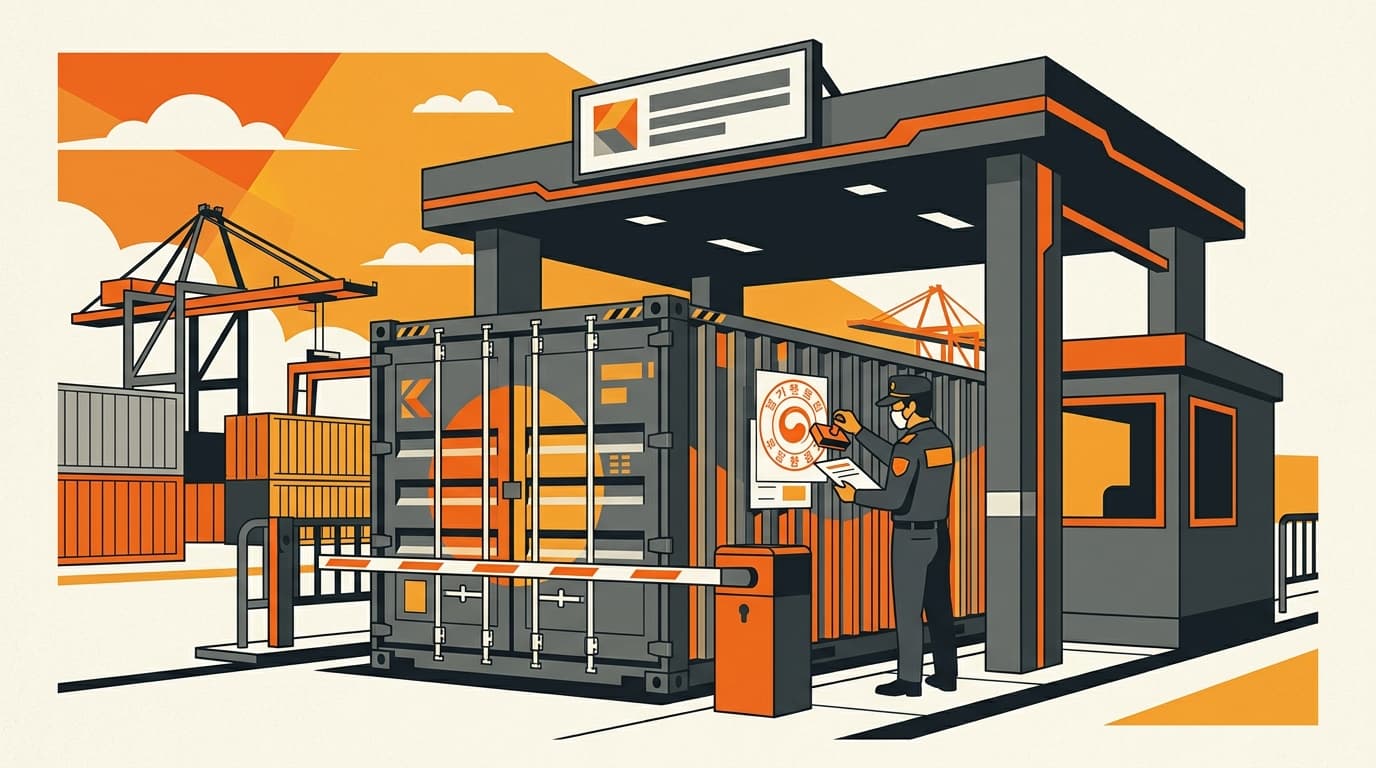
Who Can Legally Import Your Products Into Korea?
The party that legally imports your products into Korea must be a Korea-resident entity holding local import authority — never your foreign company sitting overseas. Korean customs (관세청) will not release cargo addressed to a party with no in-country import authority, which means your entire launch is gated by a single legal role most brands treat as a shipping footnote: the Importer of Record (IoR).
This is a "who is on the hook to import" question, and it is separate from the question of who fronts the money. If you want the cost side, we cover who pays Korea import duties on your first shipment elsewhere. This piece is about authority: who is legally permitted to bring the goods across the border at all, and how Kontactic sets up and runs that role for you inside Seller Center.
What an Importer of Record actually is in Korea
An Importer of Record in Korea is the resident entity that files the import declaration, is named on the customs record, and is legally accountable to the Korea Customs Service for the goods entering the country. It is not the freight forwarder. It is not Coupang. And it cannot be a foreign brand with no Korean presence.
Importer of Record (IoR): the Korea-resident entity that files customs documentation, is registered as the importer on the declaration, and answers to the Korea Customs Service for duties, taxes, and post-clearance obligations on the goods.
The practical consequence catches brands off guard. You can have proven Korean demand, a warehouse slot booked, and a freight quote in hand — and still not be able to move a single unit, because there is no resident party authorized to declare the import. Goods addressed to a foreign name with no local authority don't get a slow clearance; they get held. This is why we treat IoR as a prerequisite, not a task you slot in after picking a warehouse. If you sell on Coupang locally, the same logic applies — the Importer of Record must be a Korea-resident party, not the platform.
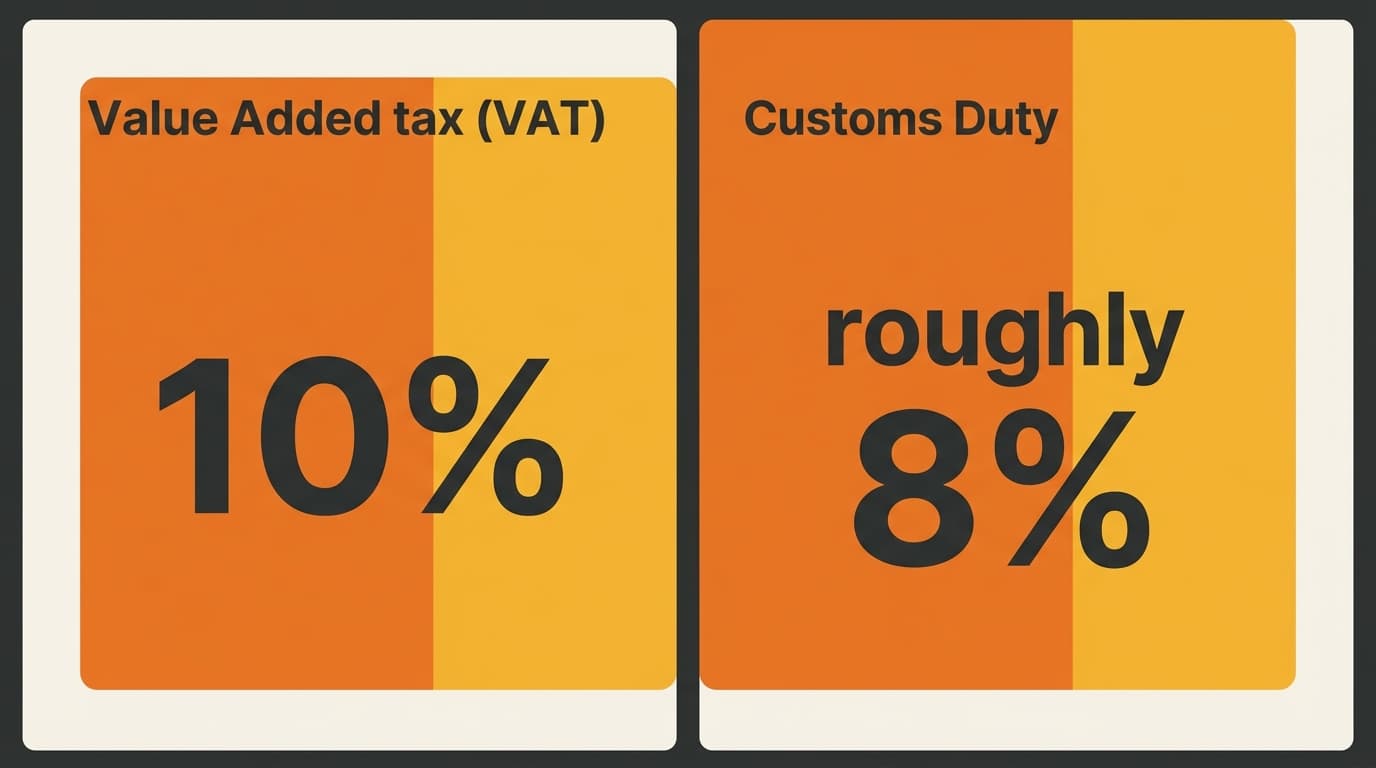
There is a real cost dimension attached to that authority, because the IoR is the party against whom import charges are assessed at clearance. In practice that means two mandatory charges land on your goods before anything moves inland.
South Korea applies a flat 10% VAT and roughly 8% customs duty on most imports, though the duty rate varies by product classification. The IoR is the entity these are billed to at the border — which is exactly why the role can't be improvised at the last minute.
How Kontactic becomes your Importer of Record
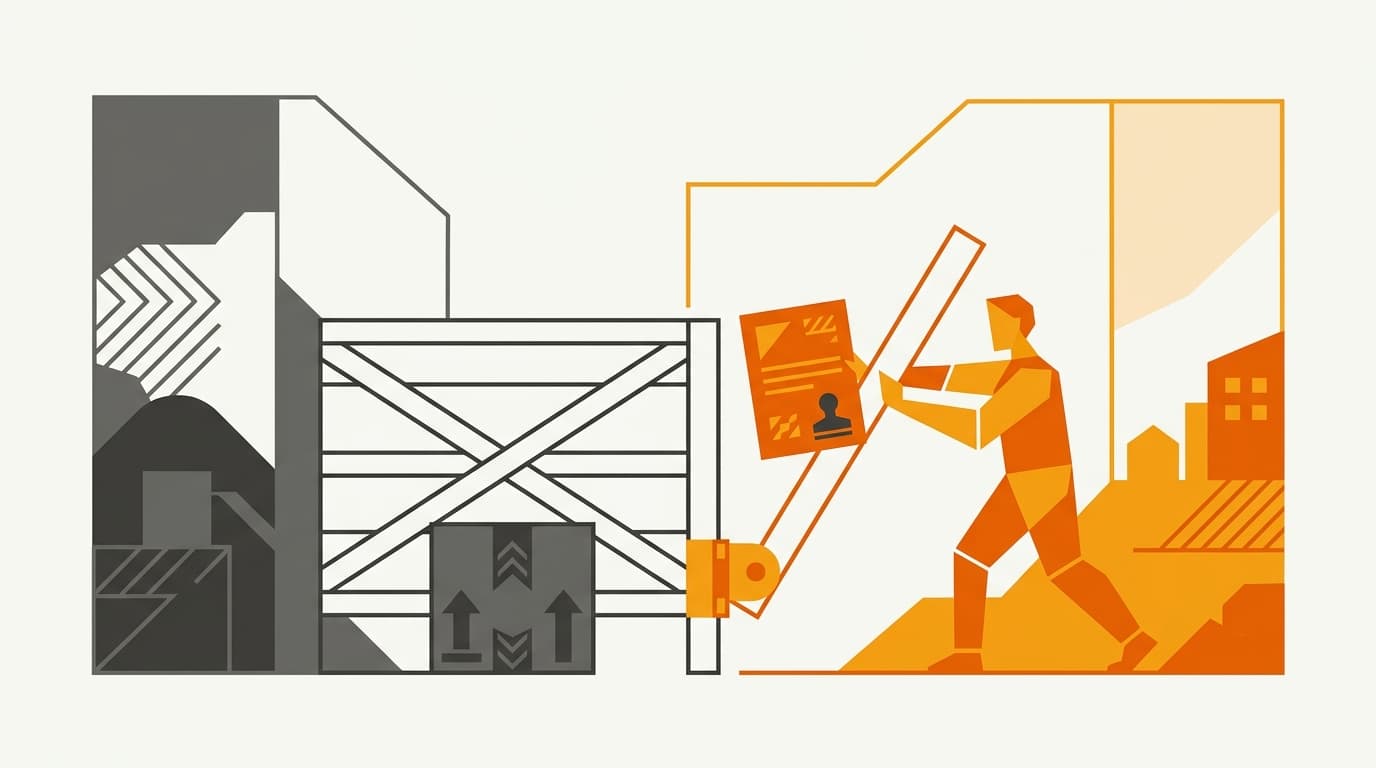
We run the IoR function as a document-first process, not an email thread. Seller Center opens an intake that lists exactly which attachments Korean import authority requires, gathers them in one place, and — this is the part that prevents the classic failure mode — locks the inputs so nothing proceeds to clearance in an incomplete state. An import that half-clears is worse than one that never started; the lock exists to make "half-ready" impossible.
Inside that intake, three things happen that remove the usual back-and-forth:
- OCR-assisted pre-fill. Your settlement bank account details and license attachments are read directly from the documents you upload and pre-filled into the record, then verified. You correct the odd misread field rather than retyping everything from scratch.
- Auto-generated power of attorney. The power of attorney that authorizes Kontactic to act as your import agent is generated from the intake data rather than drafted by hand, so the authorization matches the record exactly.
- A single admin cockpit. Intake, review, first-inbound date tracking, and clear status at every step live in one place, so you always know whether a shipment is blocked, in review, or cleared to move.
The intent of this design is narrow and deliberate: no shipment should ever be surprised at the border. Either the authority is complete and the goods clear, or the record is visibly incomplete and you know before you ship.
“An import that half-clears is worse than one that never started. The lock exists to make half-ready impossible.”
Kontactic Operations — Seller Center team
Customs classification is matched, not guessed
The other place foreign brands get stung is customs classification. Every product entering Korea is declared under a classification that determines its import treatment — the duty rate and the applicable requirements. Guess it, and you either overpay, or you file a declaration that gets challenged and stalls at clearance.
We don't guess. Seller Center matches your products against prior precedent, applying high-confidence auto-matching so the correct treatment is used consistently across your catalog rather than being re-litigated SKU by SKU. Where a product is clean and matches established precedent, the classification is applied automatically. Where it is genuinely ambiguous — a new material, a borderline function — it surfaces for review rather than being forced into a confident-but-wrong bucket.
This consistency matters more than a single correct call. A catalog where similar SKUs are classified three different ways is a catalog that invites questions at the border. Consistency is what keeps repeat inbounds boring, which is the goal. This work also connects to the broader compliance screen — how we map each SKU to the right Korean regulation and screen every SKU for Korea certification before it ships — because classification and certification obligations often travel together.

Keeping import authority live so it never lapses silently
Import authority is not a one-time switch. It is a standing capability that has to stay active, and the failure we design against is the silent lapse — the moment a brand assumes it can import and discovers, mid-shipment, that its authority went dark.
Seller Center runs the IoR on a prepaid model with plain-language billing. You can see what keeps your import authority active and when, in language that doesn't require a Korean accountant to parse. Reminders go out multilingually ahead of time, and there are safeguards so the ability to import doesn't quietly expire between shipments. The point isn't the billing mechanics; the point is that your first big inbound of the year should never be the moment you learn your authority lapsed.
If you want the fuller picture of how operating costs and funding flow across the tiers, we lay it out in who pays for what in Korea.
Two ways to hold the authority
The IoR role can sit in one of two places, and that choice is really a choice about how much you want to own on day one.
- Sell under Kontactic's entity (Spark). Our Korean entity serves as the Importer of Record and Seller of Record, so you sell locally in Korea without setting up a Korean company. This is the fastest, lowest-barrier path — the authority already exists, and you launch under it.
- Own your Korean entity, Kontactic operates it (Flame / Blaze). A Korean limited company (유한회사) is established under your ownership, and Kontactic runs the IoR function on it. You hold the entity and all assets; we operate the import authority end to end.
In both models you keep ownership of your inventory and brand assets — Kontactic acts as your operating agent, not a distributor or equity holder. The difference is only where the authority lives. Brands that want to prove the local model quickly tend to start with Spark; brands that already know they're committing to Korea long-term often go straight to owning the entity. If you're weighing the two, our decision framework for Rocket Growth vs. cross-border selling covers the surrounding tradeoffs.
Common questions about the IoR role
Can my foreign company be the Importer of Record in Korea? No. The IoR must be a Korea-resident entity with local import authority. Your overseas company cannot file the import declaration or be named as the importer on Korean customs records.
Is the freight forwarder or Coupang my Importer of Record? Neither. A forwarder moves the goods and Coupang is the marketplace; neither takes on the resident import authority or the customs accountability. That role has to be held by a licensed resident party — your own Korean entity or a partner acting as your IoR.
How is customs classification decided? Products are matched against prior precedent so the correct import treatment is applied consistently. Clean matches are applied automatically; ambiguous cases are surfaced for review rather than forced into a guess.
What happens if my import authority lapses? Under a silent lapse, a shipment can be blocked at the border. Kontactic runs the IoR on a prepaid model with multilingual reminders and safeguards specifically so the authority doesn't expire unnoticed between shipments.
Get your Korea import authority set up before you ship
Tell us what you're bringing into Korea and how fast you want to launch. We'll set up the Importer of Record role — under our entity or yours — so your first shipment clears instead of stalling.
About the author
Korean and global e-commerce operators with 15+ years of cross-border experience, led by CEO Isaac Lee — KOTRA-certified consultant and official lecturer for Seoul City and the Korea Customs Service. We run Korea market entry for Western brands every day; this blog documents what we learn in the field.
More about Kontactic →Related Articles
Coupang Settlement Periods: How Kontactic Reconciles
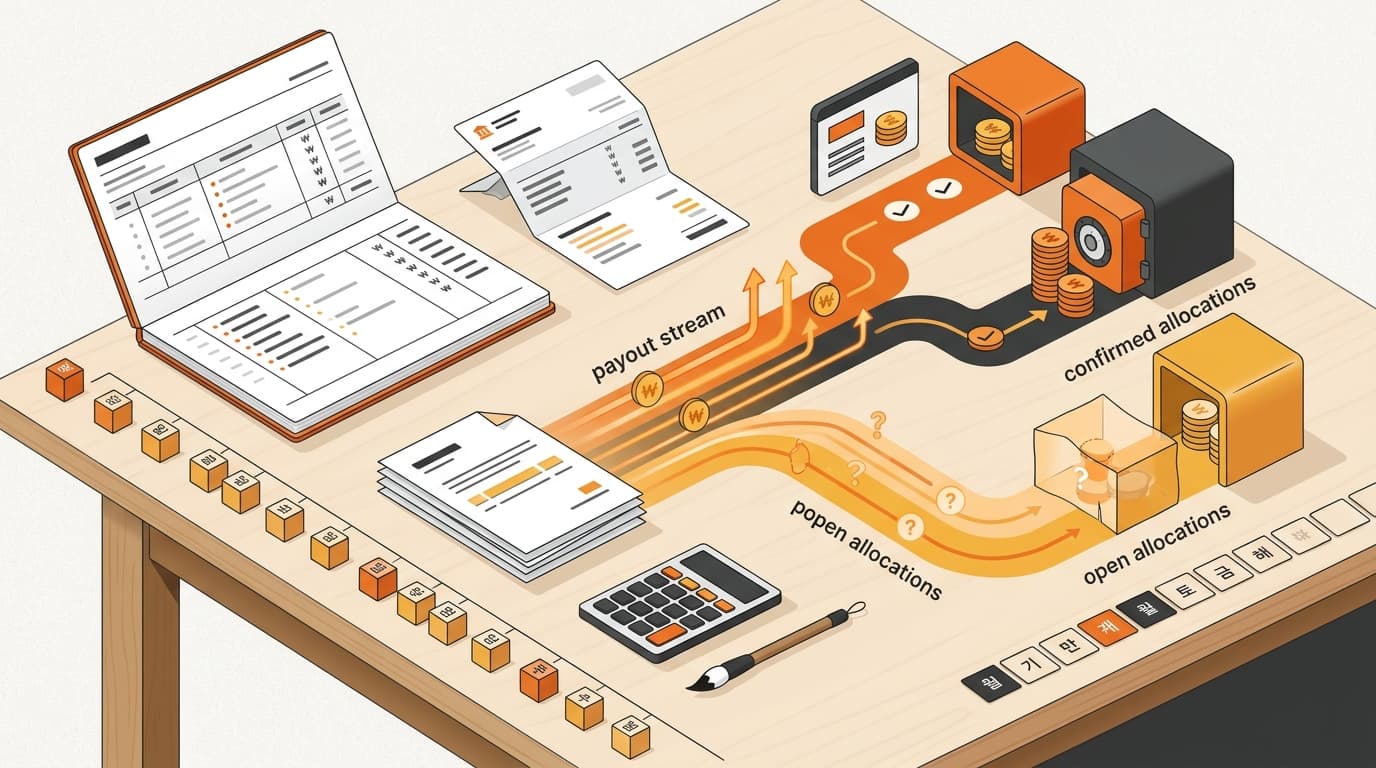
Kontactic closes Coupang settlement periods by confirming allocations, checking bank evidence, and keeping FX differences and late corrections visible.
Korean Entity Administration: What Happens After Setup?
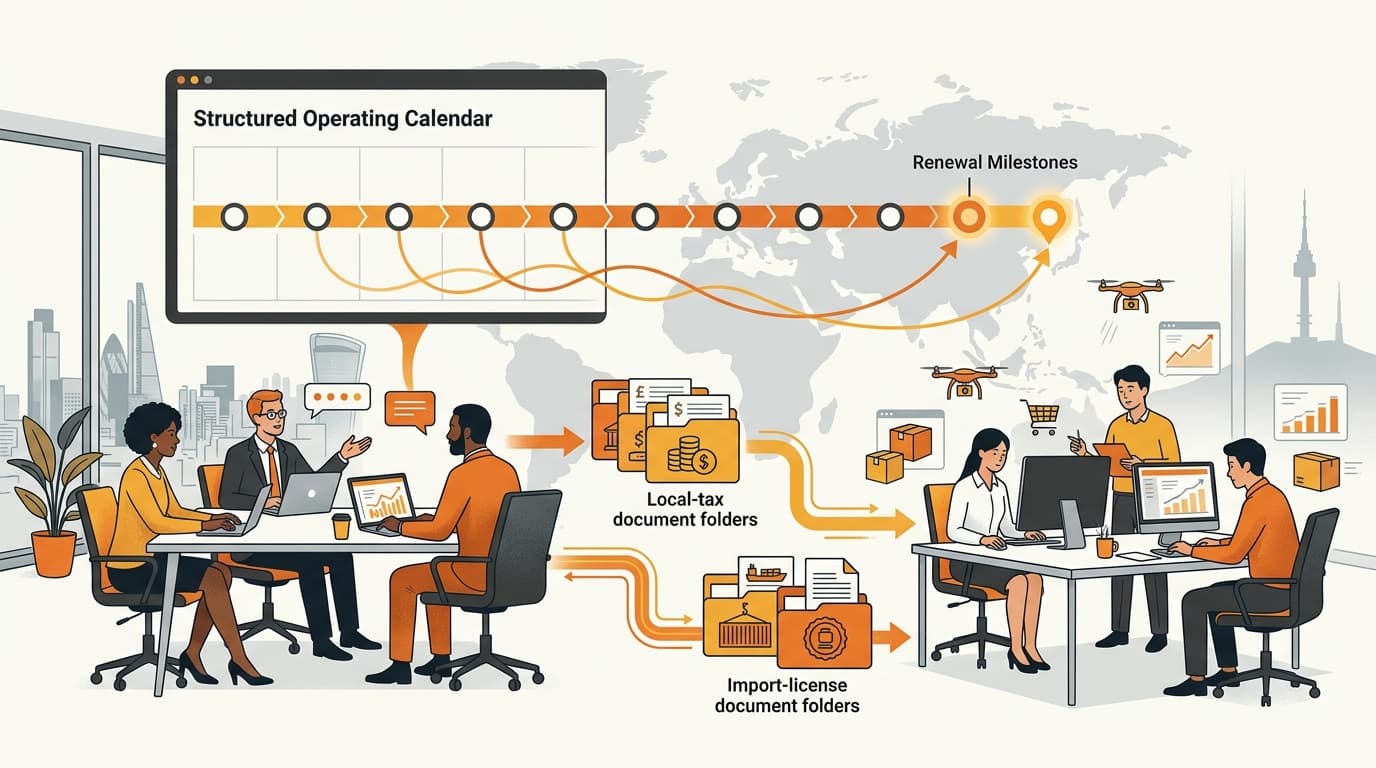
Incorporation is the start for a Korean entity. See how Kontactic Seller Center stages renewal reminders and routes local-tax and import-license document work.
Korea Launch Roadmap: Kontactic’s Brand-Specific Plan
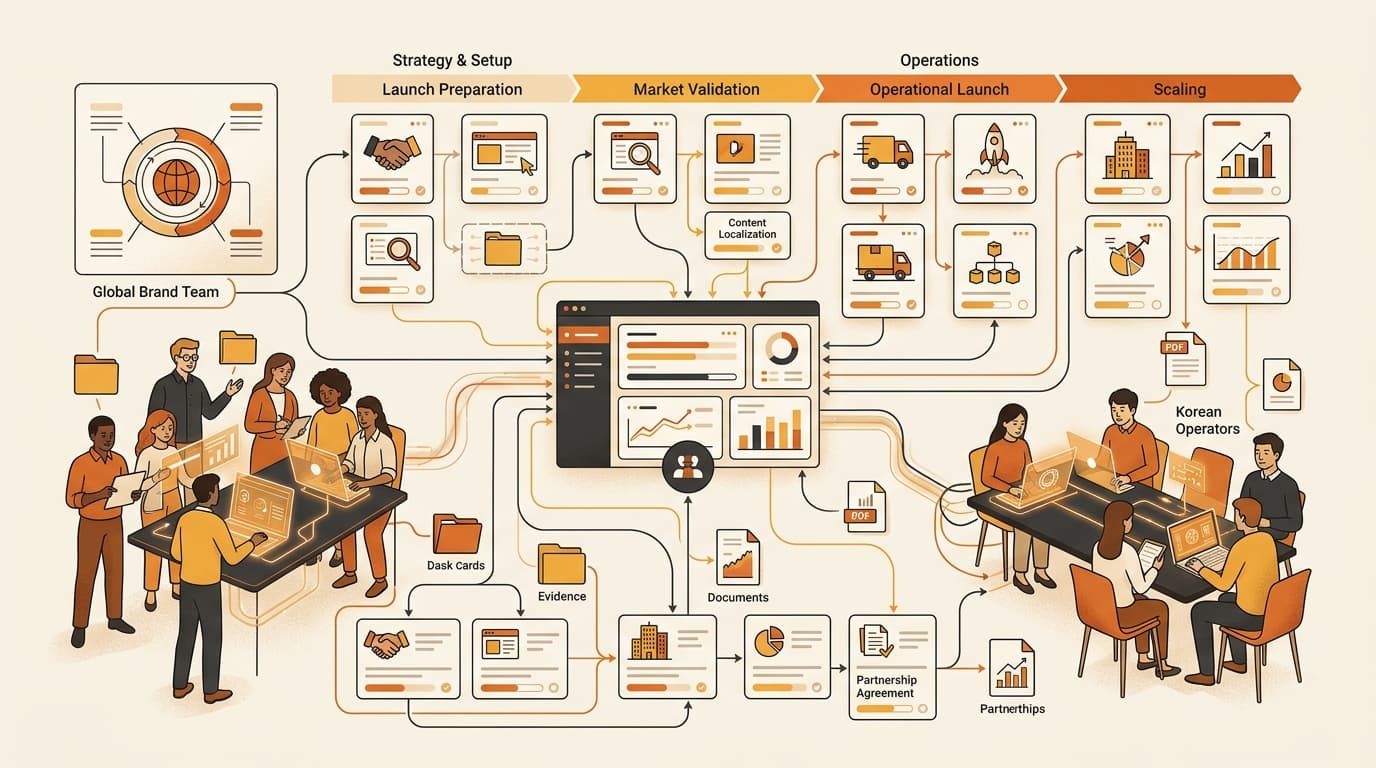
A Korea launch roadmap should reflect the brand, while Kontactic Seller Center turns scope, evidence, dependencies, and progress into one shared plan.