How We Screen Every SKU for Korea Certification Before It Ships
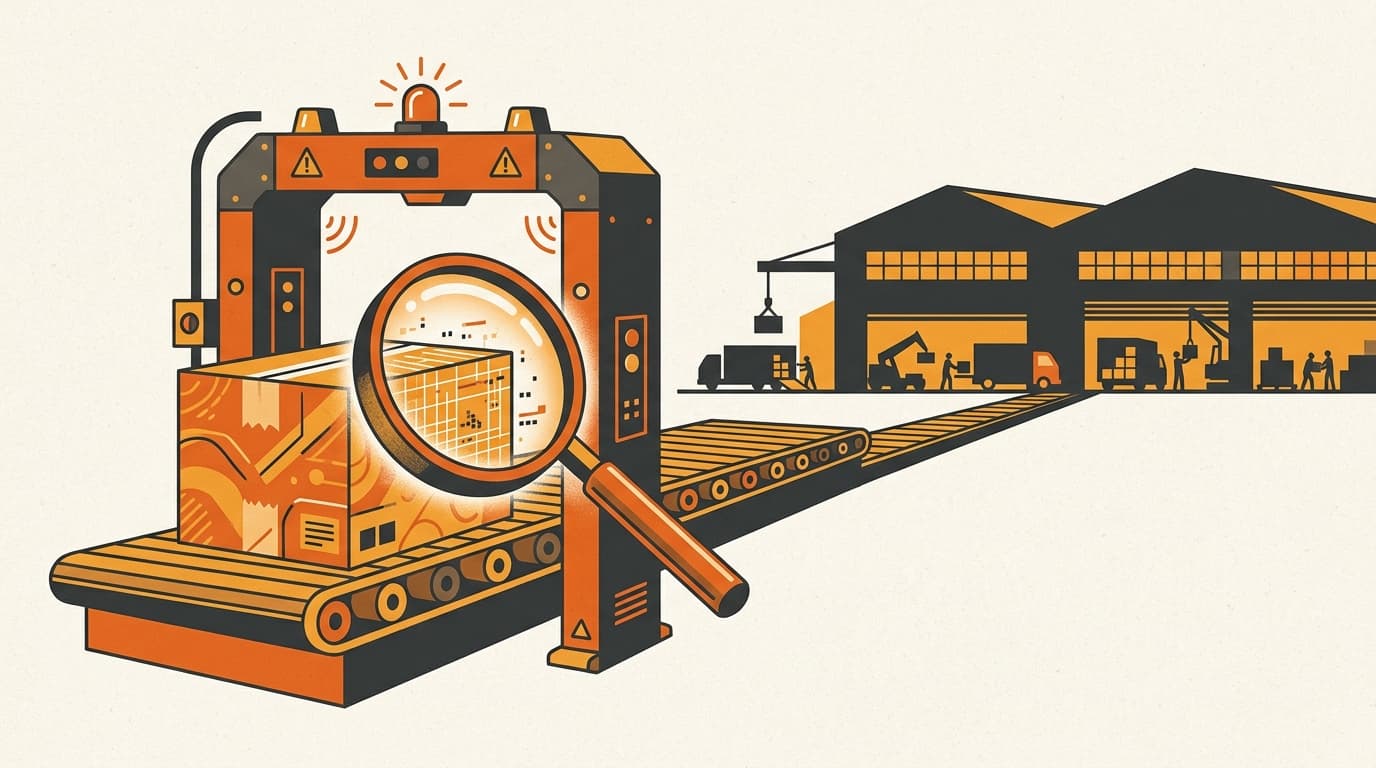
Every SKU you send to Korea gets screened against Korean certification and customs rules before it ships — not after it's sitting at the border. Inside Kontactic Seller Center, each product is checked for whether it needs KC certification, import-food registration, or radio/EMC conformity, and warehouse intake is only approved once it clears. This is a working note on how that gate is built and why we run it up front.
The reason is simple. For a Western brand with proven Korean demand, selling is rarely the hard part. Getting the product across the border legally is. A single mis-classified item can mean seized cargo, a blocked listing, or a fine — and every one of those failures happens after you've paid for freight. Screening before inbound moves that discovery to the cheapest possible moment.
We screen the full listing, not just the SKU code
A bare SKU code tells you almost nothing about whether a product needs certification. Two items with near-identical codes can sit on opposite sides of a regulatory line — one a plain accessory, the other a radio-emitting device that triggers conformity requirements.
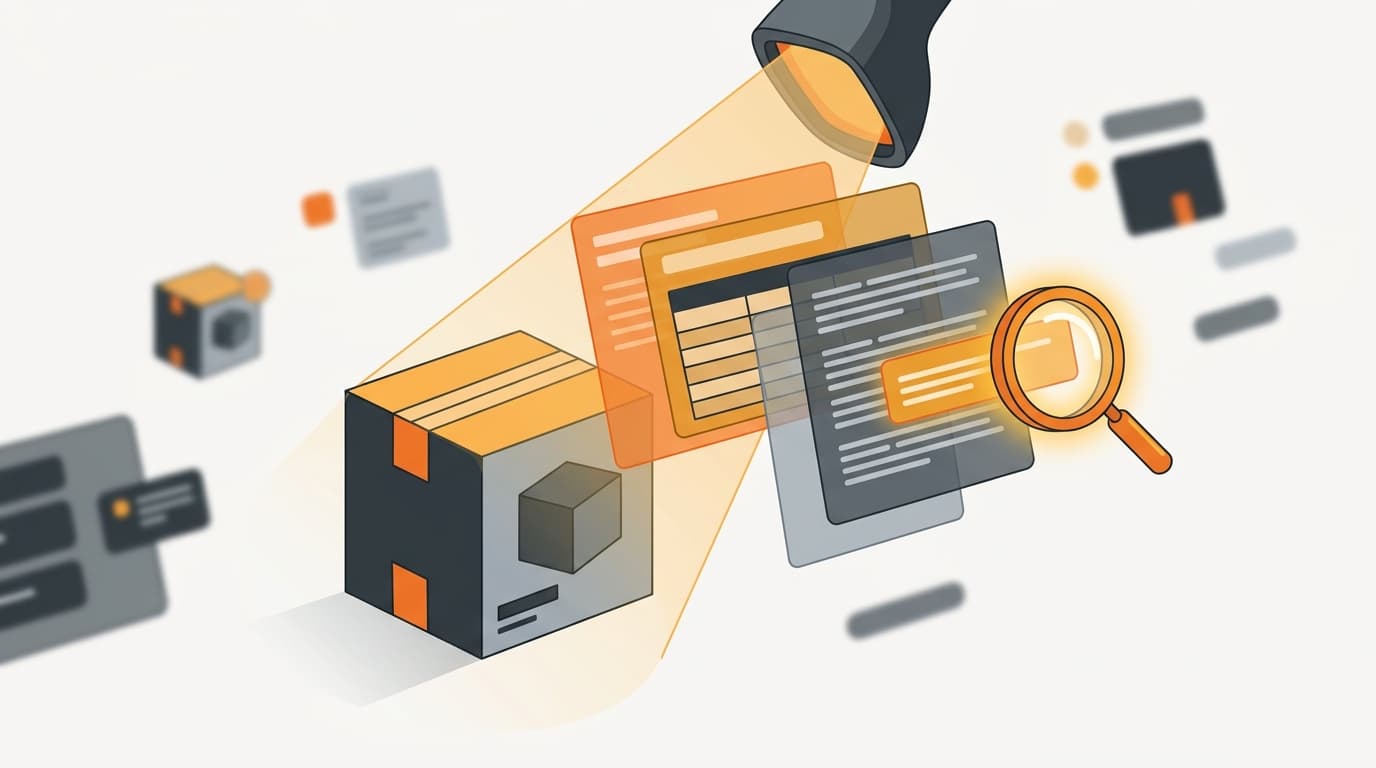
So we don't screen the code. We screen what the product actually is, using three inputs the brand already provides for the listing:
- The listing title — the localized product name as it appears to Korean shoppers.
- The product-info disclosure — the structured spec fields Korean listings require (materials, dimensions, power, intended use).
- The detail description — the full descriptive copy on the product page.
Reading all three together is what catches the items that would otherwise slip past. A product declared as one thing in its title but described as a wireless device in its detail copy is exactly the kind of mis-declared or "disguised" SKU that gets cargo held at customs. Screening the whole listing surfaces that mismatch before it reaches a forwarder.
Pre-inbound screening is the check that decides, per SKU, whether a product can legally enter Korea and be sold — run against the product's real listing content before any inventory ships, so certification gaps are caught at the drawing board rather than at the dock.
The three regimes we're screening against are the ones that actually stop cargo. KC certification (KC 인증) covers electrical safety and product-category safety. Import-food registration covers food, food-contact items, and hygiene products, which Korea treats as licensed import categories. Radio and EMC conformity covers anything that transmits or is affected by electromagnetic interference. A product can sit in more than one at once — a wireless kitchen device can need both a KC safety track and a separate EMC track, and screening flags each independently.
Flagged items come with plain-language reasons, in your language
Finding that a product needs certification is only half the job. If the finding arrives as a Korean regulatory citation your team can't parse, you're back to hiring a compliance translator to tell you what to do next.
So every item we flag as "certification required" comes with a plain-language note that explains two things: why the requirement applies, and what action to take. And those notes are written to be read by a non-Korean team — multi-language, not a raw statute reference.
That distinction matters more than it sounds. "This SKU requires KC certification" is a dead end for a founder in Berlin or Austin. "This item is a mains-powered heating appliance, which falls under mandatory electrical-safety certification; you'll need to test against the Korean standard before it can inbound" is something a brand can actually act on — approve, schedule testing, or decide the SKU isn't worth the cost. The goal is to make the obligation legible without a specialist in the room. If you want the underlying economics behind that decision, we've written separately on KC certification cost and timeline and on what registration actually involves for food and hygiene products.
The decisions are grounded in current Korean rules
A screen is only as good as what it knows. Ours is backed by a knowledge base built from public Korean regulatory sources, and it grows as those sources change.
The material behind the engine includes import-food FAQs, radio-research conformity guidance, and customs and legal-interpretation Q&A — the same categories of published guidance a Korean licensed importer works from. Grounding decisions in current, citable rules is what keeps a flag from being a guess. It's also why the screen can explain itself: the reasoning traces back to a real source, not a hunch.
“The failures that hurt a foreign brand aren't the products you know need certification. They're the ones you were sure didn't — and found out at the border.”
Kontactic Operations — Kontactic Journal
This is deliberately not a static ruleset. Korean import categories shift, thresholds move, and guidance gets reissued. When something we should have caught surfaces after the fact, the correction feeds back into the knowledge base so the next brand shipping a similar SKU gets a sharper answer.
First-import cargo is tracked end to end
The first time a given product enters Korea is where the most goes wrong — new BL documents, a new HS classification, duty paid for the first time. So we track first-import cargo end to end rather than trusting manual entry.
Here's what happens once a screened product is cleared to ship:
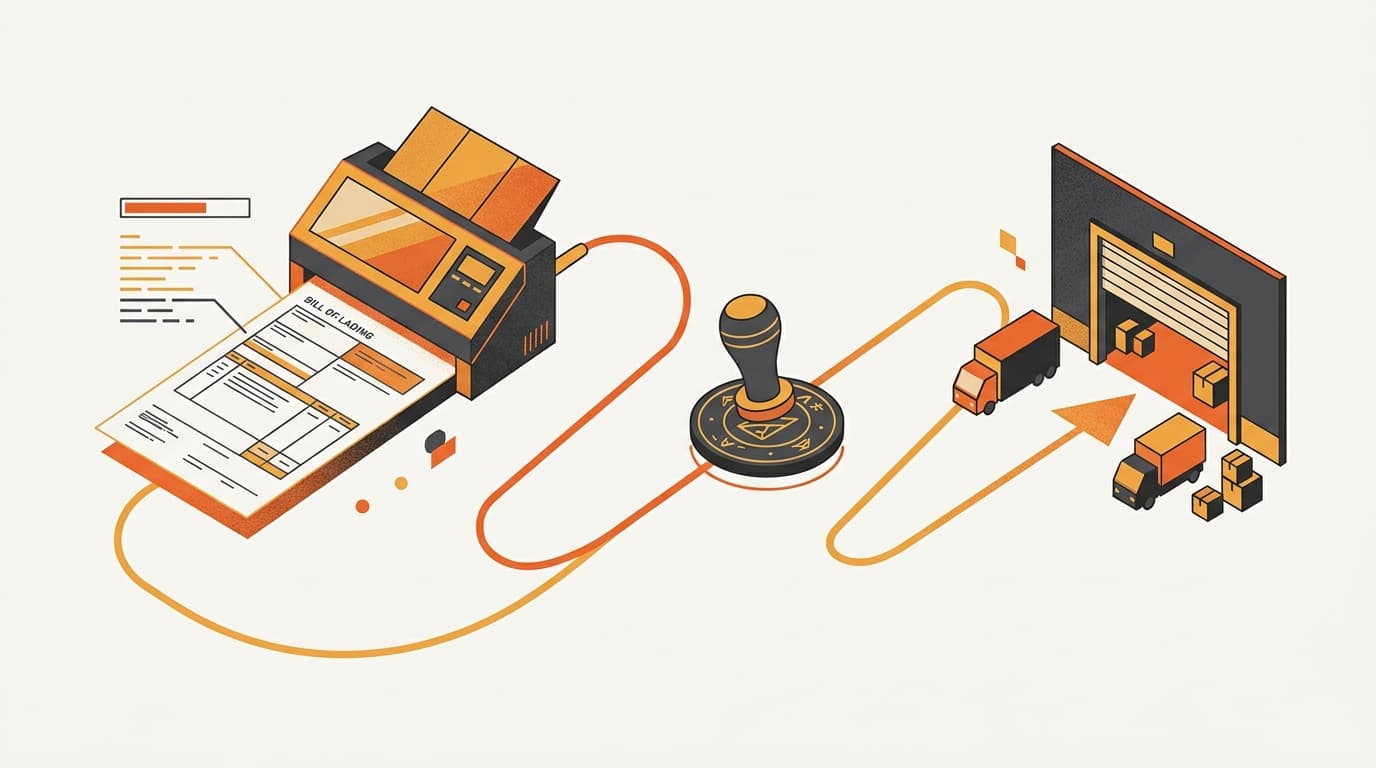
- BL documents are OCR-captured. The bill of lading is read optically instead of keyed in by hand, which removes the transcription errors that otherwise cascade into mis-matched cargo.
- Cargo is auto-matched to the right seller. The shipment is tied to the correct brand automatically, so nothing arrives at the warehouse as an orphan with no owner.
- Customs status is pulled and surfaced. Clearance date, duty payment, and forwarder are captured and shown in the portal — so the brand sees where cargo actually is, not where it was assumed to be.
The point of this isn't dashboard polish. It's that customs problems are cheapest to fix while the cargo is still moving. When clearance status is surfaced automatically, a stuck shipment is visible in hours, not discovered when a warehouse asks where the inventory went.
Inbound authorization is an explicit, revocable gate
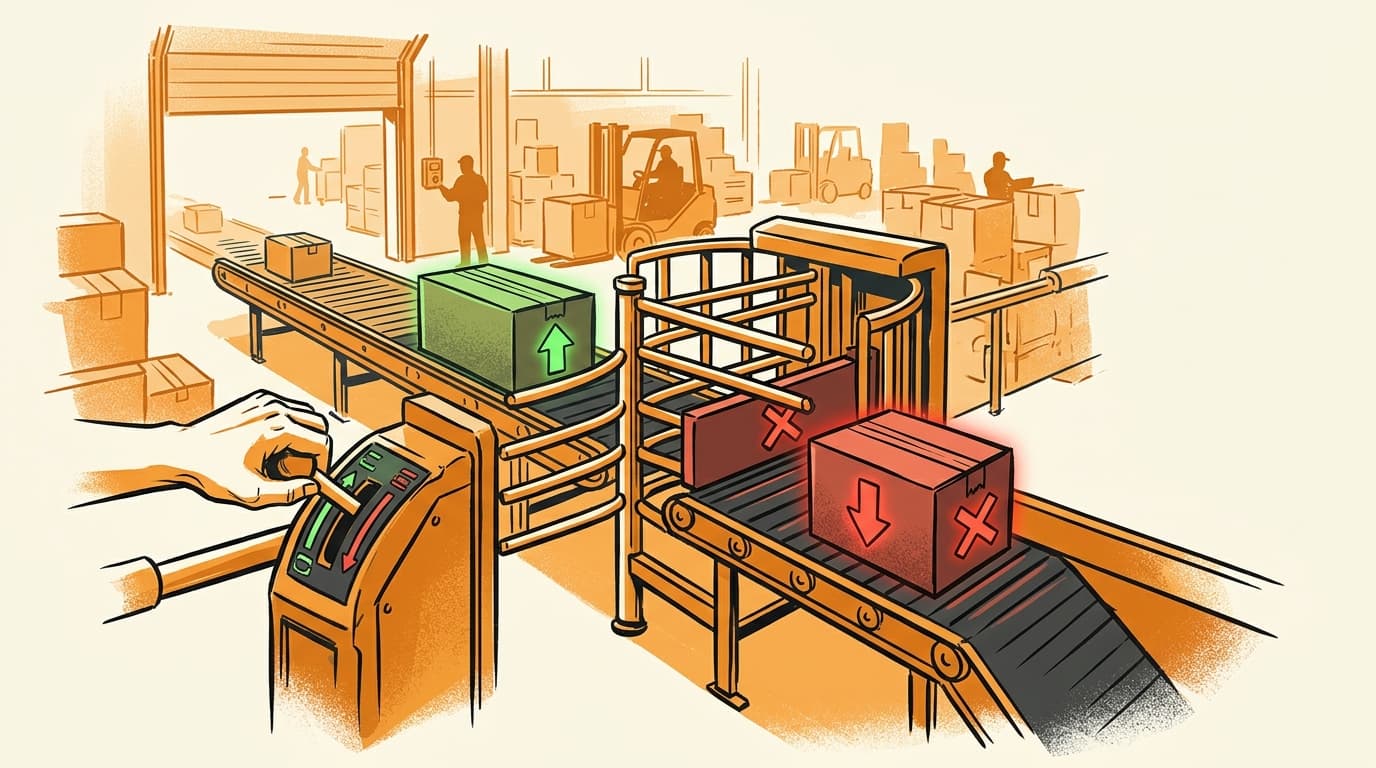
Warehouse intake is not automatic. It's an explicit gate: a product is only approved for inbound once it has cleared screening. Nothing reaches the 3PL or Rocket Growth on the assumption that it's probably fine.
That approval isn't permanent, either. If a risky item surfaces after it was cleared — a rule changes, a detail description gets updated, a re-review turns up something the first pass missed — we can revoke inbound rights and alert the brand directly. The gate closes both directions.
Clearing screening is not the same as being certified. Under our service agreements, final product compliance — claims, certifications, and labeling — remains the brand's responsibility. Screening tells you what a product needs and stops non-compliant cargo before it ships; it does not transfer legal liability for the product itself.
This is the part that separates a screening tool from a screening gate. A tool tells you what it found and lets you proceed anyway. A gate holds the cargo until the requirement is met — and can hold it again if the picture changes.
Brands act on the findings themselves
Screening findings don't sit in a queue waiting for an email thread. Brands act on them directly in the portal.
When an item is flagged, the brand has two clear moves: request a re-review — useful when the listing content has changed or the classification looks off — or drop the problematic item from the inbound plan entirely. Both are self-service. Neither requires a back-and-forth to unblock the rest of a shipment.
And the loop closes on our side too. Admin corrections — cases where a human reviewer overrides or refines a screening result — feed back into the engine, so the accuracy of the next screen improves. The system gets better at your category specifically as more of your SKUs pass through it.
Common questions
Does screening replace KC certification? No. Screening tells you whether a product needs KC certification (or import-food registration, or radio/EMC conformity) and what to do about it. The certification itself still has to be obtained, and final compliance responsibility stays with the brand.
What does the screen actually read? The product's real listing content — title, product-info disclosure, and detail description — not just the SKU code. That's how it catches items that are declared as one thing but described as another.
What happens if a product fails screening? It isn't authorized for inbound. The brand can request a re-review or drop the item. Cargo isn't cleared to ship until the SKU passes.
Can an item be blocked after it's already approved? Yes. If a risk surfaces after approval, inbound rights can be revoked and the brand is alerted before more cargo moves.
Which product categories trigger a flag most often? Electrical and electronic goods (KC and EMC), wireless devices (radio conformity), and anything food, food-contact, or hygiene-related (import-food registration) are the categories that most often require certification before they can enter Korea.
Selling into Korea and unsure what needs certifying?
Talk to Kontactic about screening your catalog against Korean certification and customs rules before you ship a single unit.
About the author
Korean and global e-commerce operators with 15+ years of cross-border experience, led by CEO Isaac Lee — KOTRA-certified consultant and official lecturer for Seoul City and the Korea Customs Service. We run Korea market entry for Western brands every day; this blog documents what we learn in the field.
More about Kontactic →Related Articles
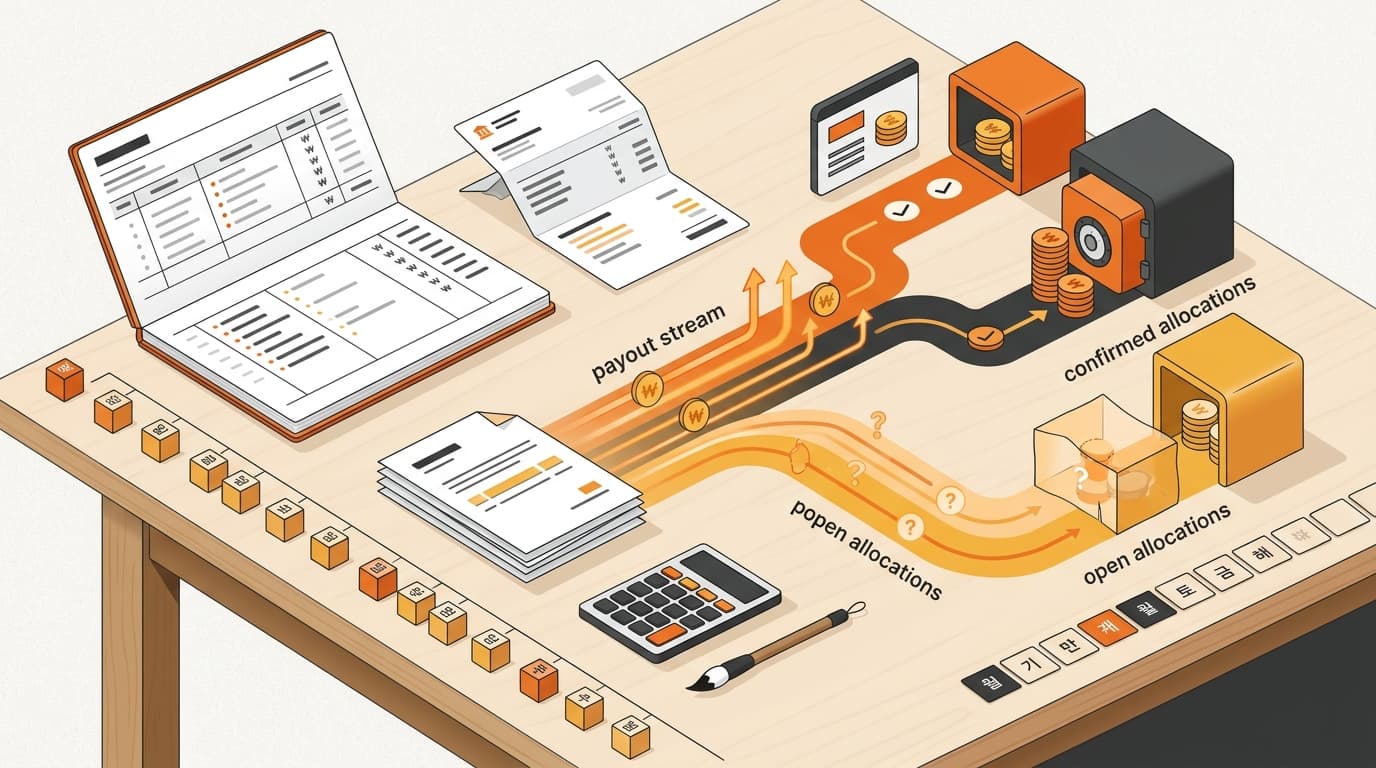
Coupang Settlement Periods: How Kontactic Reconciles
Kontactic closes Coupang settlement periods by confirming allocations, checking bank evidence, and keeping FX differences and late corrections visible.
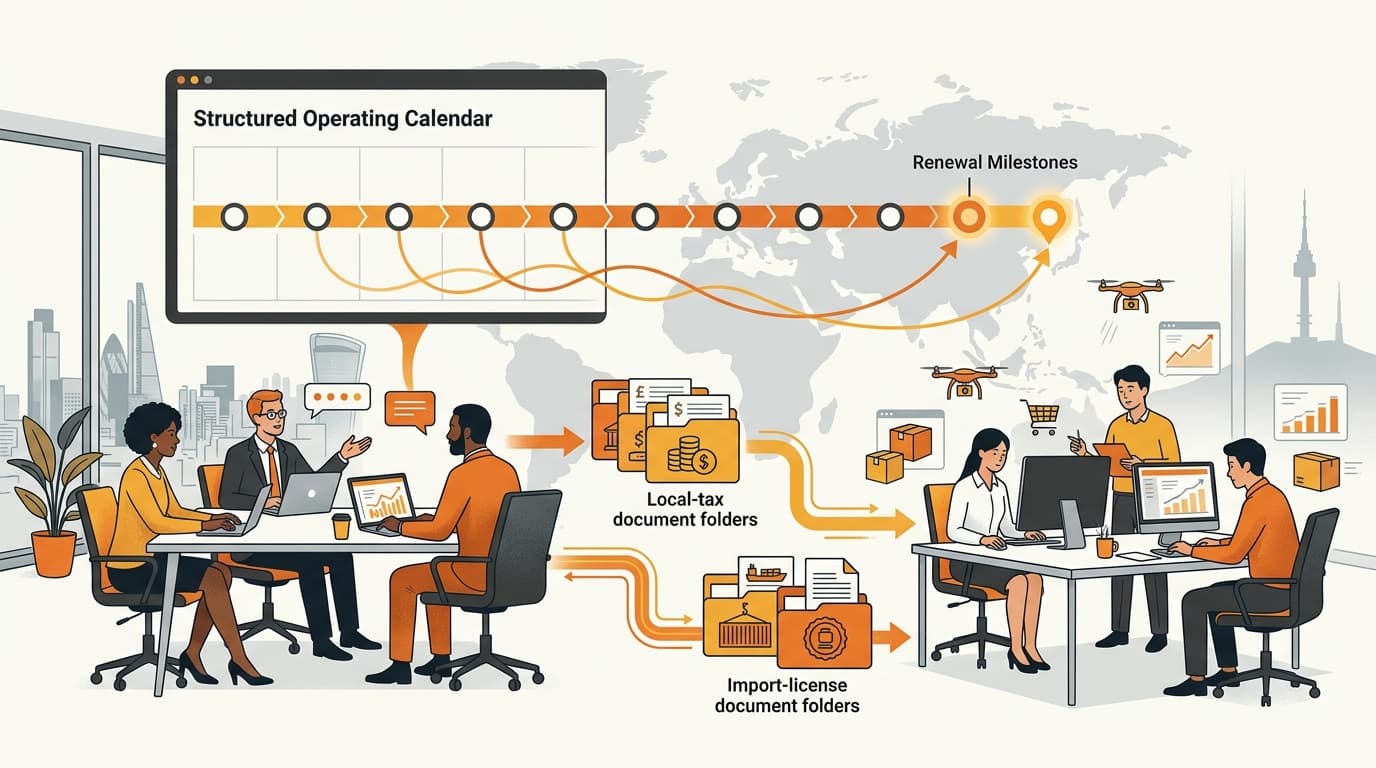
Korean Entity Administration: What Happens After Setup?
Incorporation is the start for a Korean entity. See how Kontactic Seller Center stages renewal reminders and routes local-tax and import-license document work.
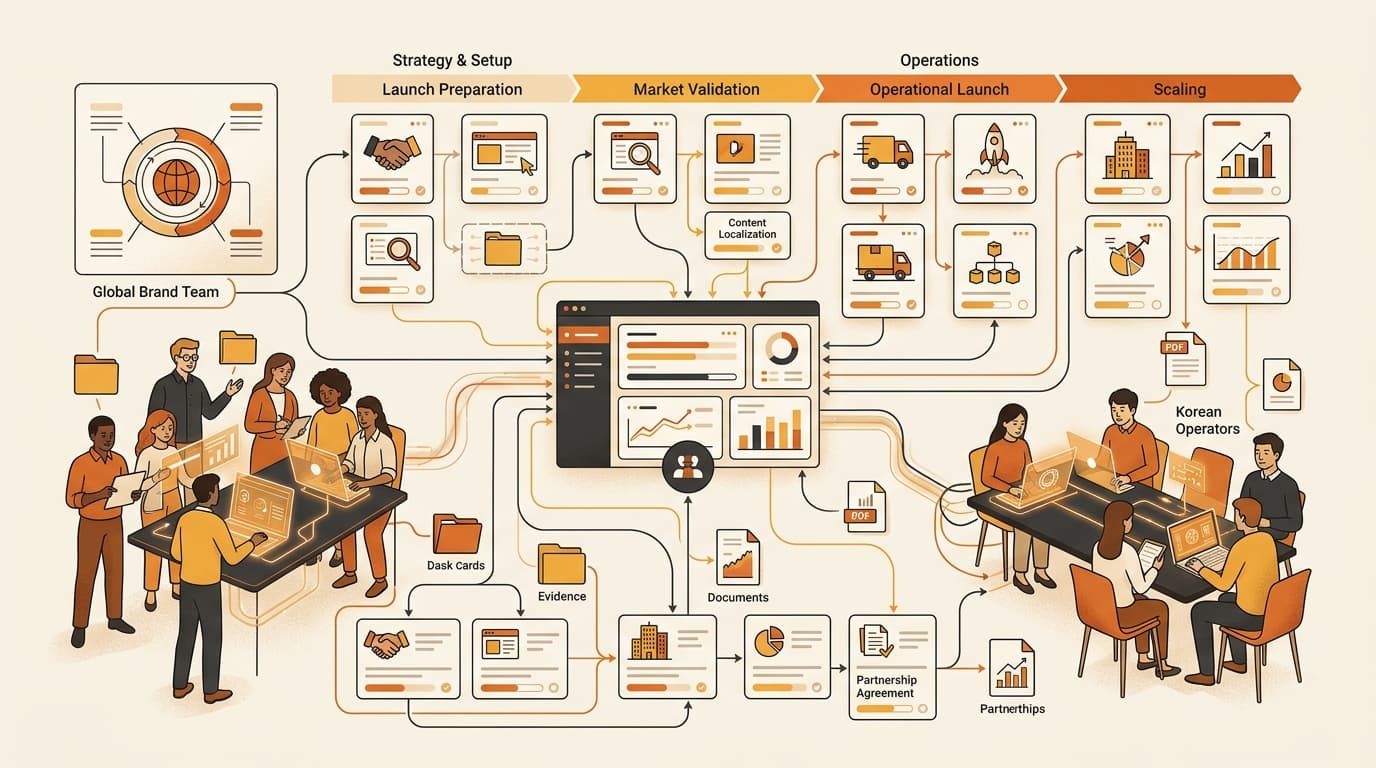
Korea Launch Roadmap: Kontactic’s Brand-Specific Plan
A Korea launch roadmap should reflect the brand, while Kontactic Seller Center turns scope, evidence, dependencies, and progress into one shared plan.