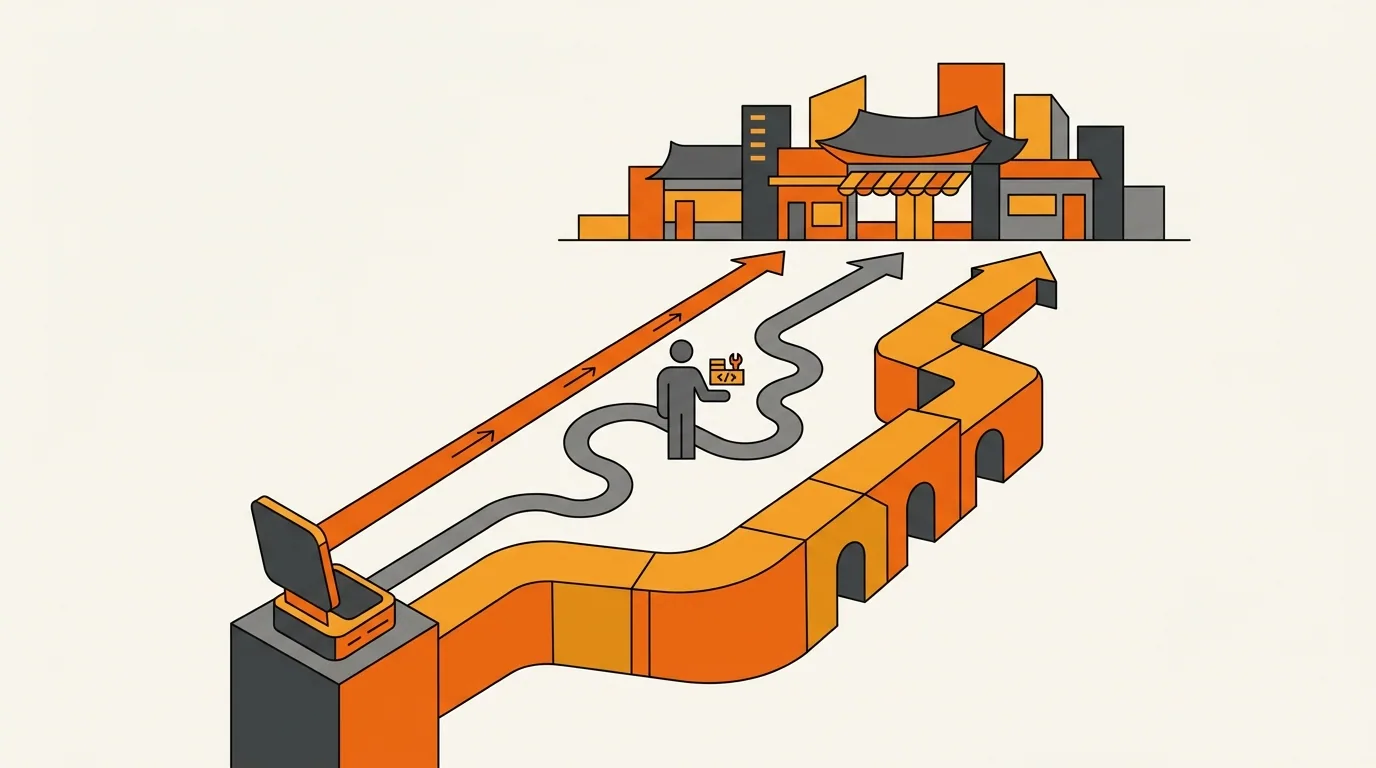
Korea Entry for US Electronics: IoR, Distributor, or Entity
The short answer: most US consumer electronics SMBs entering Korea pick between three structures — selling under a partner's Importer of Record (IoR) and Seller of Record (SoR), appointing a Korean distributor, or registering their own Korean limited company (유한회사). Which one fits depends less on tax theory and more on how you plan to handle customs, KC certification, Coupang onboarding, and Rocket Growth fulfillment.
Most guides on this topic stop at the entity comparison. That is the easy half. The harder half — and the one that actually decides whether your product sells — is the operational layer underneath: who clears your goods, whose name is on the Coupang seller account, who answers Korean-language customer service, and who eats the cost of returns. This article walks through all three structures with that layer in view.
What the structural choice really decides
For a US electronics brand, "best structure" is not a tax question first. It is a question of who carries four specific responsibilities in Korea:
- Importer of Record (IoR) — the legal entity that files customs declarations and pays import VAT and duties at the border.
- Seller of Record (SoR) — the entity listed as the seller on Coupang and other Korean marketplaces, which holds the business registration the platform requires.
- Operations — Korean-language listings, customer service, returns handling, Rocket Growth coordination.
- Margin and control — who keeps the customer relationship, the data, and the upside.
The three common structures distribute these responsibilities differently.
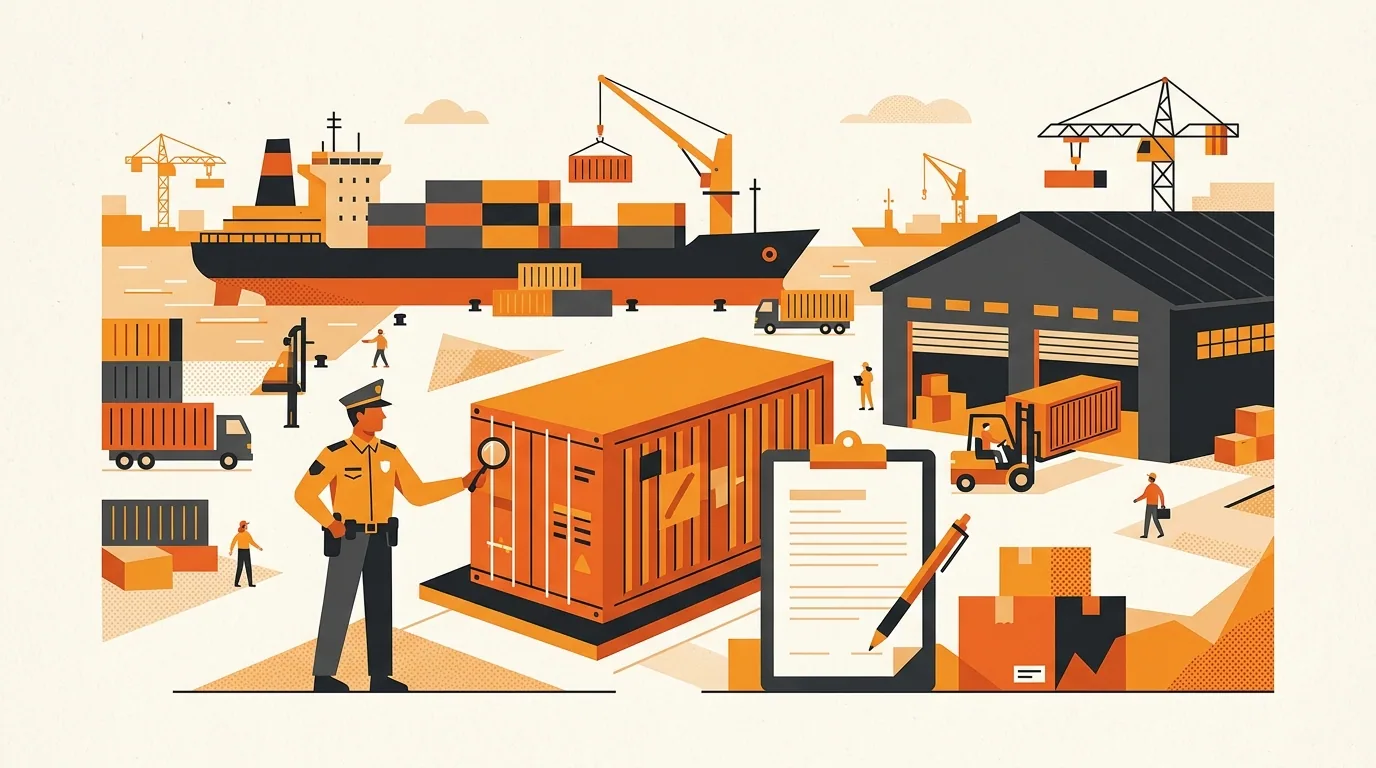
Option 1: IoR + SoR partner (no Korean entity)
Under this model, a Korean partner's entity acts as both Importer of Record and Seller of Record. You ship DDP (Delivered Duty Paid) to their warehouse, they handle customs, list on Coupang under their account, and remit net proceeds to you after platform fees, Rocket Growth costs, and their service fee.
Why electronics brands pick this: speed and KC certification leverage. You can be live on Coupang in weeks rather than months, and a partner who already handles electronics will know which KC certification regime applies to your product class — electrical safety (KC 안전), EMC, radio (KCC), or the simpler self-declaration path. We covered the EMC nuance specifically in KC certification for USB and battery-powered devices, where a foreign EMC report can sometimes be reused.
What you give up: direct ownership of the Coupang seller account, the customer data, and the option to easily move to a different operator without recertifying or re-listing. You also become economically exposed to a single partner — which is why agreement structure matters.
Who carries the IoR risk: the partner's entity. That entity is legally responsible to Korea Customs Service for accurate HS code declaration and duty payment. If a downstream issue surfaces — wrong tariff classification, missing certification mark — the partner is the first contact for the regulator, not you.
For SMBs without 1M+ USD in first-year Korean revenue, this is usually the most defensible starting structure. Higher-revenue brands typically justify the setup cost and ongoing compliance of their own entity. We've written more about how it pencils out in Korea IoR fees: what consumer electronics brands pay annually.
Option 2: Korean distributor (wholesale buy-sell)
A traditional distributor purchases inventory from you on FOB or CIF terms, takes title, and resells in Korea under their own brand-channel strategy. They are the IoR, SoR, marketer, and inventory holder.
Why some electronics brands pick this: zero operational lift. The distributor handles everything; you ship pallets and invoice in USD. For brands with established offline retail demand — bricks-and-mortar electronics retailers, B2B integration partners — this is often the fastest path to physical shelf presence.
Why most digitally native US brands don't: distributors price at 30–50% off MSRP to leave room for their margin and the channel's. You lose pricing control, listing control, and visibility into who your customer actually is. On Coupang specifically, distributors often run a single matched listing that gets co-merged with grey-market sellers — and once Coupang's automatic matching kicks in, you can find your product listed by sellers you never authorized. We unpack that dynamic in how Coupang item matching triggers trademark complaints.
In our experience, distributor models work for brands selling to Korean offline retail and break down for brands whose primary channel is Coupang Rocket Growth.
Option 3: Your own Korean entity (유한회사)
Registering a Korean limited company makes you your own IoR and SoR. You hold the Coupang seller account, the customs broker relationship, the Rocket Growth contract, and the bank account that receives settlement. You also carry every compliance obligation that follows.
Why brands choose this: full control, full upside, and the ability to build a long-term Korea operation — local hires, B2B contracts, retail partnerships — on top of the e-commerce business. It is the right answer for brands that have already validated demand and expect Korea to be a top-three market.
What it costs you up front: entity registration is more involved than most foreign-registration guides suggest, especially for non-resident foreigners. Tax-office pushback, bank refusals, and Coupang KYC review have all gotten harder over the past two years. We documented the current state of the process in why setting up a Korean entity as a non-resident foreigner got harder.
The ongoing operational load: monthly VAT filings, year-end corporate tax, payroll if you hire, and Korean-language customer service either in-house or outsourced. This is where many brands underestimate the work.
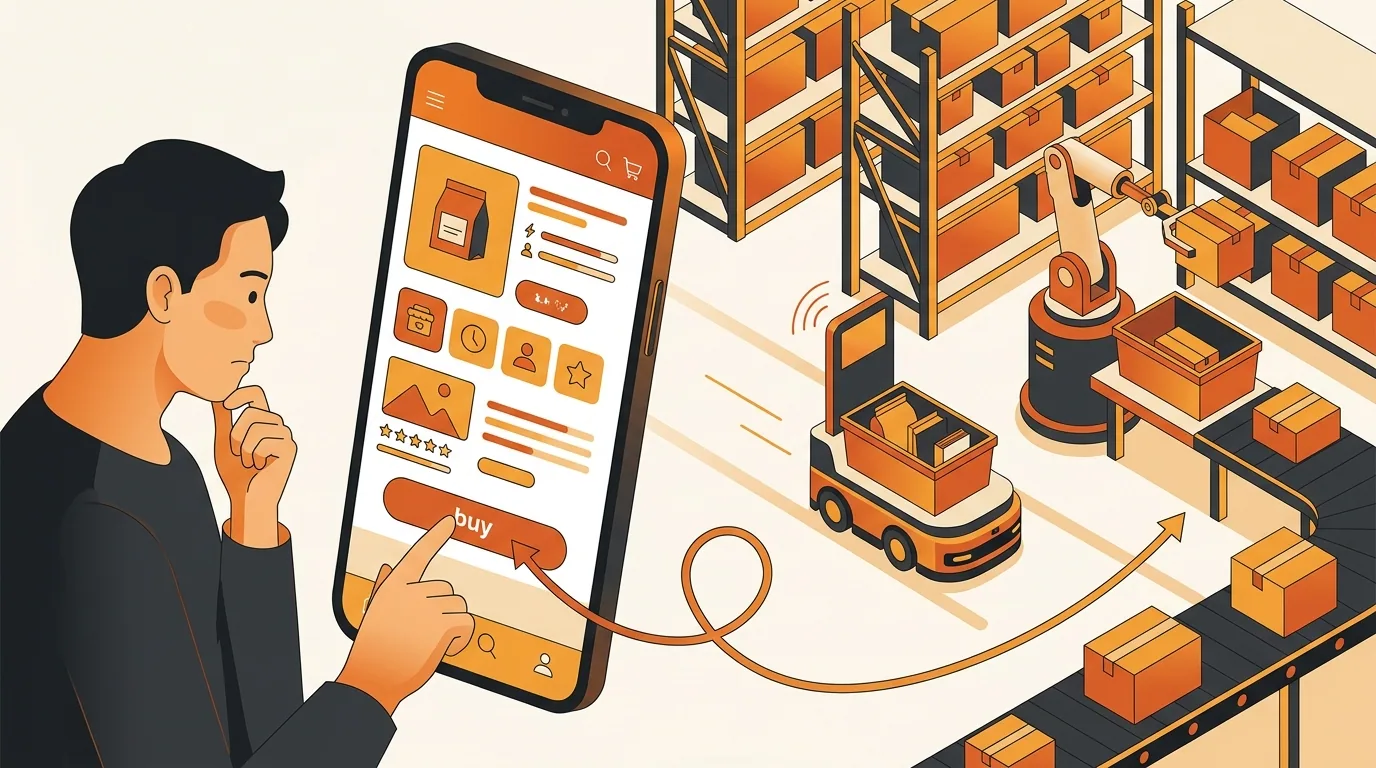
The customs and IoR detail most guides skip
Whichever structure you pick, customs responsibility lands on a single legal entity. For consumer electronics, three things matter at the border that most "Korea entry" articles never mention:
- HS code classification. Consumer electronics often sit on tariff lines where a small classification difference changes the duty rate. The IoR's customs broker makes this call, and the IoR carries the consequence if Korea Customs Service reclassifies.
- KC certification verification at import. For products in regulated electrical, radio, or EMC categories, customs will not release the shipment without proof of KC certification on file. The certification holder is usually the IoR's entity — which means changing IoR later means re-applying for or transferring the certification.
- Import VAT timing. Korea VAT applies at 10% on imports, payable at customs by the IoR. The IoR recovers it later through the standard VAT credit mechanism on the next filing.
Coupang seller onboarding by structure
Coupang's seller onboarding is where the structural choice becomes very concrete.
For an own-entity setup, you submit your Korean business registration certificate (사업자등록증) and a bank account in the entity's name. Coupang requires a Korean phone number for the verification SMS and a representative who can pass identity verification. Coupang KYC has tightened — accounts opened with offshore-only documentation get rejected.
For an IoR/SoR partner, the partner already holds the Coupang account. You don't onboard at all in the formal sense; you become a brand product line under their seller account. This is the fastest path live but means you cannot take the listings with you if you switch partners — they belong to the seller account, not the brand.
For a distributor, the distributor lists under their own seller account. You typically have no direct visibility into the listing setup unless contractually granted.
The trade-offs across these three flow directly into how Rocket Growth works for your products.
Rocket Growth, fulfillment, and returns
Rocket Growth (로켓그로스) is Coupang's 3PL — you send inventory in, Coupang stores, picks, packs, ships, and handles returns. For consumer electronics, the math here is the single biggest variable in your Korea P&L.
The unit economics shift meaningfully when you switch from cross-border (international shipping per order) to local Rocket Growth fulfillment. We worked through the actual numbers in how Coupang IoR and 3PL change your Korea margins: typical brands give up 5–15% per-unit margin and gain 8–10× in order volume because Rocket badge listings convert at multiples of cross-border listings.
A few electronics-specific operational notes:
- Returns handling is unavoidable. Korean consumers return at meaningfully higher rates than US baselines, especially in electronics. Rocket Growth processes returns automatically — including reshelving, disposal, or return-to-seller. Whoever holds the Rocket Growth contract carries the cost of that flow.
- Inventory ownership. Under an IoR/SoR partner, the inventory is held under their account but typically remains your economic asset (consignment). Under a distributor, the inventory is sold to them — your risk ends at the warehouse door, but so does your visibility. Under your own entity, you own and operate it directly.
- Inbound logistics. Rocket Growth sellers can use Coupang's Direct LCL service from China to Korea for consolidated ocean freight. For US-origin electronics, you'll typically use a regular DDP forwarder.
Localized PDP and Korean-language conversion
Coupang's standard product listing is text-based. The conversion-driving asset is the Product Detail Page (PDP) — a long-form, image-heavy page that scrolls roughly 20,000 pixels and is built for Korean consumer reading patterns. For consumer electronics, the PDP is where you communicate spec credibility, real-world demos, and warranty/CS terms in Korean.
A direct English-to-Korean translation of your US product page rarely converts. Korean PDPs front-load social proof, lifestyle context, and use-case visuals, then go deep on technical specifications. This is true across categories but especially for electronics, where buyer comparison is detailed.
Whichever structure you choose, treat the Korean PDP as a localization project, not a translation task.

A simple decision frame
The structural question isn't "which is best" — it's "which matches the readiness you actually have right now."
In practice, three readiness signals decide which structure fits:
- Validated cross-border demand and committed multi-year Korea investment: register your own 유한회사. Take the operational load.
- Validated demand but no in-country team and no appetite to hire one: use an IoR/SoR partner. Get to Coupang Rocket Growth fast and learn the market with real data.
- Strong offline retail relationships, electronics-trade-channel demand, low e-commerce ambition: a distributor may genuinely fit.
The mistake we see most often is brands picking "own entity" for prestige reasons before they have validated Korean demand at all. The cost is six months of bureaucracy and a Korean entity that ends up dormant.
If you're not sure which signal describes you, our Rocket Growth vs. cross-border decision framework and operational readiness note cover the sequencing question in more detail. The funding-flow piece — who pays for what in Korea — is also worth reading before signing any agreement, because all three structures put inventory, ad spend, and platform fees on the brand regardless of whose name is on the IoR line.
Talk through your Korea structure with an operator
If you're a US consumer electronics brand evaluating IoR, distributor, or own-entity entry, we can walk you through the trade-offs on a 30-minute call — including KC certification, Coupang onboarding, and Rocket Growth realities for your specific product.
About the author
Korean and global e-commerce operators with 15+ years of cross-border experience, led by CEO Isaac Lee — KOTRA-certified consultant and official lecturer for Seoul City and the Korea Customs Service. We run Korea market entry for Western brands every day; this blog documents what we learn in the field.
More about Kontactic →Related Articles
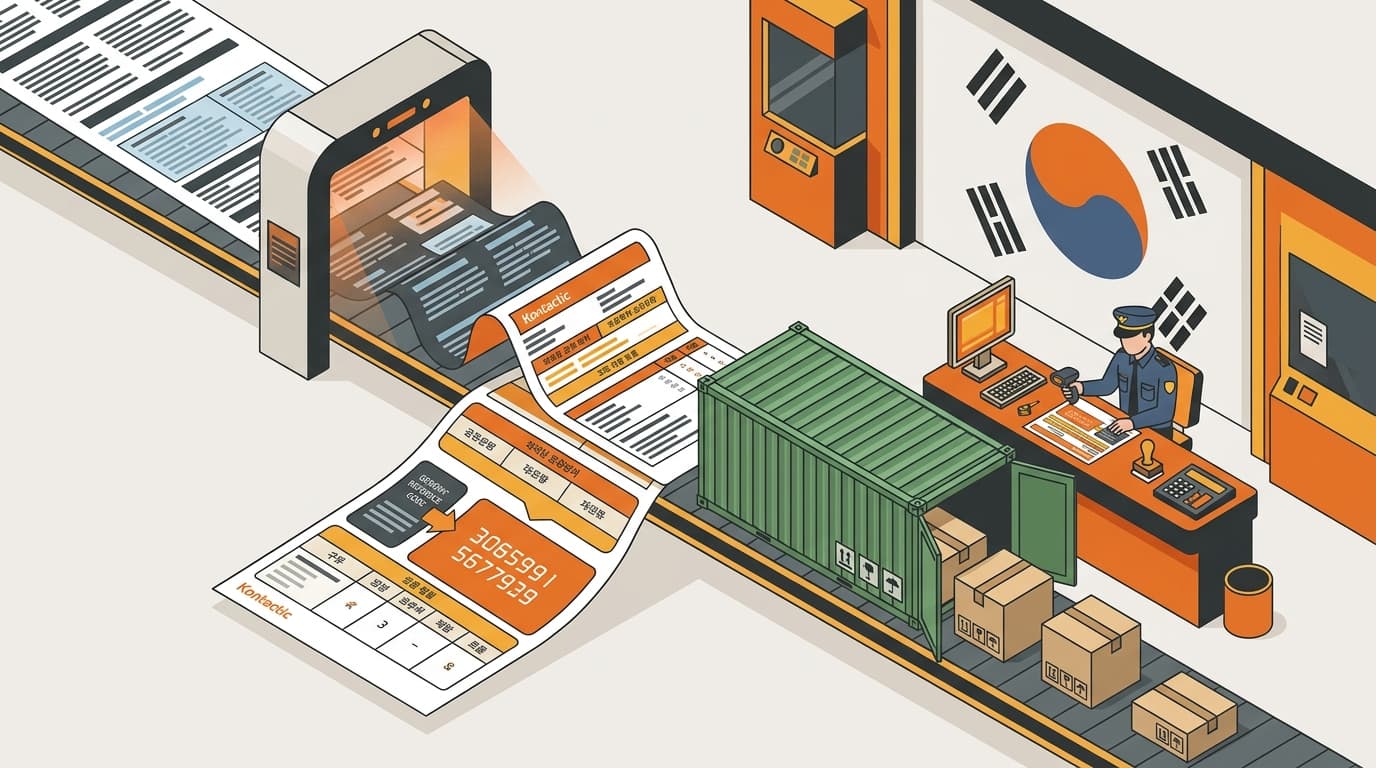
Korean HS Code: Can You Reuse US/EU HS Codes? Not Always
A US or EU HS code is a useful starting point, not a portable Korean classification. Learn how Korea’s HSK affects duty, FTA treatment, and import controls.

Korean Biocide Approval: Why Coupang Claims Still Count
No. Korean biocide approval cannot be avoided by hiding a “kills bacteria” claim from the bottle; a Coupang listing can still evidence intended biocidal use.
Can You Sell a Children's Product With KC Pending?
An in-scope children's product cannot be sold in Korea while KC is pending; complete the applicable Korean safety route before sales, not after stock arrives.