KC Certification Required: Customs Holds Electronics
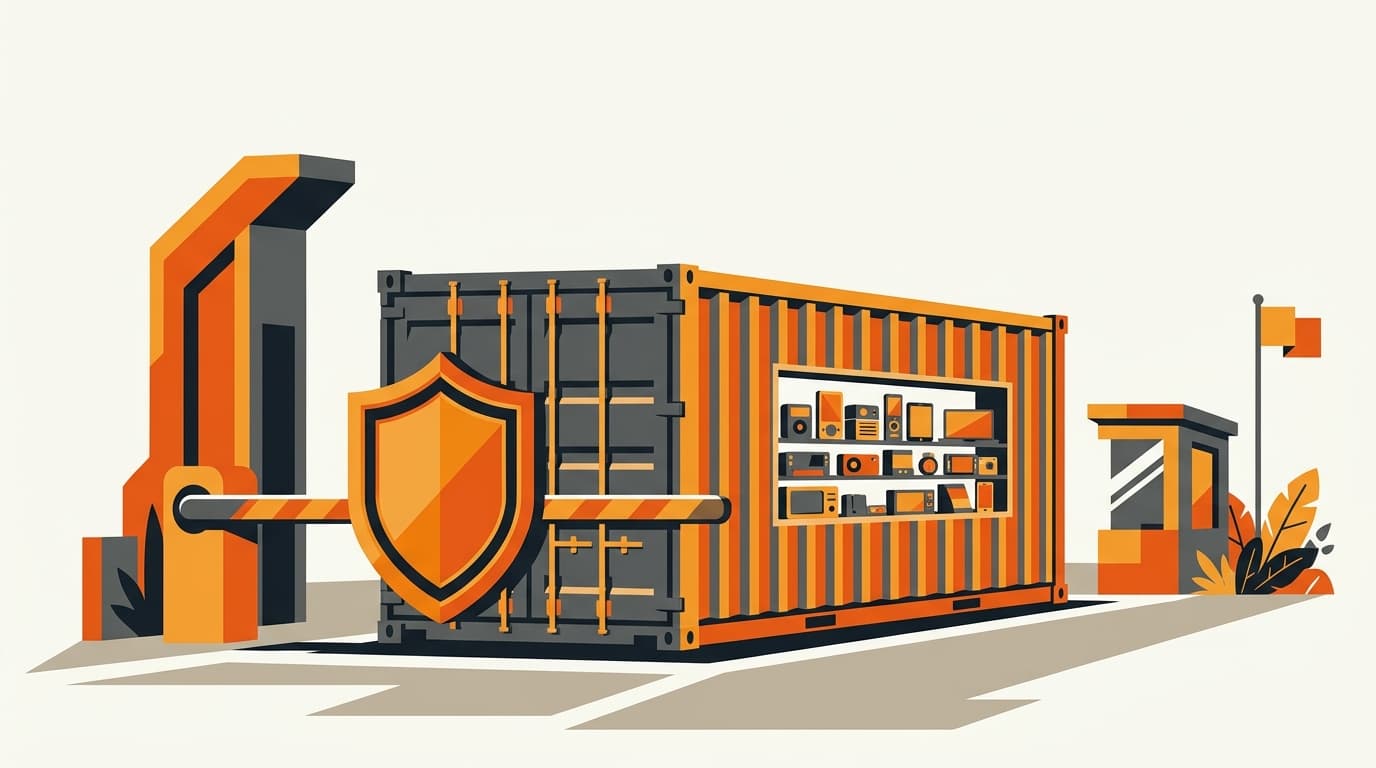
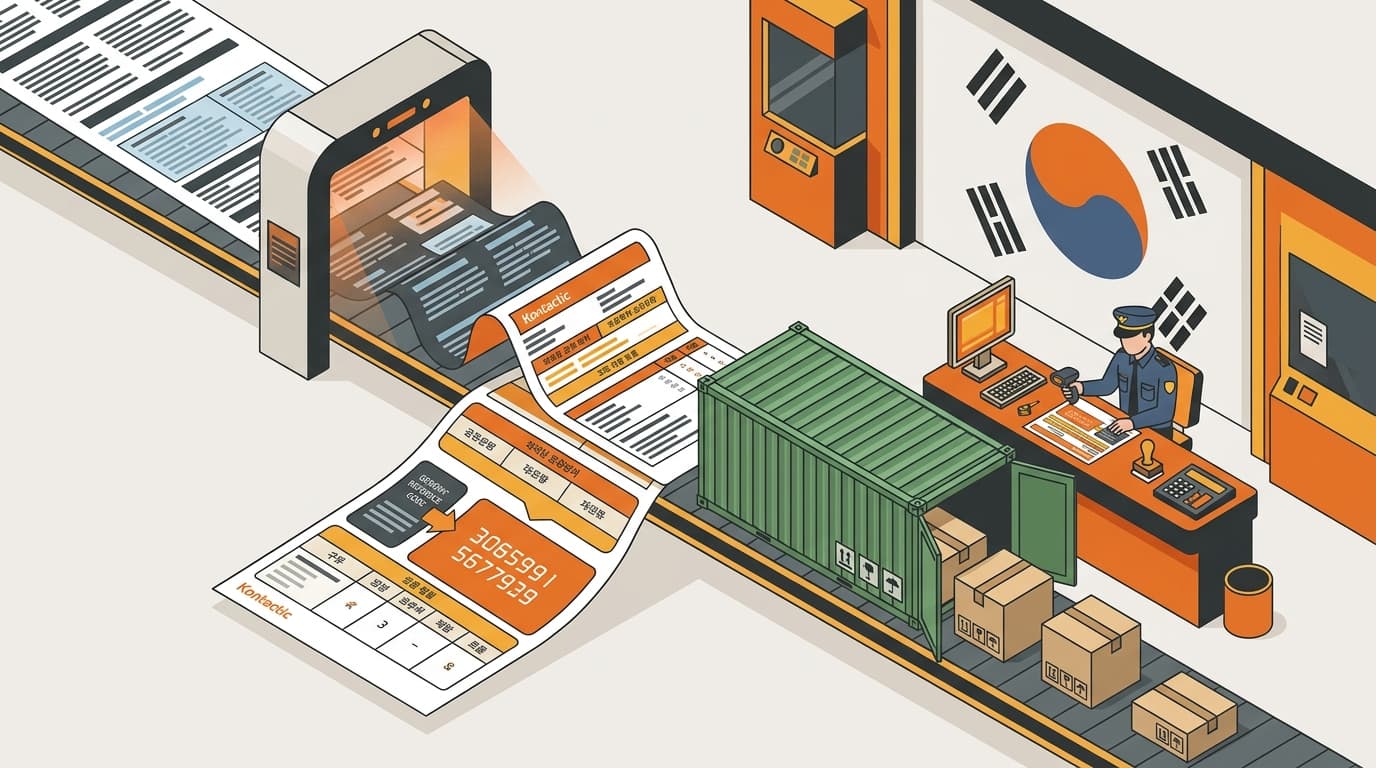
If a regulated electrical or wireless product reaches Korea without valid KC certification, customs holds the shipment. It does not get fined and waved through into the market — it gets stopped at import clearance, and your options narrow to re-export, disposal, or securing certification retroactively while the goods sit in bond. That is why KC certification is a pre-import gate, not a listing field you patch after launch.
Western brands with proven Korean demand routinely misread this. They treat KC as a Coupang onboarding checkbox — something the platform will nudge them about once the listing is live. In practice, for products in the regulated tiers, the certificate has to exist before the container arrives, because the point where the requirement is actually enforced is the border, not the product page.
KC is enforced at import clearance, not on the listing
The short answer is that KC certification for regulated electronics is a condition of import, so the first hard stop is customs — not the marketplace.
For products that fall inside a regulated safety or conformity tier, Korean law requires certification to be in place before the goods enter the country. When a shipment arrives, the importer files customs documentation with the Korea Customs Service, and for regulated categories that filing has to demonstrate valid KC status. If the certification isn't there — or doesn't cover the product actually in the box — the cargo is not released for domestic sale.
This is the part that surprises brands. A missing certificate isn't a paperwork penalty you settle later. It is a release condition. The container physically does not enter the Korean market until the status is valid, which means an uncertified shipment can land, clear the port, and then sit — unsellable — while you scramble.
"Fix it after we list" does not work for KC. Because certification gates import clearance, an uncertified regulated shipment is held at the border, not fined and released. Reversing the order — ship first, certify later — is exactly what strands inventory.
Two separate certificates can gate the same device
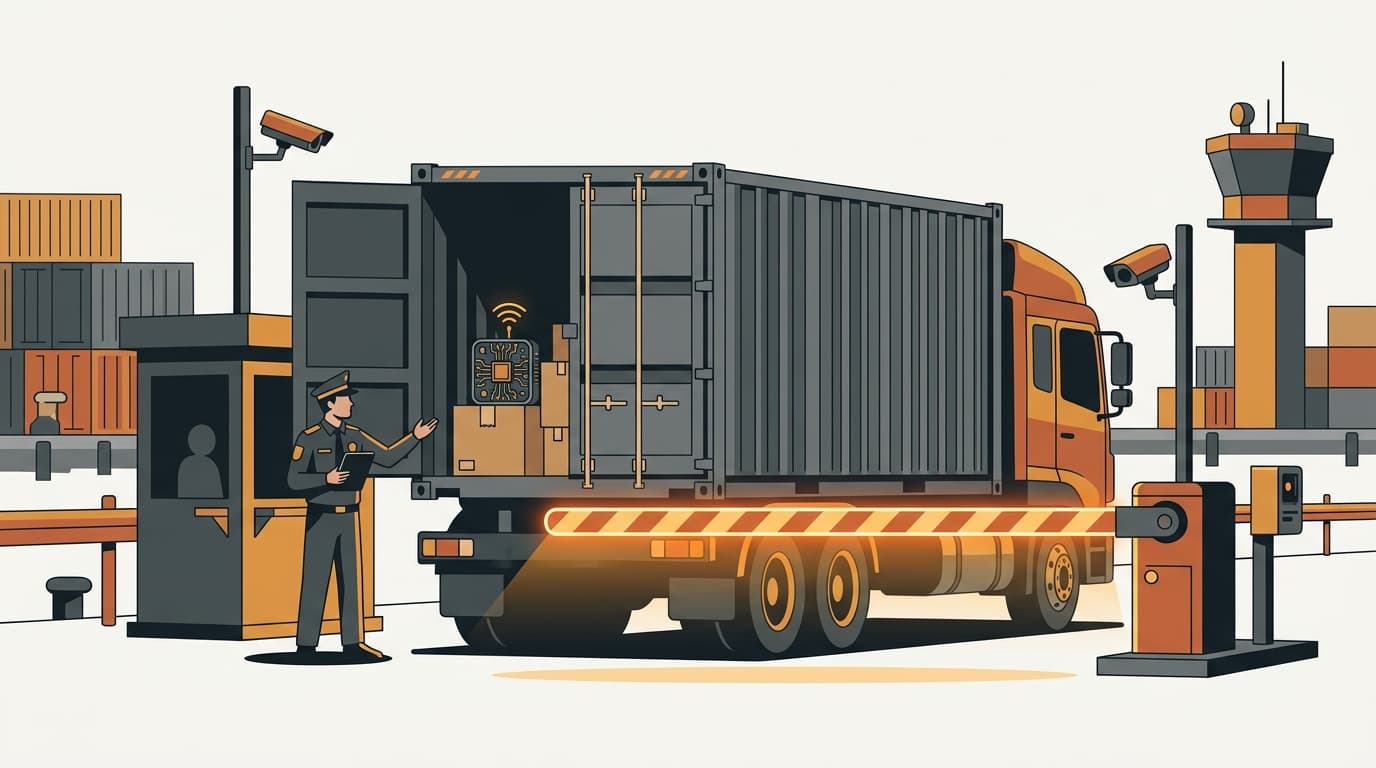
A single wireless product can be held for missing either of two unrelated certificates. This is the second thing brands underestimate: "KC" is not one mark issued by one body.
The two regimes run in parallel:
- KC safety under the Electrical Appliances and Consumer Products Safety Act, administered through the Korean Agency for Technology and Standards (KATS / 국가기술표준원). This is the product-safety track — electrical safety, materials, hazards.
- KC EMC / RF conformity under the Radio Waves Act, administered through the Radio Research Agency (RRA / 중앙전파관리소). This is the electromagnetic-compatibility and radio track — anything that emits or is susceptible to radio-frequency energy.
A Wi-Fi speaker, a Bluetooth earbud, or a wireless charger can need both. Satisfying one does nothing for the other. A device with a clean electrical-safety file but no radio conformity is still incomplete for import, and the reverse is equally true. We look at this split in more detail in does a wireless device need both KC safety and EMC, and the broader question of which of the tiers applies is covered in KC safety certification: which of Korea's 3 tiers fits your product.
The practical failure mode is scoping only one regime, certifying against it, and shipping — then discovering the other regulator's requirement at the border. Before anything moves, confirm which of the two tracks (or both) your device sits under.
The most expensive KC mistakes are not failed lab tests. They are brands who certified the safety side, skipped the radio side, and only found out when the container couldn't clear.
Why the certificate holder must be a Korea-accountable party
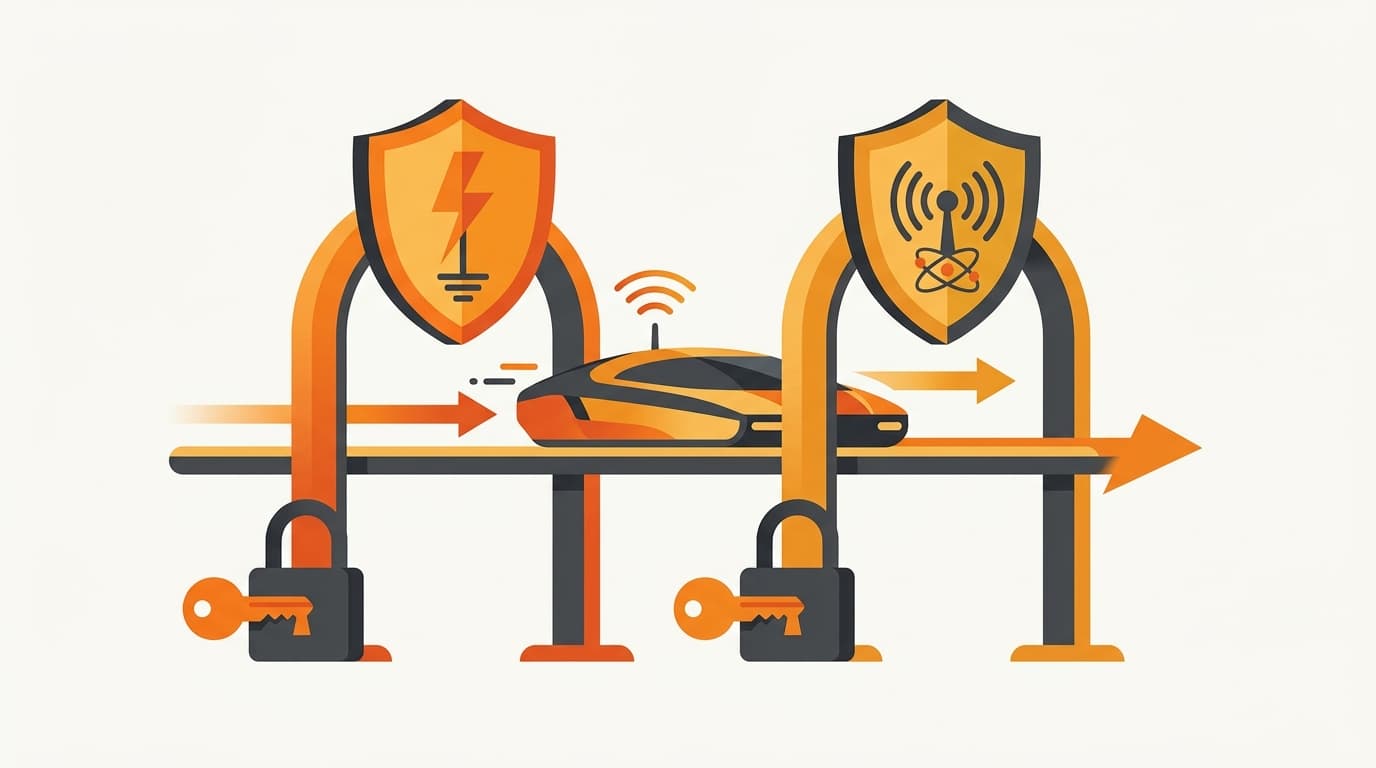
Here is the step Western brands most often miss: KC certification is issued to a responsible party accountable within Korea — not simply printed under the overseas factory's name. A certificate "the factory has" may not cover your import at all.
KC status attaches to a party who can be held responsible in Korea for the product placed on the market — typically the importer or the Importer of Record. That accountability is the whole point of the regime: if a certified product turns out unsafe or non-compliant, the regulator needs a domestically reachable party to act against, recall through, or hold liable. An offshore manufacturer with no Korean presence generally cannot fill that role.
So two situations trip up brands:
- The factory holds a KC certificate for a different importer or a different market configuration. It exists, but it isn't yours, and it may not map to the model and specification you're actually bringing in.
- There is no Korea-accountable holder at all because the brand assumed the manufacturer's paperwork would travel with the goods.
Either way, the customs filing needs certification tied to a valid Korean-based holder. This is closely related to why a non-resident brand can't simply register as the importer itself — the same "domestically reachable responsible party" logic runs through the whole import chain, which we unpack in can a non-resident brand be the Korean Importer of Record.
The KC certificate holder is a legal role, not a formality. It is the party accountable in Korea for the product — usually the importer. A certificate under only the overseas factory's name does not automatically cover your import.
The KC number is public — a mismatch is visible to everyone
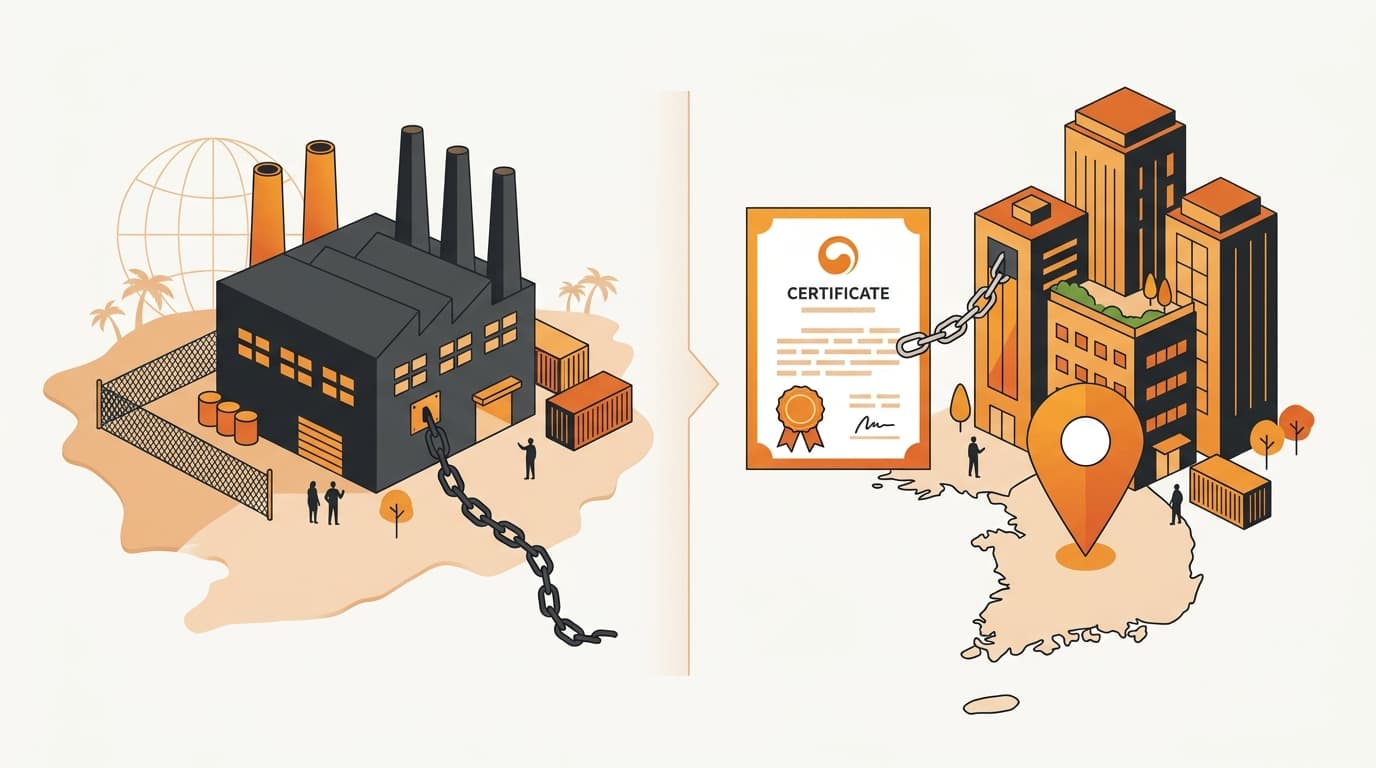
Even after clearance, the certificate doesn't go quiet. The KC certificate number surfaces publicly on the Coupang product information disclosure field (상품정보고시), the standardized panel where sellers must declare regulated product details.
That means a missing or mismatched KC number isn't a private compliance gap. It is visible to buyers, competitors, and regulators on the live product page. A number that doesn't correspond to the product, or a blank where one is required, is exactly the kind of discrepancy that draws scrutiny — reinforcing that certification is a launch prerequisite you carry through to the listing, not a detail you backfill. How this field is populated and verified is covered in self-serve KC certification: track, fix, and re-file cases.
The through-line is consistency. The certificate that cleared customs, the holder named on it, and the number displayed on the Coupang disclosure panel all have to describe the same product and the same accountable party. When they don't, the failure shows up somewhere in the chain — at the border, at the desk, or on the listing.
Common questions
Will customs just charge a fine and release an uncertified electronics shipment? No. For regulated categories, KC status is a release condition, not a penalty item. An uncertified shipment is held rather than fined-and-released, leaving re-export, disposal, or retroactive certification as the exits — all of which cost time against a live launch.
Can I use the KC certificate my factory already has? Not automatically. KC certification is issued to a Korea-accountable holder for a specific product configuration. A certificate held by the overseas factory, or issued for a different importer, may not cover your import.
Does one KC certificate cover a wireless device? Often not. Electrical safety (KATS, under the Electrical Appliances and Consumer Products Safety Act) and radio/EMC conformity (RRA, under the Radio Waves Act) are separate obligations. A wireless device can require both, and missing either can hold the shipment.
How do I verify these requirements myself? Start with primary sources: statute text at law.go.kr, the Korean Agency for Technology and Standards (KATS) for safety scope, the Radio Research Agency (RRA) for radio/EMC scope, and the Korea Customs Service for the import-clearance procedure. Coupang's official disclosure requirements govern how the KC number appears on the listing.
What is the right sequence? Confirm which tier or tiers apply, secure the certificate under a valid Korea-based holder, and only then ship. Reversing that order is what leaves inventory stuck at the border.
Not sure which KC track your electronics need?
Next step: Confirm which KC tier applies to your device by consulting KATS (safety) or RRA (radio/EMC) directly, or work with a Korea-based compliance partner to lock down your certificate holder before the first shipment.
About the author
Korean and global e-commerce operators with 15+ years of cross-border experience, led by CEO Isaac Lee — KOTRA-certified consultant and official lecturer for Seoul City and the Korea Customs Service. We run Korea market entry for Western brands every day; this blog documents what we learn in the field.
More about Kontactic →Related Articles

Rocket Growth: Why Outbound and Return Locations Matter?
Rocket Growth stores and ships inventory, but sellers still need outbound and return records before product registration; each has a distinct seller-side role.
Korean HS Code: Can You Reuse US/EU HS Codes? Not Always
A US or EU HS code is a useful starting point, not a portable Korean classification. Learn how Korea’s HSK affects duty, FTA treatment, and import controls.

Korean Biocide Approval: Why Coupang Claims Still Count
No. Korean biocide approval cannot be avoided by hiding a “kills bacteria” claim from the bottle; a Coupang listing can still evidence intended biocidal use.