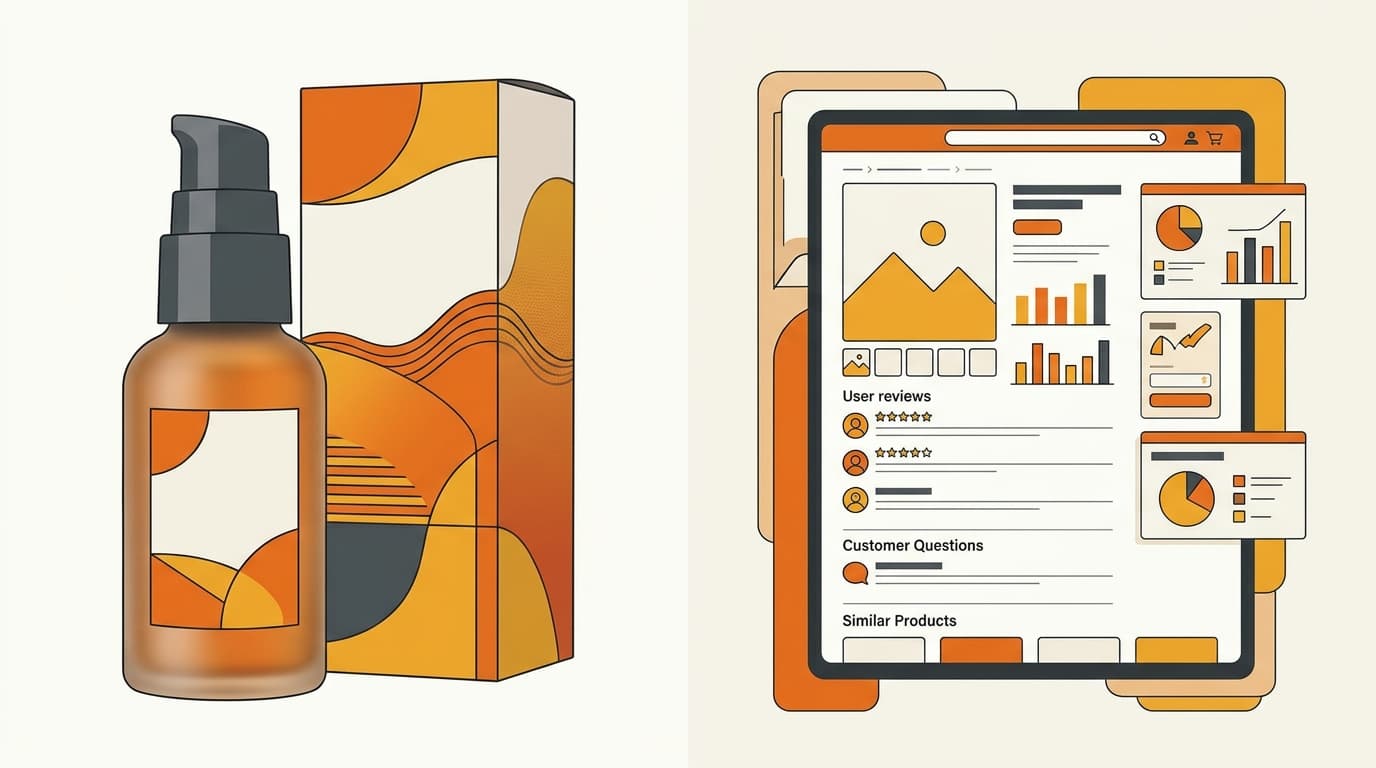
Can a Korean Coupang Page Replace a Cosmetic Label?
No. A Korean Coupang page cannot replace the Korean details required on a cosmetic’s primary or secondary package. The bottle, tube, jar, retail box, or other permitted package surface must carry that information before the product is offered for sale in Korea.
The item in the parcel still needs its Korean details
Online translation helps the shopper. It does not change the physical item.
Imagine a US skincare brand selling a hydrating serum in an English-only pump bottle inside a retail carton. The brand creates a Korean Coupang page with the product name, ingredient list, directions, and warnings in Korean. The page may be clear, but the buyer still receives the same bottle and carton. If any required details are missing from those packages, the Korean page has not fixed the problem.
The package may need the name and address of the Korea-registered business responsible for the Korean label. It may also need ingredient names in Korea’s required format, the amount, and a lot or batch number. It may need a use-by date or period after opening and warnings. The exact fields depend on the product and current Korean rules.
A Korean Coupang page can supplement the package, but it cannot replace required details on it.
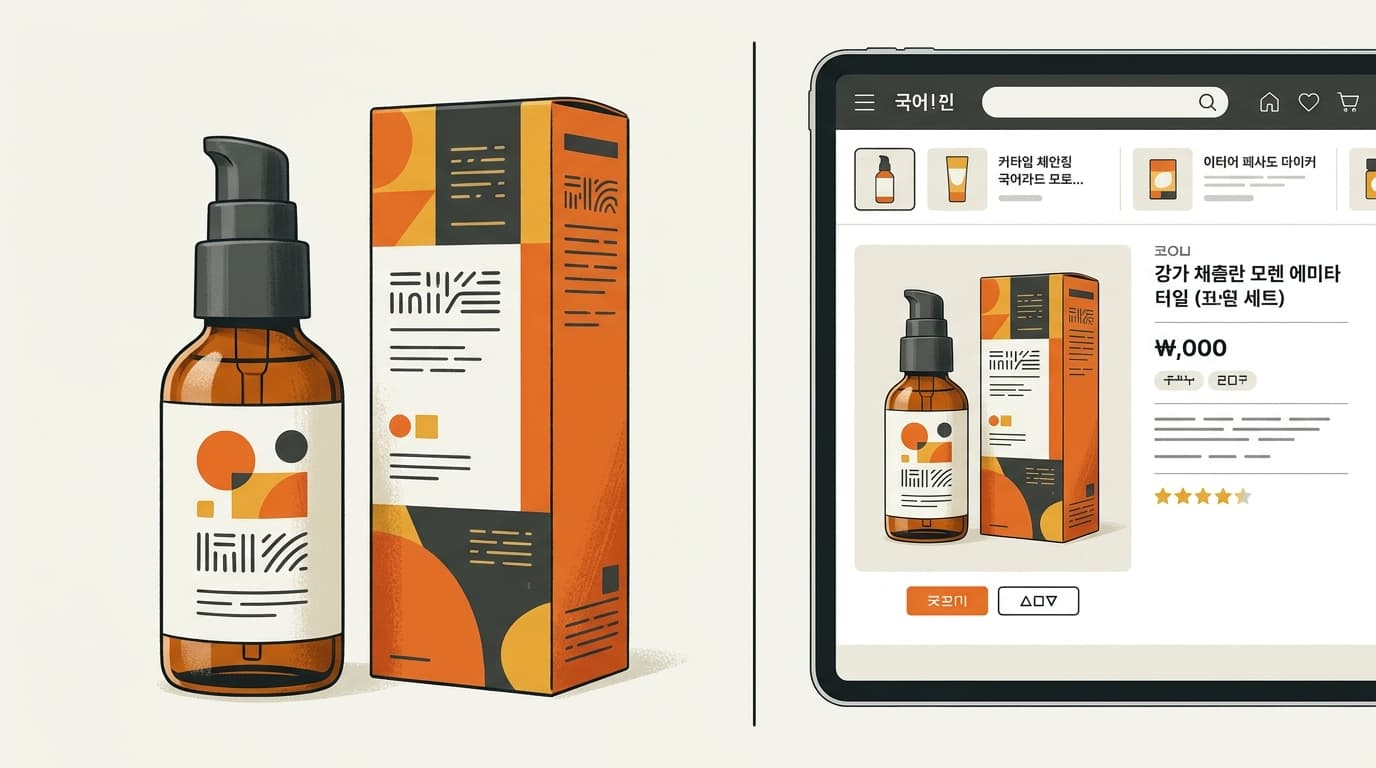
Primary and secondary package: what Korea is referring to
Primary package is the bottle, tube, jar, or other container that directly holds the cosmetic formula. Secondary package is the retail box or other package around that container.
Both terms mean physical product packaging. A Coupang detail page is not either one. A shipping insert placed inside the parcel is not either one.
The required information must be placed on the primary or secondary package in the way current rules allow. Which surface can carry a field may depend on the product and the package. Do not assume that every line must fit on a small bottle. Do not assume that putting information on a retail box always solves every labeling question either.
The whole global package does not automatically need a complete redesign. You may be able to print or attach the required Korean information to an existing bottle, tube, jar, or retail box. The method must still be allowed for that product and package, and the information must stay readable. Do not assume an added Korean label is allowed just because it is convenient; check the current MFDS rule for the exact product.
The timing also matters. The required information needs to be on the product package before the item is offered for Korean sale. Adding a Korean page after the stock is ready does not fix an English-only package.

What the Korean cosmetic package needs to show
Korea’s Cosmetics Act (화장품법) sets the packaging and labeling duty. You can check the current Act on the Cosmetics Act page on law.go.kr. Then check the Ministry of Food and Drug Safety (MFDS) guidance for product-specific fields and functional-cosmetic requirements.
Use the following as a planning list, not as a universal final checklist:
- The product name and the amount or content.
- The business name and address of the Korea-registered responsible cosmetics seller.
- The ingredient names in the form Korea requires.
- The lot or batch number.
- The use-by date or the period after opening, as the rule requires.
- Warnings and precautions for use.
- The wording or designation required for a functional cosmetic, if the product is a functional cosmetic.
Current MFDS rules may add product-specific fields, such as price or origin. Do not copy a label from another cosmetic and assume the same fields apply. Confirm the exact requirements for the formula, category, and package you will sell.
An English ingredient list can be useful to the brand and shopper. It does not automatically satisfy the Korean package requirement. A Korean ingredient list on the Coupang page does not automatically satisfy it either. The required information on the package must match the exact item the buyer receives.
That means the Korean text should match the formula, shade, size, claims, and use period for that exact product. If the package describes one version and the page describes another, better translation will not solve the problem. The two descriptions need to identify the same product.
The business name and address need the same care. The Korea-registered responsible cosmetics seller named on the package is responsible for the Korean label. The foreign brand’s home-country label and address do not replace the Korea-registered seller’s details. For more on that role, see Korean Cosmetics Responsible Seller: Who Takes the Role.

What the Korean Coupang page can do—and what it cannot
The page still matters. It can give shoppers Korean product information, directions, images, warnings, and permitted claims in a form they can read before buying. It can explain more than the small surface of a bottle or carton can hold.
But the page and the package answer different questions:
- The Coupang page asks: Can the shopper understand the offer online?
- The product package asks: Does the unit being sold carry the required Korean information on its primary or secondary package?
A clear answer to the first question does not answer the second. The product page, a PDF, or a shipping insert may repeat the information. None of them replaces required information on the cosmetic package itself.
This is why a cosmetic can be registered or listed and still need a compliant Korean label. See Why Your Cosmetic Needs a Korean Label Even If It’s Registered for the related labeling issue. For this question, the practical test is simple: look at the bottle, tube, jar, and retail box that the Korean buyer will receive. Do not review only the screen.
A practical package check before you list the product
Use this sequence before you offer an English-only cosmetic for sale in Korea:
-
Freeze the exact sellable version. Write down the formula, shade, size, claims, and package for the product. Keep the label tied to that version, not to a similar product in the global catalog.
-
Confirm the Korean responsible cosmetics seller. Check the exact business name and address that will appear on the package. A foreign brand’s home-country details are not a substitute for the Korea-registered seller’s details.
-
Choose the package surface. Decide where the required Korean information will appear on the primary or secondary package under the current rule. Check the actual artwork at its final size so the text remains readable.
-
Compare the page with the package. Read the Korean Coupang page beside the final bottle, tube, jar, or box. Match the product name, ingredient information, amount, use period, warnings, and claims to the same item. Do not let the page promise more than the function MFDS reviewed or the responsible cosmetics seller reported.
-
Inspect the finished unit before sale. Review the physical package, any attached Korean label, the lot or batch area, and the use-by or opening-period information. Then confirm product-specific fields against the current Cosmetics Act and MFDS guidance.
A design file alone is not enough for this check. The final package can have a different surface, size, or label placement from the approved artwork. Review what the buyer will actually hold before the product is offered on Coupang.
Localizing the product page is still worthwhile. It helps shoppers understand the product and can improve the buying decision. It simply needs to happen alongside package preparation, not instead of it.
Functional cosmetics need matching package and page claims
A functional cosmetic needs extra care. If it is a functional cosmetic, keep the package and Coupang claims within the function MFDS reviewed or the responsible cosmetics seller reported. A stronger online claim cannot get around the functional-cosmetic rules.
For example, suppose the package uses a narrow reviewed function, while the Korean page promises a broader result. The page is not a safe place to add that broader promise. The package and page should describe the same product and stay within the reviewed or reported function.
Do not treat a translated marketing sentence as harmless. A new Korean phrase can change the claim a shopper sees. If the formula, shade, use period, or claim set changes, review both the package and the page before using the new version.
For a claim-specific example, see Is Your Whitening Serum a Functional Cosmetic in Korea?. You can also read Which Cosmetic Claims Are Illegal in Korea—and Why before approving stronger Korean copy.
Common questions about English-only cosmetics in Korea
Can I keep my global package design?
A full redesign is not automatically required. The required Korean information must still be printed or attached to a permitted primary or secondary package, remain readable, and be present before sale. Check the current MFDS rules for the product and package instead of assuming one label method works for every cosmetic.
Is a Korean Coupang page enough if the ingredient list on the product is in English?
No. The page can supplement the package, but an English-only ingredient list does not automatically satisfy the Korean package requirement. Use the ingredient names and presentation required for the exact product.
Can I put the Korean details on a shipping insert?
No. A shipping insert is separate from the primary and secondary package. It may provide extra instructions, but it cannot replace required information on the bottle, tube, jar, retail box, or other permitted package surface.
Does the foreign brand’s address satisfy the seller field?
The package needs the business name and address of the Korea-registered responsible cosmetics seller. The foreign brand’s home-country address does not replace the Korean seller’s details.
What changes if the cosmetic is functional?
The package and Korean Coupang page must stay within the function MFDS has reviewed or the responsible cosmetics seller has reported. A stronger page claim cannot override the package wording or the functional-cosmetic rules.
Where can I verify the exact fields?
Start with the current Cosmetics Act on law.go.kr and the current MFDS cosmetics guidance. The product and current rules may add fields such as price or origin. Check those rules instead of relying on a generic online checklist.
Check your cosmetic package before listing
Need to compare your bottle, retail box, responsible seller details, and Korean Coupang claims for Korea? Contact Kontactic for a product-specific review before you offer the SKU for sale.
About the author
Korean and global e-commerce operators with 15+ years of cross-border experience, led by CEO Isaac Lee — KOTRA-certified consultant and official lecturer for Seoul City and the Korea Customs Service. We run Korea market entry for overseas brands every day; this blog records what we learn in the field.
Meet the Kontactic team →Related Articles
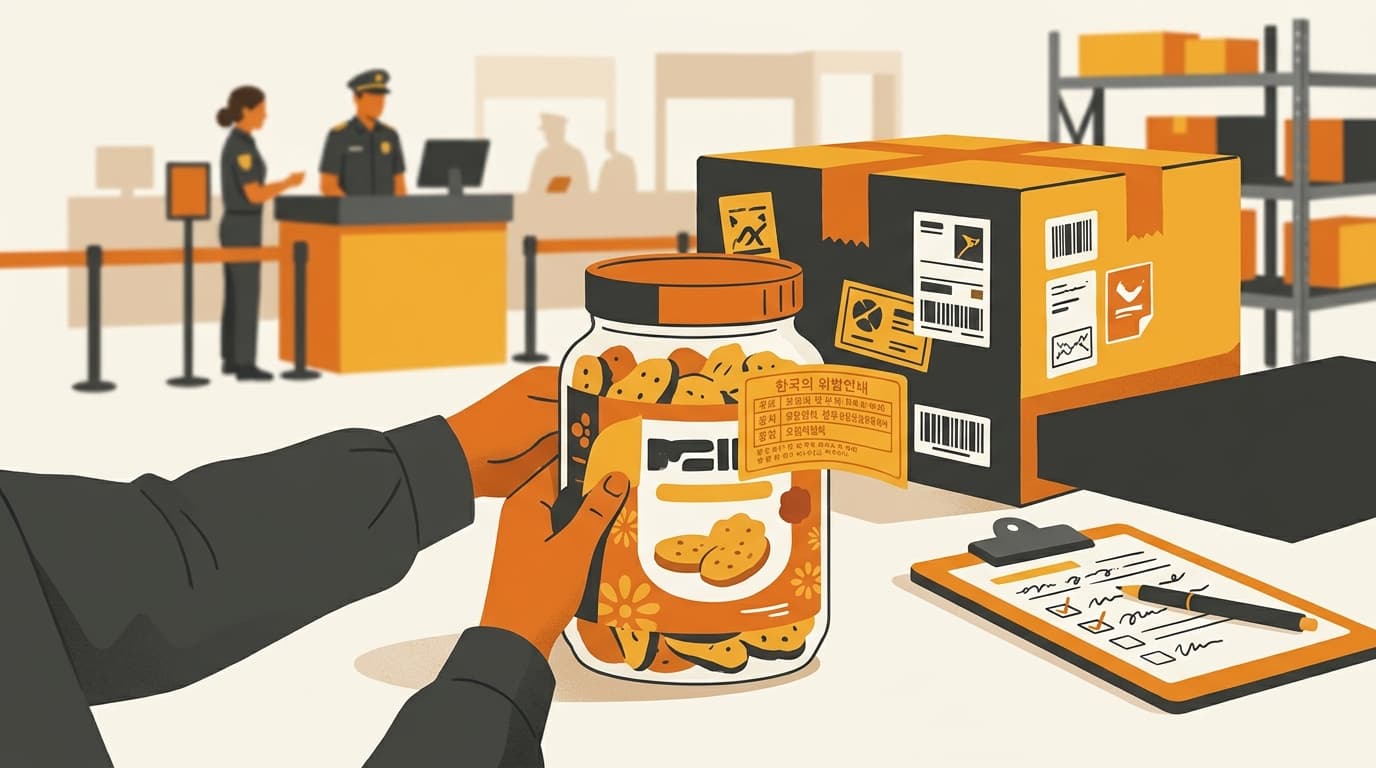
Imported Food Labels in Korea: Can Stickers Work?
Imported food labels in Korea can use a Korean sticker on the consumer unit before sale, but only when current MFDS rules allow it for that product and package.

Can USB-Powered Products Avoid Korea’s KC Safety Rules?
USB power does not automatically avoid Korea’s KC rules. Learn how KATS safety review, RRA EMC checks, and customs timing affect your shipment before import.
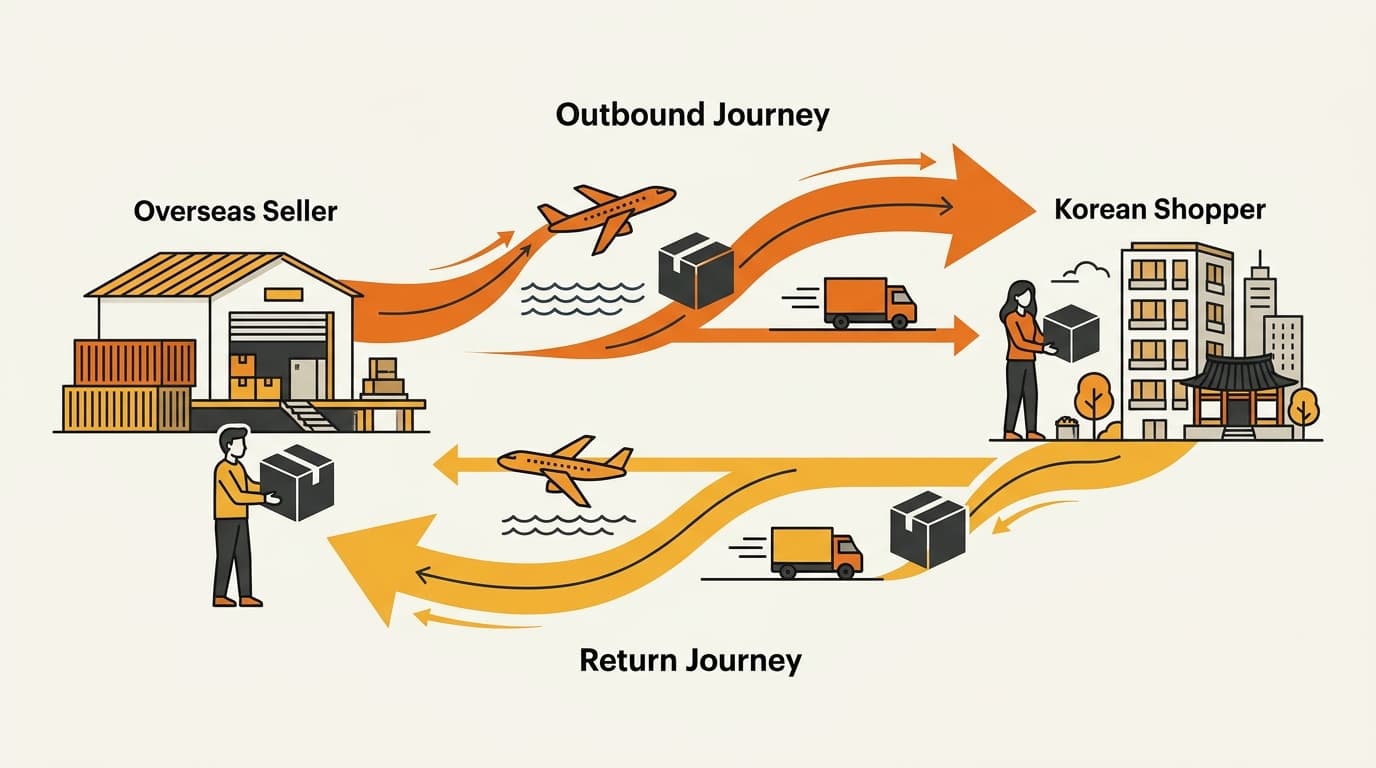
Can Coupang Buyers Pay Two Charges With Free Shipping?
On Coupang, free shipping can still leave the buyer paying two return charges: the original delivery cost and the cost of sending the parcel back to the seller.