
Yuhan-Hoesa Documents: Notary, Apostille or Translation?
Foreign documents for a Korean limited company (유한회사, yuhan-hoesa) do not automatically need all three steps. The Korean office receiving each document decides which combination it will accept.
Treat notarization, apostille or legalization, and Korean translation as three separate checks. Ask about each document and each receiving office before you pay for any of them.
The short answer: one document can need a different packet
These three terms describe different jobs.
- Notarization usually confirms a signature, a copy, or a translation under the notary’s authority. It does not automatically prove that a Korean office will accept the document.
- An apostille confirms who signed an eligible public document, the seal used, or the signer’s official role. It is used when that document will be filed in another Hague Convention country. It does not confirm that every statement inside the document is true.
- Legalization may be the alternative when an apostille is not available. The receiving authority and the issuing country’s rules decide which process is available.
- Korean translation lets the Korean receiving office read the document. A translation does not replace authentication of the original document.
A foreign company registry extract may need an apostille and Korean translation, but no new signature from the owner. A private board resolution may need the authorized signer’s signature, a notary, an apostille or legalization of that notarial act, and a Korean translation. A bank may ask for a different set of originals and identity checks.
Do not ask whether every foreign document needs an apostille. Ask the Korean office what it requires for this document from this country.
Start with the Korean recipient, not a document-service bundle
First identify who will receive the paper. The answer changes the checklist.
A foreign document may be used for:
- forming or changing the Korean company;
- registering the company with a tax office;
- opening or maintaining a corporate bank account;
- registering an importer or handling customs paperwork;
- setting up a marketplace seller account; or
- proving signing authority to a Korean service provider.
These are separate checks. A document accepted by a registry does not automatically satisfy a bank. A bank performs its own identity checks, decides whether to open the account, and sets transfer limits. Preparing documents cannot promise any of those results.
Ask the receiving office or its filing contact for a written checklist. Ask these questions for every document:
- Do you need the original, a certified copy, or a scan first?
- Must it be recently issued?
- Do you require notarization of the signature, the copy, or the translation?
- Do you require an apostille or consular legalization instead?
- Must the translation be in Korean, and who may certify it?
- Will you return the original after review?
- Can a representative file it, or must the signer appear?
The packet may include the parent company’s registry extract, certificate of incorporation, and proof that the signer can act for it. It may also include a board or shareholder resolution, a power of attorney, and identity or address documents. That list is a starting point, not a universal requirement.
The names must also match. Compare the passport, foreign company document, resolution, power of attorney, and Korean filing. Keep the same legal name, company number, representative name, and address in every document. A different spelling can send the packet back even when the underlying company is correct.
Check each document separately instead of using a generic “apostille package.” A representative-document checklist for Korean filing work helps you list each document and its signer. The Korean entity setup process has separate filing stages, and each stage may use a different document.
If the purpose includes importer registration, keep that role question separate from document authentication. An apostille authenticates a document; it does not assign importer or seller status. A power of attorney is not a substitute for Korean importer registration. For a Coupang filing, who is the importer of record when you sell on Coupang is a separate role question.
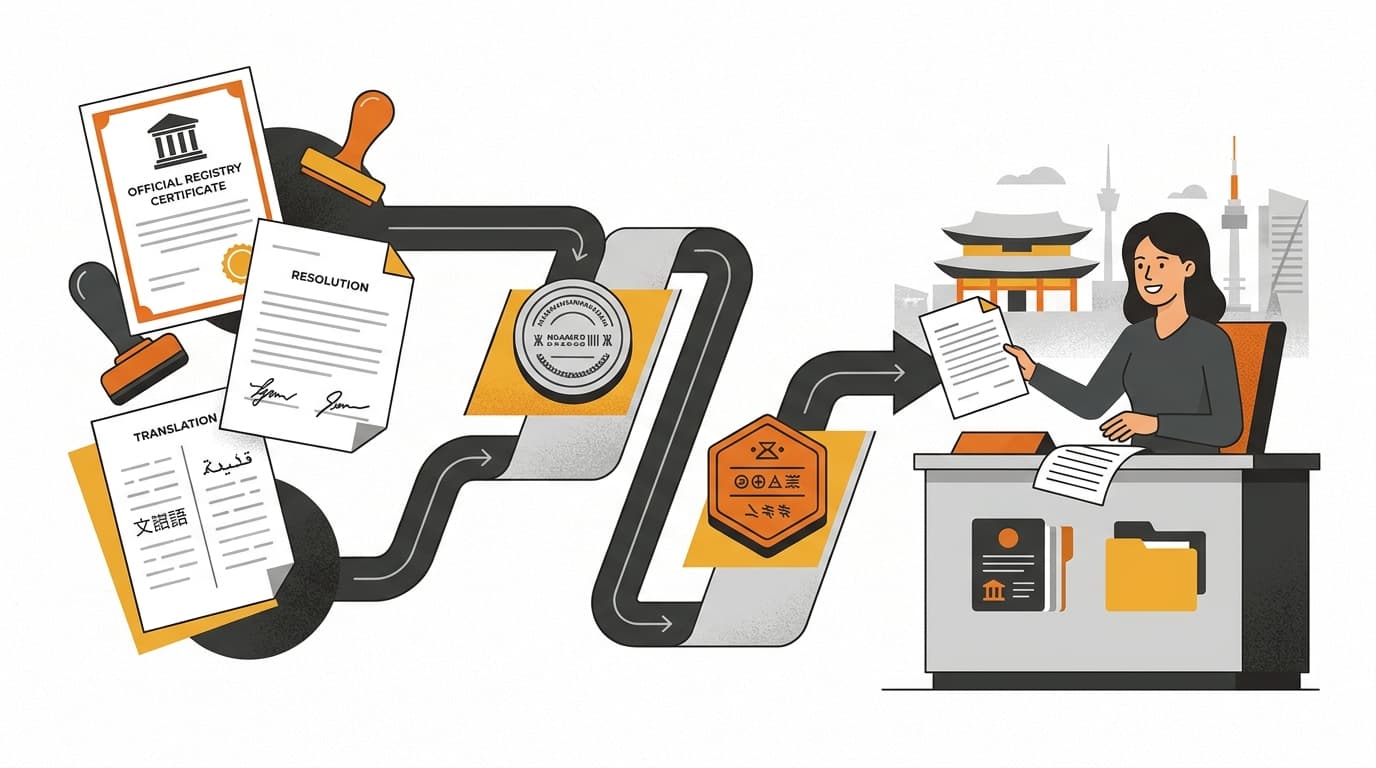
Match the document type to the right formal step
The document’s origin and signing method matter more than the word “foreign.”
A public document usually starts with the issuing authority. A company registry extract or official certificate comes from a government or public office. If the Korean recipient asks for an apostille, the apostille normally comes through the competent authority in the country that issued the document. Do not assume that a Korean apostille service can authenticate a document issued overseas. The Republic of Korea e-Apostille Service explains the Korean apostille and authentication system, but your overseas document still has to follow the issuing country’s process.
If an apostille is not available, ask whether the Korean recipient wants consular legalization. Do not choose between the two from a vendor’s general website. The issuing country and the Korean receiving office control the answer.
A private document usually starts with the authorized signer. A board resolution or power of attorney is not the same as a government-issued certificate. The person with authority to sign must sign it in the required form. If notarization is required, the signer may need to show identification and sign before a notary. Some countries allow a mail or remote process; others require personal appearance. Confirm the local rule before sending the document.
An apostille may then authenticate the notary’s signature or the relevant public certification. That does not mean every private paper can receive an apostille directly. The notary and issuing-country authority decide what they can authenticate.
A translation is a separate step. Translate every page the recipient will review. Include stamps, seals, attachments, certification pages, and the apostille or legalization page if the office requires them in Korean. Use the spelling that matches the identity and company documents. If the recipient requires a notarized or certified Korean translation, ask what type of translator or certification it accepts.
Different people handle each step:
- The public office issues the company document.
- The authorized company representative signs a resolution or power of attorney.
- The signer may need to appear before a notary.
- The issuing-country authority handles the apostille or legalization.
- The translator or translation provider prepares the Korean version and may need to certify it.
- A local representative may submit the packet, but that does not remove the original-document requirements.
The U.S. Embassy in Seoul shows why the receiving purpose matters. Its notarial-services page says its notarial services are for documents for use in the United States and that it cannot certify foreign documents. It is not a general shortcut for a Korean company filing.
Plan time and cost as separate steps
There is no honest single “apostille timeline” or universal package price for a foreign document set. The slowest authority controls the calendar, and the total cost adds several services.
Plan these steps separately:
- Get the current official company document or identity document.
- Sign and notarize a private resolution or power of attorney, if required.
- Obtain an apostille or consular legalization in the issuing country.
- Translate the completed document, including the authentication pages the recipient wants.
- Send the original and wait for the Korean office to review it or request a correction.
Ask every provider whether its turnaround is in calendar days or business days. Ask whether courier time is included, whether the original is returned, and what happens if a name or signature is rejected. Do not schedule a Korean filing for the day a translation is finished if the apostille is still pending.
Costs normally break into these lines:
| Cost line | What it covers |
|---|---|
| Official copy or document | The foreign registry or public office’s document fee |
| Notary | Signature, copy, or translation certification when required |
| Apostille or legalization | Authentication by the competent authority or consular chain |
| Korean translation | Translation, certification, and sometimes formatting of the full packet |
| Courier or filing | Transport of originals and any local submission work |
A particular notarization service may charge KRW 53,000 per document. Treat that as a local example, not a standard fee. Foreign-country notary and apostille charges vary by country and provider. Translation charges vary by language, page count, and certification method.
Before accepting a “complete” price, ask what it includes. Check for the original document, notary, apostille or legalization, Korean translation, translation certification, courier, and one correction. That list lets you compare quotes without assuming every country follows the same process.

Final checks before you send the originals
Make one row for each document and fill in these six fields:
- Document and issuing country: document title, whether it is public or private, and the country that issued it.
- Signer and authority proof: the person who signs, that person’s title, and proof that the person may sign.
- Receiving office and accepted format: the Korean office and filing purpose; original, certified copy, or scan.
- Notarization and authentication: whether the signature, copy, or translation needs notarization; and whether an apostille or legalization is required.
- Korean translation and certification: the pages to translate and who may certify the Korean translation.
- Validity, courier, filing, and original return: the issue date or validity rule, courier time, filing method, and whether the office returns the original.
Then check the packet as one set. The apostille must belong to the document or notarial act the recipient requested. The Korean translation must cover the pages the recipient will review. The signer’s name and title must match the authority proof. Keep a scan in your files, but do not assume it replaces the original.
Do not reuse an authentication from another country or another document. Do not assume that a Korean translation makes an English-only document acceptable. Do not ask a bank, registry, customs office, or marketplace team to infer which company role you intended. State the legal entity, the document, and the purpose of the filing.
The safest wording is simple: “This is a foreign-issued [document], signed or issued in [country], for [Korean office and purpose]. Do you require an original, notarization, apostille or legalization, and Korean translation?” That question can prevent you from paying for the wrong step.
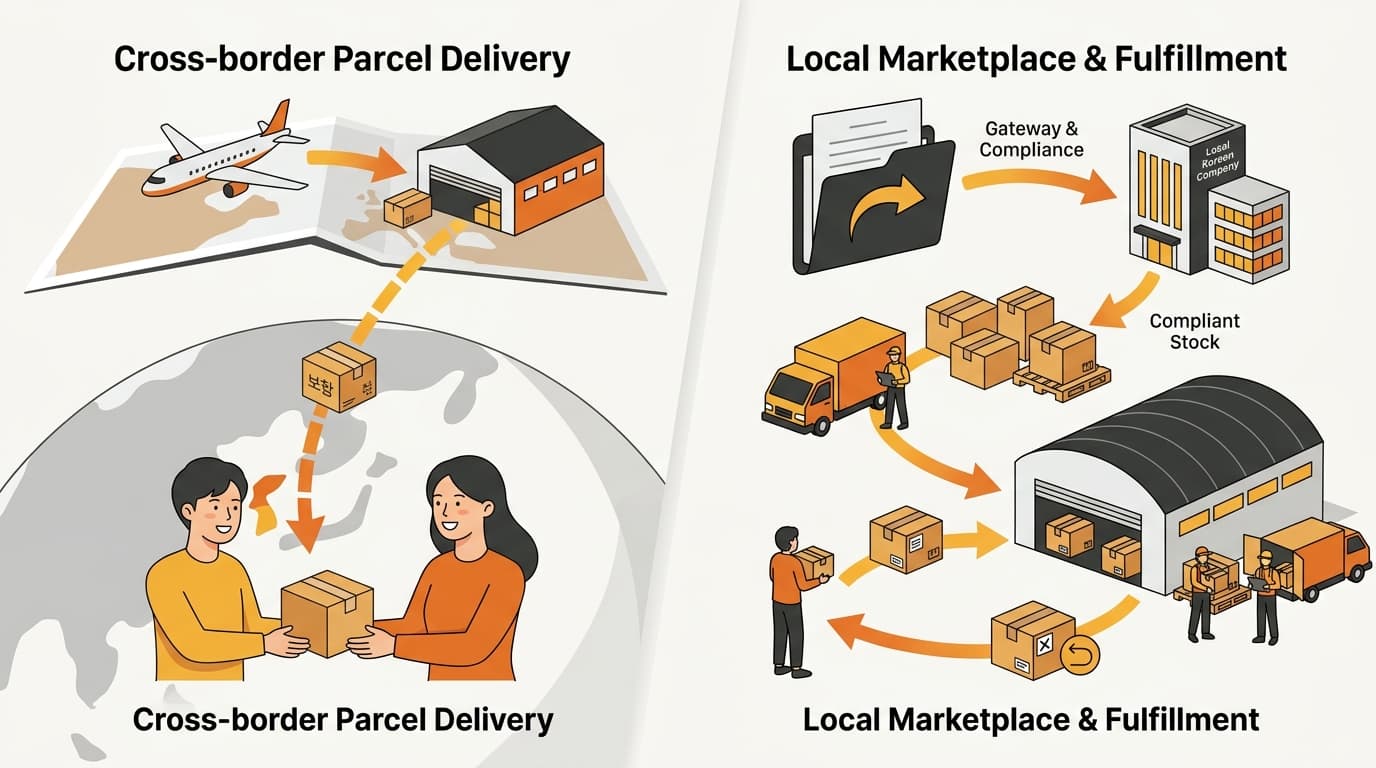
Need a document-by-document Korea checklist?
Contact Kontactic to map your foreign owner documents to the Korean entity, importer, and selling path you are considering.
About the author
Korean and global e-commerce operators with 15+ years of cross-border experience, led by CEO Isaac Lee — KOTRA-certified consultant and official lecturer for Seoul City and the Korea Customs Service. We run Korea market entry for overseas brands every day; this blog records what we learn in the field.
Meet the Kontactic team →Related Articles

Can I Upload Coupang Labels for Several Variants?
Yes. Coupang inbound groups can accept variant label files in one upload. During correction, Seller Center refreshes the list so newly eligible variants join.
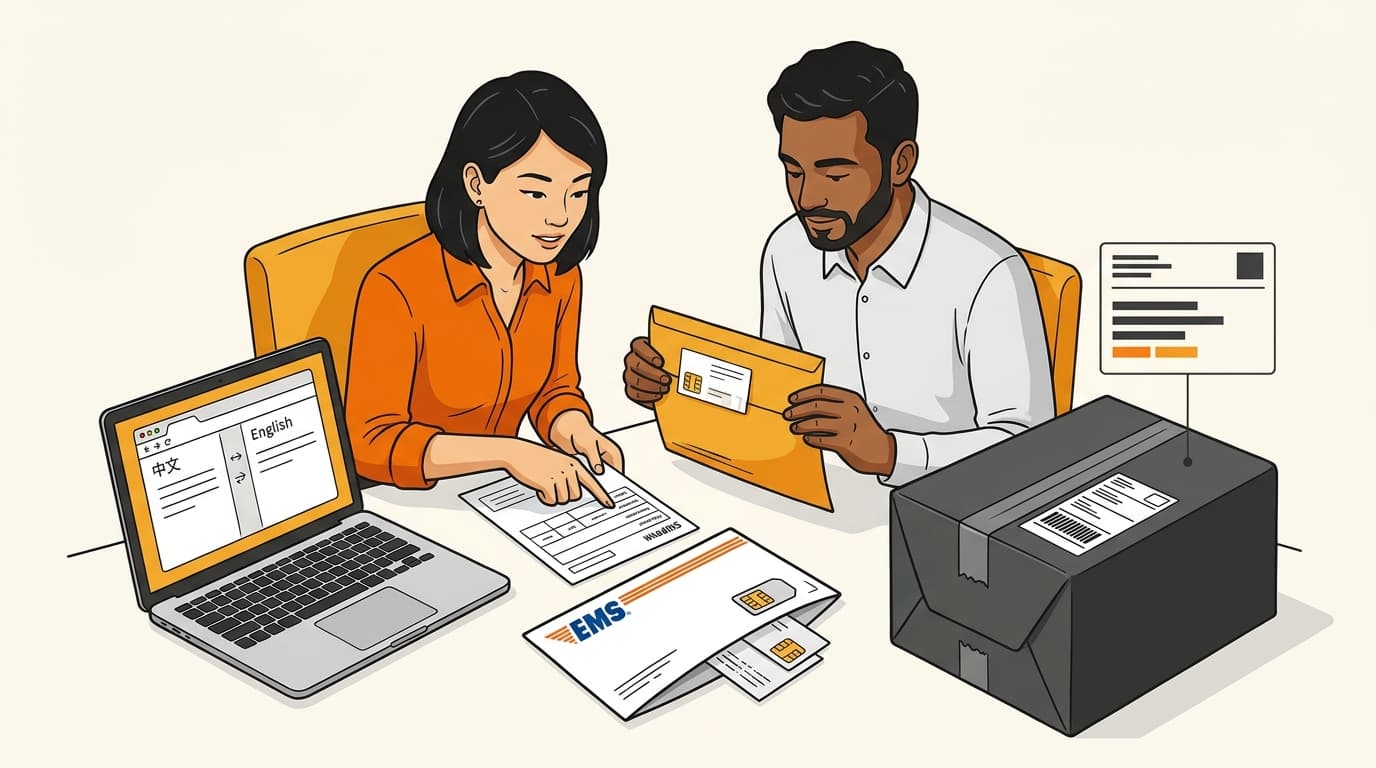
Korean Entity Delivery Details: Can HQ Confirm Before Shipping?
Before Korean entity documents and a SIM are sent, your overseas team enters EMS details in Chinese, reviews the English version, and confirms the details.

Do I Have to Recheck My Whole Catalog When One SKU Changes?
No. Recheck only the changed SKU, submit shared label groups once, and replace a rejected product with a newly eligible SKU without restarting the whole catalog.