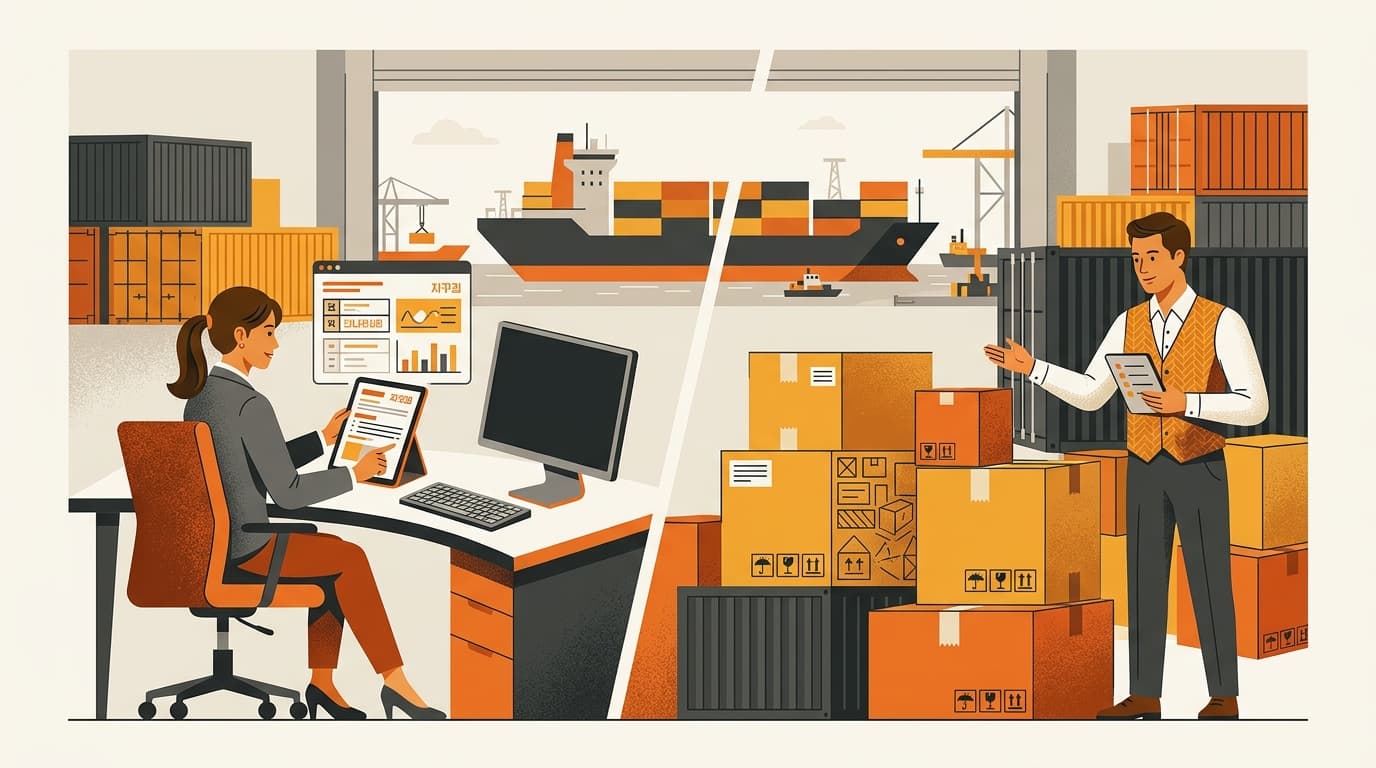
Can a Korean Customs Broker Be Your Importer of Record?
No. A Korean customs broker does not become your importer of record simply because you hire it. Hiring one also does not make a non-resident brand eligible to import and sell regulated goods in Korea. The broker can file an import declaration through UNI-PASS as an authorized agent, while the importing business and the filing agent remain separate roles.
Importer of record: The named importing business for the transaction; a customs broker may file as its authorized agent without becoming that business. Filing the declaration does not normally make the broker the importing party. If the broker’s company is named as importer, document that separate commercial structure explicitly.
No: filing authority and importer identity are different
“Importer of record” is useful English shorthand, but it can hide several roles that Korean customs workflows keep separate. Depending on the transaction and document, you may see an importer or cargo owner (수입자·화주), a declarant (신고인), and a customs broker (관세사). The broker may prepare and submit the declaration as the authorized filing agent while another business remains the importing party identified in the transaction.
That distinction matters because a customs filing is not a company registration. Appointing a broker does not create a Korean business for an offshore brand. It also does not attach the brand to a Korean business registration number or provide a required product-sector registration. The broker’s authority to communicate with Customs is procedural. It does not transfer every customs, recordkeeping, duty, or product-compliance responsibility to the broker.
A foreign brand evaluating the structure must answer two separate questions: who is authorized to submit the declaration, and which business is identified as the importer or cargo owner. The first may be a Korean customs broker acting for the client. The second is the party whose identity supports the import transaction and the obligations that apply to it.
These answers can point to the same company in some structures, but they do not have to. A useful explanation of why the importer’s identity must connect to a Korean business registration appears in Korean Importer of Record Needs a Business Registration Number. The broader question of whether a non-resident can perform the role is separate from whether it can hire a broker; see Can a Non-Resident Brand Be the Korean Importer of Record?.
For primary verification, compare the proposed workflow with the Korea Customs Service UNI-PASS portal and the Customs Act (관세법) on law.go.kr. A Korean customs broker’s commercial description—such as “we can import for you”—is not a substitute for identifying the actual parties in the declaration and agreement.

What a Korean customs broker actually does
A Korean customs broker is the specialist that helps move an import declaration through the customs process. With accurate information from the importing business, the broker can typically:
- review the commercial invoice, transport information, product details, and other supporting documents;
- support the classification, valuation, and documentation work needed for the declaration;
- prepare and submit the import declaration through UNI-PASS;
- communicate with the Korea Customs Service about questions, corrections, or additional documents; and
- coordinate the procedural steps needed to move the entry toward clearance.
The Korean customs broker’s role is procedural: it reviews the entry, submits it through UNI-PASS, and handles Customs queries for its client. Those tasks can reduce filing errors and give a foreign brand a Korean-language professional who understands the customs workflow. They remain agency functions. The broker acts for a principal whose commercial facts, product information, and importing identity must already exist.
Filing authority does not automatically do any of the following:
- turn an offshore brand into a Korean importing business;
- transfer ownership of the goods to the broker;
- make the broker the marketplace seller or seller of record;
- make the broker the holder of a category-specific certification, license, or registration; or
- settle who responds to product complaints, recalls, post-clearance questions, or other obligations.
This is the point at which proposals become unclear. “Our customs broker will file the shipment” describes a service. “Our company will be the importer, carry the applicable responsibilities, and hold the required registrations” describes a different structure. The first statement does not imply the second.
The Korean customs broker also cannot manufacture facts that the declaration needs. It can flag a classification or valuation issue and request better evidence, but the importer and brand must provide accurate information about the goods, transaction, value, and intended structure. If the business cannot say which entity is importing before the broker prepares the entry, the problem is structural rather than clerical.

Importer, declarant, consignee, and fulfillment provider are not synonyms
A single shipment can contain several legitimate business names. That is not automatically a mistake. The mistake is assuming that the name on one document proves which party has every other role.
| Role | What the role means | What the role does not prove |
|---|---|---|
| Importer or cargo owner (수입자·화주) | The business identified as the importing party for the transaction, with the responsibilities that apply to that structure. | It does not automatically tell you who physically filed the entry, owns the brand, or stores the goods. |
| Declarant (신고인) | The party submitting the customs declaration. A customs broker may perform this function under authorization. | Being the filing party does not automatically make it the importer or product-registration holder. |
| Customs broker (관세사) | The professional intermediary that prepares filings and communicates with Customs for its client. | A brokerage appointment alone does not make the broker importer, seller, consignee, or fulfillment provider. |
| Consignee | The party or location designated to receive the cargo in transport or delivery instructions. | Receiving cartons does not automatically make a warehouse or recipient the customs importer. |
| Seller or marketplace seller | The business offering the product to the customer and appearing in the relevant sales channel. | Selling to the customer does not, by itself, identify who filed the import declaration. |
| Fulfillment provider | The warehouse or logistics operator that stores, picks, ships, or processes returns. | Physical custody and delivery do not automatically transfer import authority, ownership, or product liability. |
A Korean customs broker may be the declarant, but it is not necessarily the importer, seller, consignee, or fulfillment provider. The same entity can hold several roles. For example, a Korean operating company might be both importer and seller, while a separate customs broker remains the declarant and a separate fulfillment provider handles storage. Another structure might place the broker’s company in the importer role as well. The point is not that the roles must always be separated; it is that the arrangement must say which roles are being combined.
Do not infer the importer from an airway bill, a warehouse receipt, or a broker’s invoice alone. Check the relevant customs declaration fields, the written commercial arrangement, and the product registrations that apply to the SKU. A fulfillment warehouse receiving goods for Rocket Growth or another delivery program is not automatically the importer merely because it physically receives the inventory.
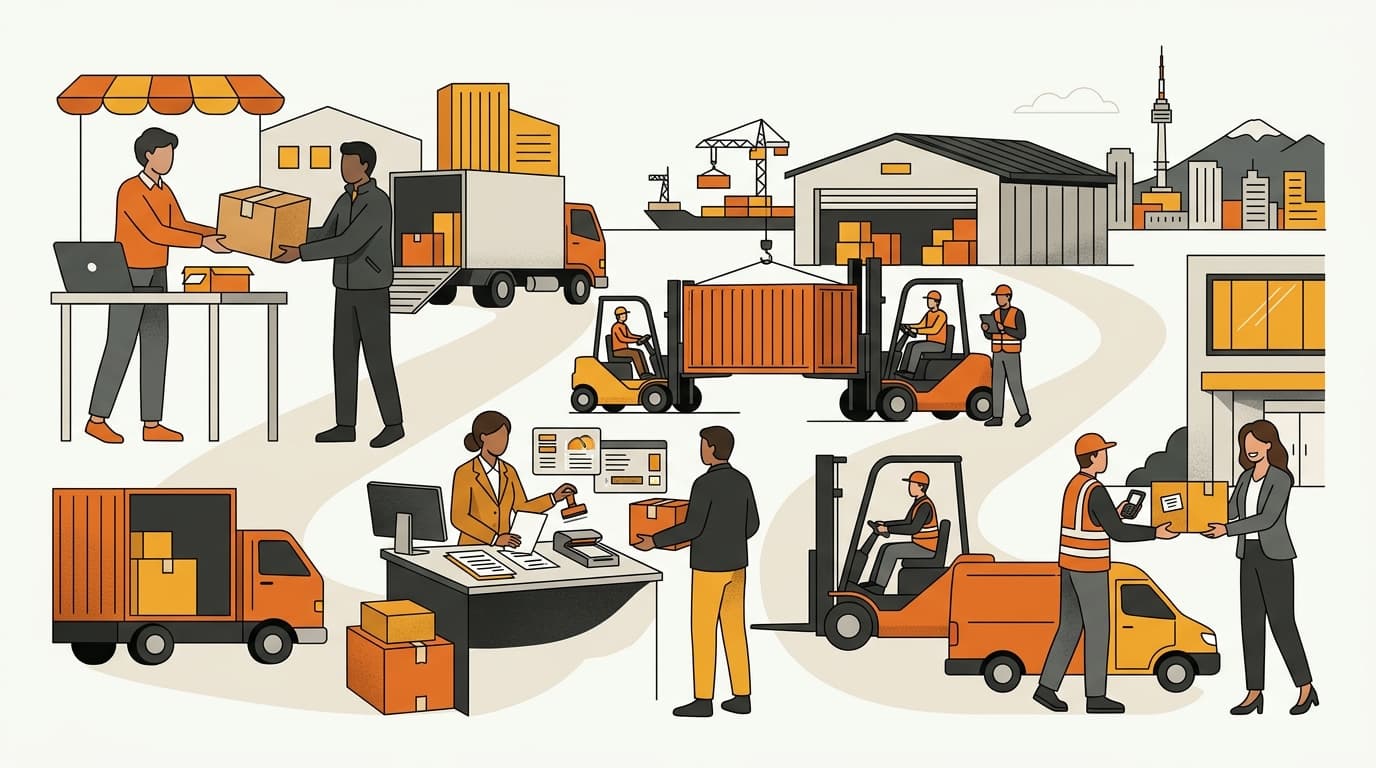
Why customs clearance does not authorize local sale
Customs clearance and product-market authorization answer different questions. Customs examines the import declaration and the information supporting that entry. A sector regulator may separately require a registration, certification, license, label, or responsible business before a product can be imported or sold in Korea.
That separation matters across consumer categories. Depending on the SKU:
- Food and supplements may involve MFDS import and product requirements that are not satisfied by a customs declaration alone.
- Cosmetics may require a Korean responsible business and compliant Korean disclosures in addition to border documentation.
- Electrical, wireless, children’s, and other designated products may fall under a KC or another Korean conformity-assessment route overseen through the relevant authority, including Korea’s Agency for Technology and Standards (KATS) where applicable.
These are examples of why “Customs accepted the shipment” is not the same statement as “the product is authorized for local sale.” A Korean customs broker may help coordinate documents or identify an apparent issue. It cannot make a missing MFDS registration, KC conformity record, or other category requirement disappear by filing the entry.
For the product side, verify the applicable route against the MFDS official portal, KATS and Safety Korea guidance, and the relevant Korean statute or notice. The exact obligation depends on the product’s composition, function, claims, design, and intended use. A SKU-by-SKU approach is more reliable than treating a broker’s customs clearance as a universal product approval; How We Map Each SKU to the Right Korean Regulation explains that distinction in more detail.
When the broker is named as importer, the structure changes
A Korean customs broker’s company can be named as the importer only as part of an actual commercial arrangement. That is not a temporary loan of credentials. The parties need to establish which entity is importing and whether it is also selling or acting as a consignment operator. They must also assign the applicable customs, recordkeeping, product-safety, recall, and post-clearance responsibilities.
The word “broker” is not enough to answer those questions. Before accepting a structure in which the broker’s company appears as importer, confirm in writing:
- Legal identity: Which exact Korean entity name and business registration details appear in the customs declaration and any product-sector filing?
- Goods and risk: Who owns the inventory, who bears the economic risk, and who controls decisions about shipment, return, destruction, or recall?
- Customs and records: Who funds and reconciles duties or import taxes, keeps the declaration file, and responds to corrections, audits, or post-clearance questions?
- Product compliance: Which entity holds the applicable registration or certification, controls Korean labeling, and handles consumer complaints and product-safety action?
- Retail relationship: Which entity is the seller to the customer, receives marketplace settlement, and manages refunds and returns?
- Exit plan: What happens to inventory, records, registrations, and ongoing complaints if the brokerage or operating relationship ends?
Ownership and importer status are separate questions. A brand can retain ownership of consignment inventory while another Korean entity acts as the importing party, but the agreement and operating records must make that division clear. Conversely, a Korean customs broker that merely files an entry should not be treated as having accepted ownership or product-level risk unless the parties have created that structure deliberately.
DDP creates another possible source of confusion. Delivered Duty Paid allocates the seller’s delivery costs and risks through the agreed destination. It does not determine which company appears as importer in Korean customs records or holds a product registration. Document Incoterms and importer identity separately.
If a proposal says, “We will use our import license,” ask which legal entity is the importer, declarant, seller, and registration holder. Without those names, the central question is unanswered. Ask for the role structure before the first shipment is booked.
How to align the parties before the first shipment
Use a single role map before shipping, then test every document against it.
- Choose the actual importing party. If your Korea model needs a local importer, appoint a genuine Korean importing entity or operating partner. Hiring a broker is an additional step, not a replacement for that decision. If the goods will be sold on Coupang, include the marketplace seller identity in the same map; Who Is the Importer of Record When You Sell on Coupang? explains why a local marketplace sale does not make Coupang the importer.
- Write down every role and legal name. List the importer or cargo owner, declarant, customs broker, seller, consignee, and fulfillment provider. Record which roles are combined and which are performed by separate entities. Do not rely on labels such as “local partner” or “agent” without defining what each party actually does.
- Map product obligations by SKU. For each product, identify the applicable regulator, registration or certification, responsible holder, Korean label requirement, and supporting evidence. Mark any open issue before the product is packed, rather than asking the broker to solve a product-regulatory gap at the border.
- Reconcile the commercial and logistics documents. Compare the commercial invoice, packing and shipping instructions, transport documents, customs declaration, marketplace account information, and product registrations. The names do not have to be identical in every field, but every difference should reflect a deliberate and documented role—not an automatic warehouse or broker entry.
- Review the declaration before filing. Ask the Korean customs broker to show which field identifies the importer or cargo owner and which identifies the declarant. Confirm the product description, classification, value, and supporting documents with the business taking the importer role, and resolve uncertainty before submission.
- Keep the post-clearance file with the responsible business. Preserve the declaration, invoices, transport documents, broker correspondence, classification or valuation support, product-registration evidence, and duty or tax records. Also decide who will answer later Customs questions and who will maintain product-safety and recall records.
Use one role matrix for customs, product compliance, sales, and fulfillment. If the invoice names one buyer, the shipping instructions name another consignee, and a product registration names a third responsible business, document why those entities differ before the shipment moves.
Common questions about customs brokers and Korean importer status
Does the customs broker’s name on shipping paperwork make it the importer?
No. A Korean customs broker may appear as the filing agent or service provider, while a different entity is the importer. A name on an airway bill, warehouse instruction, or broker invoice is not enough; check the relevant customs declaration role and the written arrangement.
Can a foreign brand hire a Korean customs broker without forming a Korean entity?
It can appoint a broker, but the appointment does not solve who is eligible to act as the local importing business or who holds required category registrations. If the model requires a Korean importer, the brand needs a genuine Korean importing entity or operating partner, subject to the product and channel requirements.
Can a fulfillment warehouse be the importer?
Only if the warehouse’s company is intentionally appointed to take that role and the commercial, customs, and product-compliance structure supports it. Storing, picking, or delivering inventory does not make a fulfillment provider the importer automatically.
Does DDP make the seller the importer?
No. DDP addresses delivery costs and risks under the shipping arrangement. It does not by itself decide the importer named in Korean customs records or the holder of a sector-specific registration.
If Customs clears the shipment, can the brand sell it on a Korean marketplace?
Not automatically. Clearance confirms the customs entry was processed; it does not create marketplace seller eligibility or replace product-category requirements. The importer, seller account, fulfillment flow, and applicable registration holders still need to be aligned.
What should a brand ask its Korean customs broker first?
Ask which exact legal name and business registration details will appear as the importer or cargo owner. Then ask who will be the declarant and which entity holds each required product registration. Finally, confirm who carries the related records, duty, product-safety, recall, and post-clearance responsibilities.
Check your importer structure before shipping
If you are unsure which Korean entity should appear as importer—or how that role fits with your broker, seller, and fulfillment provider—contact Kontactic for a role-by-role review.
About the author
Korean and global e-commerce operators with 15+ years of cross-border experience, led by CEO Isaac Lee — KOTRA-certified consultant and official lecturer for Seoul City and the Korea Customs Service. We run Korea market entry for overseas brands every day; this blog records what we learn in the field.
More about Kontactic →Related Articles
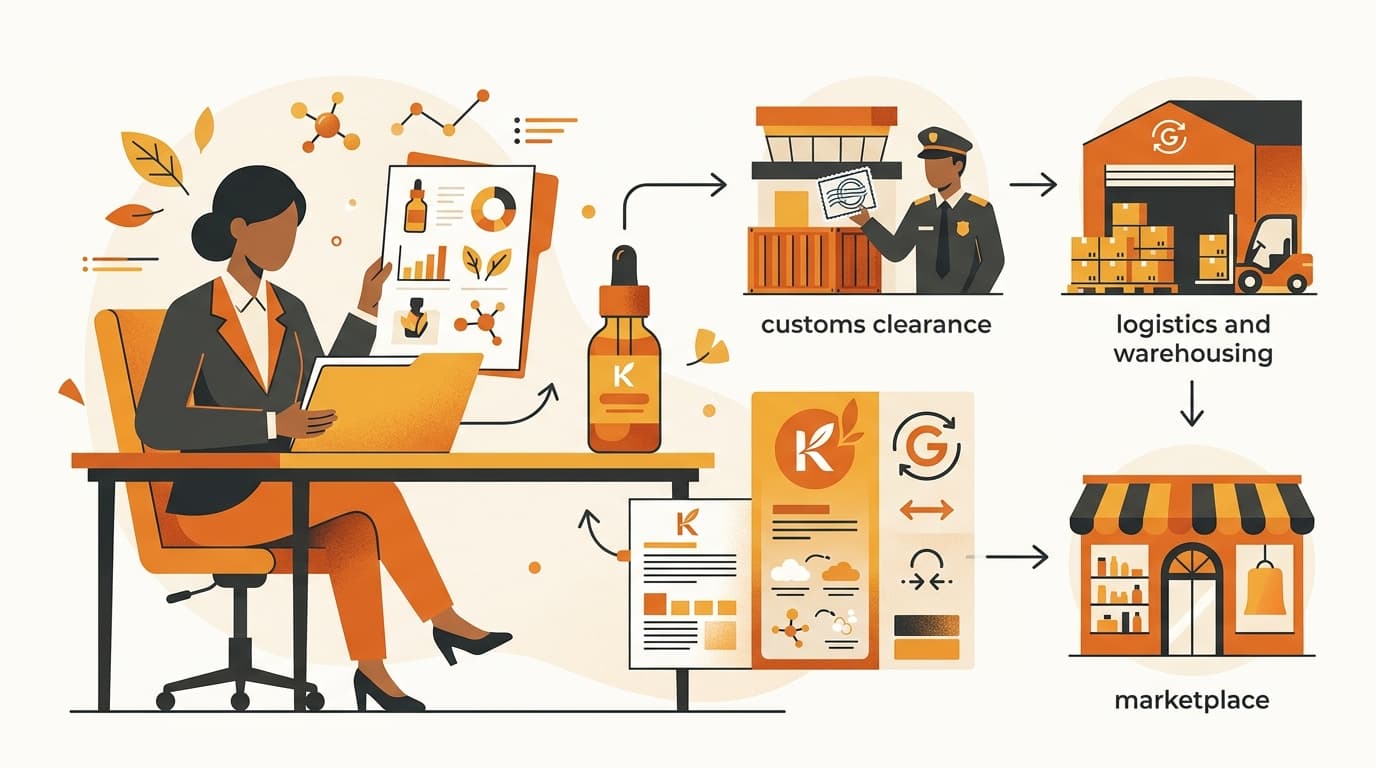
Korean Cosmetics Responsible Seller: Who Takes the Role
Imported cosmetics need a Korea-registered responsible seller before sale; learn who can take the role, what the Korean label must show, and what to verify.
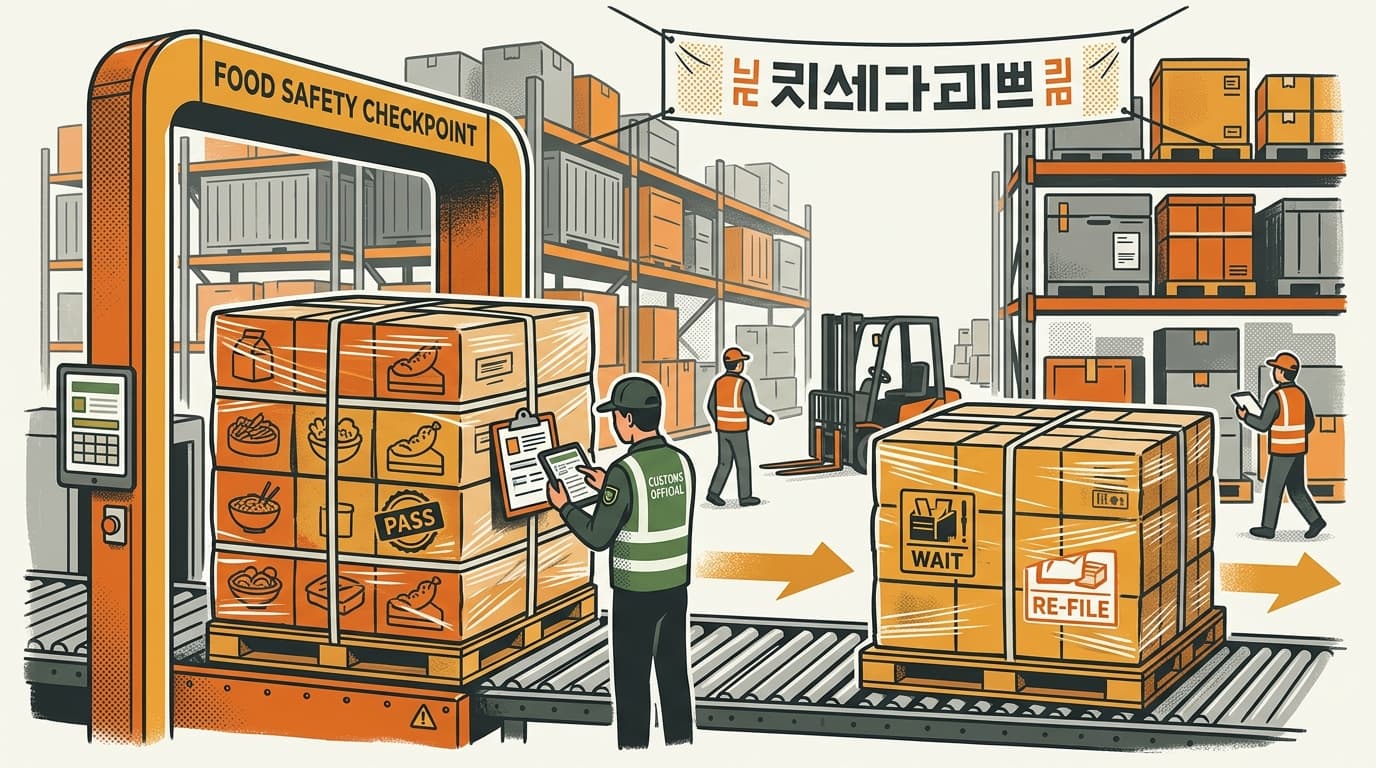
Korea Food Import Declaration: File Every Shipment
Korea food import declaration rules apply to one shipment only, so MFDS requires a new declaration for every reorder and later checks may delay stock in Korea.
Can a Factory's KC Certificate Cover Your Brand?
Factory KC paperwork covers your private-label product only when the approved model, factory, and version match. Wireless products need a separate RRA check.