Importer of Record Renewal: Stop Expiry Pausing Sales
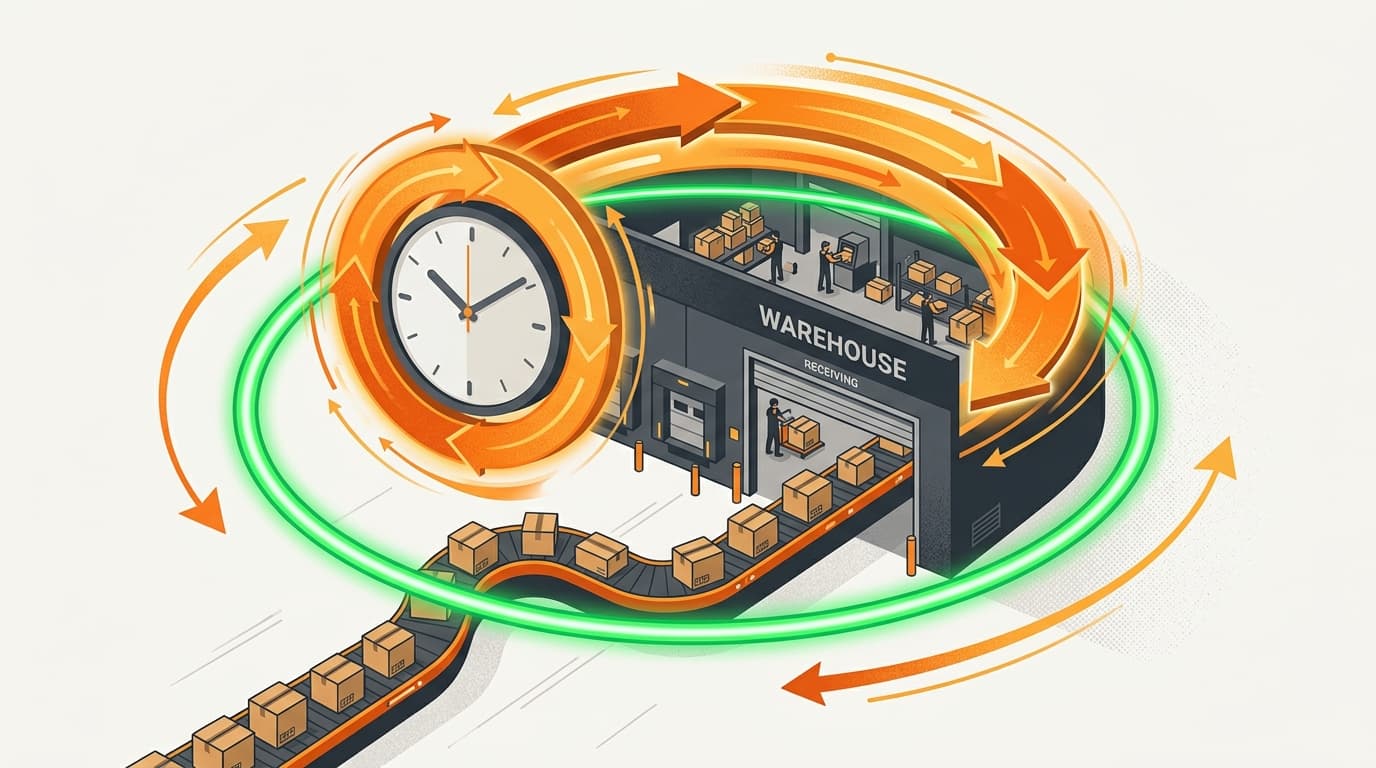
Korea's Importer of Record status has an expiry date. When it lapses, your right to import and restock into the Coupang Rocket Growth warehouse pauses — even though the inventory already on the shelf keeps selling. The step that prevents this is visibility: seeing the expiry date weeks in advance, so renewal becomes a routine task instead of a crisis.
That framing is the whole point of this working note. We built the renewal flow the way we did because the failures that hurt a foreign brand in Korea are rarely the loud ones. A failed launch is visible and recoverable. A silent expiry on a revenue-generating listing is neither — and we watched enough near-misses to decide that expiry visibility, not renewal speed, had to sit at the center of the workflow.
Why "set it up once" is the wrong mental model
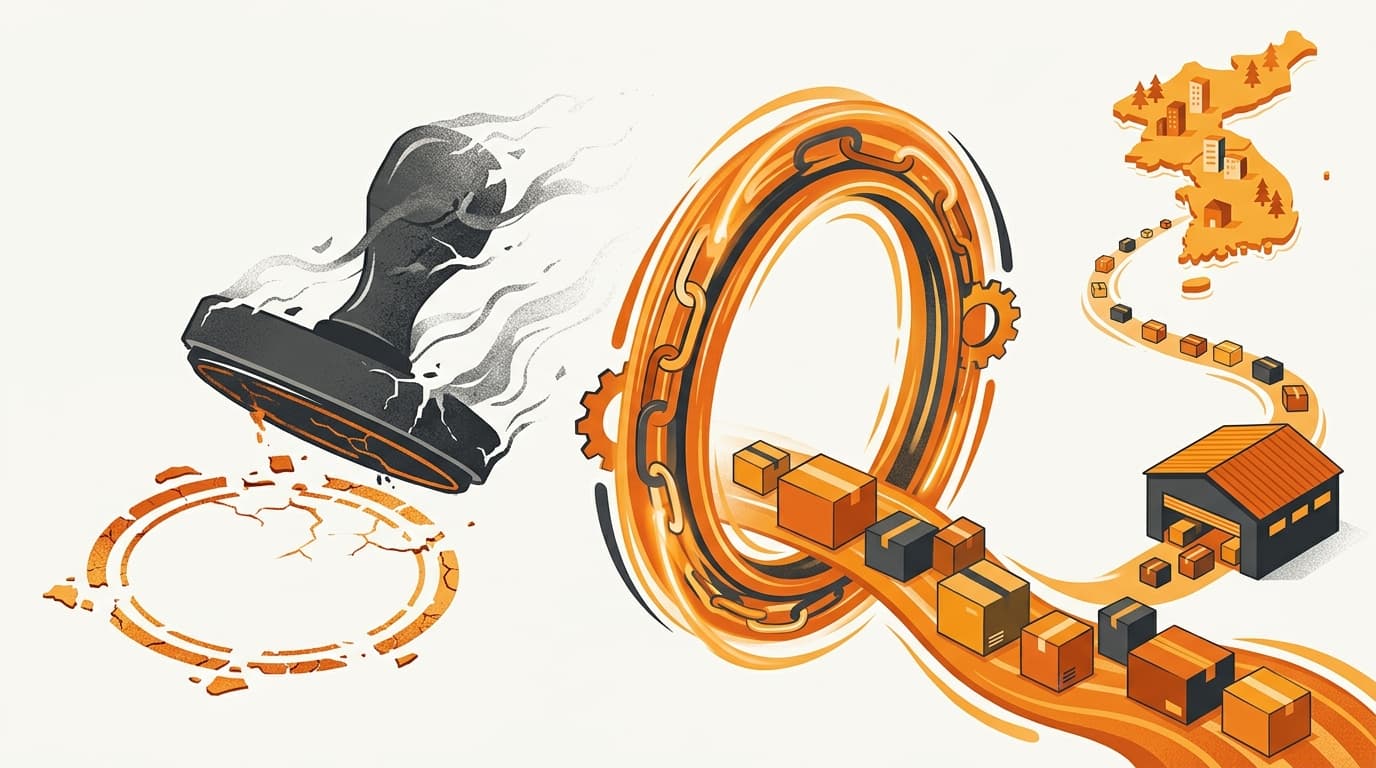
Most brands entering Korea think of import and selling authority the way they think of a passport stamp: get it, then move on. Your Importer of Record status is closer to a domain registration or a business license. It has a term, and the term ends whether or not you are paying attention.
The Importer of Record in Korea is the entity accountable to the Korea Customs Service for goods entering the country, and that accountability has to be maintained on an ongoing basis. It is not a certificate you frame on the wall. It is a standing relationship that has to stay current for cargo to keep clearing and inbound to keep flowing.
This is also why Importer of Record status cannot simply be your foreign company's name. A non-resident brand generally cannot hold Korean importer status on its own — the workflows presume a Korean business registration and a locally reachable responsible party. Once that authority sits with a local party on your behalf, keeping the Importer of Record live becomes an operational task with a calendar attached.
Selling authority in Korea is time-bound. It is the maintained right — held through a Korea-resident Importer of Record accountable to the Korea Customs Service — to keep importing goods and keep them flowing into the fulfillment network. Like a subscription, it has a renewal date, and letting that date pass has consequences downstream.
The consequence that matters most is inbound. Once your product is live and selling, the thing you cannot afford to lose is the right to keep feeding stock into the warehouse. Rocket Growth will happily keep selling what is already on the shelf — but inbound minimums and lead times mean replenishment is a continuous cycle, and a cycle only works if the Importer of Record behind it stays valid.
What a good renewal view shows you
A well-designed portal surfaces expiry early, shows status unambiguously, and lets you renew with one click. The single most useful thing it can do is show you the expiry date before renewal is due — not on the day it lapses, and not after.
The difference between a controlled renewal and a fire drill is purely lead time. If you learn about an Importer of Record expiry the morning it happens, you are already in fire-drill mode. If you can see it weeks out, it is a routine task you slot into a normal week. That is why we built the dashboard around the preview, not the alarm.
Two design decisions make that view trustworthy:
- The states are mutually exclusive. "Payment overdue" and "expired" are never conflated. An account that is behind on payment is flagged as action required, not left in an ambiguous gray zone where you cannot tell whether you are still authorized or not. You always know your real standing.
- The status is the source of truth. Rather than reconstructing your position from a scatter of emails and receipts, you read it off one screen. Overdue is overdue. Expired is expired. Live is live.
That separation sounds small. It is not. A brand that reads "payment overdue" and assumes it means "expired" may panic and pull spend it did not need to pull. A brand that reads an ambiguous status as "probably fine" may keep planning inbound against an Importer of Record that has actually run out. Naming the state precisely removes both mistakes.
Renewal in one action — and reversible until you commit
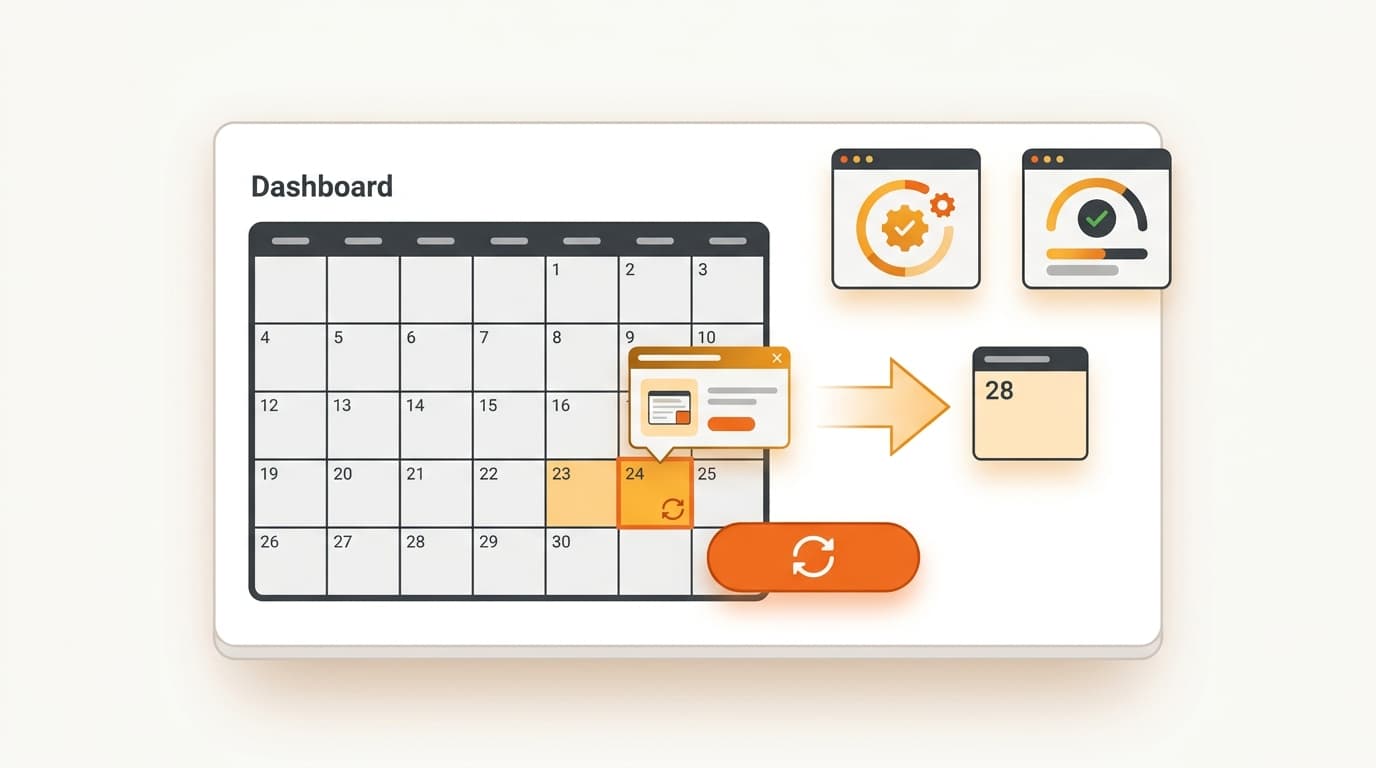
Renewal lives in the billing menu, and it is deliberately boring to use. You pick your extension period, see the new expiry date the extension would produce, and confirm. If the new date is not what you want, you change your mind before committing.
That "see the result before you commit" step is the part we care about most. Renewals go wrong when they are blind — when you press a button and hope the term landed where you expected. Showing the resulting expiry date up front turns renewal into a decision you can verify rather than a leap of faith. You are choosing a specific end date, not guessing at one.
And because the reminders are proactive, you are rarely doing this under pressure. The renewal nudges that get sent are the ones tied to an approaching date — not a stream of duplicate notifications that train you to ignore your own inbox. The goal is one clear signal at the right time, not inbox noise you eventually filter out.
What happens if the Importer of Record lapses
Enforcement is transparent, which is the whole point of building it into the portal instead of leaving it implicit. If Importer of Record authorization lapses, inbound-to-warehouse rights are paused and the state is clearly tagged. There is no silent surprise where you discover the pause only when a shipment gets stuck.
This matters because the alternative — finding out at the dock — is genuinely damaging. Inbound to Rocket Growth is scheduled and coordinated upstream through the forwarder and the partner 3PL. A pause that you can see coming is a scheduling problem. A pause you discover after cargo is already in motion is a stranded shipment.
Two things stay true even in the paused state:
- What is already on the shelf keeps selling. A lapse pauses inbound, not the storefront. The immediate exposure is replenishment, not an instant blackout — which is exactly why the expiry preview is worth watching, so you never let a slow problem become an out-of-stock one.
- Reinstatement is a known path. A pause is a state you can exit, not a dead end. Because the status is explicit and the renewal flow is the same one you would use normally, coming back is a defined action rather than a support ticket into the dark.
It is worth being precise about scope here, because it is easy to over-read a pause. The Importer of Record lifecycle governs your right to import and inbound. It does not change who owns the goods or how the customer-facing side runs — for instance, Coupang still handles the customer-facing return and refund while the returned unit re-enters your inventory. Keeping those boundaries distinct is part of why the status screen is deliberately narrow about what it reports.

Who watches the calendar — you or a local operator
Some brands manage the renewal cycle themselves; others delegate it to the third-party Importer of Record operator holding the local authority on their behalf. Either way, visibility into the expiry date is non-negotiable. The bureaucratic load can sit with the party equipped to carry it, but the standing you are relying on should never be a black box.
That is the reasoning behind how funding and operating costs flow across our tiers: the client always owns the economics and the standing, while the operational execution is handled where it belongs. You should never have to ask whether your Importer of Record is current. You should be able to see it.
Common questions
Does my listing go offline the moment authority expires? No. A lapse pauses your inbound-to-warehouse rights, not the storefront. Stock already in the Rocket Growth warehouse keeps selling — the immediate risk is that you cannot replenish it, which is why the expiry preview matters before you run low.
How is "payment overdue" different from "expired"? They are separate, mutually exclusive states. "Payment overdue" is flagged as action required and does not by itself mean you have lost your Importer of Record status. "Expired" means the term has ended. The two are never blended, so you always know your real standing.
Can I renew myself, or does the operator do it? Both models exist. Renewal is a one-click flow from the billing menu — pick a period, preview the new expiry date, confirm or back out. Under managed tiers the operator runs the renewal for you while you retain full visibility into the Importer of Record dates.
Will I be warned before it expires? Yes. The dashboard previews the expiry date ahead of the renewal deadline, and proactive reminders are sent for the dates that matter — not a flood of duplicate emails.
If the Importer of Record lapses, is it recoverable? Yes. A pause is a defined state with a known reinstatement path. The status is tagged clearly and you exit it through the same renewal flow, so there is no ambiguity about how to get back to live.
Keep your Korean selling authority continuous
Talk to Kontactic about managing your Importer of Record lifecycle in the Seller Center — with expiry previews, one-click renewal, and full visibility so your listings never go dark.
About the author
Korean and global e-commerce operators with 15+ years of cross-border experience, led by CEO Isaac Lee — KOTRA-certified consultant and official lecturer for Seoul City and the Korea Customs Service. We run Korea market entry for overseas brands every day; this blog records what we learn in the field.
Meet the Kontactic team →Related Articles

Korean Import Totals: Compare Supplier Payments
Kontactic compares each seller’s running Korean import total with its running supplier-payment total to help local teams find missing entries or timing gaps.

Korean Business Registration: How Kontactic Checks
Kontactic checks your Korean business registration certificate against the prepared address and representative, then keeps the setup open if either value differs.
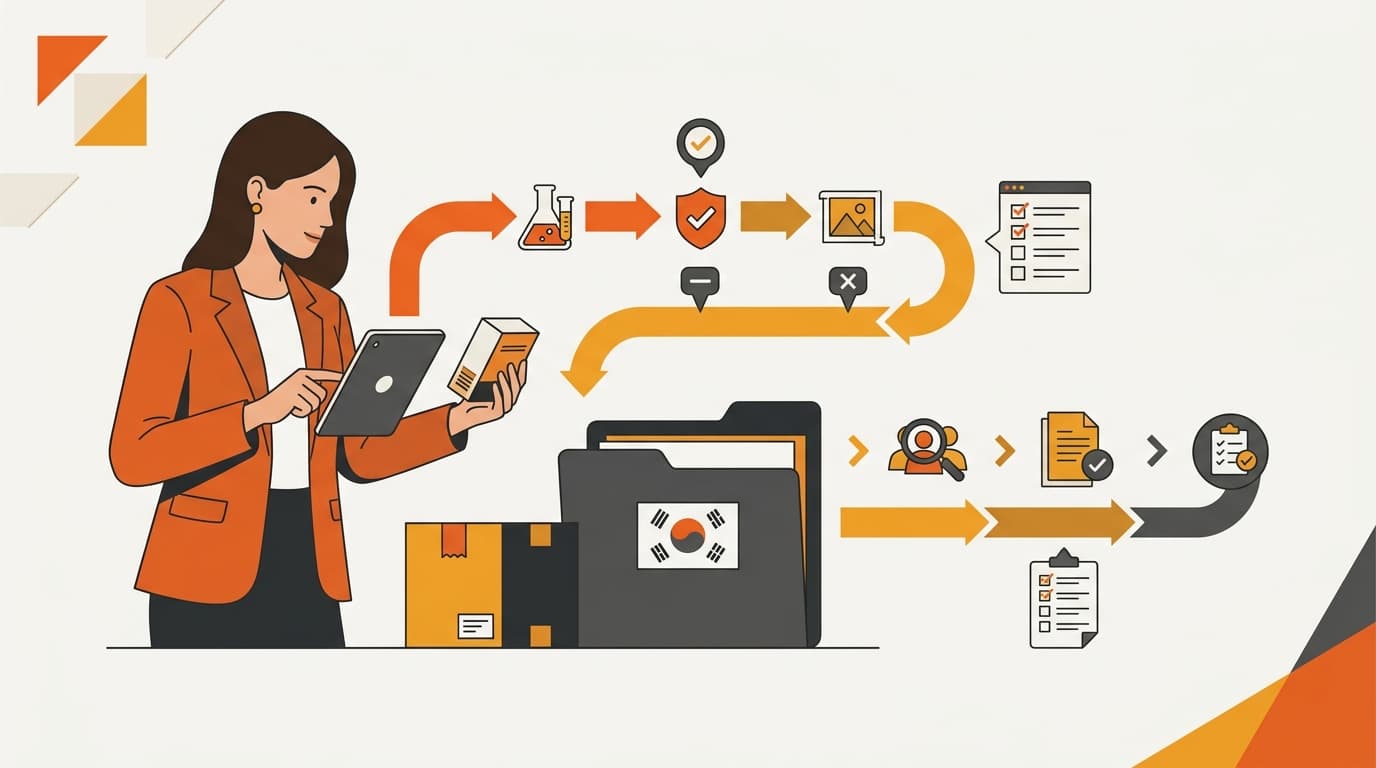
Does My Korean Importer Need a License for This Product?
A Korean importer may need a license or permit even when product documents are complete. Seller Center separates the two checks and lists what to prepare next.