Does My Korean Importer Need a License for This Product?
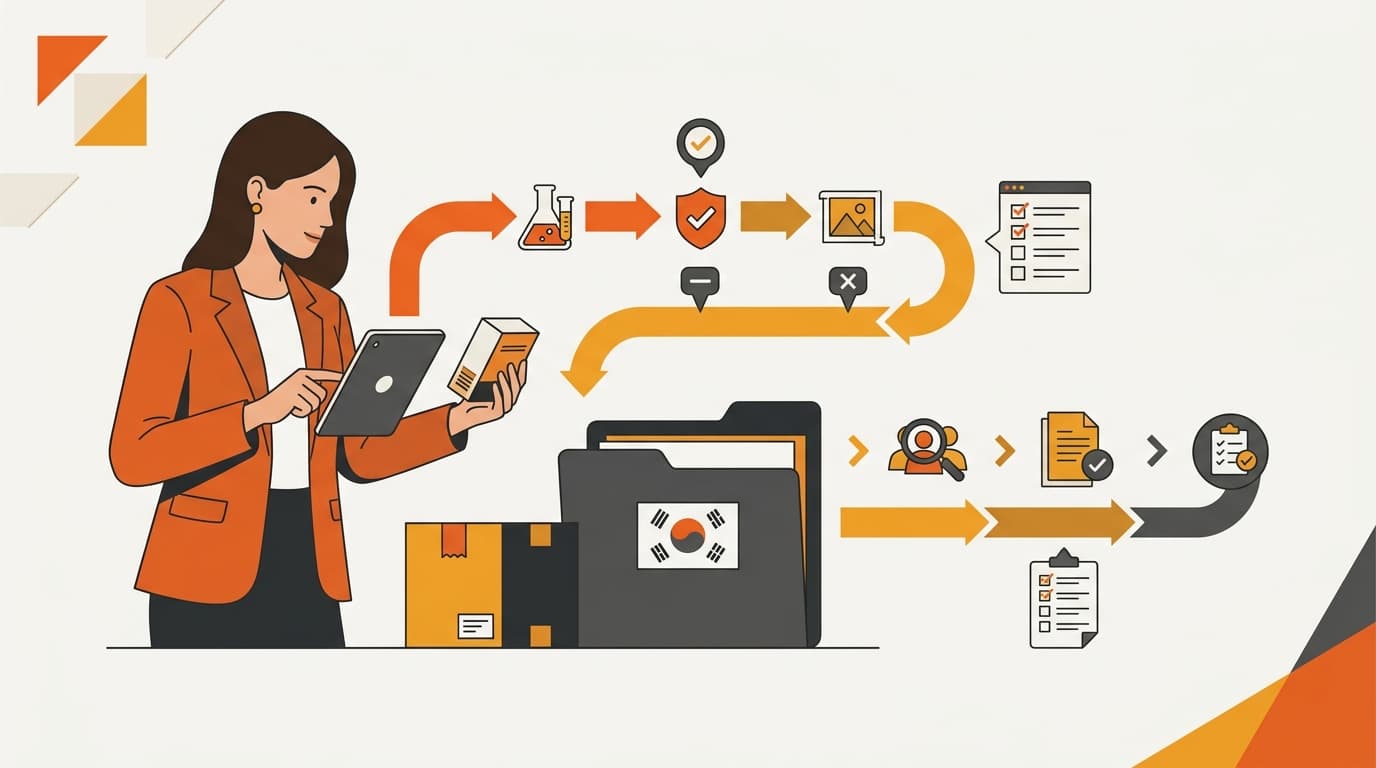
A Korean importer may need a license or permit for a product even when the product documents are complete. Before the next inbound step, check what the product needs and what the Korean entity must hold.
Imagine a Western brand preparing its next inbound shipment. It adds one new stock-keeping unit (SKU) in a regulated category and submits its product details. The result flags an additional permit for the Korean importer and lists the preparation items. The seller learns that a product document alone does not answer the importer question.
In Kontactic Seller Center, the inbound review makes that split visible for each SKU. Seller Center classifies the item by category and procedure. It separates product requirements from importer requirements, explains the result, and shows the Korean rule or source wording. The explanation is saved in English, Chinese, or Japanese.
Submit each new SKU for its own review. Similar products can still have different product details or procedures.
A product check does not answer the importer question
Product requirements follow the SKU. Importer requirements follow the entity that imports it.
Those checks answer different questions. The product check asks what must be prepared for the item. The importer check asks what the Korean entity must hold for the inbound procedure used for that item. Both can appear in one review, but they have different owners.
That difference determines the next task. A product team can finish its documents while the importer still has a named permit to prepare. The reverse can also happen: the importer has its authorization, but the SKU still needs product-side documents. A label such as “certification needed” is too broad because it does not say which team must act.
For the wider question of why importer registration does not cover every item, see Does Korean Importer Registration Cover Every Product You Sell?. This article focuses on the review for one SKU and the work it assigns next.
What the inbound review checks for each SKU
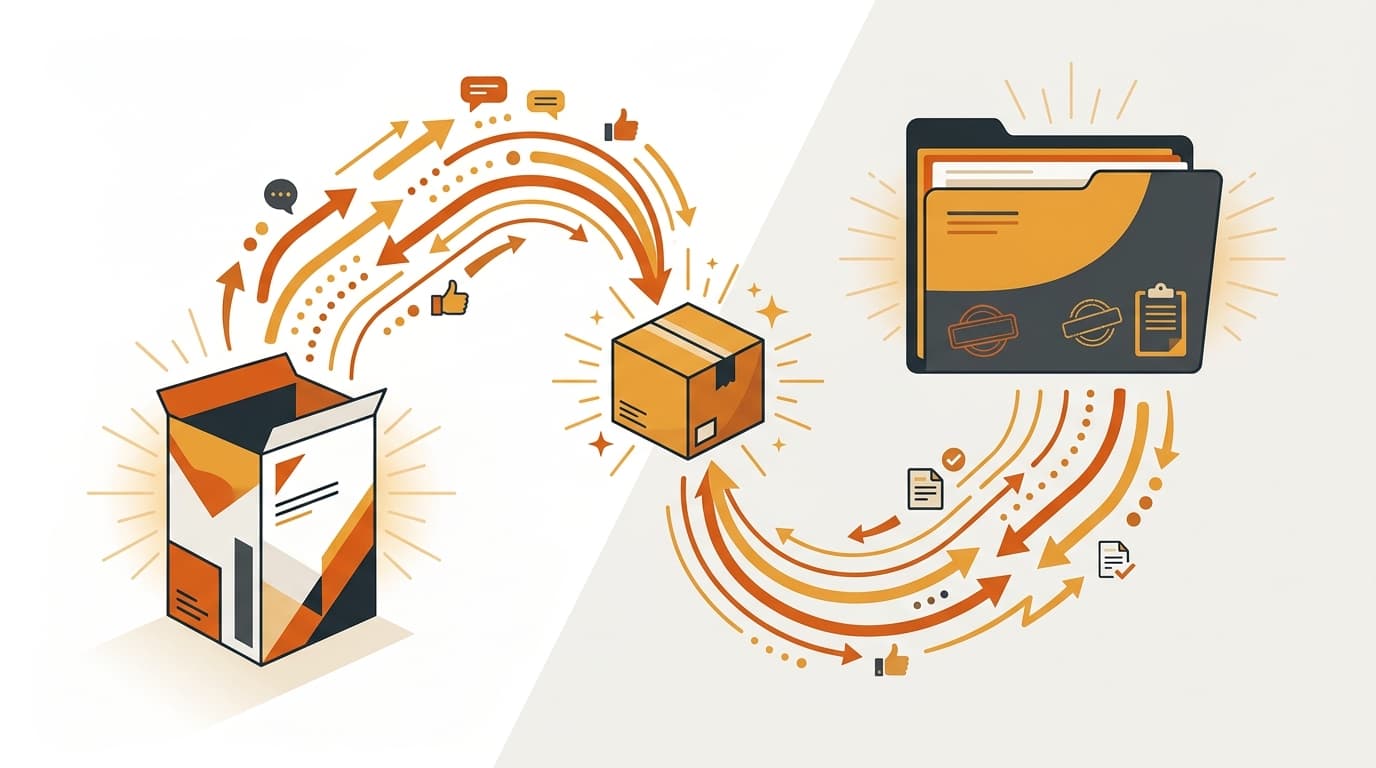
The seller starts with one SKU and its product details. Seller Center checks the SKU and the procedure used for that item. It explains why the requirement applies and keeps the Korean rule or source wording with the result.
The category and procedure connect the item to the rule that applies to it. A broad category label alone is not enough. How We Map Each SKU to the Right Korean Regulation explains the same point. The result should name the rule and procedure for this SKU, not give a general list of rules.
That output gives the seller a next action. It may list product documents, an importer-side license or permit, or both. The seller can assign each item before treating the SKU as ready for the next inbound step.
When only product documents appear, the product team follows that list. When an importer-side permit appears, the Korean importer prepares it. When both appear, both owners work from the same review.

What the result tells you to prepare next
The review gives more than the words license or permit. When an importer-level requirement applies, it names the Korean entity that must hold the license or permit and lists what to prepare next.
It does four practical things:
- It names the license or permit.
- It identifies the Korean entity that must hold it.
- It explains why it applies and shows the Korean rule or source wording.
- It lists the preparation items for the next step.
That explanation is saved in English, Chinese, or Japanese. A Western headquarters team, a Chinese-speaking operator, and a Japanese-speaking partner can review the same SKU without relying on a short translated label that hides the reason.
Use the list to assign work. The product team gathers product-side documents. The Korean importer prepares the named license or permit. The market-entry team keeps the rule wording and explanation with the SKU. The seller can see what must be ready before the next inbound step.
If the importer-side result leads to a question about who may hold the role, Who Can Legally Import Your Products Into Korea? gives broader context. The review stays focused on the SKU and the procedure behind its result.

How sellers should use the result before inbound
Use the review as a short check before the SKU moves to the next inbound action.
- Submit the SKU and its product details. Give the review the item that will actually be prepared for Korea, not only a broad category name.
- Read the named requirement and owner. Check which team must provide the document, license, or permit.
- Follow the named procedure. The category identifies the product group. The procedure and source wording explain why the requirement applies.
- Give each action to the right party. Product documents belong with the product-side owner. An importer license or permit belongs with the Korean entity that must hold it.
- Save the explanation with the SKU. Use the English, Chinese, or Japanese version that the working team can read and share.
The product team, Korean importer, and headquarters team can each see what they must prepare.
Before the next inbound step, confirm that the named owner has each item in the preparation list.
Common questions about Korean importer licenses
Does every SKU need a license held by the Korean importer?
No single rule applies to every SKU. Seller Center checks the item's category and procedure, then shows whether an importer-level license or permit applies.
What do I receive when an importer permit applies?
The review names the permit, the Korean entity that must hold it, and the items to prepare. It also gives the reason, the Korean rule or source wording, and a version in English, Chinese, or Japanese.
What if this is a new SKU from a product family we already sell?
Submit the new SKU and its product details for review. Use the result for the item and procedure being prepared, not an older SKU's result.
Does the review replace the importer-side requirement?
No. It identifies what the Korean importer must hold; it does not grant the license or permit. The importer must still complete that requirement before inbound.
Check the next SKU before inbound
Send us the product details and the Korean importer context. We can help separate the product-side work from the importer-side requirement and show what to prepare next.
About the author
Korean and global e-commerce operators with 15+ years of cross-border experience, led by CEO Isaac Lee — KOTRA-certified consultant and official lecturer for Seoul City and the Korea Customs Service. We run Korea market entry for overseas brands every day; this blog records what we learn in the field.
More about Kontactic →Related Articles
Import a Product Into Korea, But Can't Sell on Coupang?
Importing a product into Korea does not guarantee Coupang sales. Learn how SKU review separates import permission, online-sale rules, and importer permits.

What Happens After Your Korean Coupang Page Is Finished?
After your Korean Coupang page is finished, see the real page, follow the same instructions in Seller Center and email, and get reminders only if needed.

Korean Tax and Import Paperwork: What Kontactic Handles
Korean tax and import paperwork: you provide entity details, supporting documents, and import papers; Kontactic completes the local submissions for a shipment.