3PL in South Korea for US Food Brands: What Actually Matters
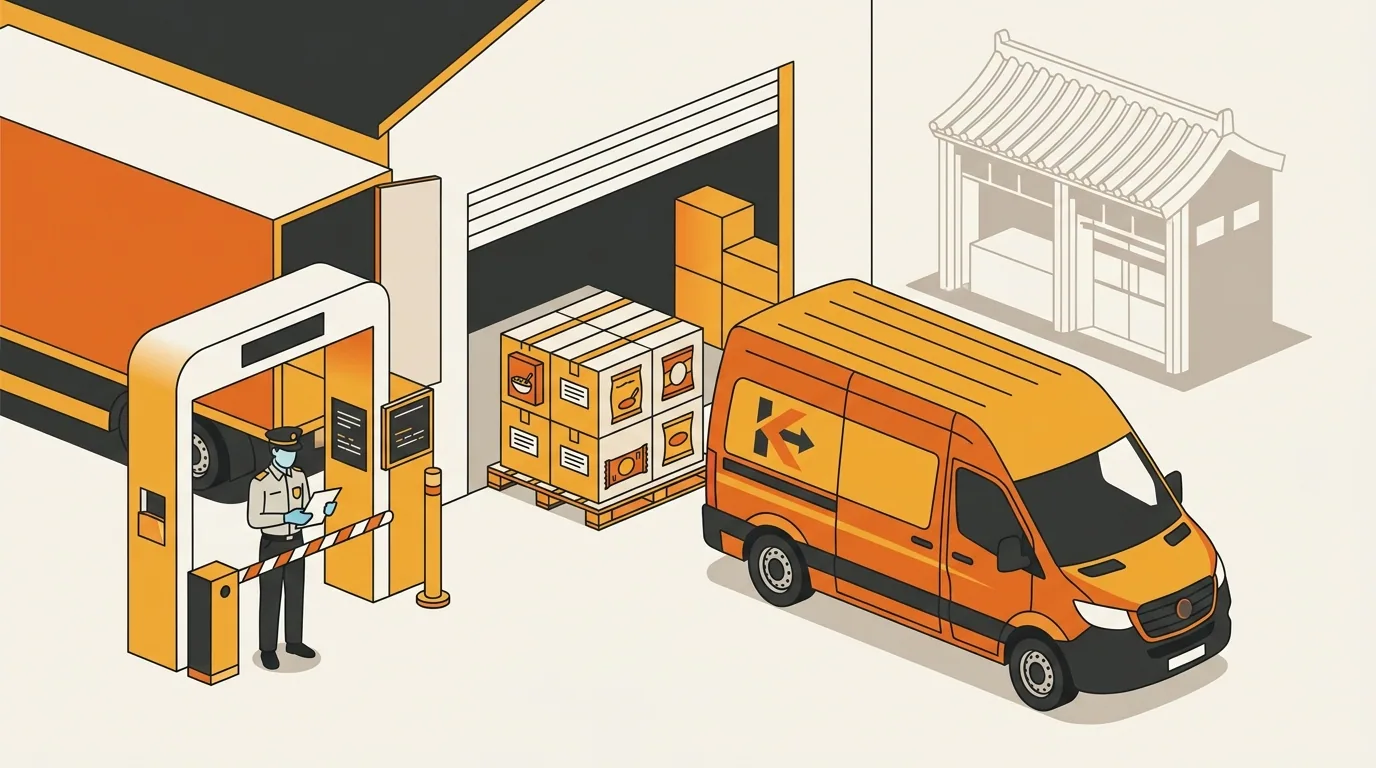
A US food brand searching for a "third party logistics provider in South Korea for imported US food products" usually wants one thing: a warehouse near Incheon that can receive a pallet, hold inventory, and ship single-unit orders to Korean consumers. The short answer is that any large Korean 3PL — CJ Logistics, Nippon Express Korea, Mitsui-Soko, Rhenus — can technically do that. The harder answer is that for imported US food, the 3PL is rarely the part that determines whether you sell anything.
What gates US food going local in Korea sits upstream of the warehouse (MFDS food import registration, customs handling, a Korean Importer of Record) and downstream of it (Coupang or Naver listing, a Korean Product Detail Page, customer service in Korean). A 3PL contract on its own does not produce orders. This guide walks through what actually matters when you scope this, and which parts you can do fast versus which parts require full local infrastructure.
What the search "3PL in Korea" really means for US food
Brands typing this search usually fall into one of two buckets.
The first is brands that already have a Korean entity and just need a fulfillment partner. For them, the question is operational: which 3PL has temperature control where needed, integrates with Coupang's Rocket Growth (로켓그로스) handoff, and can handle the SKU mix. CJ Logistics, Nippon Express, and Mitsui-Soko all run this work in Korea. So does Coupang itself through Rocket Growth, which is often the better answer because the inventory sits inside the channel that's going to sell it.
The second bucket is brands that have not yet entered Korea at all but think a 3PL is the first vendor to hire. In our experience, that sequencing is backwards. Before any warehouse can receive your goods, someone has to be the Importer of Record (수입자), someone has to be the Seller of Record (판매자) on Coupang or Naver, and your food product has to clear the Ministry of Food and Drug Safety (식품의약품안전처, MFDS) import process. A 3PL does none of that.
If you're in the second bucket, the practical starting point is the realistic 6–10 month timeline for a US food brand entering Korea, not a warehouse RFP.
What MFDS food import registration actually requires
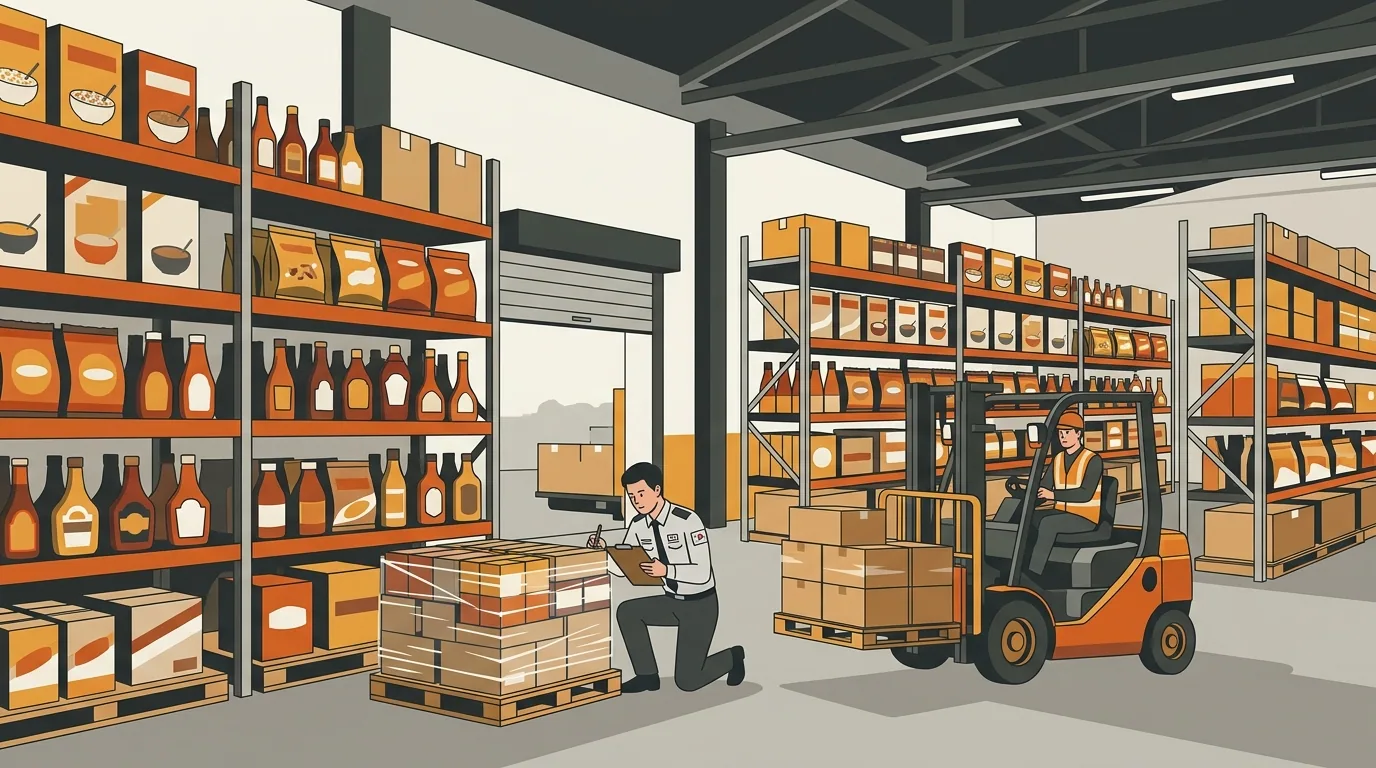
Imported food into Korea is a licensed category, not a regular one. Before a single unit moves through your 3PL, the food import side has to be cleared:
- Importer registration. The Korean entity acting as importer has to be registered as a food importer (수입식품등 수입판매업) with the local MFDS office.
- Product registration (품목 사전 신고). Each SKU needs a product-level pre-import declaration. Ingredients, additives, manufacturing process, and Korean-language label artwork all get reviewed.
- Per-shipment import declaration (수입신고). Every shipment files a separate import declaration. Depending on category and history, the lot may go to documentary, sensory, lab, or random inspection. First-time imports are usually held for lab testing.
- Korean labeling. Korean-language ingredient lists, allergen warnings, nutrition facts in the Korean format, and importer information have to be affixed before customs release. Most brands handle this through a labeling vendor at the bonded warehouse — but the artwork itself is the importer's responsibility.
None of this is the 3PL's job. For a fuller look at what foreign brands actually have to register, see our breakdown of importing food and hygiene products into Korea.
In practice, this is where US food brands lose the most time. A protein bar with a niacinamide-style fortification, a sauce with an unusual preservative, or a snack with a "natural flavor" line on the US label can all trigger extra MFDS questions. We've seen first imports of a clean-label US snack take 3–4 weeks longer than the brand's project plan, purely because the ingredient narrative had to be rewritten for Korean review.
The 3PL part — what to actually evaluate
Once you have a Korean entity, MFDS registration, and KC-equivalent food clearance in motion, you can scope the 3PL itself. For imported US food, the realistic options are:
- Coupang Rocket Growth (로켓그로스). Coupang's own third-party logistics service — warehousing, delivery, and returns processing, all inside the Coupang fulfillment network. This is the default choice if Coupang will be your primary channel. The economics, the delivery promise (Rocket Delivery), and the returns flow all live inside one system.
- A classical Korean 3PL — CJ Logistics, Nippon Express Korea, Mitsui-Soko, Rhenus, Samskip for cold-chain. These work when you have multi-channel needs (Coupang plus Naver SmartStore plus your own DTC site), or when ambient/temperature requirements don't fit Rocket Growth.
- A hybrid — a portion of inventory in Rocket Growth for Coupang velocity, a portion in a classical 3PL as a master reserve and for other channels.
If you're still picking between these, our guide on how to choose a 3PL in Korea as a small European brand lays out the criteria — they translate cleanly to US food. And our analysis of how Coupang IoR and 3PL change your Korea margins covers the unit economics shift when you move from cross-border to local fulfillment.
For most US food brands selling on Coupang first, Rocket Growth is the right starting answer. Put a master pallet at a classical 3PL only when you have a real second channel or a temperature requirement Rocket Growth doesn't serve.
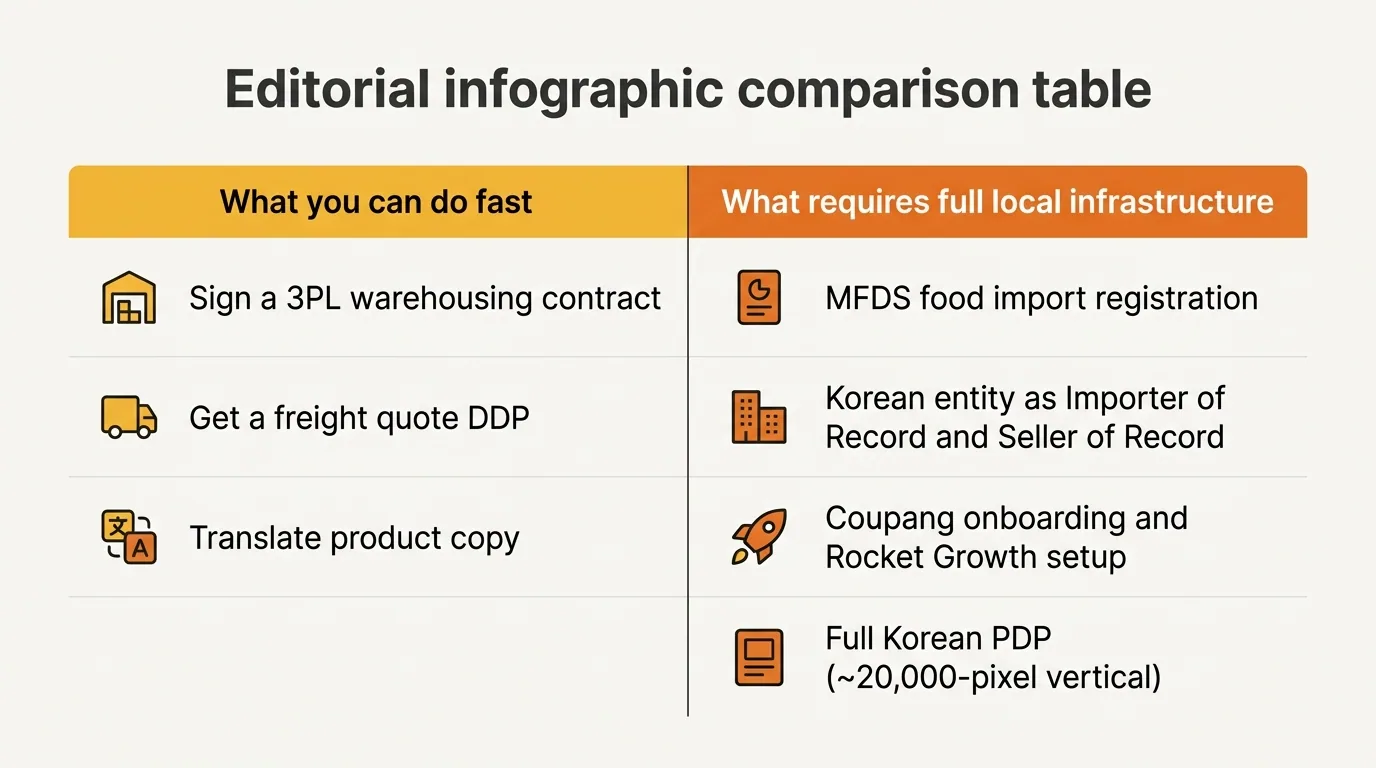
What you can do fast vs. what needs full local infrastructure
A useful way to scope this is to separate tasks by how much Korean infrastructure they actually require.
What you can do fast — within weeks, before any local entity exists:
- Sign a 3PL warehousing contract (most large Korean 3PLs will sign with a foreign entity).
- Get a freight quote DDP from your US origin to a Korean bonded warehouse.
- Translate product copy and brief a designer on Korean PDP direction.
What requires full local infrastructure — these need a Korean entity, a Korean bank account, and Korean-resident points of contact:
- MFDS food import registration.
- Korean entity as Importer of Record and Seller of Record.
- Coupang onboarding and Rocket Growth setup.
- Full Korean PDP (~20,000-pixel vertical) hosted on Coupang.
The reason this split matters: brands that focus only on the "fast" list spend money on a warehouse that has nothing to sell into. Brands that sequence the "infrastructure" list first don't have idle inventory burning storage fees while clearance drags.
We've written before about how foreign brands often burn ad budget before their local operations can convert it. The same logic applies to warehousing.
The Korean PDP and launch sequencing — where conversion actually happens
This is the part most 3PL-shopping guides skip, and it matters more than the warehouse selection.
A Korean Product Detail Page on Coupang isn't a US-style product page translated. It's a full-length vertical visual page — roughly 20,000 pixels tall — designed for Korean mobile scrolling. Hero banner. Lifestyle photography in a Korean context. Ingredient callouts with Korean food-grammar cues. Comparison tables. Reviews block. Certification badges (organic, non-GMO, MFDS lot numbers). Usage suggestions for Korean kitchens.
For US food specifically:
- Portion and serving translation. Convert US serving sizes to Korean expectations (Korean nutrition labels use a different reference). A "12 oz bottle" means almost nothing to a Korean shopper — show "약 354ml" and a hand-held photo for scale.
- Recipe and use-case imagery. US recipe contexts (a deli sandwich, Thanksgiving sides) don't sell. Show the product in a Korean kitchen with Korean side dishes. This is where most US food brands undershoot.
- Trust signals. Korean shoppers expect explicit MFDS clearance language, manufacturing origin, and expiration handling. Make these graphic, not text-buried.
The PDP isn't bundled into a 3PL contract anywhere. It's a separate deliverable — typically a one-time graphic and rich-media production cost, then refreshed seasonally.

Once the PDP is live, the order in which you turn things on determines whether the first three months of fulfillment are profitable or just expensive. A workable sequence for a US food brand:
- Inventory arrives and clears MFDS lab inspection. Until you have a customs-released SKU and a stocked 3PL location (Rocket Growth or otherwise), there's nothing to advertise.
- PDP goes live with the listing. Don't run ads to a placeholder page. A weak PDP buys you a poor CTR-to-conversion ratio that lingers in Coupang's ranking signals.
- Organic review seeding. Run a small first wave of organic orders — sampling, micro-influencer seeding, internal team purchases — to build a review base before paid traffic. Coupang's ranking responds heavily to early review velocity.
- Paid Coupang ads at low spend. Begin with Coupang Ads (Coupang's on-platform CPC), not external channels. The conversion path is shortest and the data is cleanest.
- External channels. Naver SmartStore listing, Naver Shopping ads, and only then off-platform performance marketing.
“The 3PL question is usually the easiest part of a Korea entry for US food. What separates brands that scale from brands that stall is whether the operations around the warehouse — MFDS, PDP, Coupang readiness — were sequenced before the inventory landed.”
Isaac Lee — CEO, Kontactic
So — do you need a 3PL, or a Korean operator?
For most US food brands at the search stage, the honest answer is: you don't need a 3PL yet. You need a Korean entity, an Importer of Record, MFDS registration in motion, a Coupang account, and a Korean PDP brief. The 3PL itself — whether it's Rocket Growth or a classical Korean 3PL — is a 1-week decision that you make after those other pieces are in place.
A few operational tradeoffs that come up across US food brands once they're actually selling are worth scoping into that decision:
- Returns of food are messy. Korean consumer returns under Coupang Rocket Growth include returns of food items that are technically unsellable on receipt. Build the cost of disposal into your unit economics, not just the return shipping fee.
- Expiration windows tighten. Korean retailers typically reject inventory with less than ~1/3 shelf life remaining. Your US production batching has to align — first import lots with 9-month shelf life often arrive with 6 months left after sea freight and lab hold.
- Settlement is slower than US sellers expect. Coupang's default settlement is on the 20th business day of the month following the sale — close to 60 calendar days. Plan working capital accordingly.
- Cold chain is a separate decision. Refrigerated/frozen food doesn't fit standard Rocket Growth flows the same way. If your product needs cold chain, scope a cold-chain-capable 3PL (Samskip, certain CJ Logistics facilities) before committing to a channel.
The brands that get this right treat the 3PL question as a downstream choice. The brands that struggle treat it as the first vendor signature and discover, three months later, that the warehouse is full and nothing is moving.
Scoping a Korean fulfillment setup for US food?
We help US food brands sequence MFDS registration, Coupang onboarding, Korean PDP, and 3PL selection as a single operation rather than four vendor problems. Contact Kontactic to scope your entry.
About the author
Korean and global e-commerce operators with 15+ years of cross-border experience, led by CEO Isaac Lee — KOTRA-certified consultant and official lecturer for Seoul City and the Korea Customs Service. We run Korea market entry for Western brands every day; this blog documents what we learn in the field.
More about Kontactic →Related Articles
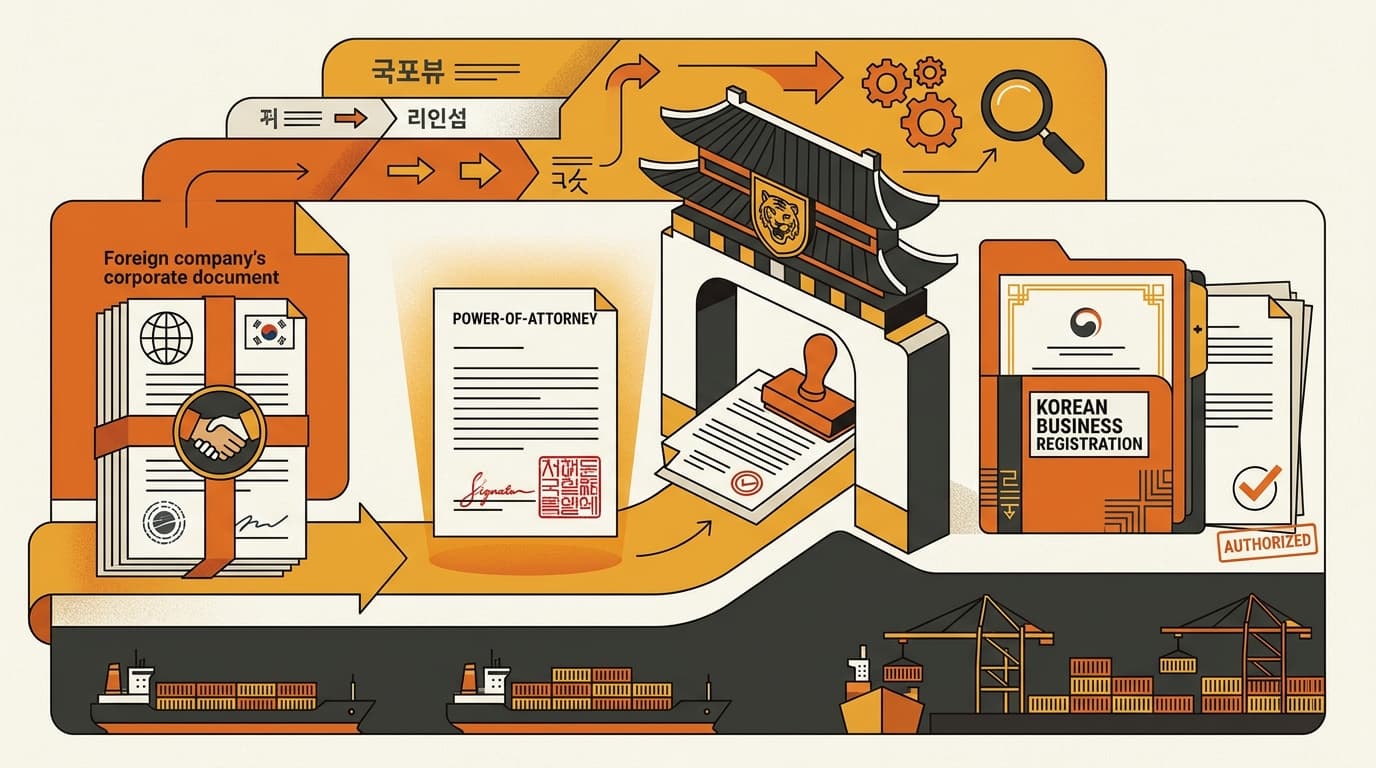
Korean Importer Registration: Why a POA Is Not Enough
A power of attorney cannot establish Korean importer registration; corporate-authority proof and Korean importer records are still required for the filing.
Can You Delay Korea Import Duty on Consignment Stock?
No. Korea import duty and import VAT are normally assessed when consignment stock is cleared for domestic circulation, not when a Korean customer buys one unit.

Children’s Product KC: Does “Ages 13+” Avoid the Rules?
No. In Korea, “Ages 13+” is only one factor; design, intended use, packaging, and child-directed marketing can still trigger children’s-product KC rules.