
Why Mardi Mercredi Joined Coupang: A K-Fashion Signal
In April 2026, Korean fashion brand Mardi Mercredi — the flower-logo label operated by PeacePiece Studio (피스피스스튜디오) — quietly went live on Coupang. Two and a half years earlier, founder Park Hwa-mok had publicly refused the same platform, citing concerns about brand-mood control and counterfeit handling. The reversal isn't a scandal. It's a signal about what happens when a designer-led K-fashion brand hits the ceiling of its original distribution model.
For foreign brands evaluating Korea, this case clarifies a question that most market-entry decks skip: which platform fits your brand. Equally important is what that platform will do for you in return.
What Mardi Mercredi said in 2023, and why it mattered
In an October 2023 Outstanding interview, Park said the brand wouldn't list on stores it couldn't control the mood of, and that Coupang specifically had been the target of internal frustration over poor counterfeit policing. At that point, Mardi Mercredi's editorial position was clear: "we don't do things that aren't cool." Refusing Coupang was, in that framing, brand protection — the assumption being that uncontrolled distribution dilutes equity faster than it adds revenue.
That position held through the brand's rise. Then growth slowed.
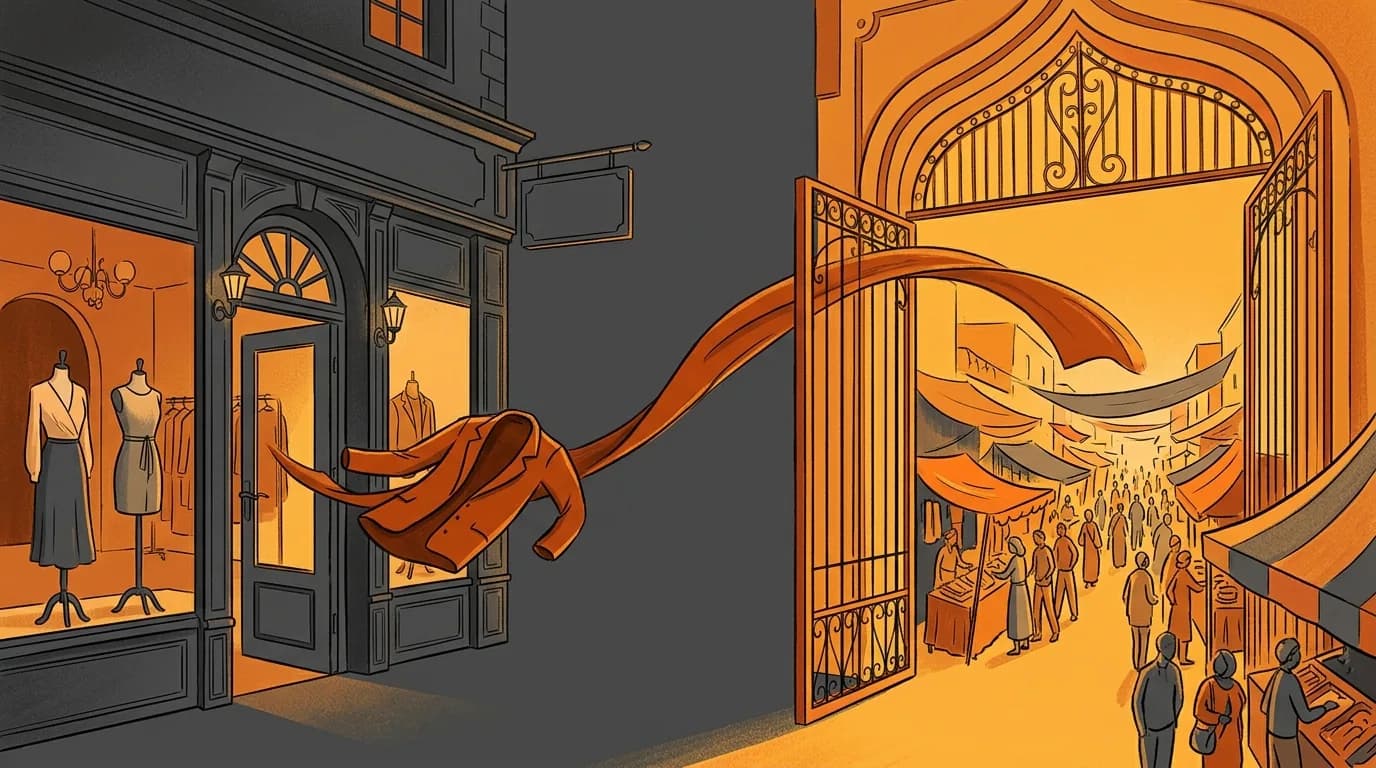
The numbers that forced the decision
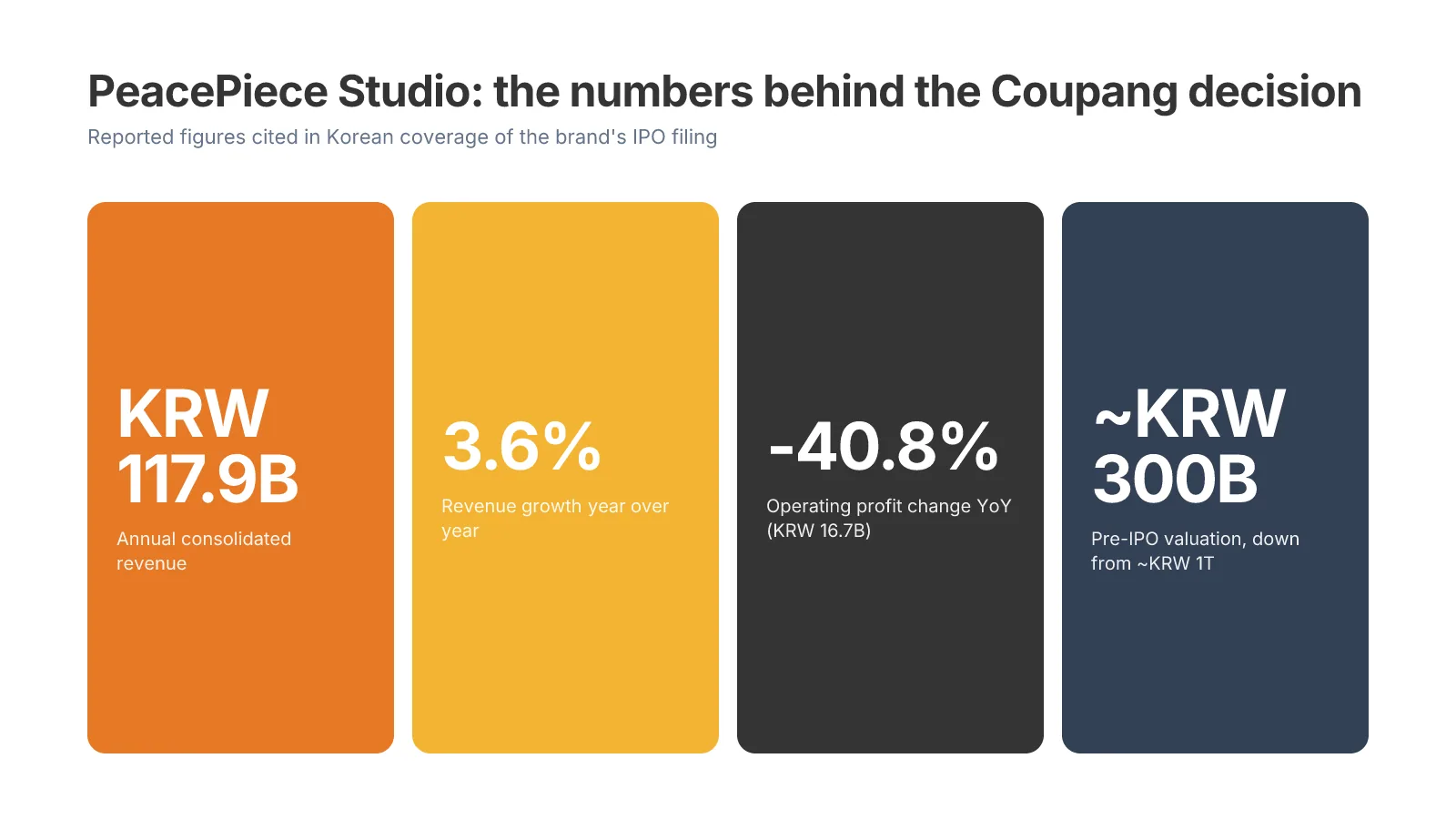
PeacePiece Studio is targeting a KOSDAQ listing in early June 2026. Korean coverage of the filing has flagged two things: a sharp valuation reset, and a flat operating year underneath it.
The headline figures. Annual consolidated revenue came in at KRW 117.9B with growth of just 3.6%. Operating profit was KRW 16.7B, down 40.8% year over year. The pre-IPO valuation — once discussed at around KRW 1 trillion — has been revised to roughly KRW 300B.
Category extensions into athleisure, kids, and shoes were attempted. Overseas expansion was attempted. Both delivered limited results. More damaging, the core women's line — the engine of the brand — contracted. When that happens, you can no longer grow on the existing surface area, and equity-story conversations with bankers shift from narrative to numbers.
Coupang, in that context, becomes a math decision rather than a brand decision. Listing there is the fastest available lever for top-line growth that doesn't require a new product launch, a new market, or a new category. It's a strategic concession to the IPO calendar.
Why K-fashion doesn't scale like K-beauty
This case also clarifies a pattern foreign operators sometimes miss: K-fashion and K-beauty look similar from outside Korea, but they scale very differently.
K-beauty grows on repeat purchase and durable hero SKUs. A serum that converts at 8% can be re-merchandised across years and across markets, and the underlying logic is closer to consumer packaged goods than to apparel. K-fashion is closer to a hit-driven business — film, drama, music. Success depends heavily on gamdo (감도), a sensibility that's hard to measure, harder to franchise, and almost impossible to keep stable as you push past KRW 100B in domestic revenue.
In practice, the Korean fashion brands that approach KRW 1 trillion in domestic revenue — Uniqlo being the obvious reference — tend to converge on a basic, low-sensibility concept. Sensibility doesn't scale linearly. Volume scales by stripping it out. Designer-led brands that try to keep the sensibility and hit trillion-won revenue almost always have to expand abroad, where convincing a foreign consumer to become a fan is materially harder than converting a domestic one.
That's the corner Mardi Mercredi found itself in: too premium for low-sensibility scale, too dependent on domestic cultural pull to crack overseas at the pace the IPO needed.
If you're a foreign brand watching this, the inverse is also useful. Western premium brands entering Korea have a structural advantage Korean designers don't — they're already foreign, already aspirational, and Korean consumers actively seek out Western product. See our analysis of why Korean consumers pay premium for foreign brands and why cross-border orders understate your Korea opportunity.
The platform side of the story
The piece of this story that gets less coverage is the platform's problem.
A platform that wants to grow with brands is also responsible for proving the brands can grow inside it. Musinsa, the dominant fashion-first platform in Korea, has to demonstrate that a label can reach hundreds of billions of won in revenue without needing to defect — to Coupang, to Naver, or to its own DTC channels. When Mardi Mercredi lists on Coupang, or when Matin Kim moves into Naver's orbit, the message to other Musinsa brands is that the ceiling inside the ecosystem is real.
Conversely, general marketplaces like Coupang and Naver have to build environments that don't undermine brand identity. Mardi Mercredi's 2023 concern was specific: counterfeit listings degrade the experience faster than retail expansion adds it. If a brand lists, sees its image diluted, and quietly leaves, the marketplace is worse off than if the brand had never come in.
“A platform that wants brands to grow inside it has to prove the ceiling is high enough — otherwise every successful brand eventually leaves.”
Kontactic editorial — Commerce Trends
For foreign brands choosing a Korean entry channel, the implication is practical. The decision isn't only "where do my customers shop." It's also "which platform is currently fighting hardest for my category, and what are they willing to do for a brand that lists with them."
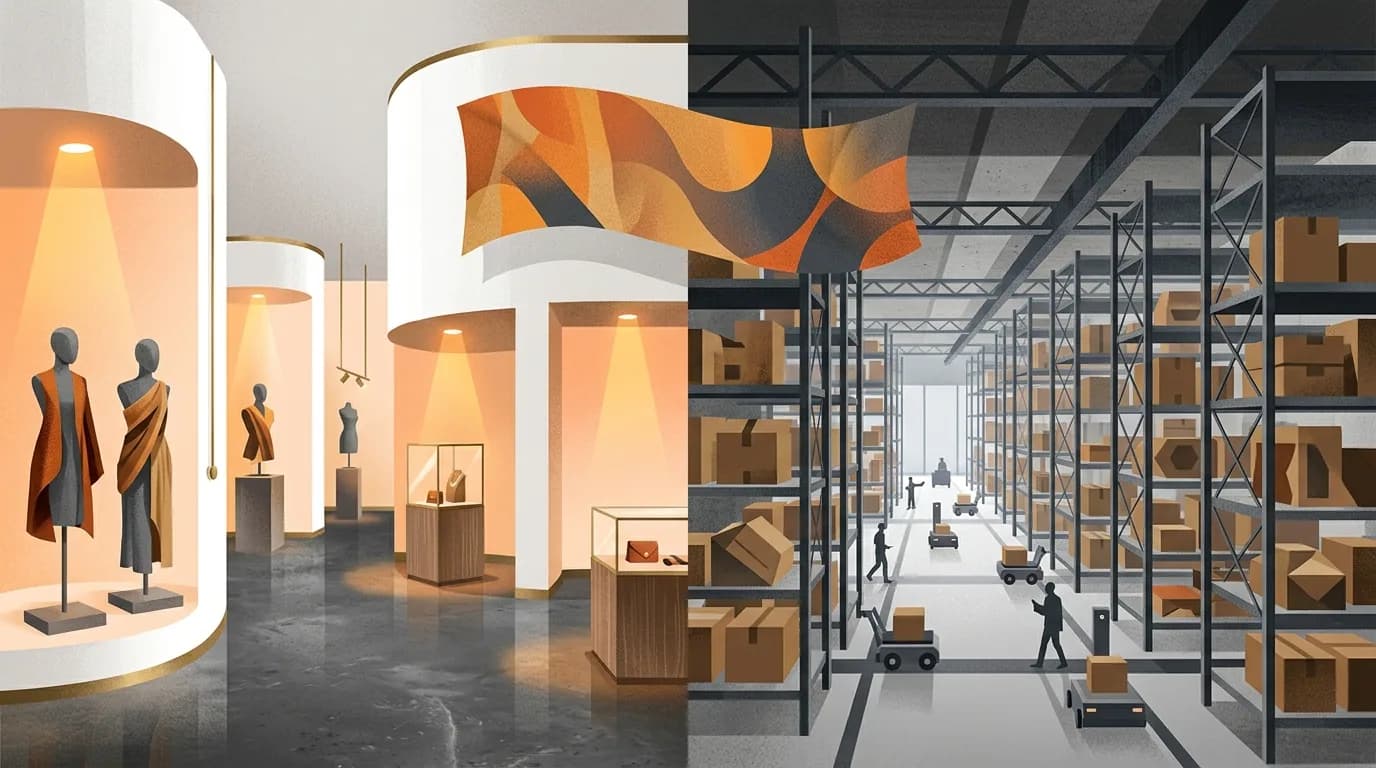
What this means if you're a Western brand looking at Korea
Founders evaluating Korea right now should note four things from this case:
- Platform choice is not just about reach. Coupang has the largest cross-category audience in Korea, but a designer-led brand that lists without a Korean PDP, without basic brand-mood control, and without active counterfeit monitoring will replicate Mardi Mercredi's 2023 fear. Reach without environment is a slow leak.
- Don't confuse Korean brand fatigue with foreign-brand fatigue. Mardi Mercredi's plateau is partly a sensibility-scale problem unique to domestic Korean fashion. If you're an established Western brand with proven cross-border demand into Korea, your scaling logic is closer to K-beauty than to K-fashion.
- Sequence operations before scale. The Mardi Mercredi listing only works if the operations behind it — Korean PDPs, Rocket Growth fulfillment, returns handling — are in place before the volume arrives. See a founder's note on operational readiness before ad spend for the sequencing risk.
- Choose between Rocket Growth and cross-border deliberately. A premium foreign brand sometimes does its best early work on cross-border before going local — see our framework on Rocket Growth vs. cross-border and how to read the Korean market through high-engagement user data for the underlying decision logic.
Common questions
Did Mardi Mercredi fail? No. The brand grew, IPO'd into the public conversation, and remains one of the more recognizable K-fashion labels of its generation. What it ran into is the standard ceiling of designer-led domestic fashion in Korea — a structural issue, not an execution one.
Does this mean Coupang is now a fashion platform? Coupang has been broadening across categories for years. The Mardi Mercredi listing is a signal that even brands that defined themselves against Coupang can be moved by IPO timing and revenue pressure. It is not a signal that Coupang has solved fashion's brand-environment problem.
Should a foreign fashion brand list on Coupang first? It depends on category, price point, and existing demand. Most foreign apparel brands we work with begin with a single channel they can fully control operationally and expand from there — see how to sell on Coupang as a foreign brand for the channel-by-channel detail.
Thinking about Coupang for your brand?
If you're a foreign brand weighing Coupang against Naver, Musinsa, or cross-border, talk to Kontactic. We'll walk through the operational and platform-fit decisions before you commit.
About the author
Korean and global e-commerce operators with 15+ years of cross-border experience, led by CEO Isaac Lee — KOTRA-certified consultant and official lecturer for Seoul City and the Korea Customs Service. We run Korea market entry for overseas brands every day; this blog records what we learn in the field.
Meet the Kontactic team →Related Articles
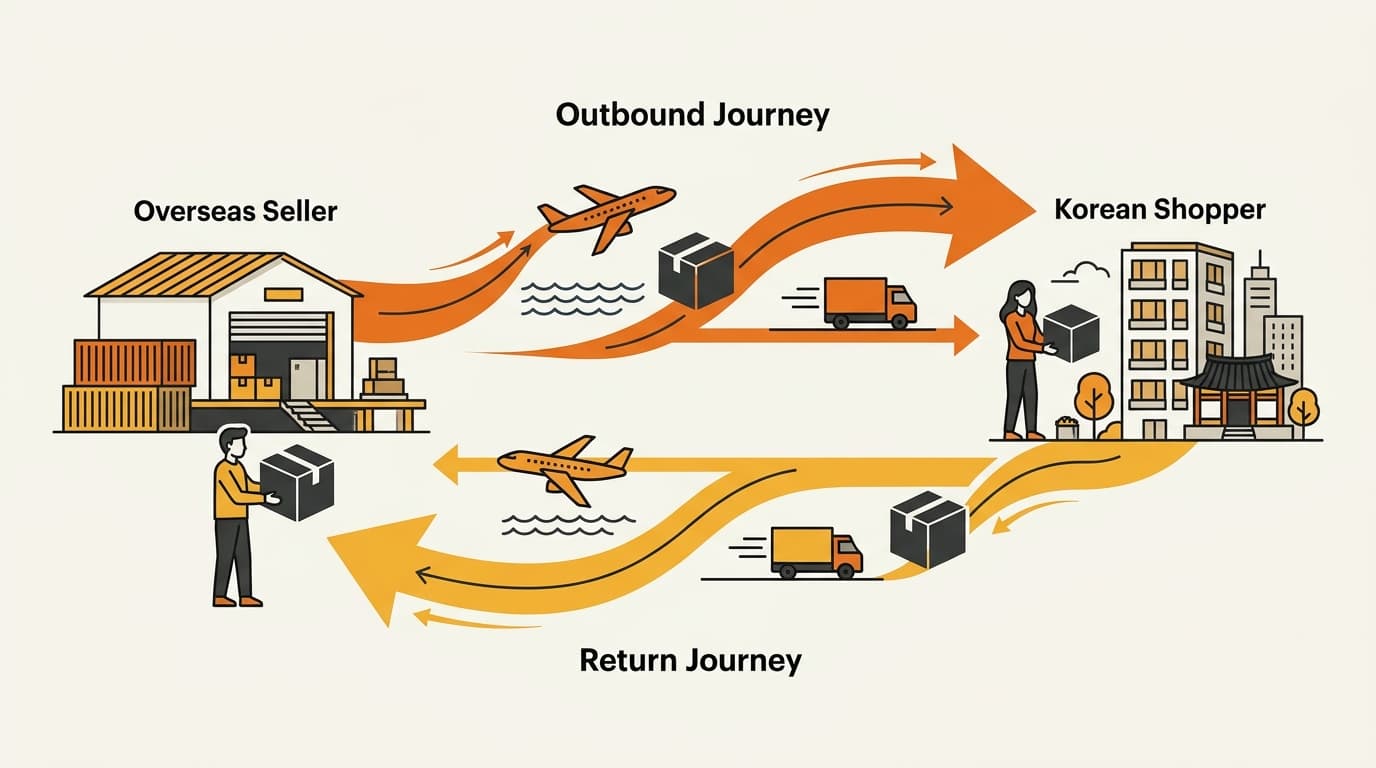
Can Coupang Buyers Pay Two Charges With Free Shipping?
On Coupang, free shipping can still leave the buyer paying two return charges: the original delivery cost and the cost of sending the parcel back to the seller.
Coupang Product IDs: One ID Cannot Cover Every Variant
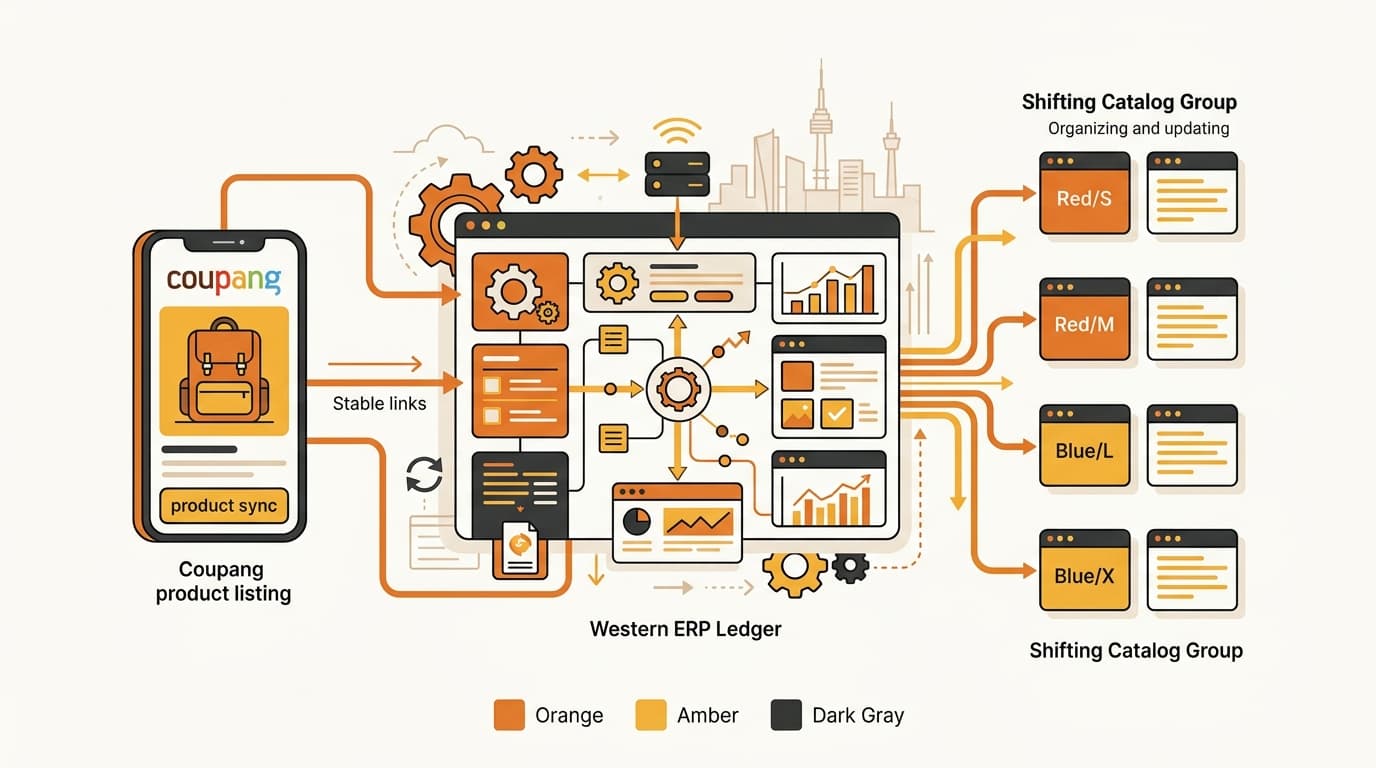
One Coupang product ID cannot cover every ERP variant; keep your brand SKU as the main key and map listing, option, edit, and order values to each SKU.

Coupang Rocket Growth Stock: Can an ERP Set It via API?
An ERP cannot set Coupang Rocket Growth stock through the Open API; replenishment starts when Coupang physically receives a new inbound shipment of stock.