
Korean Product Approval: Why a SKU Needs It and What to Do
Yes. For each SKU you submit, Kontactic Seller Center can show the Korean procedure that applies, cite the Korean legal clause and source wording behind it, and give preparation steps in English, Chinese, or Japanese. It saves the result with its review date, so you can recheck only changed SKUs later.
A new variation should not restart the whole review
A brand has a product range that has already been checked for Korea. It adds one new variation before the next shipment. The team selects that new SKU, submits its product information, and asks Seller Center to check it.
The team does not need to send the whole range again just because one product changed. The new result explains whether that SKU needs a certification or verification procedure. If it does, the result gives the reason and the preparation steps to complete before shipment.
The other products keep their saved results and review dates. The new variation gets its own answer. This gives the seller a practical way to manage a growing catalog: check the product that changed, then keep the earlier results for products that did not.
A Korean product check is tied to the SKU you submit. It is not a single yes-or-no answer for every product in a brand's catalog.

The result names the Korean process, not just pass or fail
The useful answer is more specific than “approved” or “not approved.” For each submitted SKU, Seller Center returns a named result, such as a certification or verification procedure that is needed.
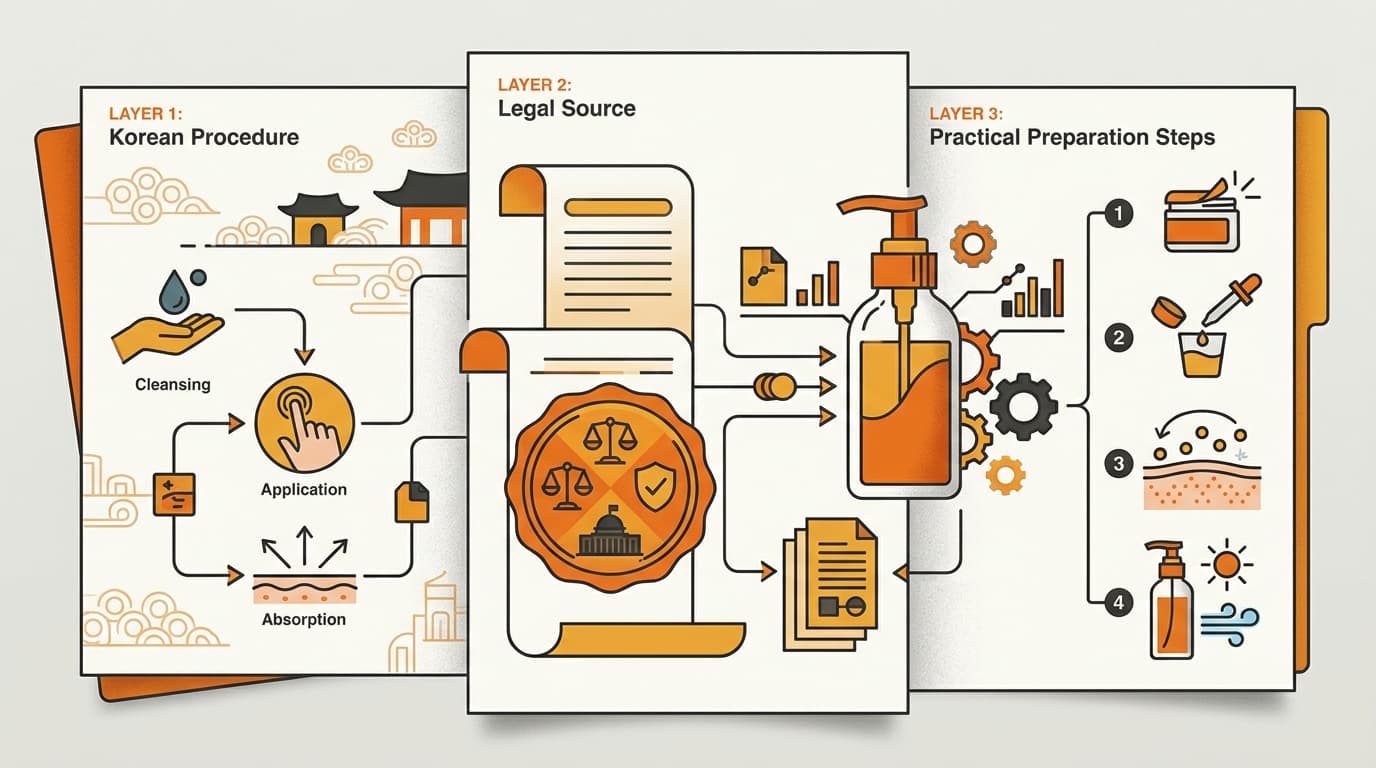
The result shows four parts of the answer:
- the relevant Korean procedure;
- the Korean legal clause connected to that procedure;
- the source wording used to reach the result; and
- the preparation instructions for the seller.
This changes the question HQ has to answer. Instead of asking a local team, “Does this product need approval?” and receiving a short label, HQ can see what Korean process was identified and why it was identified.
The cited clause gives the result a clear legal reference. The source wording shows the basis used for the check. The preparation instructions then turn that answer into work the launch team can plan before the product ships.
People often use “Korean product approval” as a short way to describe this question. The actual result may refer to certification, verification, or another named procedure. Reading the named result matters because it tells you what kind of Korean review the SKU needs.
Treat the result as an answer for the submitted SKU. It is not a blanket answer for every future variation. If the product changes later, the changed SKU can be checked again.
HQ can read the reason without translating the Korean result
A Korean legal answer is difficult to use when the brand's decision makers cannot read Korean. Seller Center makes the explanation and preparation instructions available in English, Chinese, or Japanese.
This means a Western brand's HQ can review the result in English. A Chinese-speaking team can use the Chinese version. A Japanese-speaking team can use the Japanese version. Each team can read the reason for the result and the next preparation step without translating the Korean explanation itself.
The record still identifies the Korean legal clause and keeps the source wording used for the decision. The language option changes how the explanation and instructions are presented. It does not change the Korean procedure identified for the SKU.
For the seller, this removes a common delay. HQ does not have to wait for a local team to summarize an unexplained answer. The local team does not have to rebuild the explanation in a separate email. Both sides can discuss the same SKU, the same cited basis, and the same preparation work.
That is especially useful when HQ approves a launch range from outside Korea. The person making the decision can ask a direct question: What does this SKU need, why does it need it, and what must we prepare before shipment? The saved result provides those points in a language the decision maker can use.
Recheck only the SKUs that changed
Seller Center saves each result with the review date. That date tells the team when the SKU was checked and gives HQ a clear time marker when it reviews the launch file.
When a product range changes, the team can select the products that need a new check. It does not have to repeat the full catalog review when only some SKUs changed.
The process is simple:
- Keep the saved results for the products that were already checked.
- Identify the SKU with the new product information.
- Submit that SKU for a new check.
- Read the new named result, cited clause, source wording, and preparation instructions.
- Complete the preparation work before shipping that SKU.
Return to the example of the new variation. The brand selects that SKU alone. The new result explains the reason for any new requirement and tells the team what to prepare. HQ can then decide whether the variation is ready for the next step, while the unchanged products keep their earlier results.
The saved date is not a promise that every future version of a product will follow the same answer. It is a record of when that SKU was reviewed. If the product information changes, use the changed SKU as the starting point for a new check.
Before shipment, read the preparation instructions for the exact SKU you plan to send. If that product changes later, select the changed SKU for a new check instead of relying on an older result.

What changes for the seller's launch decision
The seller receives more than a label. The check gives the launch team a short chain of answers it can use:
- What Korean process applies? The result names the certification, verification, or other procedure identified for the SKU.
- Why does it apply? The result cites the Korean legal clause and shows the source wording used to reach it.
- What should the team do next? The preparation instructions show the work to complete before shipment.
- Which products need another check? The team selects changed SKUs rather than repeating an unchanged catalog.
This helps HQ review a Korea launch without knowing Korean. It also gives the local team a shared reference when it prepares the product. The seller can move from an unexplained “approval needed” message to a result that names the process, shows its basis, and gives a next step.
The seller still needs to submit accurate product information for the SKUs it wants checked. The feature does not make the product decision for HQ. It gives HQ a clear explanation to review and gives the launch team a concrete preparation list to follow.
For a catalog with frequent changes, this matters as much as the first check. A new variation can be handled as a new SKU question. The team does not have to lose the work already done for the products that stayed the same.
Common questions
Does the check return only a yes-or-no answer?
No. It returns a named result, such as a certification or verification procedure needed for the submitted SKU. It also shows the relevant Korean legal clause, the source wording used, and preparation instructions.
Does HQ need to read Korean?
No. The explanation and preparation instructions are available in English, Chinese, or Japanese. The record still identifies the Korean clause and source wording behind the result.
Do we need to submit the full catalog?
Submit the product information for the SKUs you want checked. When only some products change, select those SKUs for a new check instead of repeating the full catalog.
What happens if a new variation creates a new requirement?
The new SKU receives its own result. The result explains the reason for the requirement and gives the steps to prepare before shipment.
What does the saved review date tell us?
It tells you when that SKU was reviewed. It does not turn the result into a permanent answer for every future variation. If the product changes, use the changed SKU for a new check.
Bring your Korea SKUs into a clear review
Send us the products you want checked, and discuss how to give HQ a cited explanation and preparation steps in a language your team can use.
About the author
Korean and global e-commerce operators with 15+ years of cross-border experience, led by CEO Isaac Lee — KOTRA-certified consultant and official lecturer for Seoul City and the Korea Customs Service. We run Korea market entry for overseas brands every day; this blog records what we learn in the field.
Meet the Kontactic team →Related Articles

Coupang Order Appearing Twice: How Kontactic Stops It
Coupang can send the same product option twice in one order. Here is how Kontactic joins the repeat so your local team processes one clear order line.

Korean Import Totals: Compare Supplier Payments
Kontactic compares each seller’s running Korean import total with its running supplier-payment total to help local teams find missing entries or timing gaps.

Korean Business Registration: How Kontactic Checks
Kontactic checks your Korean business registration certificate against the prepared address and representative, then keeps the setup open if either value differs.