Korean Business Phone: Can Kontactic Apply for You?
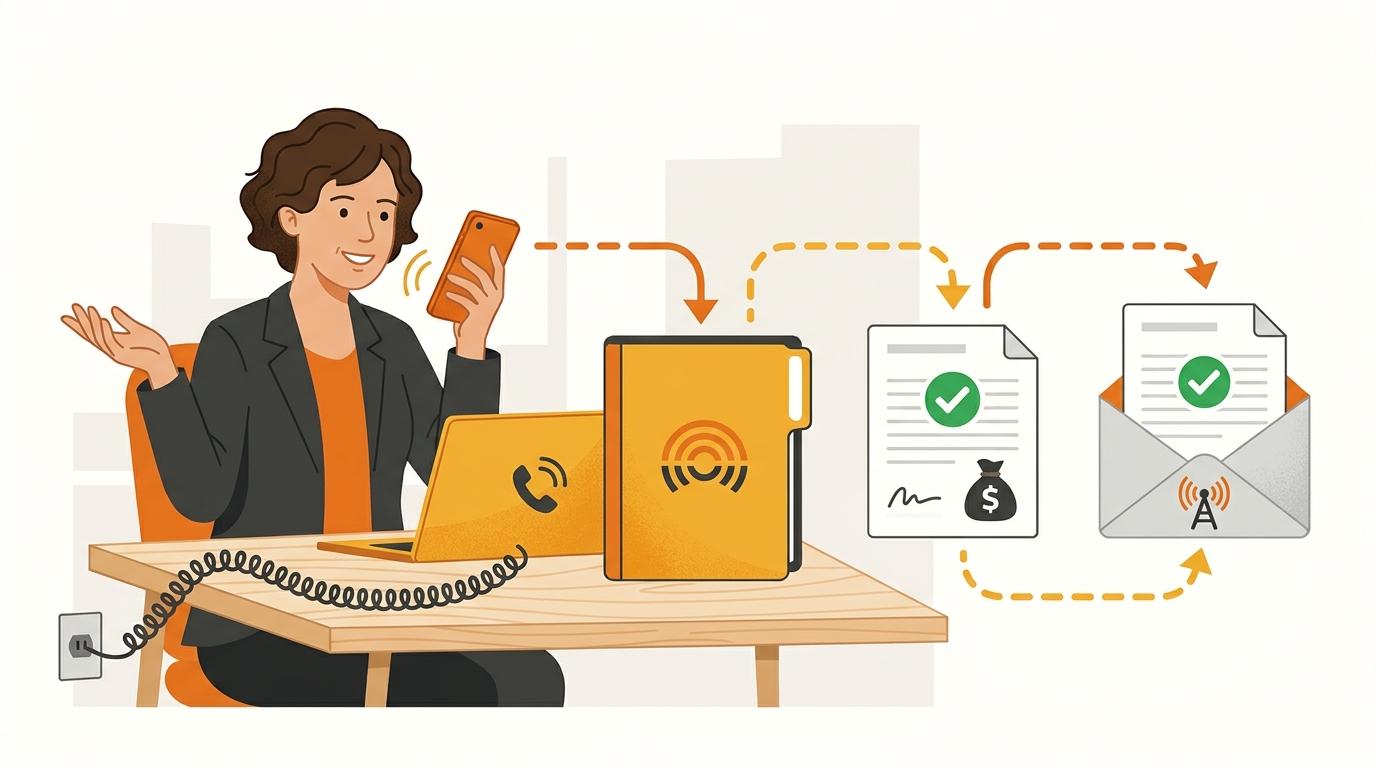
Yes. Kontactic can send a Korean business phone application for your Korean company. Kontactic waits for initial payment confirmation before sending it to the telecom provider.
What happens to the request before payment
A new Korean company may need one public business line for business contacts. You can enter the request in Kontactic Seller Center before the telecom provider receives an application. The request can be ready while the provider has received nothing.
Several people may handle the setup. An e-commerce lead may enter the request. Finance may handle the initial payment. A local operations team may wait for Kontactic to send the application. HQ needs terms that all three teams can read the same way.
The request and the provider application are separate actions. “Submitted to Kontactic” means the request is with Kontactic. It does not mean the telecom provider has received an application. Kontactic keeps the application unsent until it confirms the initial payment.
At this stage, do not describe the request as a provider filing. The brand has given the request to Kontactic, but Kontactic has not sent the application. That wording tells HQ exactly what happened: the request reached Kontactic, but the application did not reach the provider.

What happens after you submit the request
Use one four-step order. The second step is where payment confirmation matters.
- Request submitted to Kontactic. You request a public business line for your Korean company in Kontactic Seller Center.
- Payment not confirmed. Kontactic has the request, but has not sent the application to the telecom provider. The provider has not received it.
- Initial payment confirmed. The brand makes the initial payment. Kontactic confirms that it has received the payment.
- Application sent to the telecom provider. After payment confirmation, Kontactic sends the application.
At step two, the telecom provider has not received the application. The request can be ready, but Kontactic has not sent it. The brand's payment action and Kontactic's confirmation that it received the payment are separate events.
Before payment confirmation, say: “The request is prepared, but Kontactic has not sent the application.” Afterward, say: “Kontactic sent the application to the telecom provider.” These sentences give HQ two different updates.
A completed request does not mean the provider has received the application. Kontactic sends the application only after it confirms the initial payment.
These terms give finance, e-commerce, and local operations a shared update. Finance can check the initial payment. The operations team can wait for Kontactic's send update. HQ can report that the provider received the application only after the fourth step.
Why payment confirmation comes before Kontactic sends the application
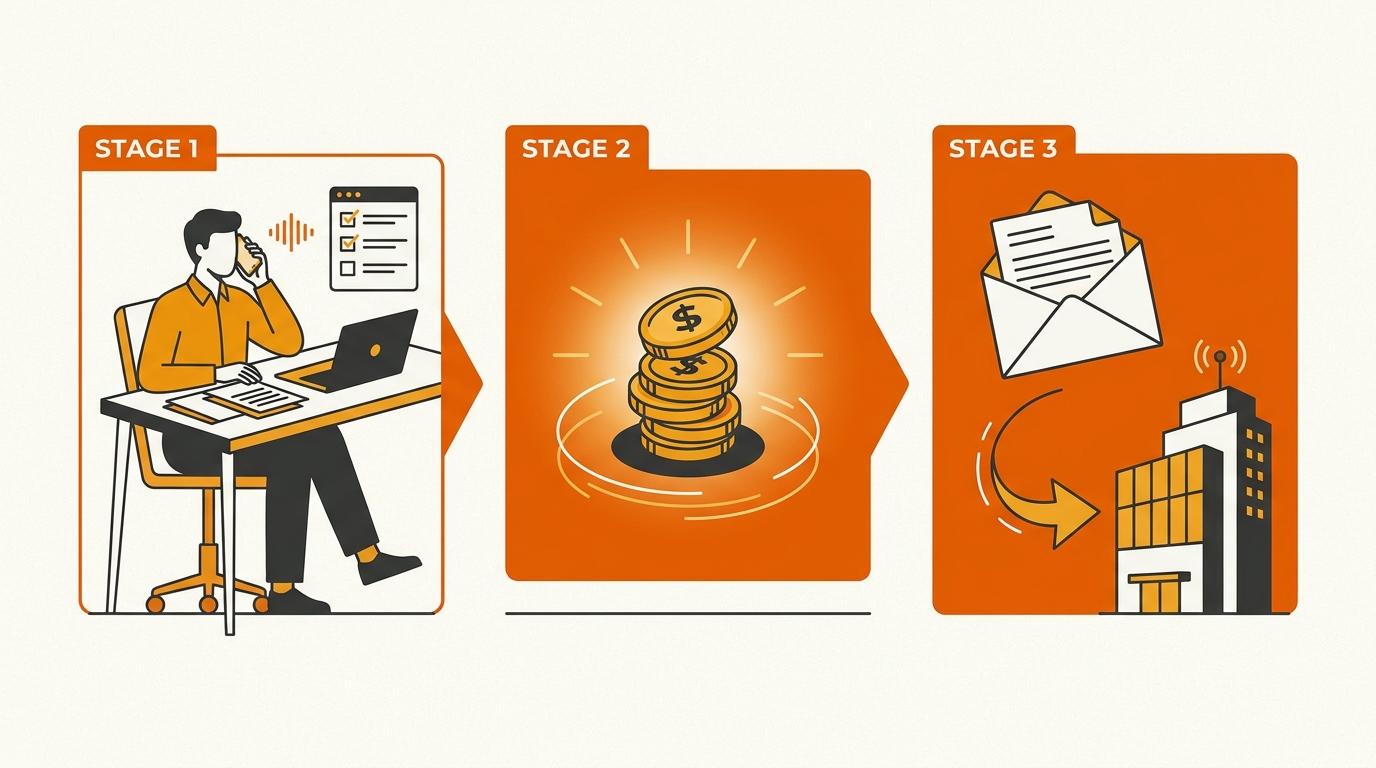
Payment can be overlooked when HQ manages several Korean setup tasks. A team member may submit the phone request and move to another task while the initial payment remains unconfirmed.
Kontactic uses payment confirmation to decide when it can send the application. Before that confirmation, sending it would make the request look like a provider filing even though the provider had received nothing. The payment check gives the team a clear point to wait for.
Finance can check the initial payment. Kontactic confirms that it has received the payment. Only after that confirmation can Kontactic send the application to the telecom provider.
The payment check answers one question: “Has Kontactic sent the phone application?” If payment is not confirmed, the answer is no. Once Kontactic sends it, the answer is yes.
Use “submitted to Kontactic” for the first step. Use “sent to the telecom provider” only after Kontactic sends the application. Do not use “submitted” for both actions. This wording helps HQ, finance, and local operations report the same event at the same time.
A short example for a newly formed Korean company
Consider a brand that has just formed its Korean company and asks for one public business line for local contacts through Kontactic Seller Center. After the brand makes the initial payment and Kontactic confirms receipt, Kontactic sends the application to the telecom provider.
The company's age does not change this order. HQ can report the request and the send step separately, even when the brand's team works outside Korea.
What each phone application status means
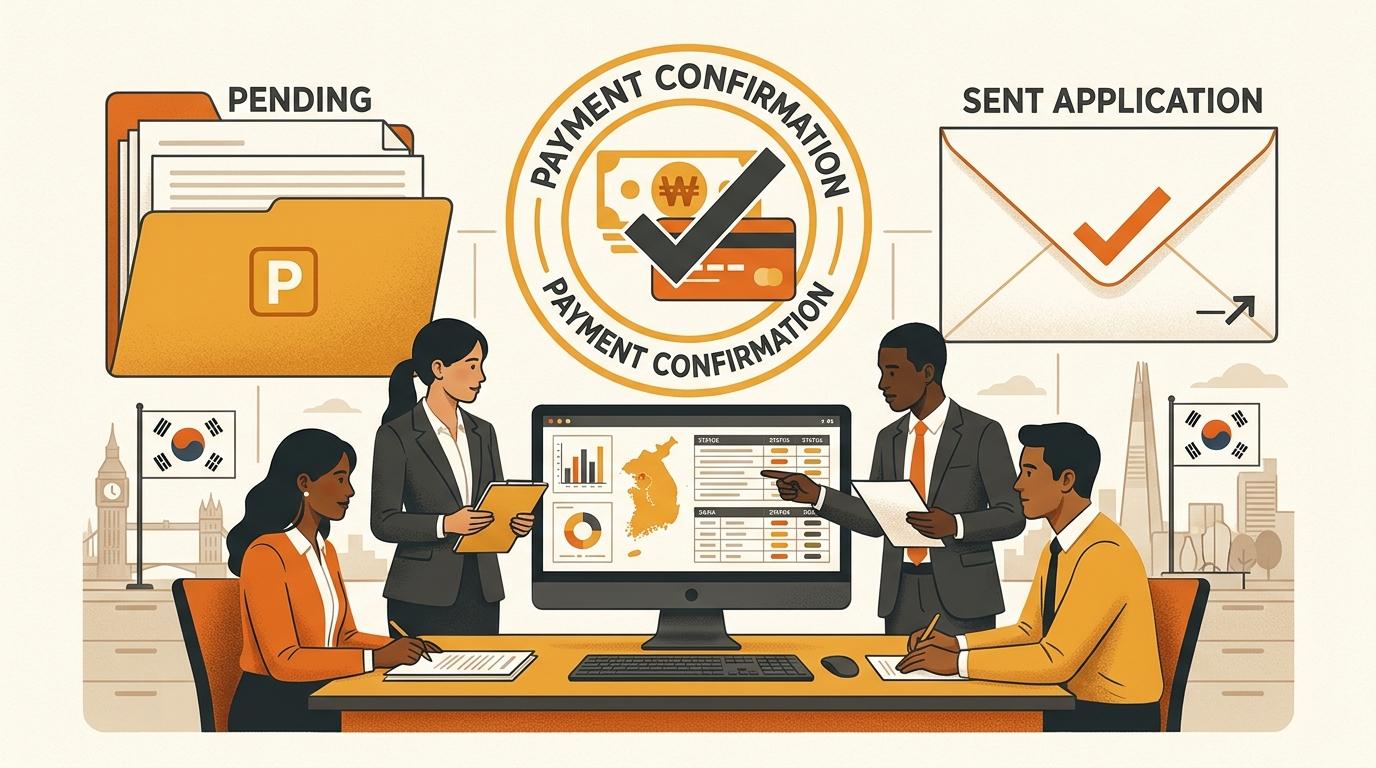
Keep each label tied to one action. The table uses the same four steps as the request moves through Kontactic Seller Center.
| Seller-side wording | What it means |
|---|---|
| Request submitted to Kontactic | You entered the request in Kontactic Seller Center. The request is with Kontactic. |
| Payment not confirmed | Kontactic has not confirmed receipt of the initial payment. It has not sent the application, and the telecom provider has not received it. |
| Initial payment confirmed | Kontactic has confirmed receipt of the payment. It can now send the application to the telecom provider. |
| Application sent to the telecom provider | Kontactic has sent the application to the provider. |
These labels help finance, e-commerce, local operations, and HQ use the same update. Finance can check the initial payment. Kontactic confirms receipt. HQ can wait for “application sent to the telecom provider” before saying that the provider has received the application.
The labels also show what each person should not claim. “Request submitted to Kontactic” does not mean “application sent to the telecom provider.” “Initial payment confirmed” means Kontactic can send the application; it does not say that the send step has already happened.
What application sent does not mean
Application sent does not mean provider approval or activation. It means only that Kontactic sent the application to the telecom provider.
The status does not tell you the provider's decision, the final phone number, or when the line will be active. Those are later provider-side matters, outside the Seller Center step described here.
Need help with a Korean company phone request?
Contact Kontactic to discuss the request for your Korean company and the payment step that comes before the application is sent.
About the author
Korean and global e-commerce operators with 15+ years of cross-border experience, led by CEO Isaac Lee — KOTRA-certified consultant and official lecturer for Seoul City and the Korea Customs Service. We run Korea market entry for overseas brands every day; this blog records what we learn in the field.
Meet the Kontactic team →Related Articles

Can a Korean Corporate Bank Receive USD and Pay in KRW?
A Korean corporate bank can usually receive USD, convert it to KRW, and pay local bills. The bank checks the account, purpose, documents, fees, and limits.

What to List in Korean E-Commerce Incorporation Articles
What to list in Korean e-commerce articles of incorporation: online sales, importing, distribution, and fulfillment your company will actually perform.

Coupang Inbound: Three Checks Before Shipping
Before shipping stock for Coupang inbound, Kontactic Seller Center runs a SKU through three review stages and saves the result in English, Chinese, and Japanese.