
How Does Seller Center Make Korean Contracts Reviewable?
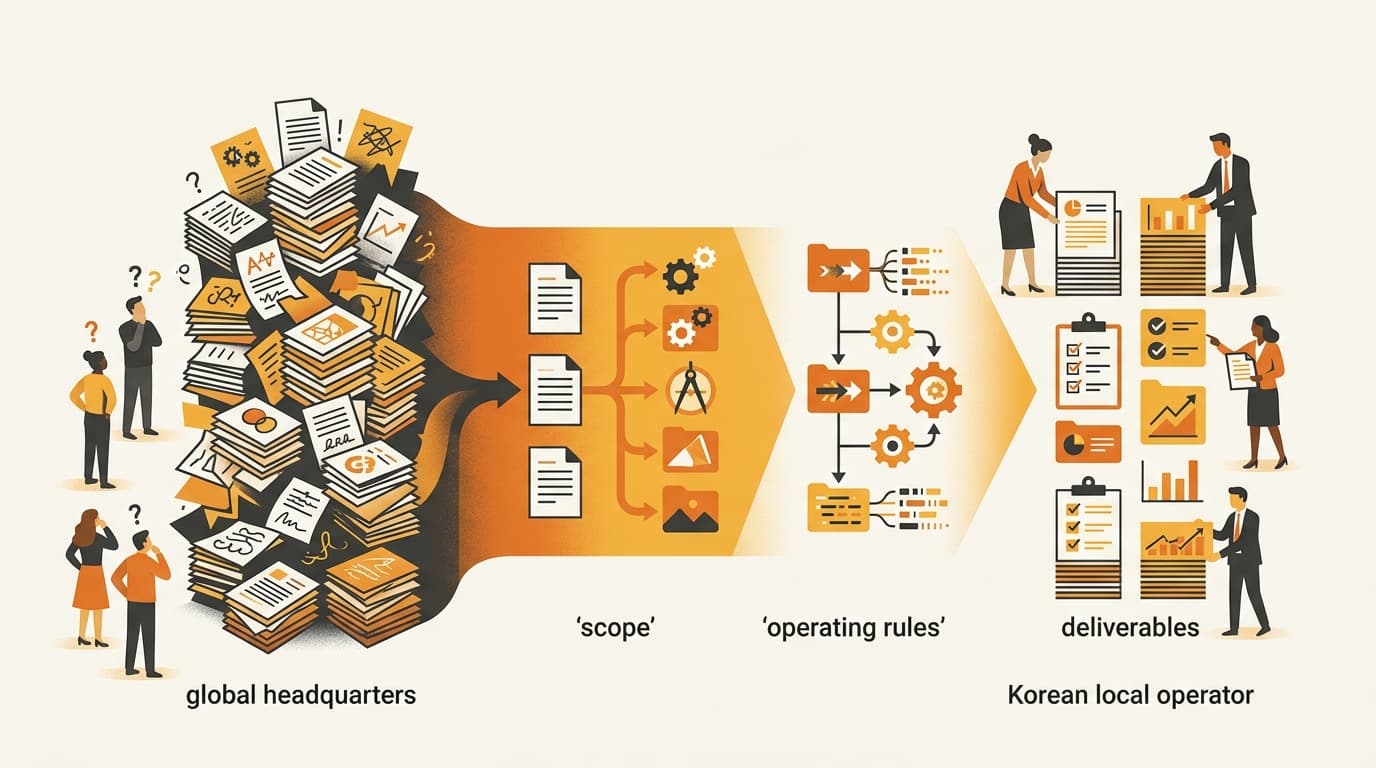
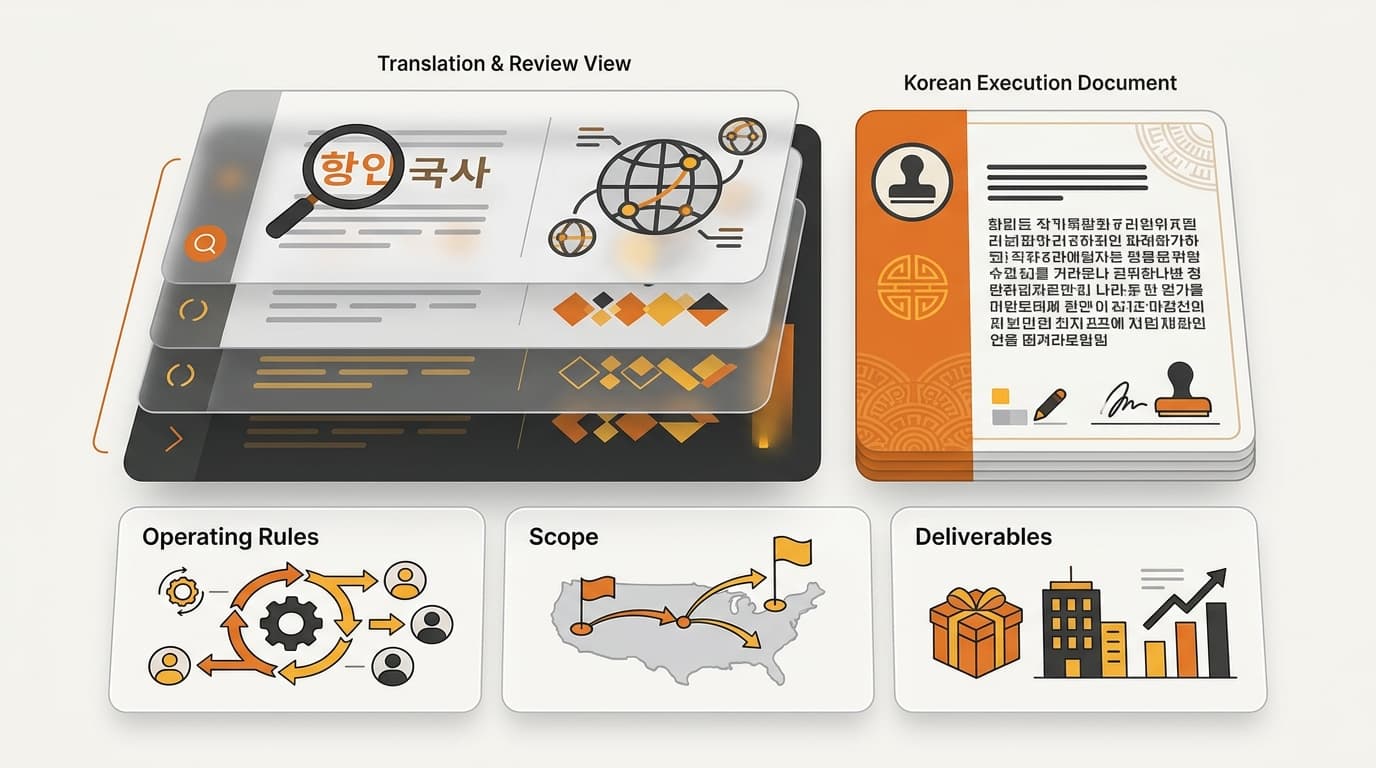
Kontactic Seller Center makes Korean market-entry contracts reviewable by turning translation into a structured operating workflow rather than an ad hoc request. HQ can inspect local operating rules, scope, and deliverables in a translated view while the Korean document remains the record used for local execution.
The operating principle: translation gives global stakeholders visibility into a local process; it does not replace required Korean execution, professional review, or the Korean document used by the local operator.
Why Korean paperwork creates an HQ visibility gap
Going local creates a document problem before it creates a language problem. A brand can approve a Korea launch in principle, then lose visibility when the work moves into Korean contracts and related operating paperwork.
A separate translation request usually produces a file. It does not necessarily produce understanding. A translated block of text may tell a global reviewer what the words say, while leaving harder operational questions unresolved:
- What operating rules are actually being agreed?
- What sits inside the local scope?
- Which deliverables should exist after the work is done?
- Which document will the Korean operator use to execute the agreed work?
Those questions matter because a market-entry contract is not only a legal artifact. It also sets the boundary for an operating handoff. If HQ sees only a loose translation, the decision-maker has to reconstruct that boundary from prose, attachments, and conversations. The local team may continue moving, but global approval becomes slower and less certain.
The answer is not to make HQ manage Korean execution from a distance. The local operator still needs to work from the Korean documents and local process. The answer is to give HQ a structured way to see what is being executed before and during that handoff.
What changes when translation is part of the workflow
Seller Center treats contract-document translation as part of the managed operating workflow. That is a different job from translating a document on request. The translation is connected to the structure a decision-maker needs to review.
The important structure is practical:
- Operating rules are visible as the rules that govern the work, not buried in a continuous text block.
- Scope can be reviewed as the boundary of the engagement, rather than inferred from scattered clauses.
- Deliverables are presented as the outputs the operating process is expected to produce.
- Document context stays attached to the local work instead of moving into a separate translation channel.
This does not mean the translated view changes the underlying agreement. It means the view is organized around the questions HQ has to answer. The reviewer can assess whether the local scope is understood, whether the stated deliverables match the approval, and where a question needs to go back to the local operator or a professional reviewer.
That distinction is central. A translation layer that only substitutes one language for another may be linguistically useful but operationally thin. A structured translation layer helps a global team review the agreement as a set of decisions: what is covered, how the work is governed, and what should be handed over.
For the local operator, the benefit runs in the other direction. The team does not have to pause the operating process every time a global stakeholder needs basic visibility into the Korean paperwork. HQ can review the structured view while Korean execution continues against the appropriate local document.
How generated and signed documents fit the handoff
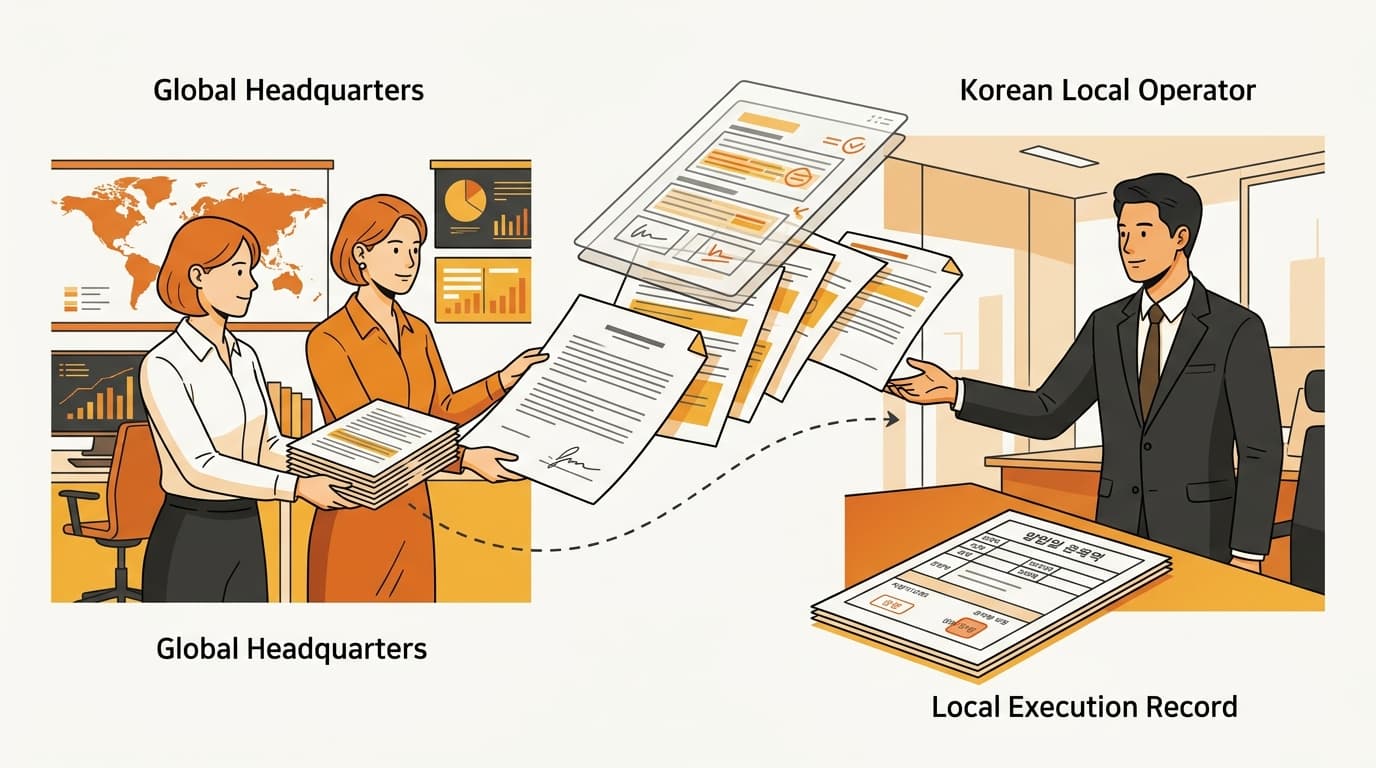
Reviewability matters only if it survives the handoff. A translated view can help HQ approve the work, but the operating process still needs a clear relationship between the review context and the documents that are generated and signed.
A useful handoff follows a simple sequence:
- Define the local operating scope. The work is expressed through the rules, scope, and deliverables that govern the engagement.
- Present a structured translated view. Global decision-makers can inspect the local content in a format that supports review rather than asking them to work through an undifferentiated block of text.
- Resolve approval questions. HQ can identify what it understands, what it approves, and what needs clarification or professional review.
- Keep the generated and signed documents connected. Once the documents are generated and signed, they remain part of the same handoff context instead of becoming an unrelated attachment.
- Use the Korean document for local execution. The Korean document remains the local execution record; the translated view gives HQ the visibility needed to stay involved.
The last point is the boundary that keeps this workflow honest. The global reviewer is not being asked to treat an AI-generated or translated view as a replacement for the Korean operating record. At the same time, the local operator is not asking HQ to approve work it cannot meaningfully see.
This is especially useful when a brand has several decision-makers in different locations. The people approving the work may not read Korean, while the people executing it must rely on Korean documents. Keeping those two needs in one workflow reduces the chance that approval happens against one version and execution proceeds against another understanding.
Where AI translation helps—and where it stops
AI translation is useful at the review and visibility layer. It can give a global decision-maker a first-pass understanding of the document, make the main sections easier to locate, and help surface focused questions about scope or deliverables before approval.
It should not be treated as legal advice. It does not replace required Korean execution, and it does not remove the need for professional review where the document or the decision calls for it. The translated view should help a reviewer understand what to examine; it should not be presented as a determination that the wording is legally sufficient.
That limitation is not a weakness in the workflow. It is the correct division of work. AI helps reduce the visibility gap. The local operator keeps the Korean process moving. Human decision-makers approve the operating scope, and qualified professionals review matters that require professional judgment.
A useful test is whether everyone knows which layer they are looking at:
- The translated view supports HQ review and decision-making.
- The Korean document remains the local execution record.
- The generated and signed documents show what has moved from review into the handoff.
- Professional review remains necessary when the issue is legal interpretation or a required formal process.
If those boundaries are explicit, translation adds visibility without pretending to remove responsibility.
What HQ should review before approving a Korea document
Before approving a translated contract or related operating document, HQ should be able to answer a short set of concrete questions:
- What operating rules govern the work? The reviewer should know where the practical rules are stated and what they control.
- What is inside the scope? The translated view should make the engagement boundary understandable without requiring the reviewer to infer it from unrelated prose.
- What deliverables are expected? Each stated output should be visible enough for HQ to recognize what the handoff is meant to contain.
- Which document is generated or signed? The review context should connect to the document that actually moves through the process.
- Which version is used locally? The Korean document should remain identifiable as the local execution record.
- What still needs clarification or professional review? Translation should help reveal open questions, not conceal them behind a confident-looking output.
If the reviewer cannot answer those questions, adding more translated text may not solve the problem. The missing ingredient may be document structure and workflow context.
Common questions about Korean contract translation in Seller Center
Is the translated view the official Korean execution document?
No. The translated view supports HQ visibility and review. The Korean document remains the local execution record.
Does AI translation replace legal or professional review?
No. AI translation is a review aid, not legal advice. Required Korean execution and professional review still apply where needed.
Why not translate the contract as a separate request?
A separate translation can lose the operating context that makes the document useful to HQ. Bringing translation into the workflow keeps operating rules, scope, deliverables, and the handoff connected.
What should global decision-makers use the translated view for?
They should use it to understand and approve local scope, review the expected deliverables, and identify questions before the Korean document is used for local execution.
Make your Korea paperwork easier to review
If your HQ team needs visibility into Korean contracts and operating handoffs, talk with Kontactic about a structured market-entry workflow.
About the author
Korean and global e-commerce operators with 15+ years of cross-border experience, led by CEO Isaac Lee — KOTRA-certified consultant and official lecturer for Seoul City and the Korea Customs Service. We run Korea market entry for Western brands every day; this blog documents what we learn in the field.
More about Kontactic →Related Articles
How Representative Documents Support Korean Filing Work
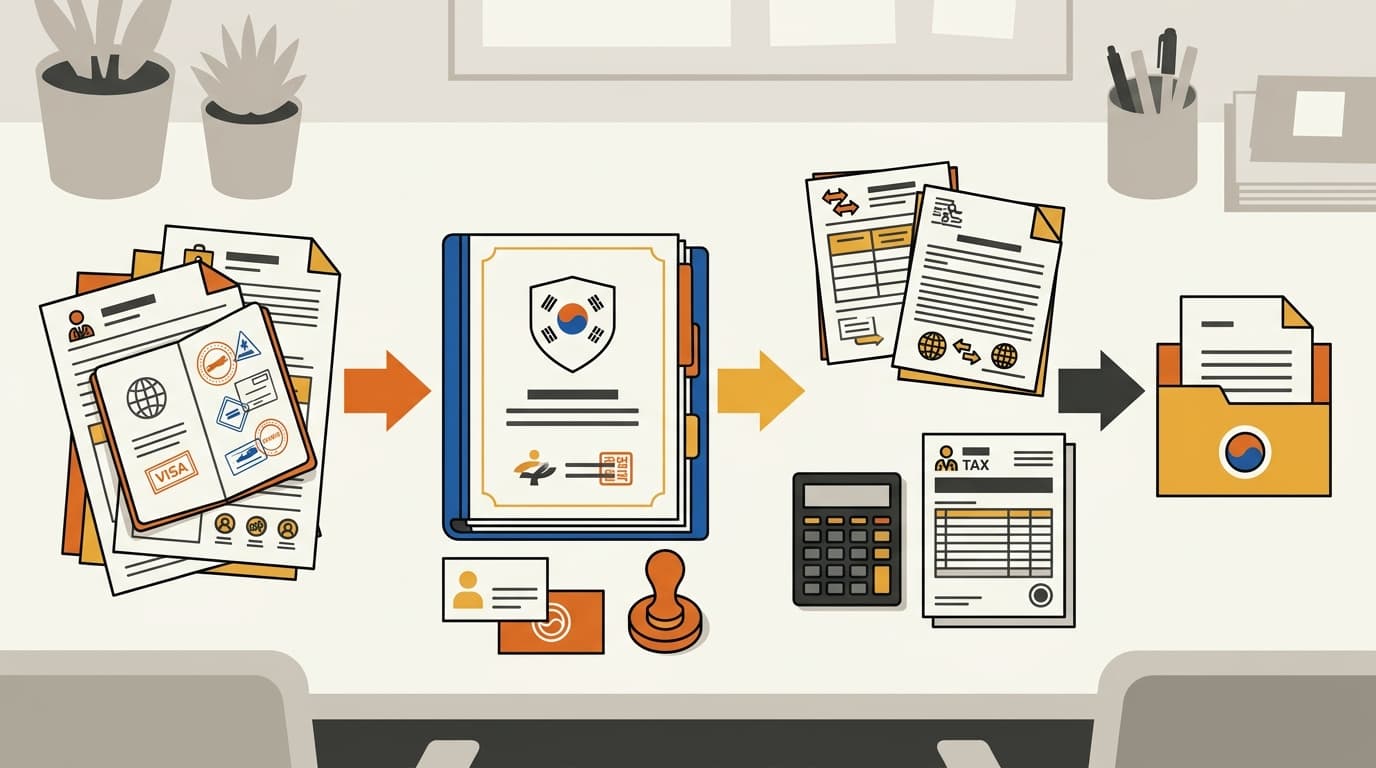
Kontactic Seller Center connects representative documents and translation with delegated Korean filing work, so evidence becomes records and local action.
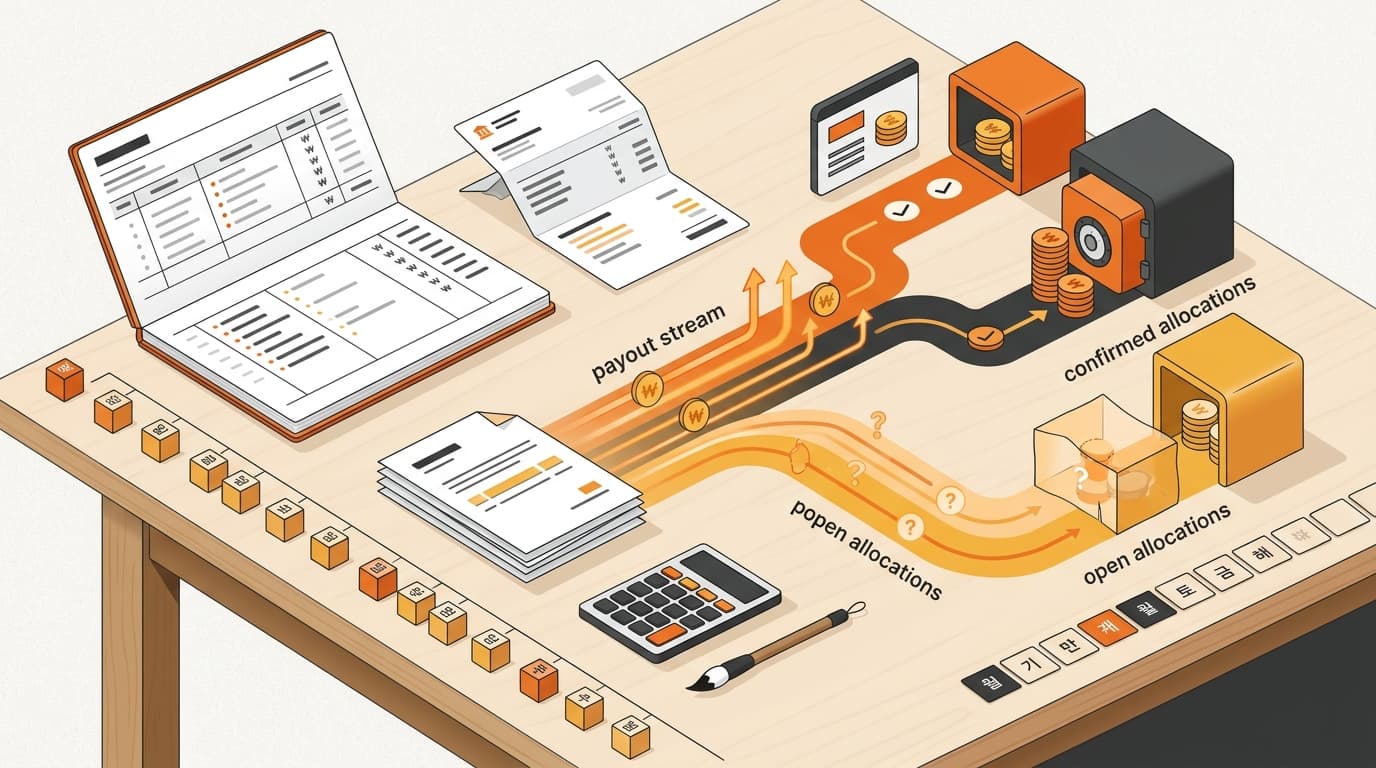
Coupang Settlement Periods: How Kontactic Reconciles
Kontactic closes Coupang settlement periods by confirming allocations, checking bank evidence, and keeping FX differences and late corrections visible.
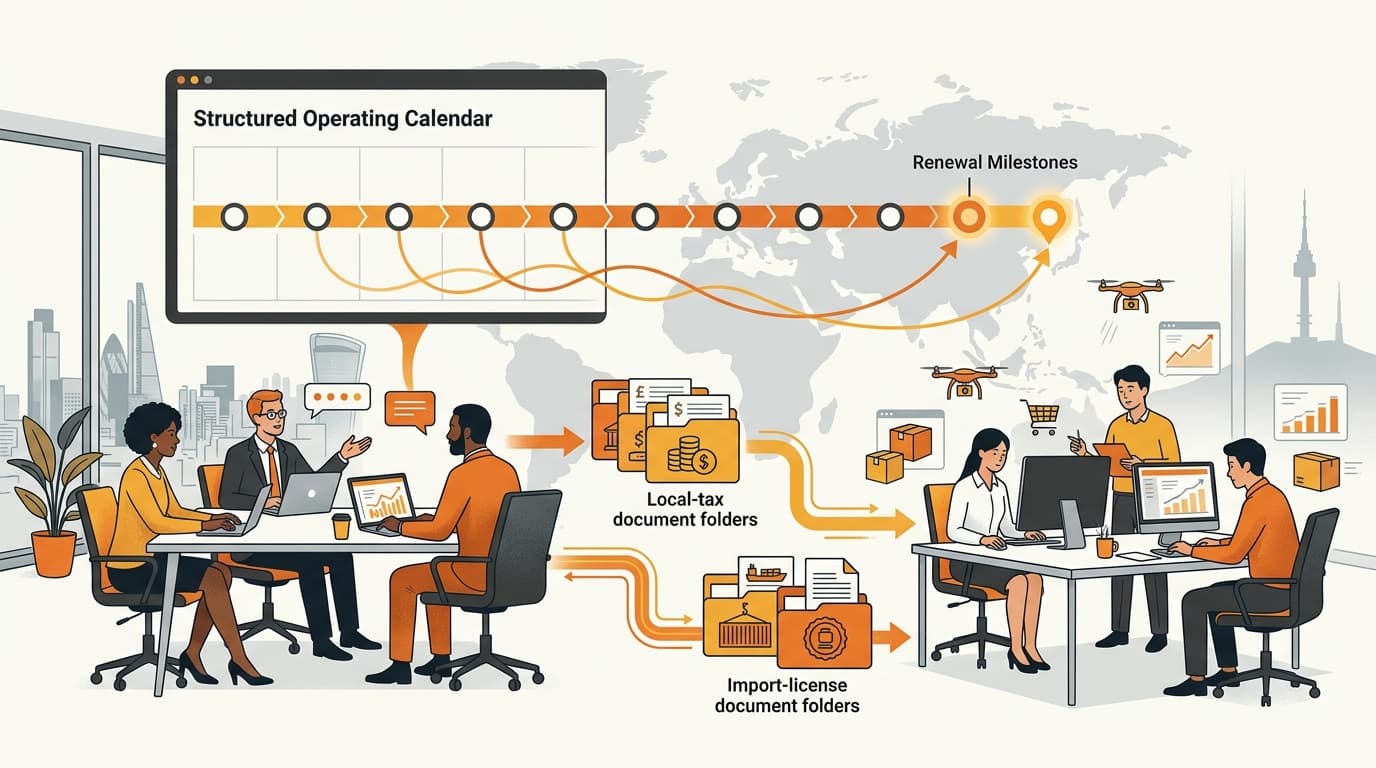
Korean Entity Administration: What Happens After Setup?
Incorporation is the start for a Korean entity. See how Kontactic Seller Center stages renewal reminders and routes local-tax and import-license document work.