
Korea Approves Biocidal Active Substances Before Products
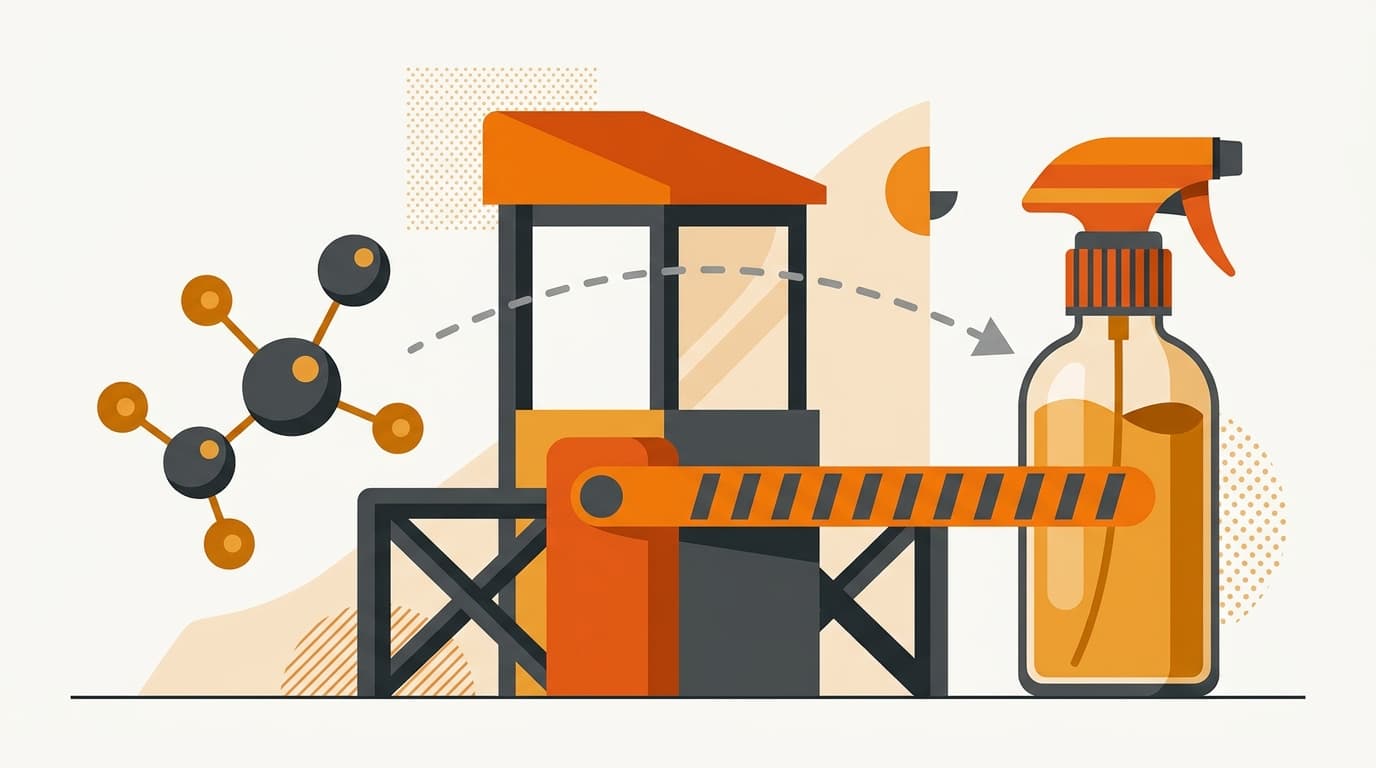
In Korea, a biocidal product cannot be approved unless its active substance has already been approved at the national level or is lawfully sitting in the transitional review pipeline. Korea gates approval twice: the government reviews and approves each biocidal active substance first, and only then can a finished product built on that substance win product-level approval.
If your disinfectant, mold remover, or preservative relies on an active that is not on Korea's list and not in the pipeline, you are not looking at a product filing. You are looking at a separate, slower, dossier-heavy substance-approval effort — and there is no way to shortcut it at the product stage.
This is the single most expensive assumption Western brands make about Korean household chemicals: that an active substance cleared by the US EPA or under the EU Biocidal Products Regulation (BPR) will clear in Korea by default. It won't. Korea maintains its own national approval, on its own list, under its own regulator.
Korea gates approval at two levels, not one
The framework is the Act on the Safety of Household Chemical Products and Biocides (화학제품안전법), administered by the Ministry of Environment. It splits biocides oversight into two sequential decisions:
- Active-substance approval. The government evaluates each biocidal active substance — the chemical that actually does the killing, disinfecting, or preserving — for a specific biocidal product-type and use. This is a national-level decision that applies to the substance itself.
- Product approval. Only after the active substance is approved (or lawfully in transitional review) can a finished biocidal product that contains it be assessed and approved for sale.
The order is the whole point. You cannot obtain product approval using an unapproved active. The product filing presumes a listed substance; it is not a place to introduce a new one.
Two-stage gate: In Korea, a biocidal active substance is approved separately and before any product that uses it. A product using an unlisted, unpipelined active substance is not eligible for product approval — full stop.
EPA or EU BPR approval does not carry over
Foreign approvals are useful evidence in a dossier. They are not a substitute for Korean approval. Korea's approved-substance list is Korea-specific, and the same active can be treated very differently across jurisdictions — approved for one product-type, restricted for another, or simply never reviewed.
Two details matter more than brands expect:
- It is per active substance, and per use-type. An active approved as a disinfectant is not automatically approved as a preservative or a repellent. Korea's approvals are tied to biocidal product-types, so you must check your specific active for your specific intended function — not just whether the molecule appears somewhere.
- "Legal in the US or EU" is not the question. The question is whether this active, for this use, is on Korea's list or lawfully in its review pipeline. That is a distinct check, and it must be run against Korean sources.
This is a different question from choosing a compliance track. If you're still sorting whether your product even sits in the biocides regime versus the lighter route, that decision — the safety-confirmation versus biocide-approval split — comes first. And if you're unsure whether your product counts as a biocide at all, the classification turns on the active substance and function, not the shelf category. This post assumes you already know you're in the regime and are now asking the narrower question: is my active itself approved?
The transitional pathway helps existing substances — not brand-new ones
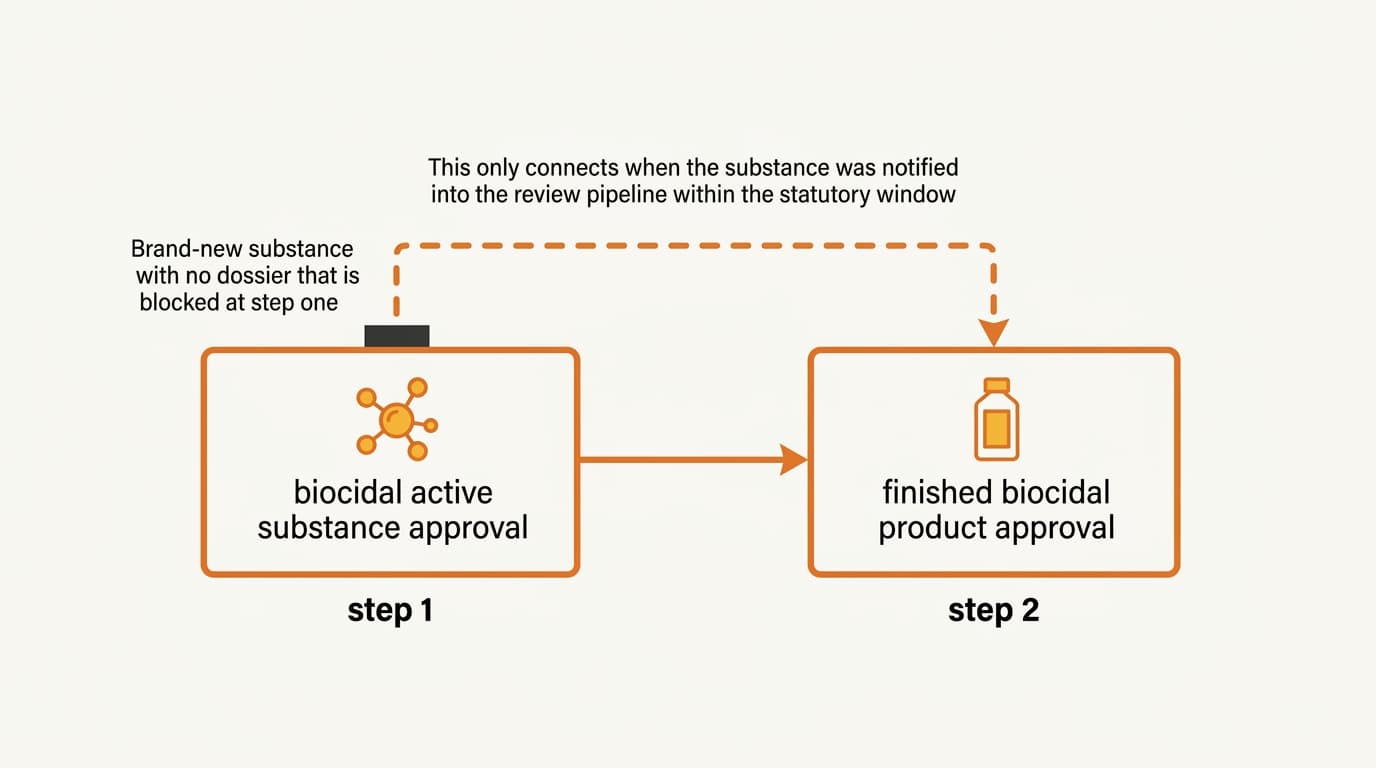
There is a bridge, but it is narrow. Under the transitional arrangements, active substances that were already in commerce may be usable while the government completes its review — provided they were duly notified and entered into the review pipeline within the statutory window. A substance lawfully in that pipeline can support a product that relies on it during the transition.
The limit is the important part. A brand-new active substance with no Korean dossier and no pipeline entry has no such shortcut. There is no "it's already approved abroad, so wave it through" provision. If your active never entered Korea's transitional review and isn't on the approved list, you are starting a substance-approval process from the beginning — a separate track with its own evidence requirements and its own timeline, which is not the timeline of a product filing.
Do not assume an active is "grandfathered." The transitional pathway only protects substances that were properly notified into the review pipeline within the legal window. An active that missed that window, or that is genuinely new to Korea, gets no transitional benefit.
Treated articles are pulled in too
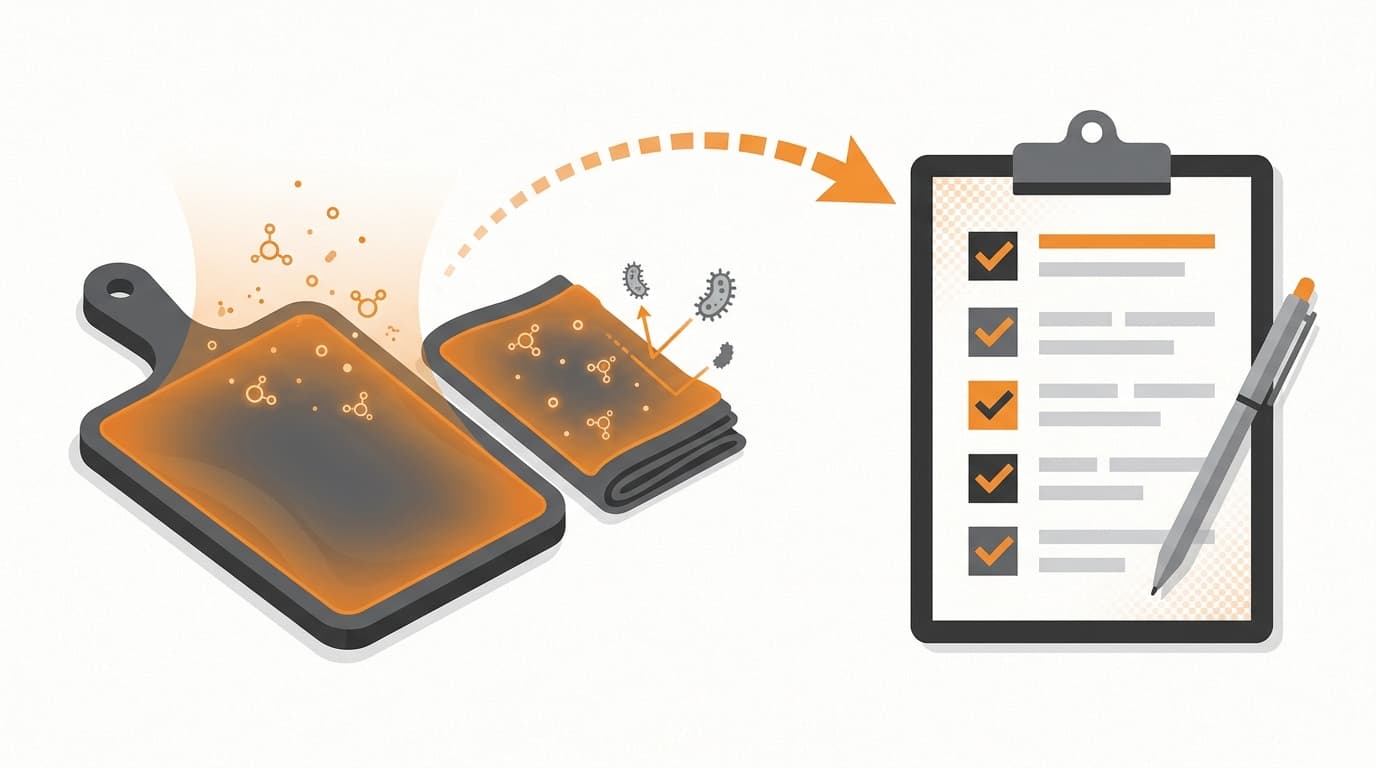
The regime does not stop at products sold as biocides. A "treated article" — an everyday item treated with a biocide, such as an antibacterial-coated board, a preservative-treated textile, or a mold-resistant surface — is captured when it carries a biocidal function or claim.
Two consequences follow:
- The active must be approved for that biocidal function in Korea. You cannot coat a product with an active that isn't approved for that use and then sell the item on its antibacterial merits.
- Claims trigger the regime. Marketing the biocidal effect — "antibacterial," "kills mold," "long-lasting protection against germs" — pulls the item squarely into scope. If you make the claim, you have to stand behind an approved active for it.
So a brand that assumes its treated homeware is a "general" consumer good, simply because it isn't a bottle of disinfectant, can hit the same substance gate as a pure biocide.
Verify the active substance first
Sequencing is where this becomes a launch-killer. The substance check has to happen before you set a product-approval timeline, before you brief artwork, and certainly before you commit to a go-live date on Coupang.
Here is the practical order of operations:
- Identify your active substance and its exact biocidal function — disinfectant, preservative, repellent, or the specific role it plays in your product.
- Check that active, for that function, against Korea's approved-substance list and the transitional review pipeline.
- Only then estimate a timeline. A listed (or pipelined) active means you can plan a product filing. An unlisted active means a substance-approval effort — a fundamentally longer, dossier-intensive process that determines everything downstream.
Discovering an unlisted active mid-launch is the worst case: artwork is done, inventory is inbound, and the whole plan stalls on a slow, indeterminate substance review the brand cannot compress at the product stage. The check is cheap. The mistake is not.
Common questions
Does US EPA or EU BPR approval count in Korea? No, not by default. Korea maintains its own national approval of biocidal active substances. Foreign approvals can support your dossier as evidence, but they do not put your active on Korea's list or exempt it from Korean review.
Can I get product approval while my active is still being reviewed? Only if the active substance was lawfully notified into Korea's transitional review pipeline within the statutory window. A substance in that pipeline can support a product during the transition. A brand-new active with no Korean dossier cannot.
My item isn't a disinfectant — it's just antibacterial-coated. Am I in scope? Likely yes, if it carries a biocidal function or claim. Treated articles must use an active approved for that biocidal use in Korea, and making an antibacterial or germ-killing claim pulls the product into the regime.
Where do I verify my active's status? Check the Ministry of Environment's biocides program and the statute text on Korea's national law portal (law.go.kr) for your specific active substance and its eligible product-types. Verify against Korean sources — do not treat a foreign approval as a proxy.
“The most expensive Korea launch mistakes we see aren't at the product filing — they're discovering the active substance itself was never approved, months after artwork was locked.”
Isaac Lee — CEO, Kontactic
Check your active substance before you set a launch date
Not sure whether your biocidal active is approved in Korea or eligible under the transitional pathway? Talk to Kontactic and get the substance question answered before it stalls your launch.
글쓴이 소개
15년 이상의 크로스보더 이커머스 경험을 가진 한국·글로벌 커머스 운영자들입니다. 대표 이이삭 (Isaac Lee)은 KOTRA 인증 컨설턴트이자 서울특별시와 관세청의 공식 강연자입니다. 저희는 매일 서구 브랜드의 한국 시장 진출을 직접 운영하며, 이 블로그에는 그 현장에서 배운 것들을 기록합니다.
Kontactic 더 알아보기 →관련 글
Coupang Order Lines: One Line Is Not One Unit
A Coupang order line can represent a generated quantity option, so your connector must map it to a base SKU and physical quantity before stock movement.
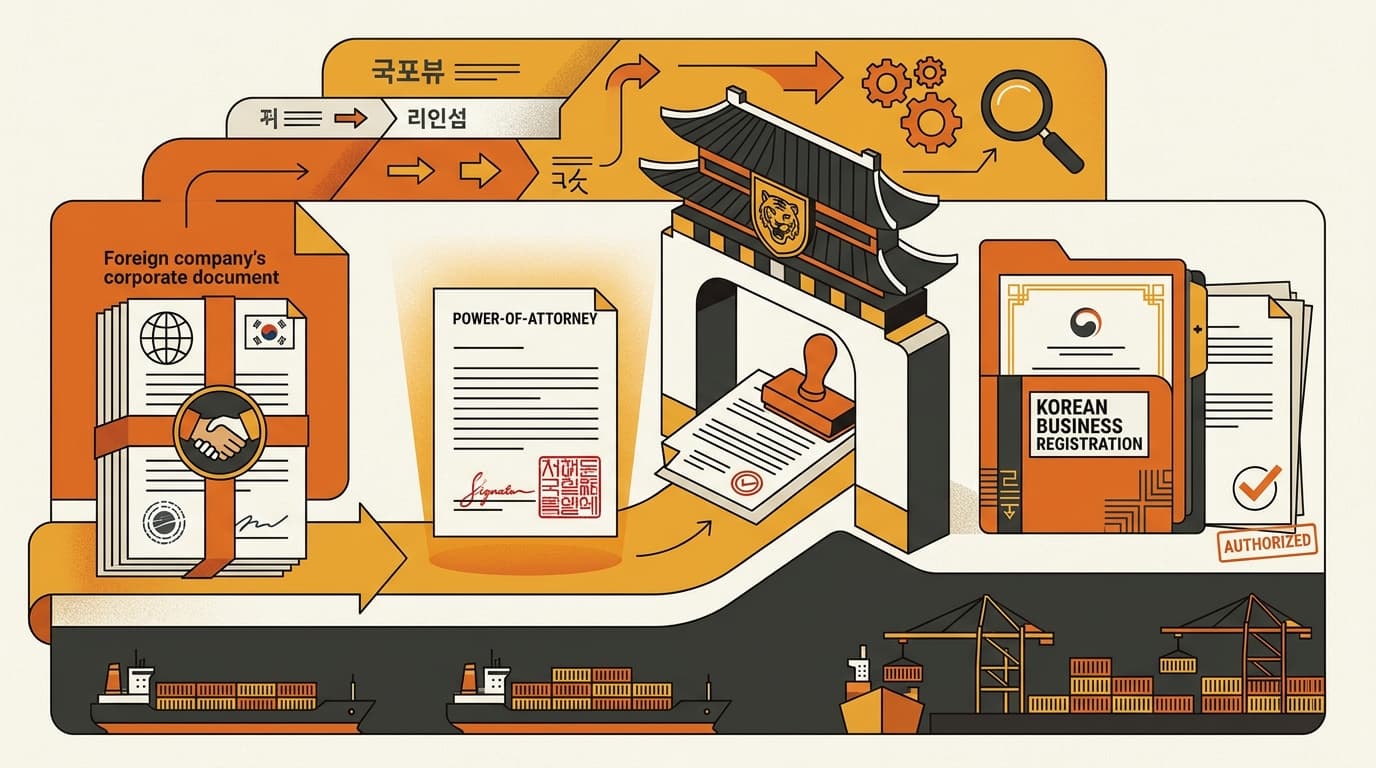
Korean Importer Registration: Why a POA Is Not Enough
A power of attorney cannot establish Korean importer registration; corporate-authority proof and Korean importer records are still required for the filing.
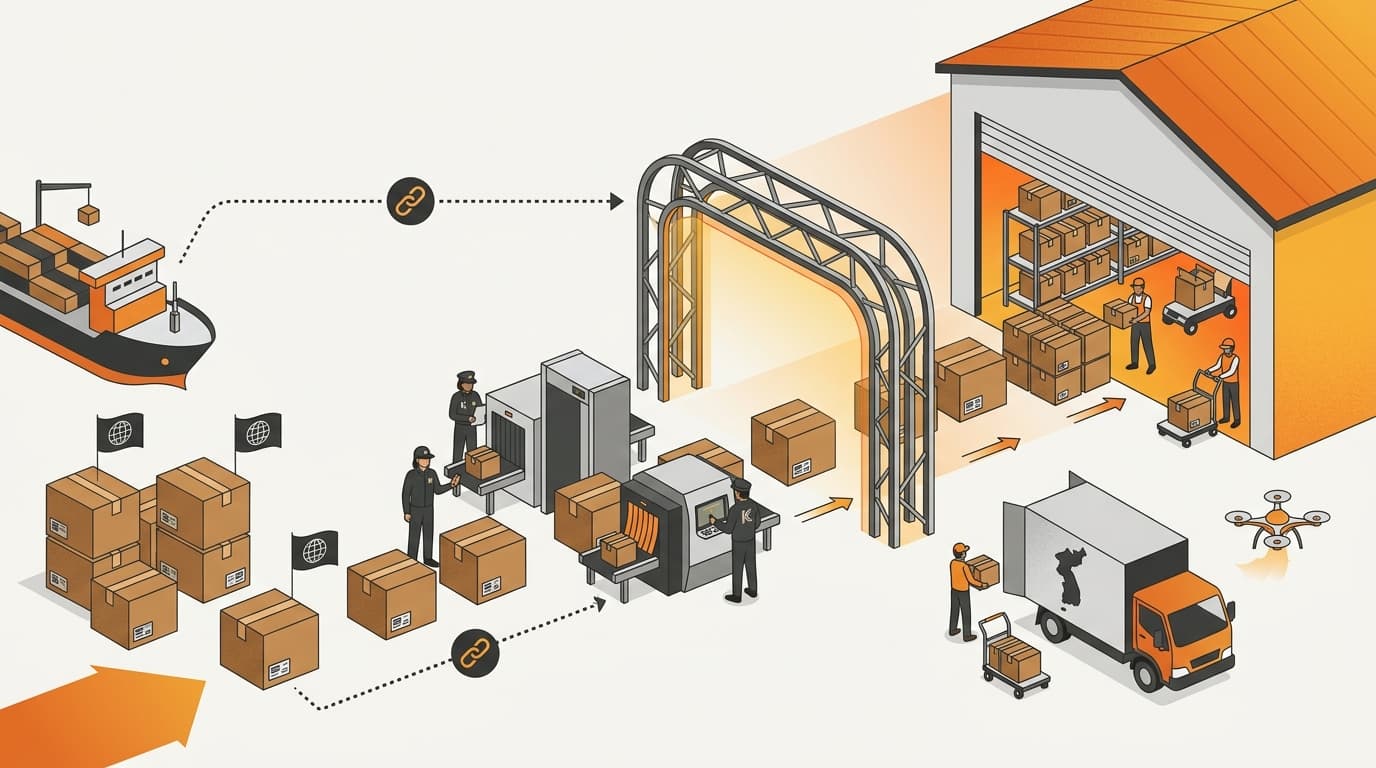
Can You Delay Korea Import Duty on Consignment Stock?
No. Korea import duty and import VAT are normally assessed when consignment stock is cleared for domestic circulation, not when a Korean customer buys one unit.