Can a Coupang Open API Connector Renew Its Key? Use WING
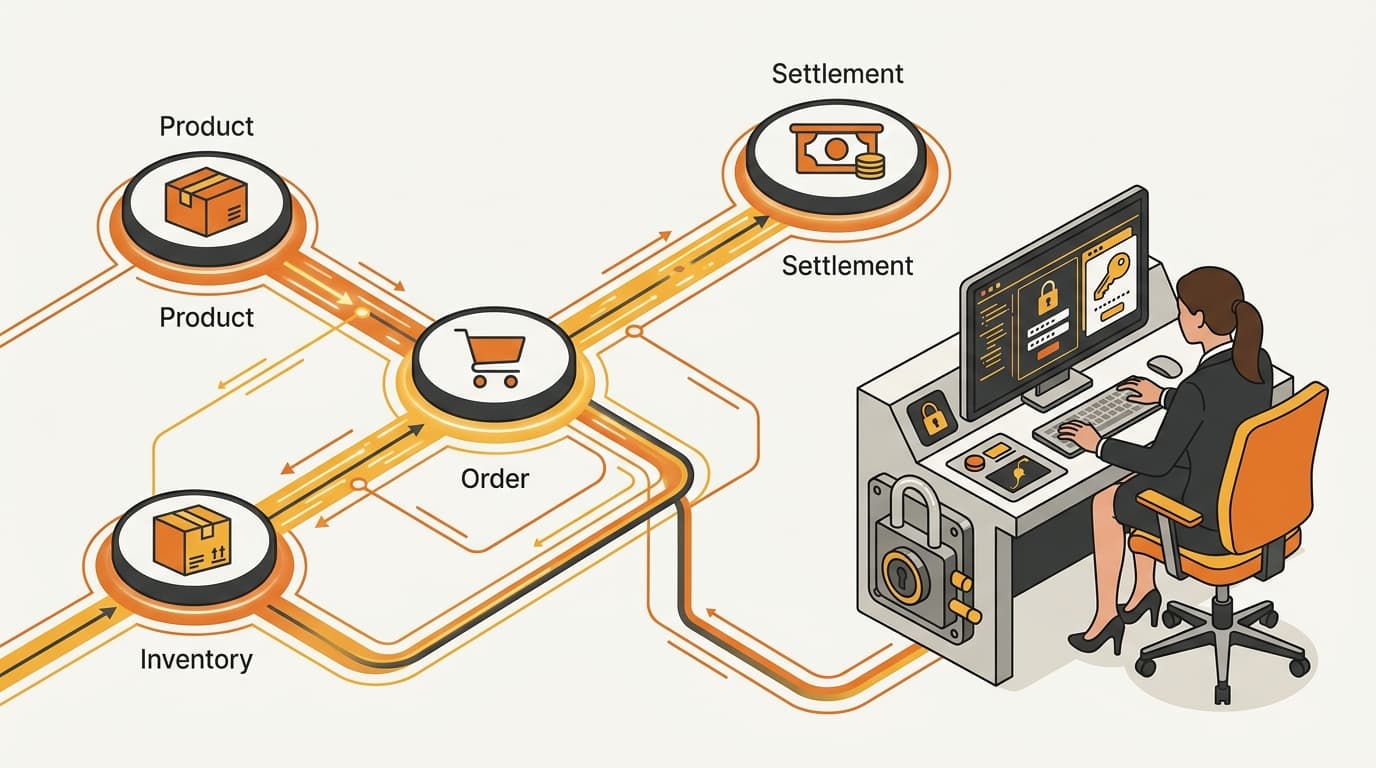
Can a Coupang Open API connector renew its own key? No—issuance and reissue stay in WING. Plan credential ownership, rotation, testing, and 403 monitoring.

인사이트·가이드
한국에서 파는 브랜드에게 진짜 도움이 되는 분석, 실무 가이드, 시장 인사이트.
전체 204개 중 61–72번째 글

Can a Coupang Open API connector renew its own key? No—issuance and reissue stay in WING. Plan credential ownership, rotation, testing, and 403 monitoring.

Kontactic's Korea payment reconciliation links payments, invoices, and allocations; confirmed and provisional matches stay separate, with adjustments preserved.

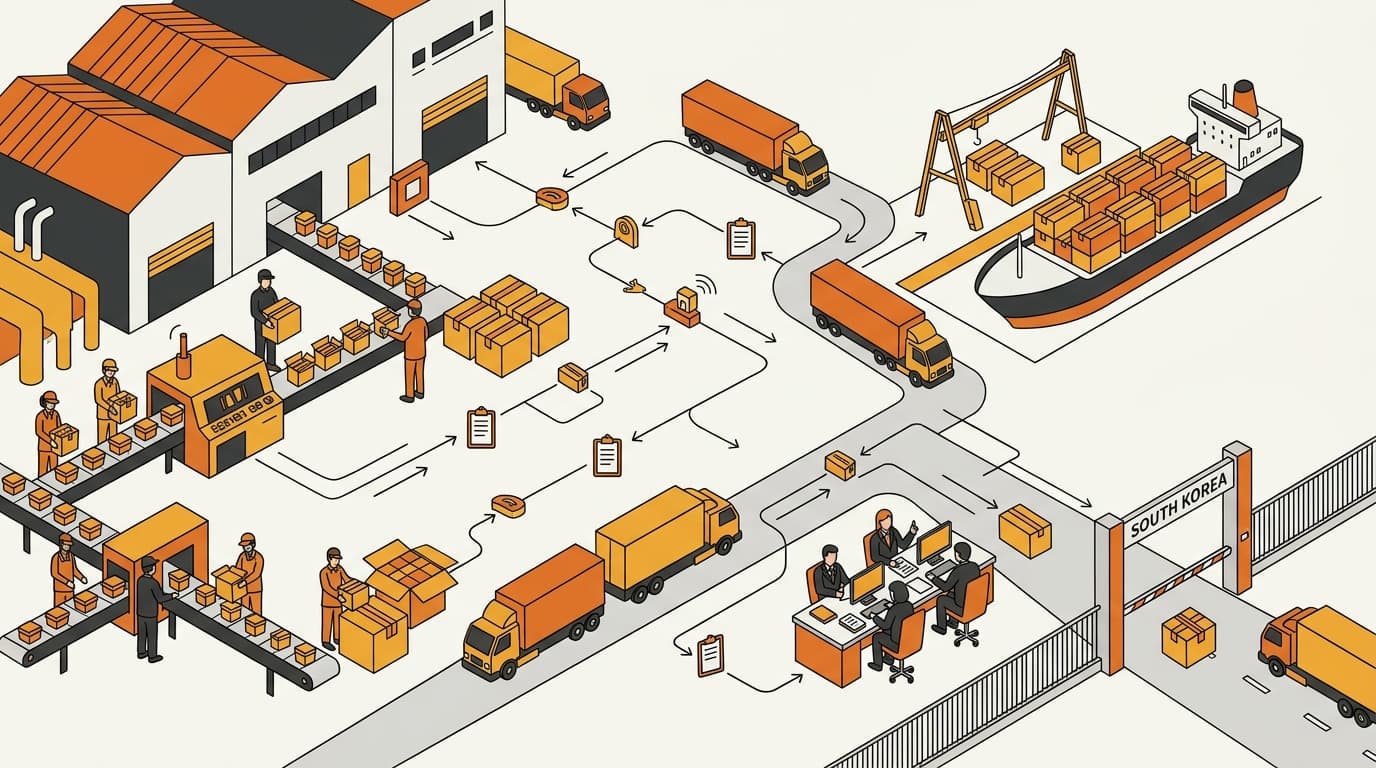
Rocket Growth stores and ships inventory, but sellers still need outbound and return records before product registration; each has a distinct seller-side role.

A US or EU HS code is a useful starting point, not a portable Korean classification. Learn how Korea’s HSK affects duty, FTA treatment, and import controls.

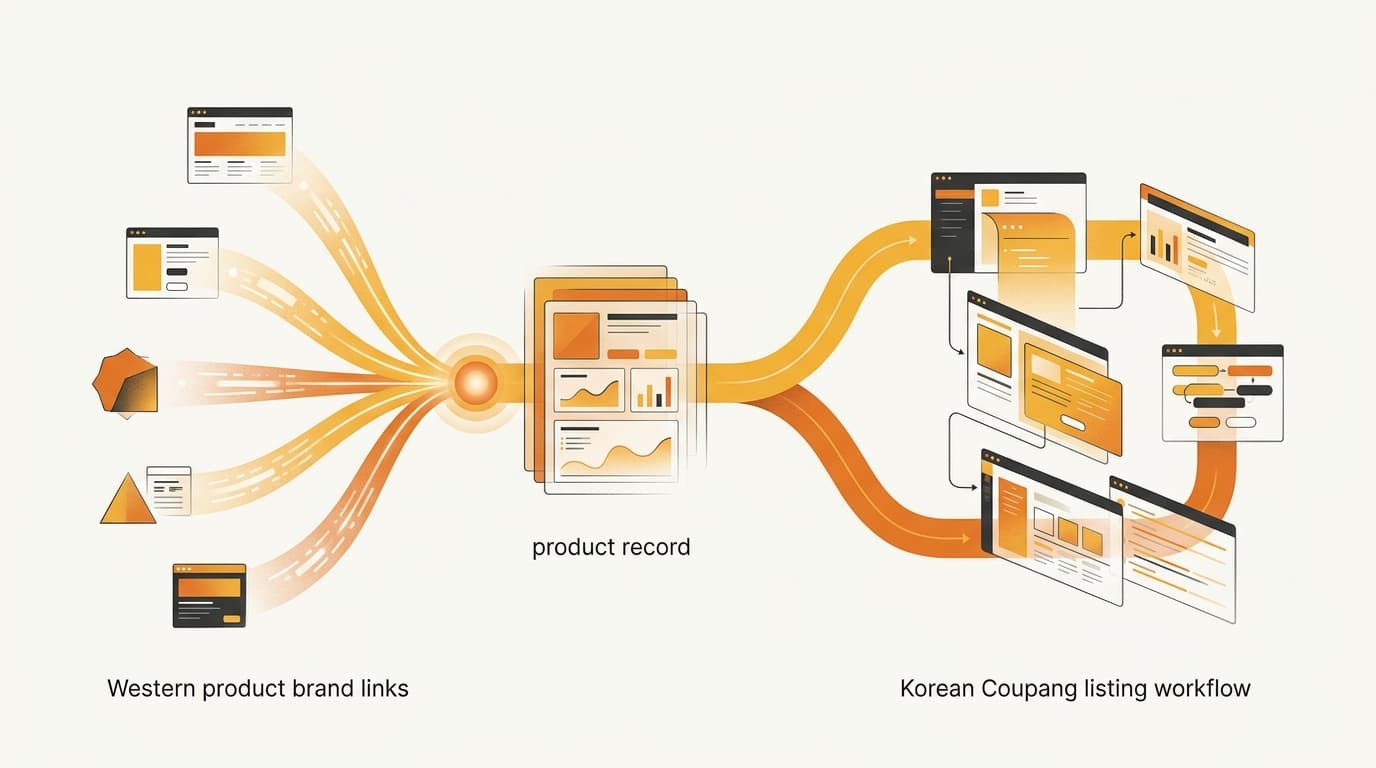
Kontactic Seller Center gives product-link intake a reviewable source record and a handoff into Coupang listing work before Korean copy or creative production starts.

No. Korean biocide approval cannot be avoided by hiding a “kills bacteria” claim from the bottle; a Coupang listing can still evidence intended biocidal use.

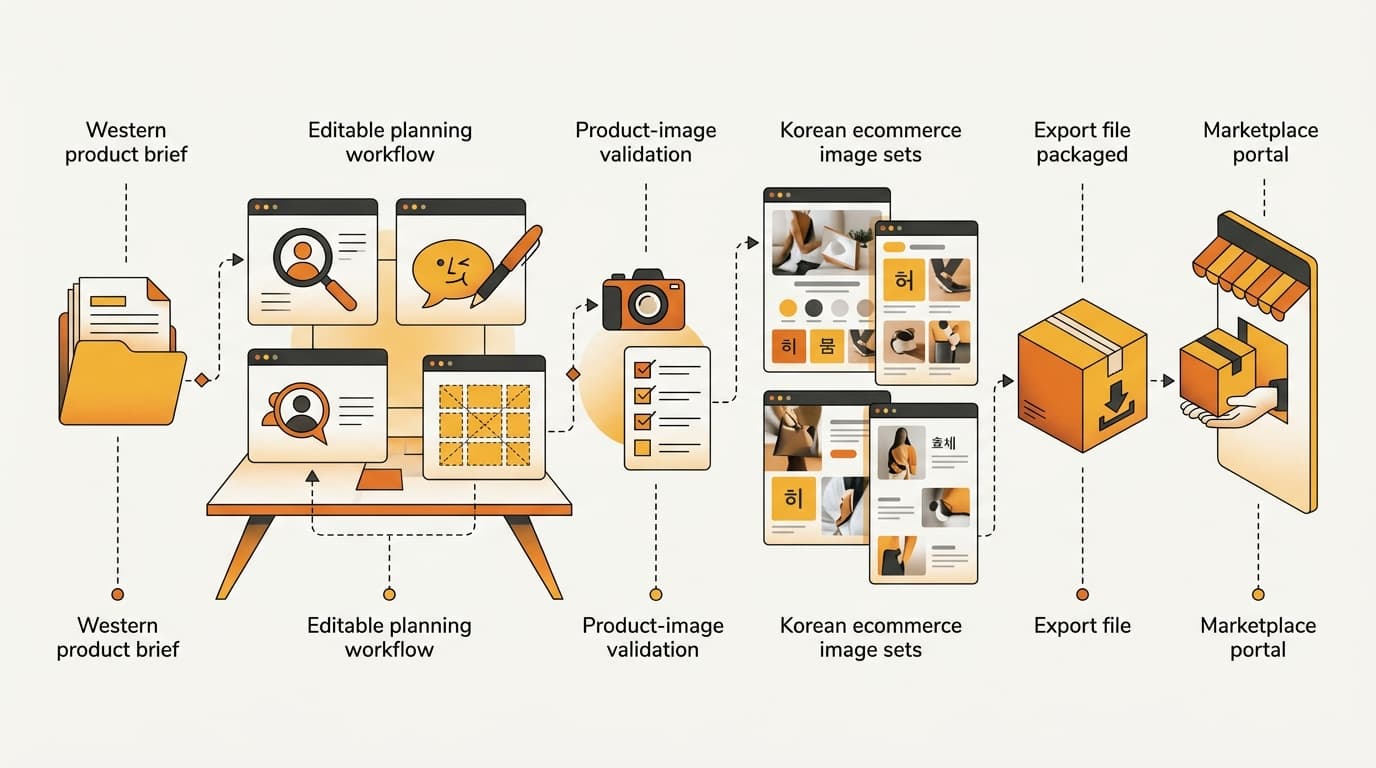
Kontactic Seller Center builds each Coupang image gallery as one set: 1 primary image plus up to 9 supporting 1:1 tiles, all connected to the page builder.

An in-scope children's product cannot be sold in Korea while KC is pending; complete the applicable Korean safety route before sales, not after stock arrives.

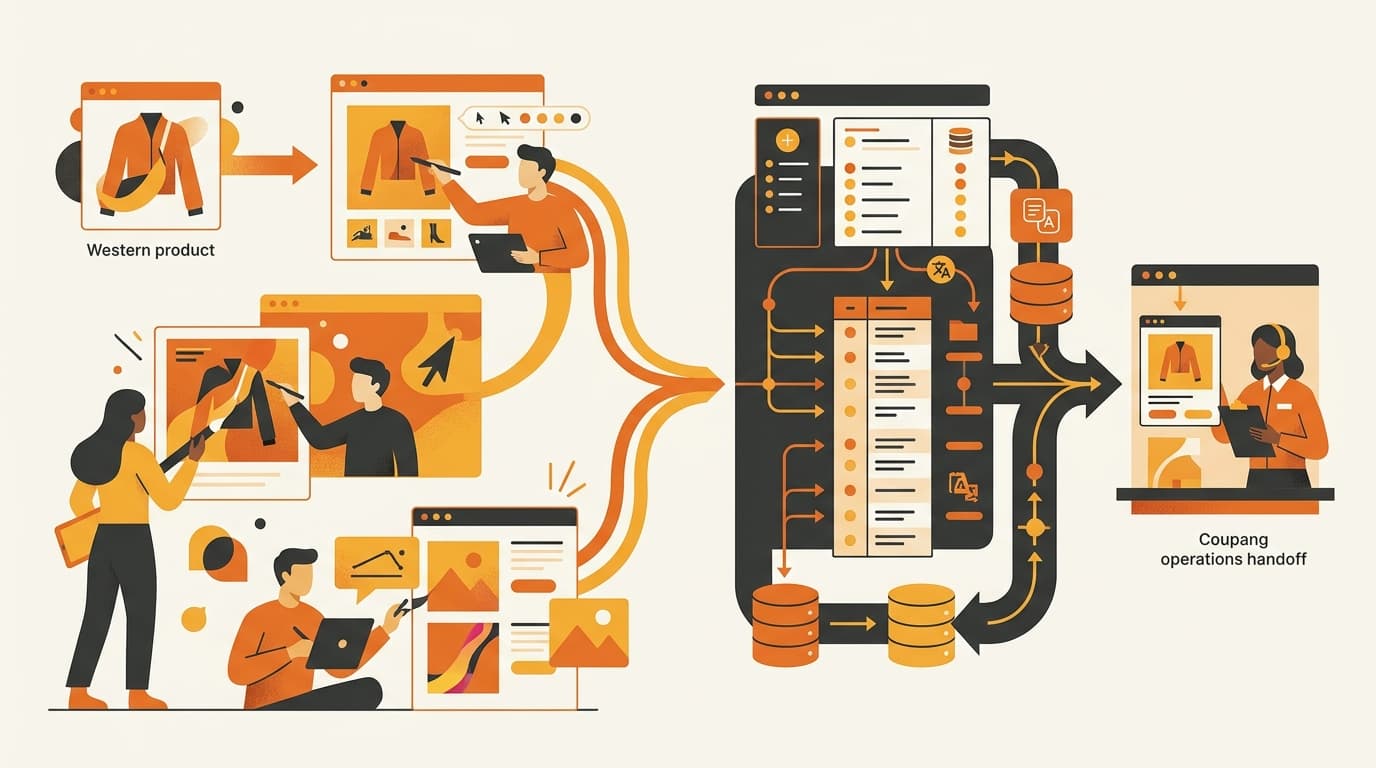
Coupang product-information disclosure keeps marketplace data beside localized creative, giving operations a handoff without rebuilding listing information.

Most imported cosmetics do not need individual MFDS review in Korea, but statutory functional cosmetics need the applicable examination or report route.

Kontactic's builder turns localization plans into a Coupang image set, validates real product imagery, and exports it with a product-information disclosure file.

Before a Korean importer files a commercial food declaration, the overseas facility must be MFDS-registered; registration alone does not approve the product.