
US Food Brand Korea Market Entry: A Realistic Timeline
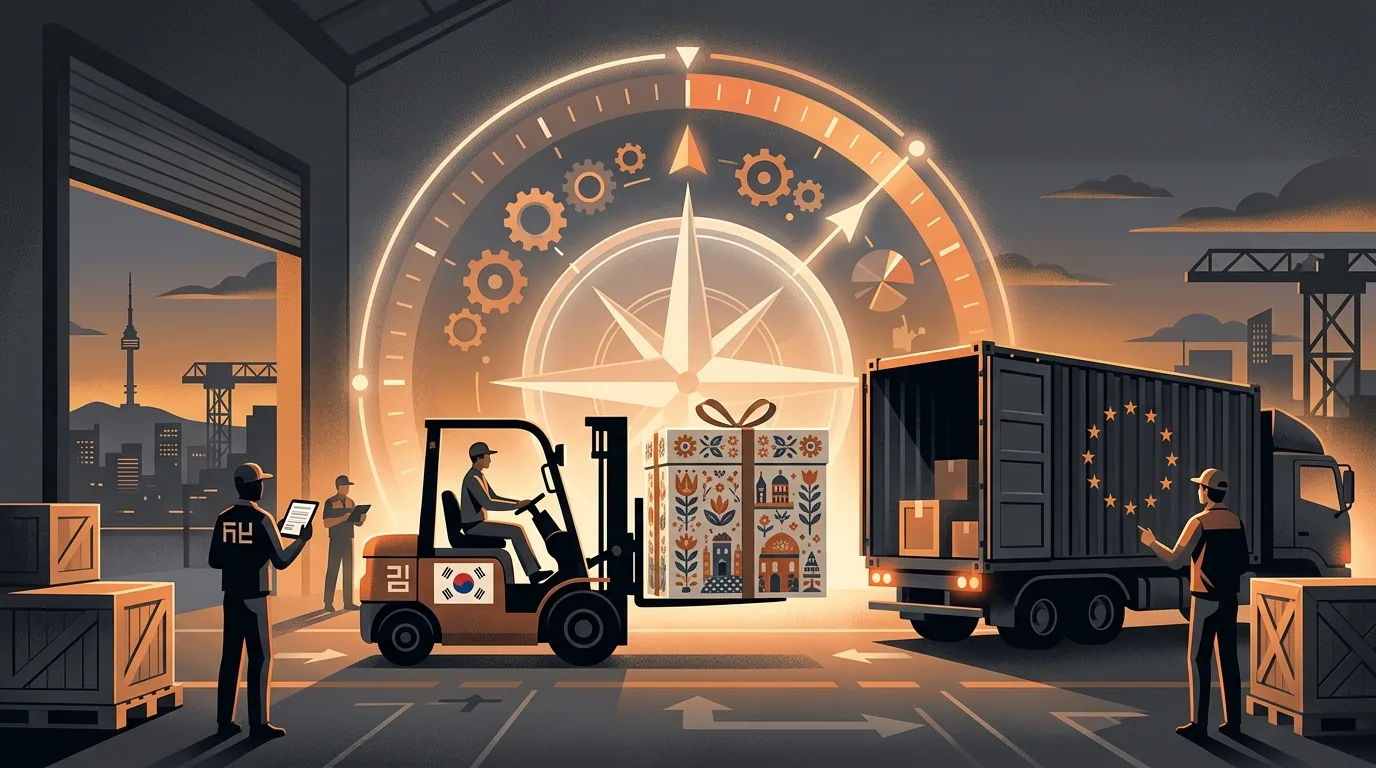
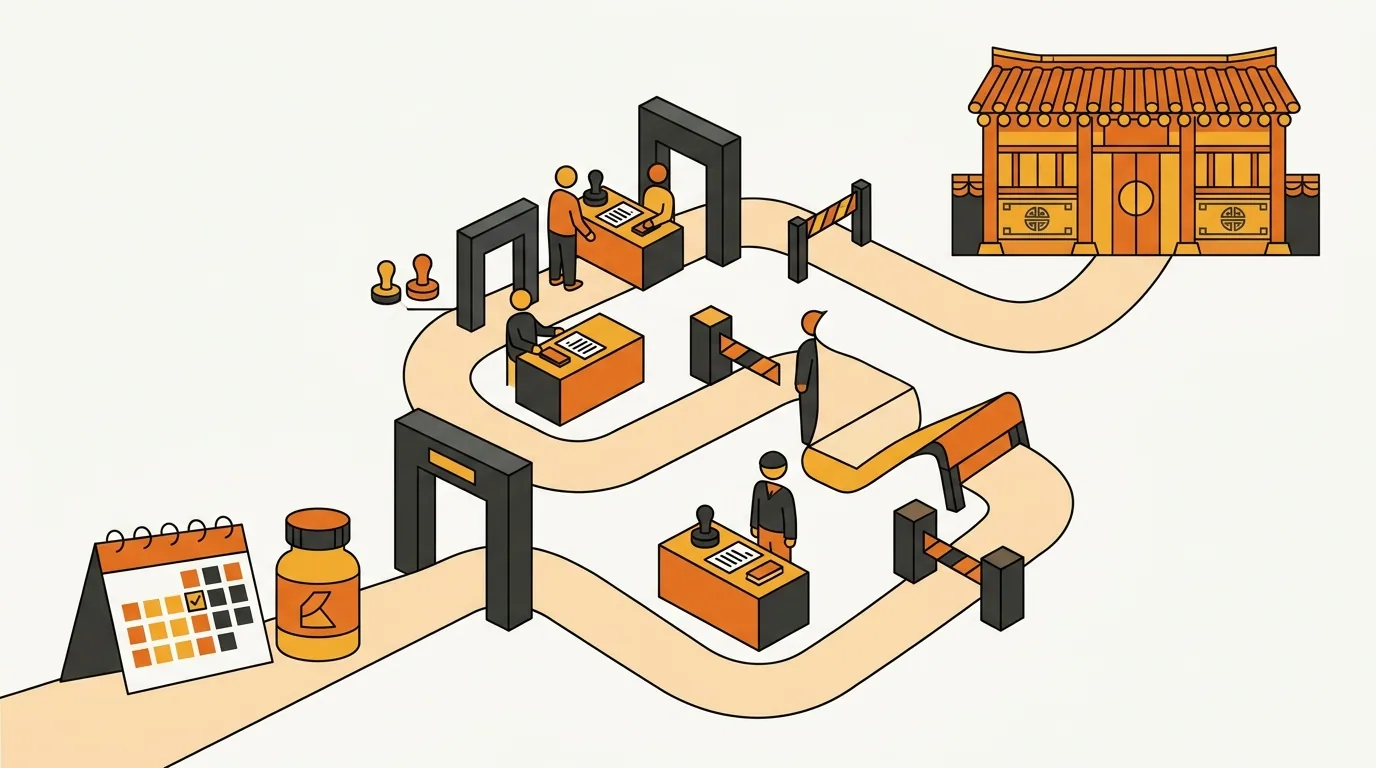
A realistic Korea market entry timeline for a US food brand runs roughly 6 to 10 months from decision to first local shipment — here is what actually drives the calendar.

인사이트·가이드
한국에서 파는 브랜드에게 진짜 도움이 되는 분석, 실무 가이드, 시장 인사이트.
전체 204개 중 169–180번째 글

A realistic Korea market entry timeline for a US food brand runs roughly 6 to 10 months from decision to first local shipment — here is what actually drives the calendar.

A realistic Coupang launch timeline for a European home goods brand runs roughly 4–7 months from KC scoping to first sale. Here is the sequence and the parts founders usually underestimate.

A practical 2024–2026 cost and compliance breakdown for foreign pet food brands entering Korea — covering cross-border vs. local, IoR, KC, feed registration, and Rocket Growth.

End-to-end budget for KC certification, freight, IoR, Coupang setup, and localized PDPs — line items most Korea entry guides leave out.

KCS certification in Korea uses a single government lab with no appeals. Pre-test against the exact Korean standard before applying — here is why it matters.

Korea cosmetics Importer of Record and Responsible Person are two separate services with different cost logic. Here is how to scope and price them.

Coupang's Q1 2026 trust shock slowed growth, but Naver SmartStore captured real volume. Foreign brands should plan a two-channel model from day one in 2026.

Three Coupang policy changes in 2025 — Rocket Growth return fees, a KRW 50,000 evidence threshold, and the CVR (쿠팡확인요청) burden of proof — reset the real margin math of selling on Rocket Growth.

A realistic Korea supplement entry timeline runs 5–8 months from application to first sale, covering HFF registration, Coupang onboarding, PDP, and Rocket Growth.

Opening a corporate bank account is where most foreign-owned Korean setups stall. A new account often opens capped at about KRW 1,000,000 a day for online transfers. Here is how the cap is lifted, and what no agency can promise.

Korea food import compliance agencies typically cover MFDS registration, customs, and labeling — but exclude Coupang setup, Korean PDPs, and customer service.

EU brands evaluating a Korea entry agency for KC certification, Coupang, and Rocket Growth fulfillment need to know what "bundled" actually means.