Korea's 2026 KC Downgrade: 5 Appliances Now Need Lighter Certification
The short answer: no, you do not re-certify. As of April 1, 2026, five appliance categories — vacuum cleaners, washing machines, microwave ovens, dryers, and bathroom/toilet-use electrical devices — moved down from Korea's stricter Safety Certification (안전인증) tier to the lighter Safety Confirmation (안전확인) tier, and any product already holding a valid pre-transfer Safety Certification is automatically deemed to satisfy the new Safety Confirmation requirement. Your old certification number still counts.
That single fact protects two things at once: your budget (you are not paying for redundant conformity work) and your timeline (a valid legacy certificate is not a listing defect). Below is exactly what changed, what did not, and where brands trip up.
What actually changed on April 1, 2026
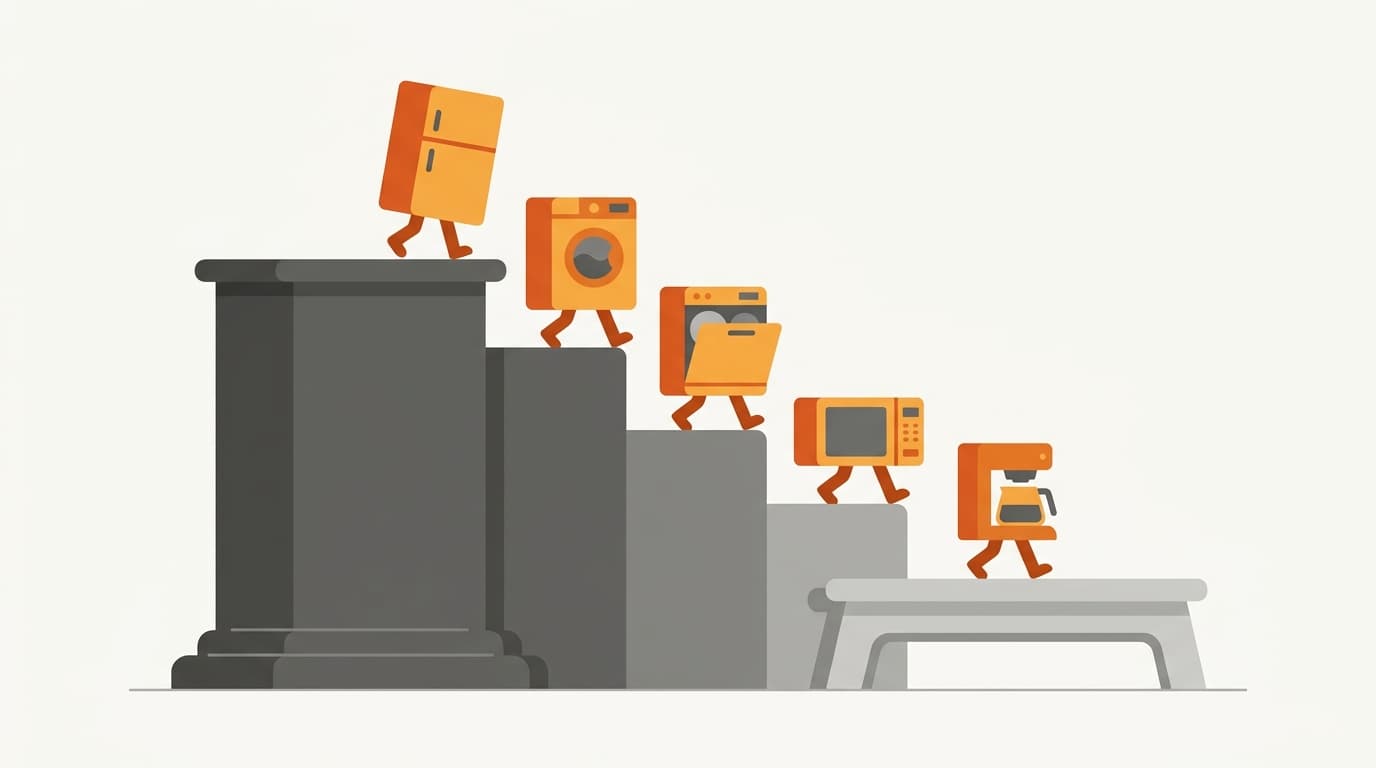
Korea reclassified five categories from the top KC safety tier to the middle one under the Electrical Appliances and Consumer Products Safety Act (전기용품 및 생활용품 안전관리법). The change is administered by KATS (국가기술표준원, the Korean Agency for Technology and Standards).
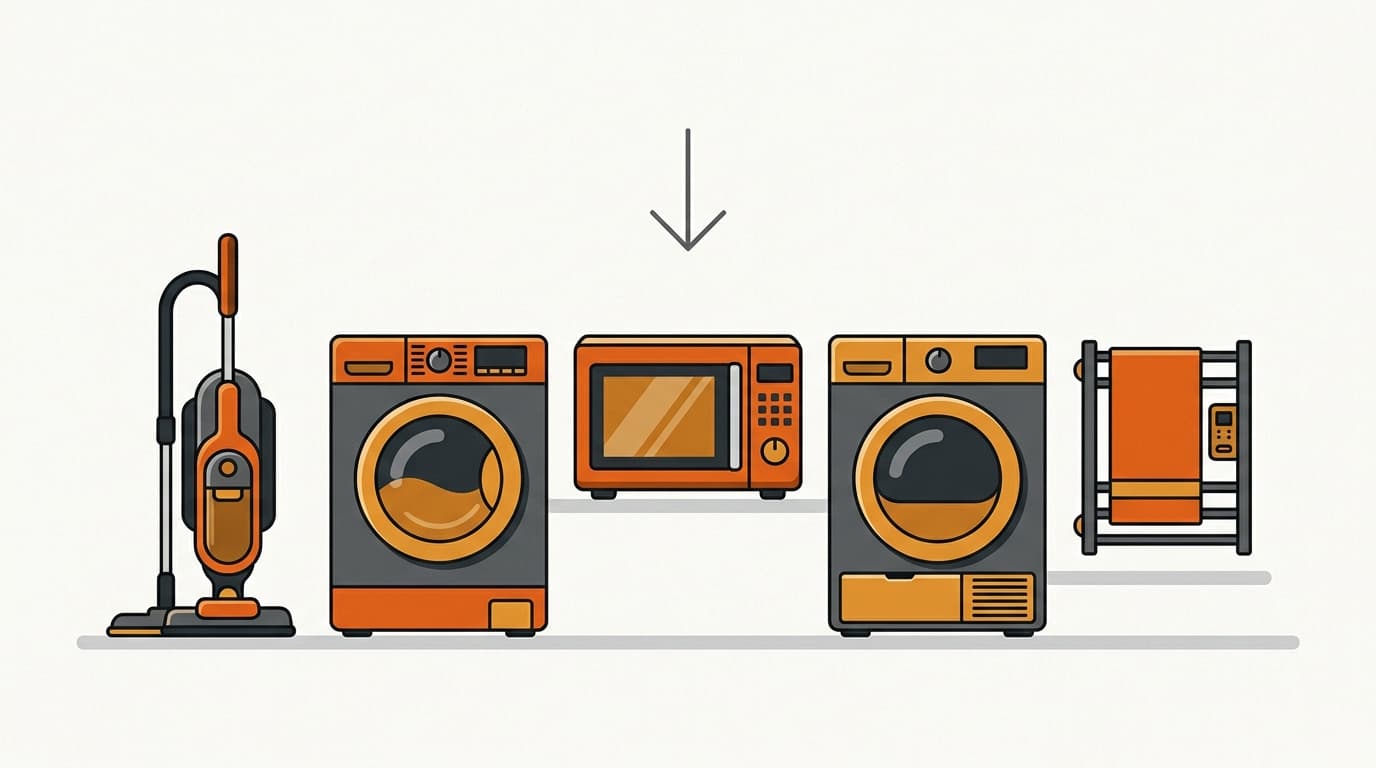
The five categories that moved:
- Vacuum cleaners
- Washing machines
- Microwave ovens
- Dryers
- Bathroom/toilet-use electrical devices
Practically, this means a lighter ongoing compliance burden for these products going forward. The difference between the two tiers is not about how safe your product must be — the safety standards themselves are unchanged — but about the process used to demonstrate and maintain conformity.
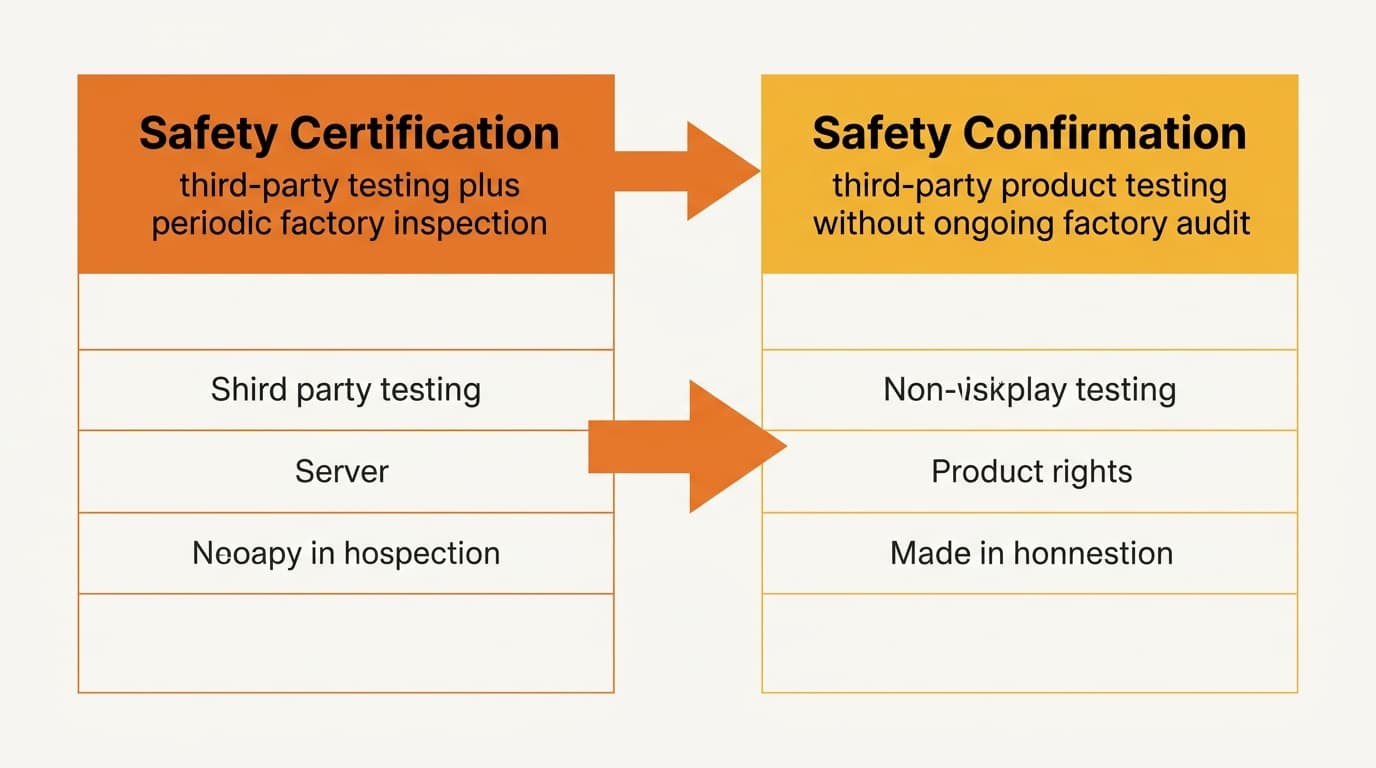
Safety Certification vs. Safety Confirmation: what separates the two tiers
Both tiers sit under KATS and both require third-party testing. The gap is what happens after testing.
Safety Certification (안전인증) is the stricter tier: third-party product testing plus periodic factory inspection (an ongoing audit of the manufacturing site). Safety Confirmation (안전확인) is lighter: third-party product testing without the ongoing factory audit.
That ongoing factory inspection is the expensive, recurring part. Removing it is the real relief for the five reclassified categories — the initial product test still applies, but the recurring site-audit obligation that came with Safety Certification no longer attaches to these products under the new tier.
For a Western brand that manufactures overseas, the periodic factory inspection was often the most awkward part of Safety Certification to coordinate. Dropping to Safety Confirmation removes that friction for these five categories specifically.
Do you re-test or re-certify? No — the grandfather rule
This is the part that most directly protects your money and your calendar. A product that already holds a valid pre-transfer Safety Certification is automatically treated as satisfying the new Safety Confirmation requirement. You do not schedule a new product test, and you do not file a new certification just because the category moved.
Two failure modes come from misreading this:
- Over-compliance. A brand assumes the old, heavier Safety Certification track still governs and pays for redundant conformity work — a slower, more expensive path than the category now requires.
- Panic re-certification. A brand hears "reclassification" and fears its existing certificate is now void, then blocks its own launch or pays to re-test something that never lost validity.
Neither is necessary. The legacy Safety Certification carries over intact, provided the certificate itself is genuine and current.
“A reclassification that eases the tier does not reach back and invalidate the certificates already issued under the stricter one — the whole point of the transfer rule is that legacy holders keep their standing.”
Isaac Lee — CEO, Kontactic
If you are still deciding which KC track a different electrical product needs, our breakdown of Korea's three KC safety tiers and how to tell which one fits your product walks through the distinctions category by category.

What this means for your Coupang listing and customs clearance
A brand still displaying its old Safety Certification number on any of these five products is compliant. The legacy number remains valid evidence, and neither Coupang's inbound checks nor a customs review should treat it as a defect — again, as long as the certificate is genuine and current.
Coupang's inbound-authority page checks for the legally correct certification evidence, so the practical risk is not the certificate itself but the label you attach to it. For these five categories, the correct current category is Safety Confirmation. Describing the product under the old Safety Certification tier in a marketplace form or import filing is a labeling nuance rather than a re-certification trigger — but getting the tier name right avoids confusion, and mislabeling the tier can stall a listing or raise a false compliance flag that costs you review time.
So the operational move is small: keep your valid certificate, and make sure the tier field in your filings and marketplace forms reflects Safety Confirmation for these products.
What did not change
This is a category-specific change, not a blanket easing of KC rules. Most other electrical and electronic goods keep whichever tier they were already assigned. Do not assume your product moved just because it is an appliance — verify your specific product's current tier against KATS's certification tier list rather than working from memory.
Two more boundaries worth stating plainly:
- The safety standards are unchanged. Only the conformity-assessment tier moved. A vacuum cleaner still has to meet the same electrical safety requirements it did before April 1, 2026.
- EMC and RF conformity is a separate track. KC safety (under the Electrical Appliances and Consumer Products Safety Act, via KATS) and radio/EMC conformity (under the Radio Waves Act, administered by the RRA) are two different regimes. This transfer touches only the safety tier. If your appliance also carries an EMC or RF obligation — many do — that obligation is untouched by this change. Our explainer on whether a wireless device needs both KC safety and EMC covers how those two tracks run in parallel.
Common questions
Does my existing Safety Certification expire because of the reclassification? No. A valid pre-transfer Safety Certification is deemed to satisfy the new Safety Confirmation requirement. It is not voided by the category move. Renew it on its normal schedule as you otherwise would.
Do I need to re-test my vacuum or microwave for Korea? Not if it already holds a valid Safety Certification. You do not re-test or re-certify solely because the category was reclassified.
Can I still show the old Safety Certification number on my Coupang listing? Yes. The legacy number remains valid evidence. Where a form asks for the certification tier, use Safety Confirmation for these five categories to avoid confusion.
Where can I verify all of this myself? Check the current tier assignment against KATS (국가기술표준원) and the statute text on Korea's official law portal (law.go.kr). For marketplace-specific evidence requirements, consult Coupang's official inbound and developer documentation. If your product also has radio functions, confirm the separate RF/EMC obligation with the RRA.
Did any other categories move at the same time? Treat this transfer as covering these five categories only. For anything else, confirm the specific product's tier against the KATS list rather than assuming it moved.
Not sure which KC tier your appliance sits in now?
Kontactic maps each SKU to its exact current Korean certification obligation before you ship. Tell us what you're selling and we'll confirm the tier.
글쓴이 소개
15년 이상의 크로스보더 이커머스 경험을 가진 한국·글로벌 커머스 운영자들입니다. 대표 이이삭 (Isaac Lee)은 KOTRA 인증 컨설턴트이자 서울특별시와 관세청의 공식 강연자입니다. 저희는 매일 서구 브랜드의 한국 시장 진출을 직접 운영하며, 이 블로그에는 그 현장에서 배운 것들을 기록합니다.
Kontactic 더 알아보기 →관련 글
Coupang Order Lines: One Line Is Not One Unit
A Coupang order line can represent a generated quantity option, so your connector must map it to a base SKU and physical quantity before stock movement.
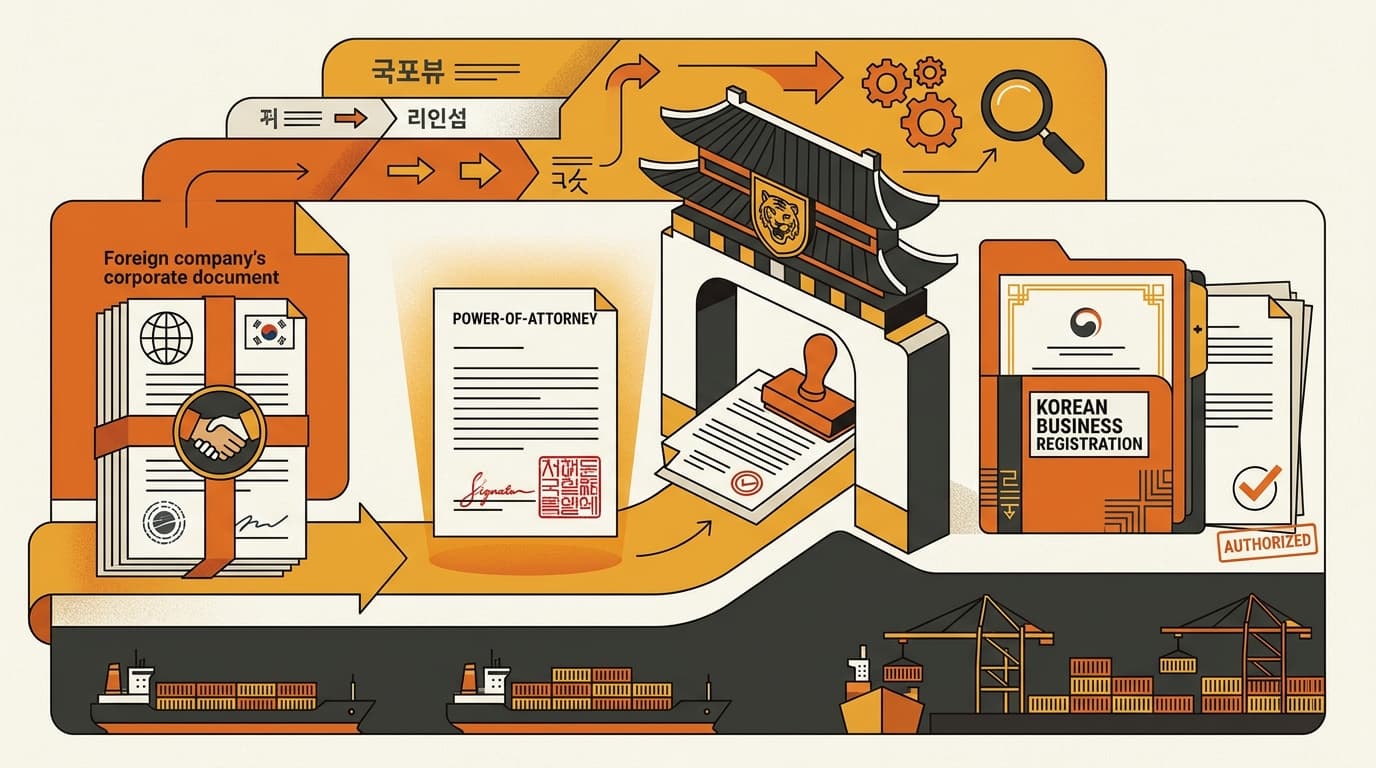
Korean Importer Registration: Why a POA Is Not Enough
A power of attorney cannot establish Korean importer registration; corporate-authority proof and Korean importer records are still required for the filing.
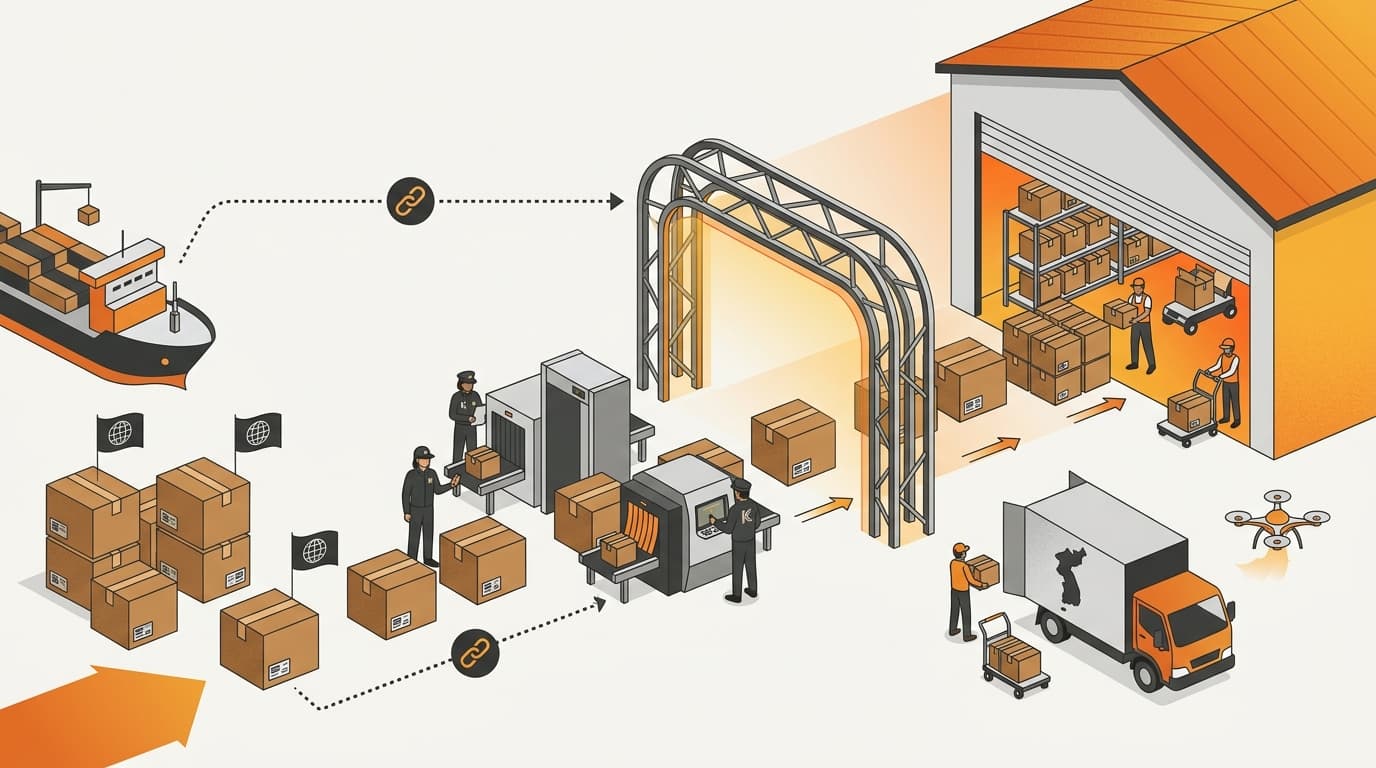
Can You Delay Korea Import Duty on Consignment Stock?
No. Korea import duty and import VAT are normally assessed when consignment stock is cleared for domestic circulation, not when a Korean customer buys one unit.