Whose Name Goes on Your Korean Business Card as a Foreign Brand
When a foreign brand goes local in Korea, whose name sits on the business card, the seller account, and the entity filings? The short answer: yours. Here is why, across Spark and Blaze.

인사이트·가이드
한국에서 파는 브랜드에게 진짜 도움이 되는 분석, 실무 가이드, 시장 인사이트.
전체 64개 중 49–60번째 글

When a foreign brand goes local in Korea, whose name sits on the business card, the seller account, and the entity filings? The short answer: yours. Here is why, across Spark and Blaze.

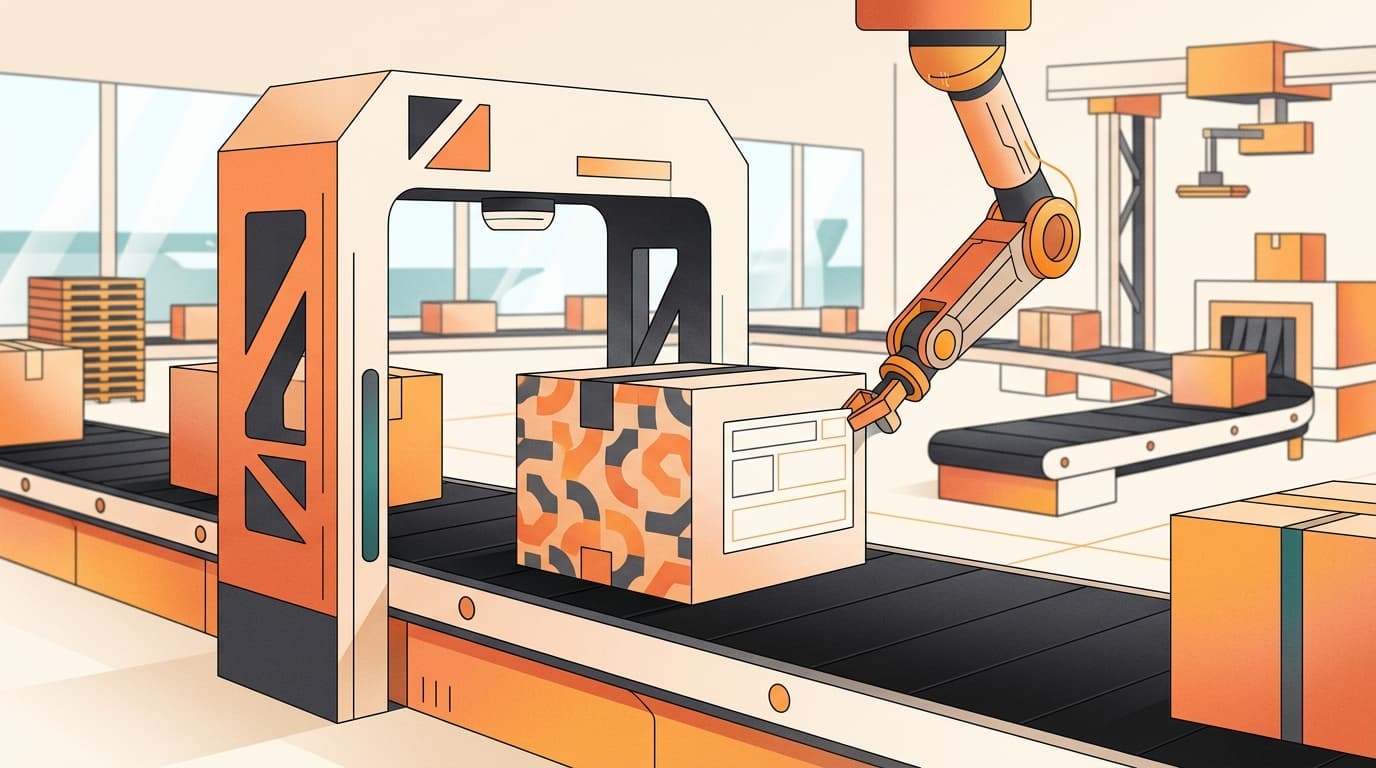
Coupang inbound verification is a two-step review — label check, then certification evidence — that catches problems at the desk before a shipment reaches the Rocket dock.

Once your Coupang listing goes live, small problems compound silently. Sales Radar watches your performance daily and surfaces weekly diagnostics so you know what to fix.

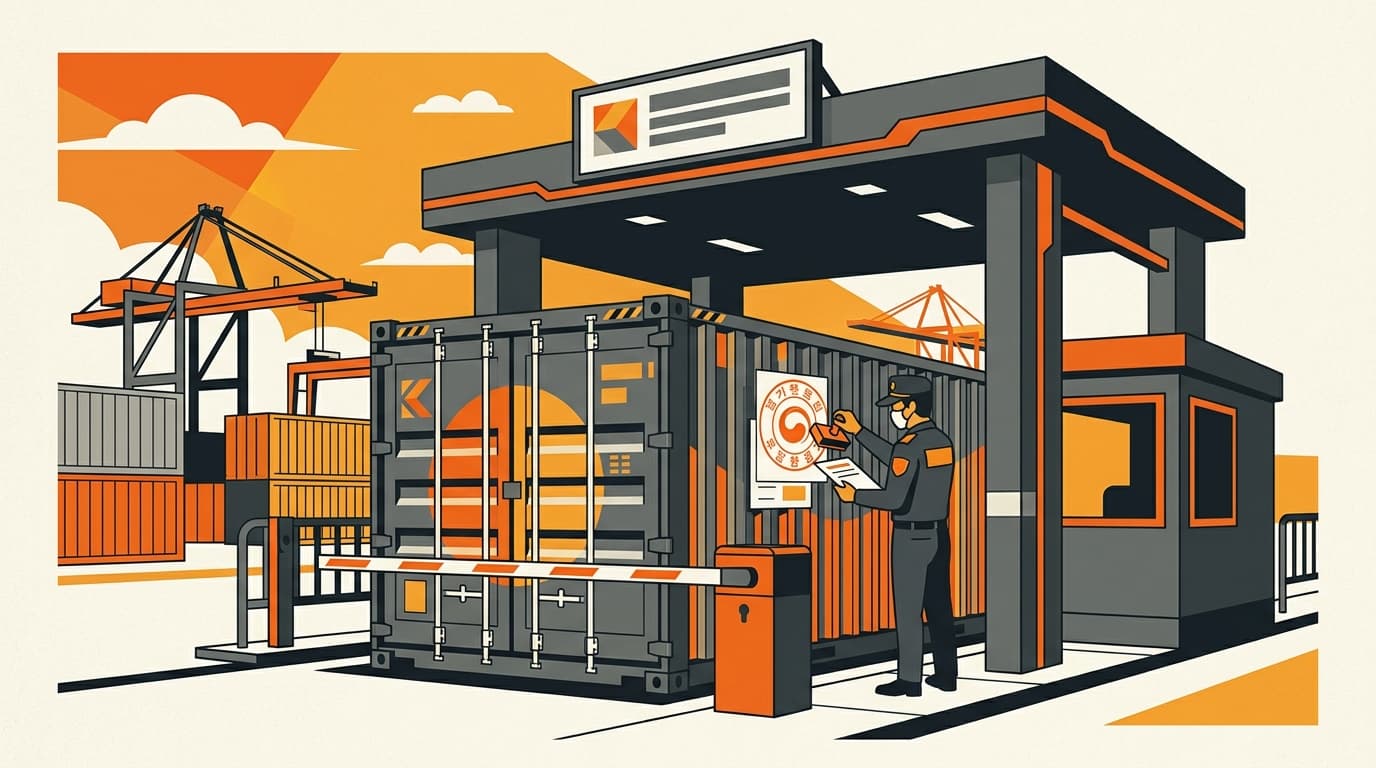
Korean customs will not clear goods addressed to a foreign brand with no local import authority. Here is who can legally import into Korea, and how Kontactic runs that Importer of Record role for you.

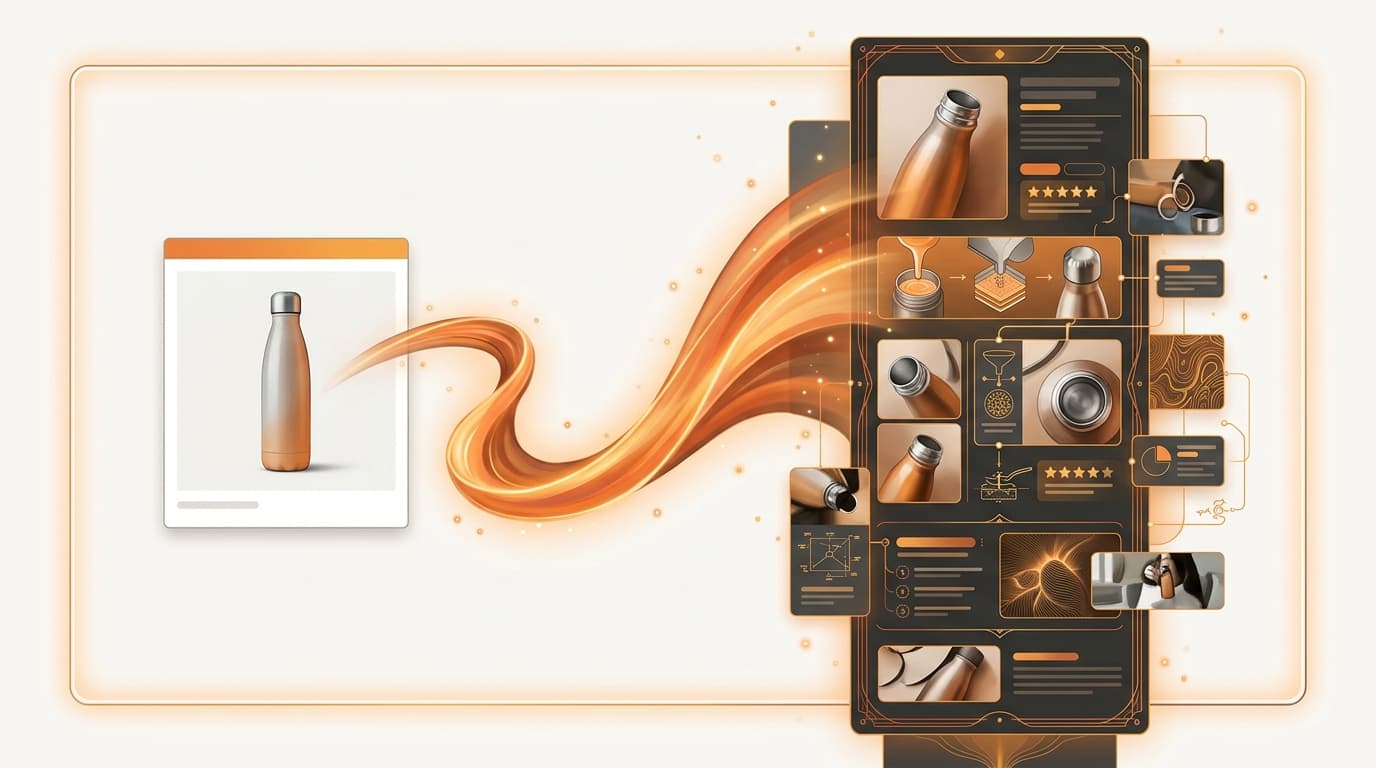
Kontactic's Seller Center now diagnoses the detail-page shots you're missing and generates Korean-market Coupang PDP imagery from the assets you already submitted — no local studio required.

Every product sold in Korea needs a compliant Korean disclosure label (표시사항). Kontactic's Hangul Label Studio generates print-ready labels and packages compliance evidence.

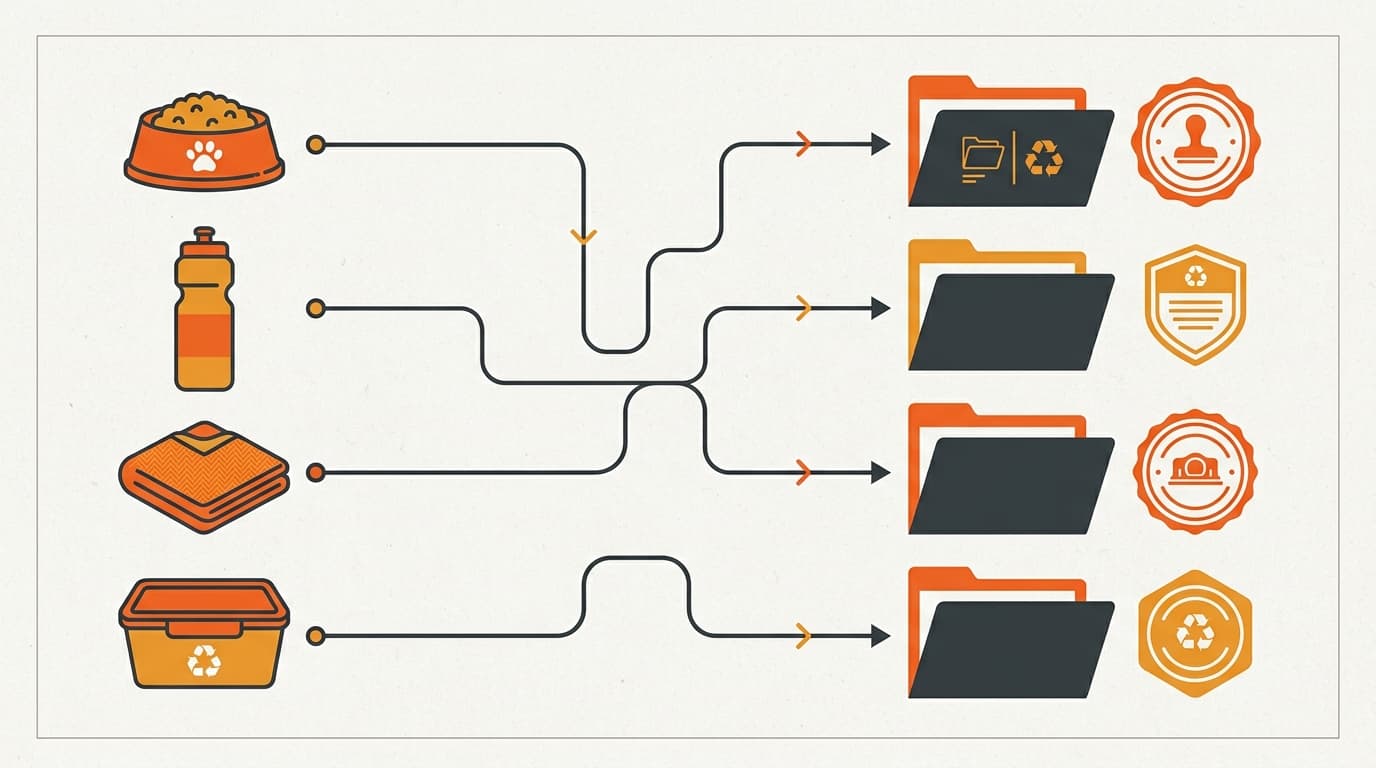
"Korean certification" is not one checkbox — a pet food, a water-contact item, and a textile each fall under a different law. Here is how we map each SKU to its exact obligation before you ship.

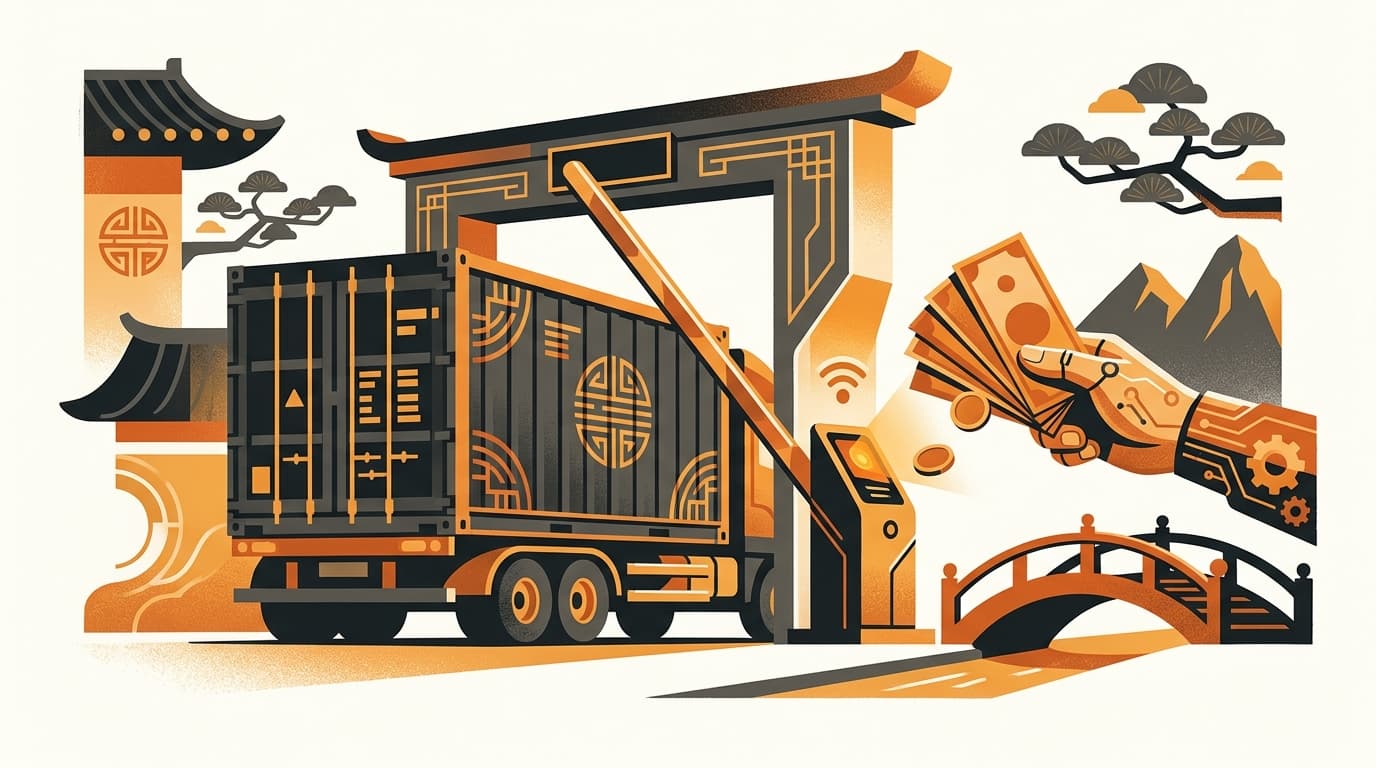
Korean customs won't release cargo until import duties and VAT are paid — before you have a payer. Here's how Kontactic advances those funds and reconciles them to source documents.

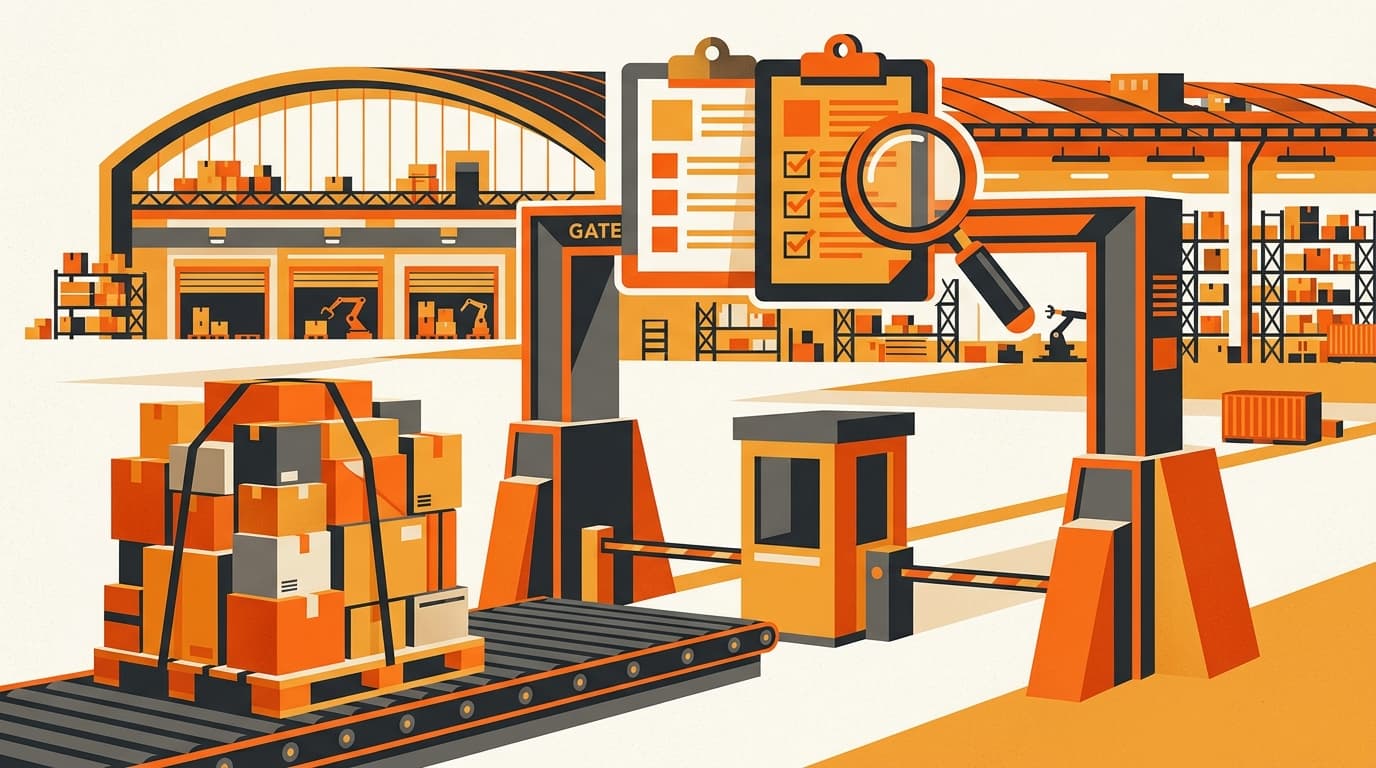
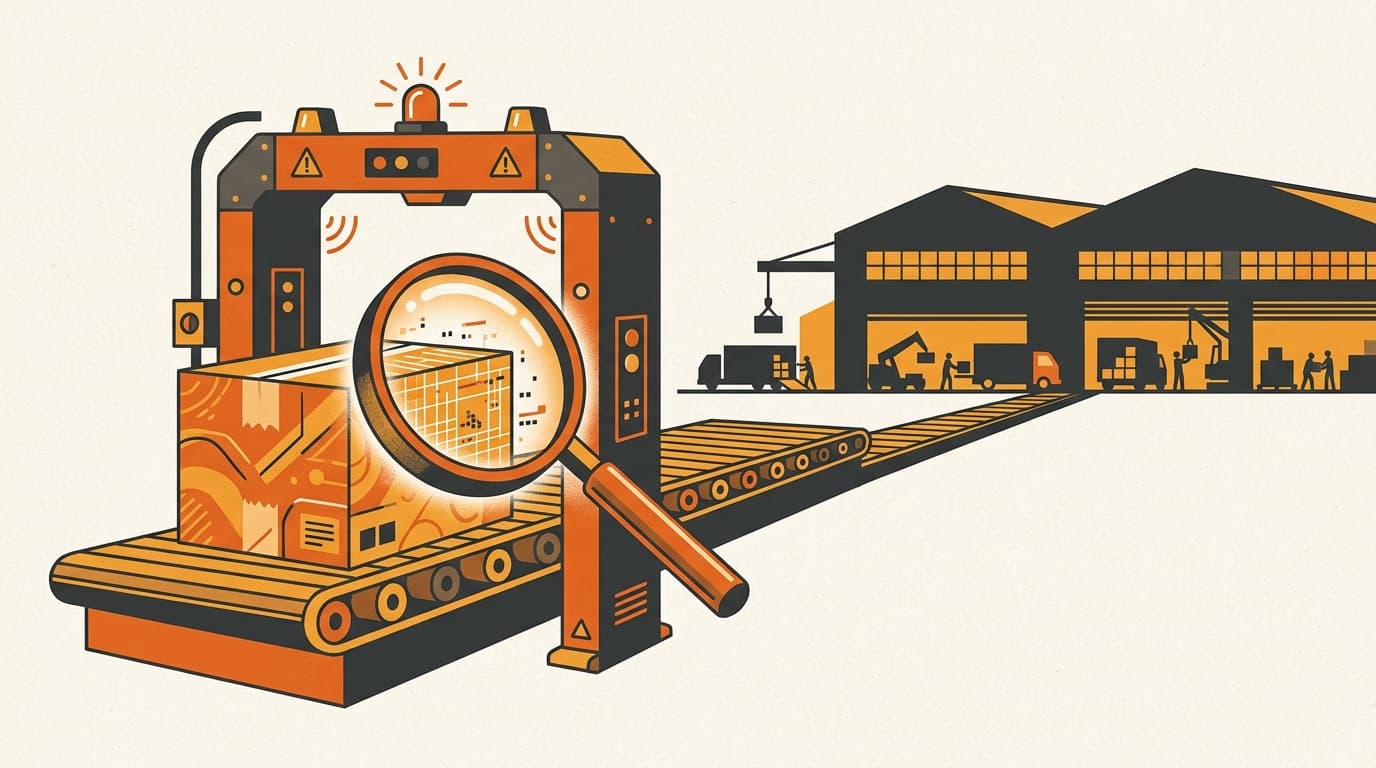
Kontactic screens every SKU against Korean certification and customs rules before it ships — catching KC, import-food, and radio conformity obligations before cargo gets stuck at the border.

An ordinary Korean limited company (yuhan-hoesa) takes about six to eight weeks to set up and has no minimum capital — KRW 100M only matters for foreign-invested (FDI) status. The entity is the cheap, fast part of going local in Korea.

A Korean limited company (yuhan-hoesa) has no statutory minimum capital — but foreign-invested status requires KRW 100M, and the real load sits elsewhere.

KCS certification in Korea uses a single government lab with no appeals. Pre-test against the exact Korean standard before applying — here is why it matters.