
Operational Readiness Before Ad Spend: A Founder's Note on Sequencing Korea Entry
A pattern we keep seeing
Every few weeks, a Western brand reaches out to us with the same story: Korean consumers are already buying their product cross-border, they are excited about the opportunity, and they are ready to commit serious budget to advertising in Korea. Then, somewhere in the second or third conversation, the real question surfaces — who is going to receive that traffic, convert it, ship it, and handle the Korean-language customer service behind it?
This post is a short founder note on that sequencing problem, and why we have built Kontactic's service tiers around solving it in a specific order.
Demand is the prerequisite, not the finish line
We only work with brands that already have hard evidence of Korean demand — cross-border orders with Korean shipping addresses, Korean buyer history, or equivalent signals. That is non-negotiable across every tier we offer. If a brand does not have that evidence yet, the honest answer is to build it through cross-border channels first, and we point those brands to our free educational content rather than a paid engagement.
But demand evidence is the starting line, not the finish line. Having Korean buyers click "buy" on Amazon Global or a Shopify international checkout proves the product resonates. It does not prove the brand is ready to capture that demand locally.
Cross-border orders from Korea tell you the product works. They do not tell you your Korean operation works — because your Korean operation does not exist yet.
Why ads without operational readiness underperform
Korean e-commerce, and Coupang in particular, rewards operational tightness in ways that are easy to underestimate from the outside. A few realities we see repeatedly:
- Listings in Korean are not translations. Product detail pages, keywords, and storefront design need to be built natively for how Korean consumers search and evaluate. Running traffic to a weak PDP is an expensive way to learn this.
- Fulfillment speed is a conversion lever. Without inventory already inbound to Coupang's Rocket Growth (로켓그로스) system, you are competing against sellers who can deliver next day. Ads that drive shoppers to a slower listing convert worse, full stop.
- Customer service is Korean-language by default. Inbound inquiries through phone and messaging channels need to be handled in Korean, quickly. An unanswered question is a lost sale and a review risk.
- Account health is fragile early on. Coupang's policy notifications, return handling, and seller standing all need active monitoring from day one. An ad-driven spike on an unmonitored account is how small issues turn into suspensions.
Every dollar of ad spend that hits a listing, a fulfillment path, or a CS flow that is not ready is a dollar spent teaching the algorithm that your product underperforms. That is a lesson the algorithm remembers.
The sequencing we recommend
When we lay out an entry plan with a founder, we walk through three operational stages in order. Advertising belongs squarely in the third.
1. Entity and import authority
Before anything sells, someone has to be the Importer of Record and the Seller of Record. In our Spark tier, that is Kontactic's own Korean entity — the fastest, lowest-barrier way for a brand to start selling locally without forming a company. In Flame and Blaze, we set up a Korean 유한회사 under the client's ownership and administer it end-to-end.
Neither path can be skipped. Without a valid IoR and SoR, there is no inventory in Korea and no storefront to run ads to.
2. Commerce operations
This is the layer most foreign brands underestimate. Marketplace onboarding, Korean listings with SEO, storefront design, inventory coordination from forwarder through Rocket Growth, Korean-language CS, returns handling, listing maintenance — this is the machine that actually converts demand into revenue. In Flame and Blaze, this is our Layer 2 scope, and it runs whether or not any advertising is active.
글쓴이 소개
15년 이상의 크로스보더 이커머스 경험을 가진 한국·글로벌 커머스 운영자들입니다. 대표 이이삭 (Isaac Lee)은 KOTRA 인증 컨설턴트이자 서울특별시와 관세청의 공식 강연자입니다. 저희는 매일 서구 브랜드의 한국 시장 진출을 직접 운영하며, 이 블로그에는 그 현장에서 배운 것들을 기록합니다.
Kontactic 더 알아보기 →관련 글

How Representative Documents Support Korean Filing Work
Kontactic Seller Center connects representative documents and translation with delegated Korean filing work, so evidence becomes records and local action.
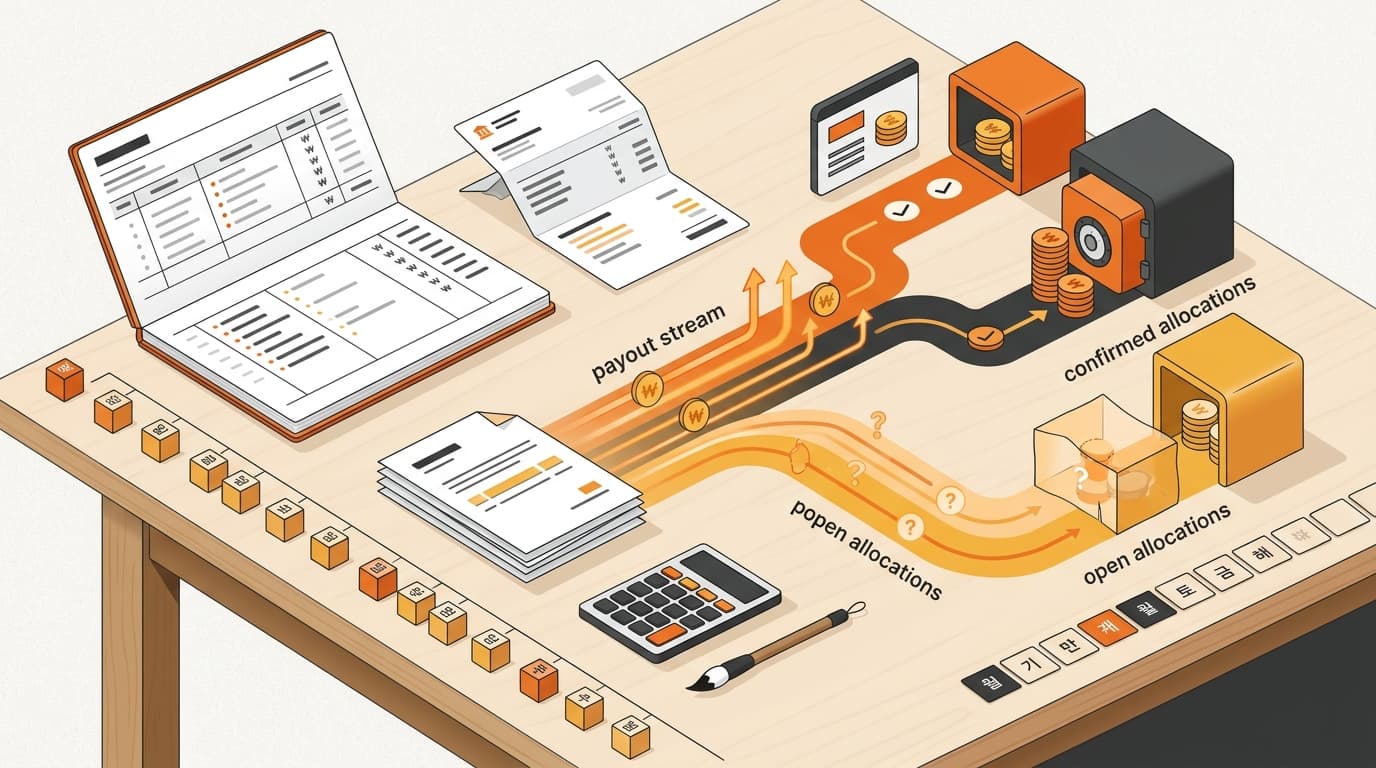
Coupang Settlement Periods: How Kontactic Reconciles
Kontactic closes Coupang settlement periods by confirming allocations, checking bank evidence, and keeping FX differences and late corrections visible.
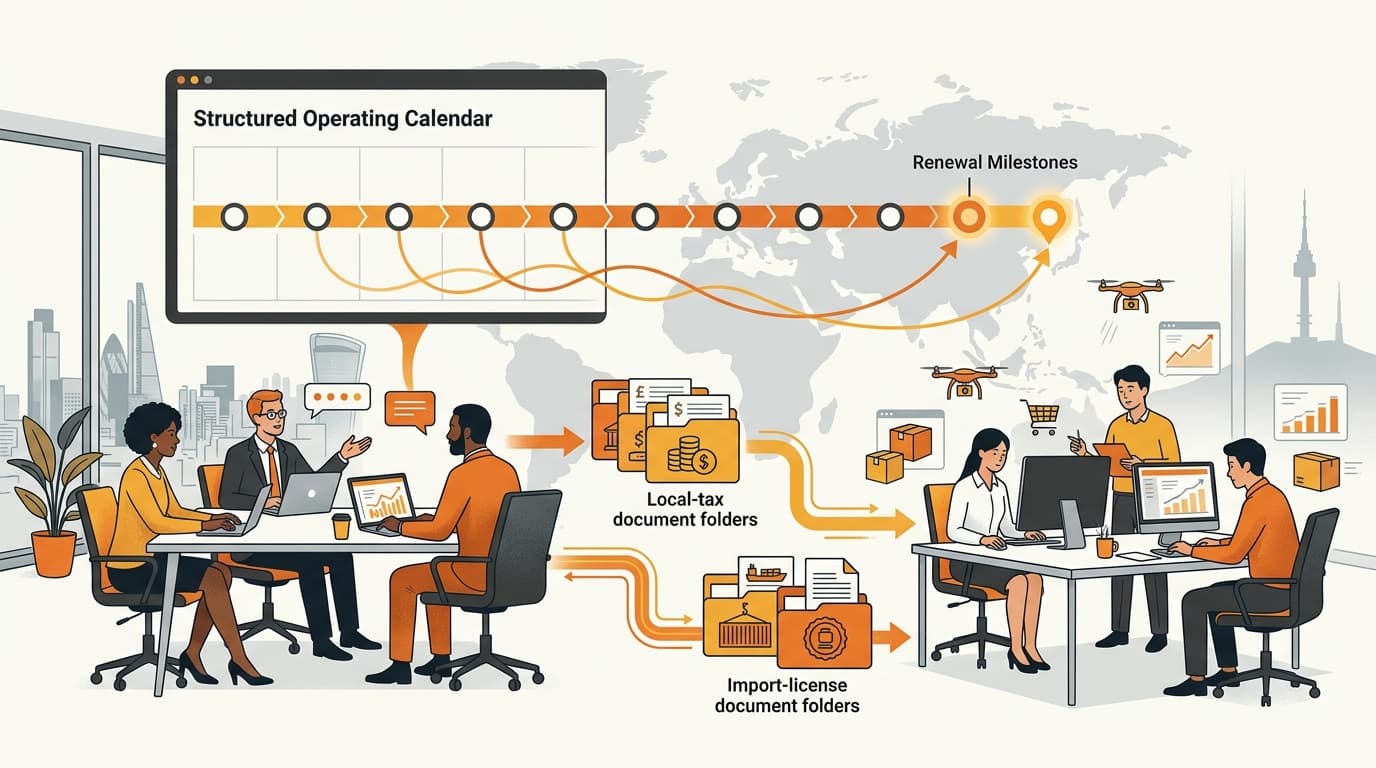
Korean Entity Administration: What Happens After Setup?
Incorporation is the start for a Korean entity. See how Kontactic Seller Center stages renewal reminders and routes local-tax and import-license document work.